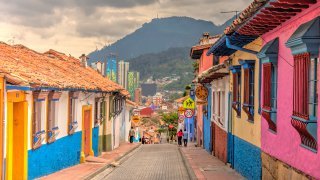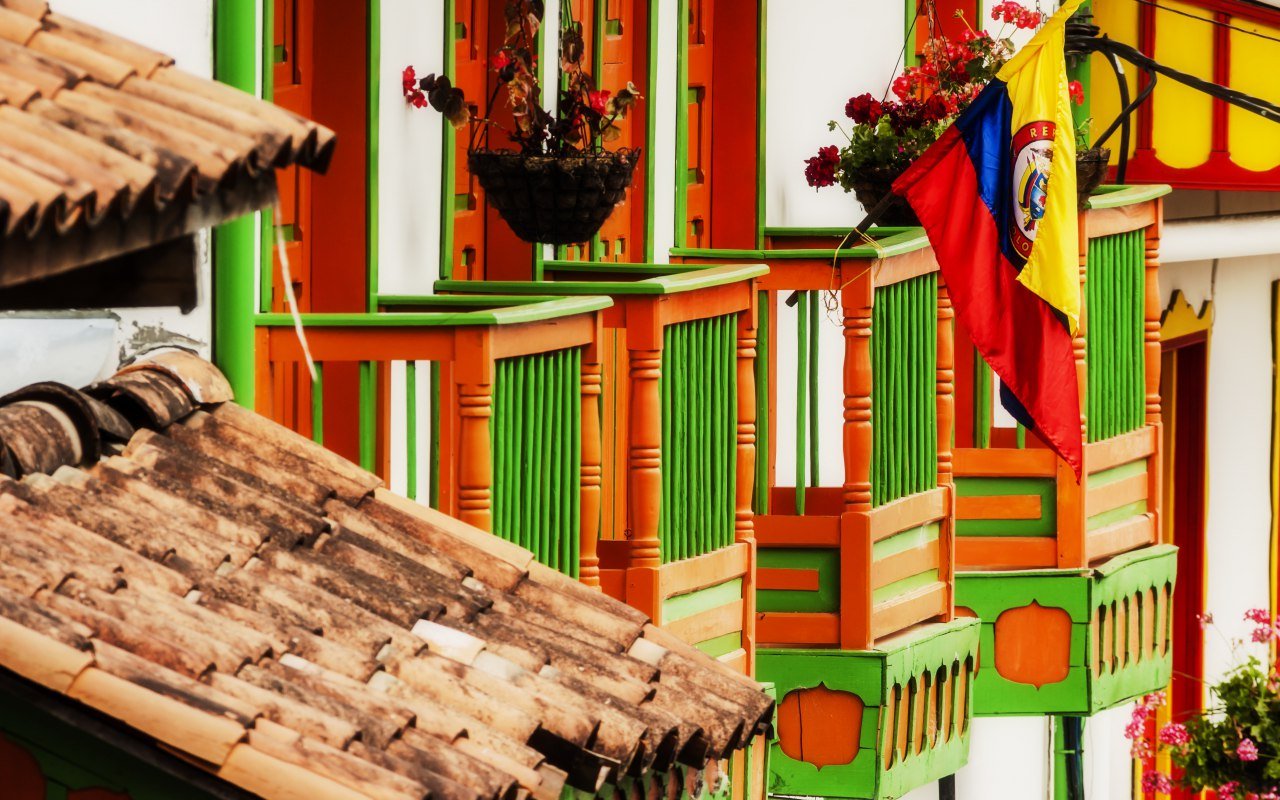
Architecture in Colombia is a perpetual back-and-forth between past and present. For more than three centuries, the Spanish crown ruled this part of the world, leaving an indelible mark. Stroll along colorful alleyways. Relax for a few moments on a shady patio. Then listen to the tinkling of a whitewashed bell tower overlooking a baroque church. Wherever you are in Colombia, you’ll be charmed by its architecture. A legacy of the colonial past that contrasts with the modernity of the cities. An immersion in the history of an entire continent.
A brief history
The occupation of South American territory by European settlers began with the arrival of Christopher Columbus in the Caribbean in 1492. Colombian territory was not reached until the early 16th century, after several expeditions. In 1510, Spanish colonists settled in San Sebastian de Uraba, in the gulf of the same name. TheCaribbean coast was the logical setting for the expansion of the first ports from which wealth bound for Europe and slaves from Africa were shipped. The Spanish then conquered the Andean parts of the territory, unifying the vice-kingdom of New Granada. The Spanish authorities organized city life according to the codes of the metropolis. Towns were structured around the PlazaMayor, the main square, where the main official buildings were located. The streets are squared and paved. And the city is covered with churches, military barracks, convents and large houses that adopt the architectural styles of Extremadura, Andalusia and North Africa. Patios, whitewashed walls, sculpted balconies overlooking the street – these are all elements that the Spanish reproduced on the other side of the Atlantic.
Cities not to be missed

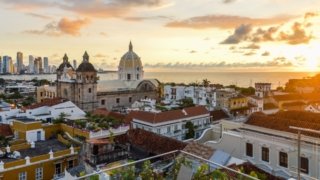
Cartagena
Declared a World Heritage Site byUNESCO in 1984, this Caribbean city has an indefinable charm. The capital of the Bolivar region has a population of over one million. Founded in 1533, the city was once a stronghold of the Spanish kingdom. It is overlooked by a military fort that was repeatedly the target of pirate attacks. Its history is closely linked to that of the continent.
Adjacent to the popular alleyways and mixed-race neighborhoods, the walled city is home to the majestic colonial mansions of the conquistadors of the time. Today’s leading Colombian families live in these mansions, with their studded doors and ornate balconies. The spatial segregation that existed then continues today. The center has been completely restored, giving the colonial buildings back all their color. In the heart of the city, the Place de la Douane, where Pedro de Heredia, the city’s founder, lived, is well worth a visit.
Mompox
A little further south in the department of Bolivar, Santa Cruz de Mompox borders the Rio Magdalena, Colombia’s largest river. Founded in 1539, the city grew out of trade with Cartagena. It was an essential link between the interior territories. The Spaniards stored gold and silver here.
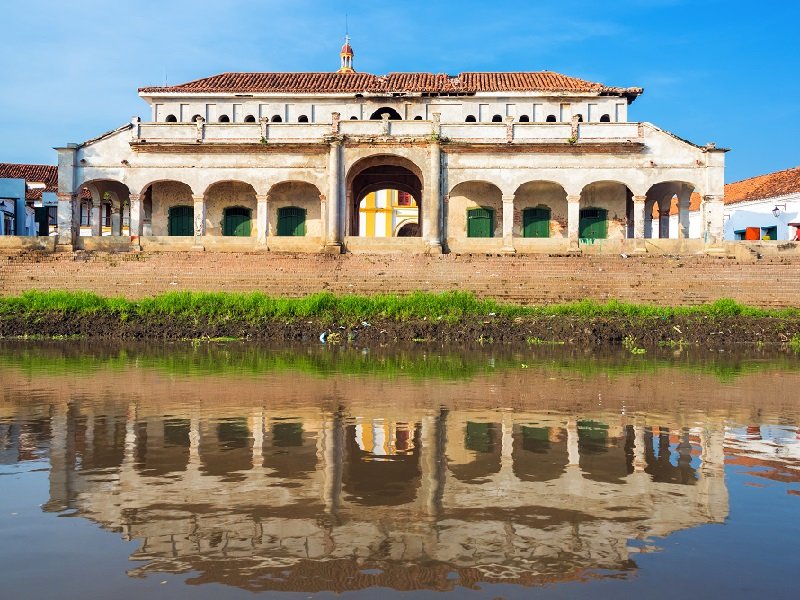
A strong symbol: a church in each of the three main squares replaces the site of the former indigenous villages. Despite its inevitable economic decline, Mompox has preserved its authenticity and historical heritage. It is the archetypal colonial town in Colombia and is said to have inspired Gabriel Garcia Marquez to write his novel One Hundred Years of Solitude.
Villa de Leyva
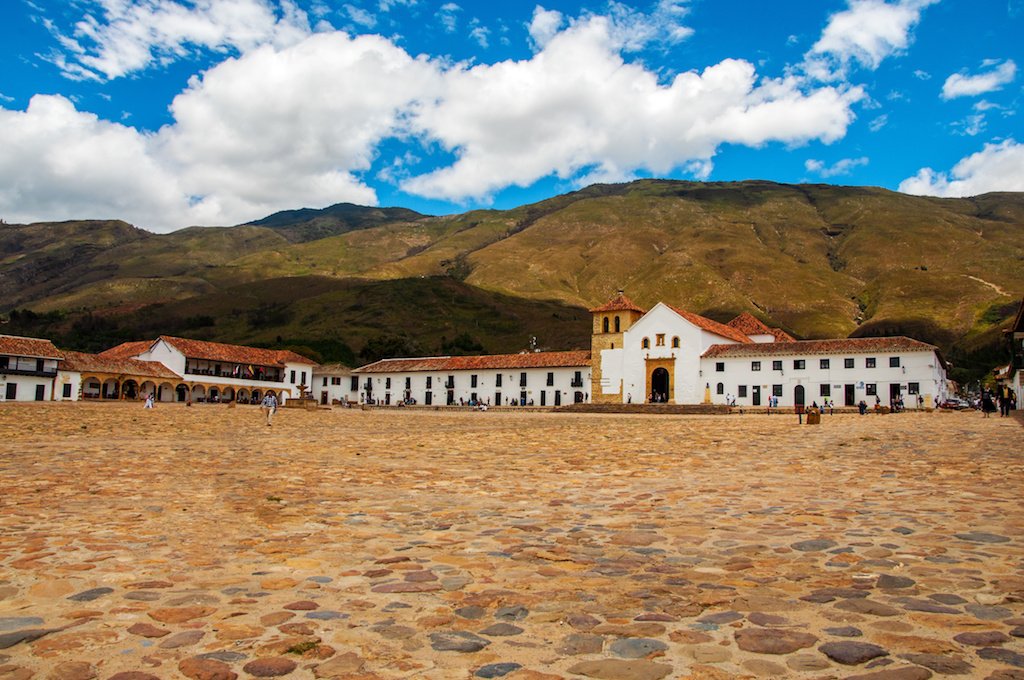
Designated a national monument in 1954, Villa de Leyva is just a stone’s throw from Bogotá. The town is distinguished by its cobbled streets and white houses. Many Colombians come here on weekends, as the climate is mild all year round.
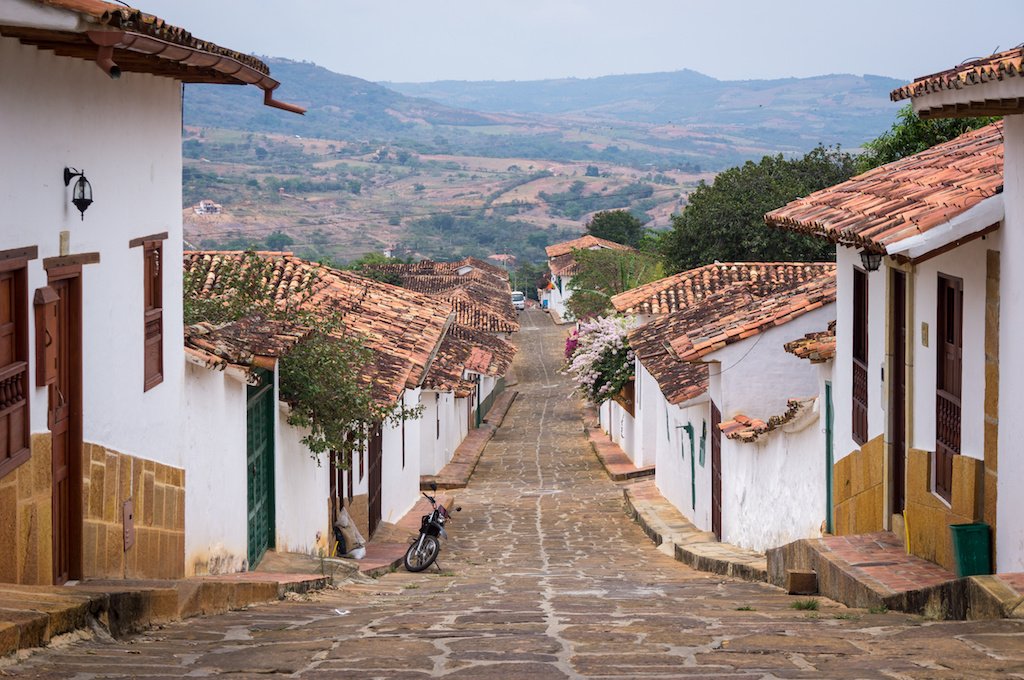
The huge central square is the scene of the Kite Carnival in August. The immense cathedral stands amidst the small one-storey houses, its slightly orange color contrasting with the whitewashed houses. Moving further into the heart of Boyaca department, towards Sogamoso, you’ll discover Mongui, a small village perched on the mountain. With its old buildings and stone bridge, this off-the-beaten-track village is well worth a visit. Just above, Lake Tota and its villages also offer a fairly accurate portrait of the colonial villages of the time. Further north, in the Santander hills, the village of Barichara, with its red-tiled roofs, also offers spectacular views. Today, these colonial buildings are used as resorts by Colombians from the capital, but they also house numerous art galleries, restaurants and typical hotels.
Popayan
The capital of Cauca department is also one of Colombia’s most prominent religious centers. the “White City” and its 300,000 inhabitants host major religious processions every year during Holy Week.
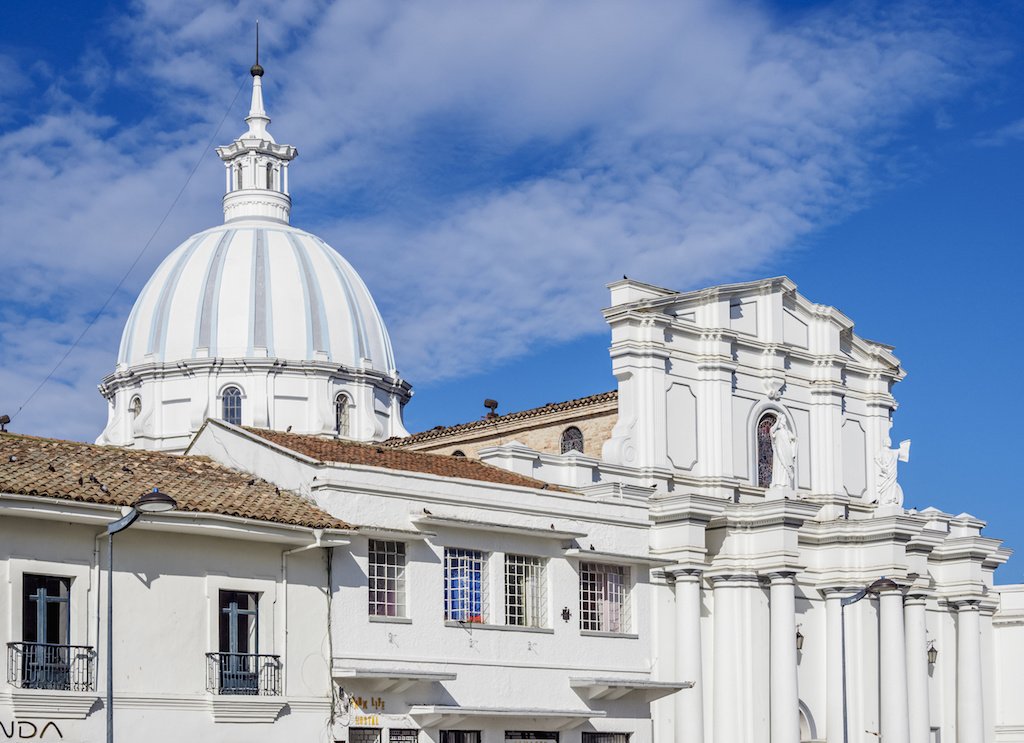
At the heart of Colombia’s Christian traditions, the city is brimming with churches and chapels: Belén, Ermita de San Francisco, El Carmen, la Encarnación and the Museum of Religious Arts. Spanish nobility and wealthy merchants helped build this city overlooking the Andes. It is considered a masterpiece of colonial architecture. In the evenings, locals gather in the squares. Parc Caldas in particular, sheltered by palm trees, offers a view of the Nuestra Señora Cathedral, the Palacio del Gobierno del Cauca and the Clock Tower, which has become a symbol of the city.
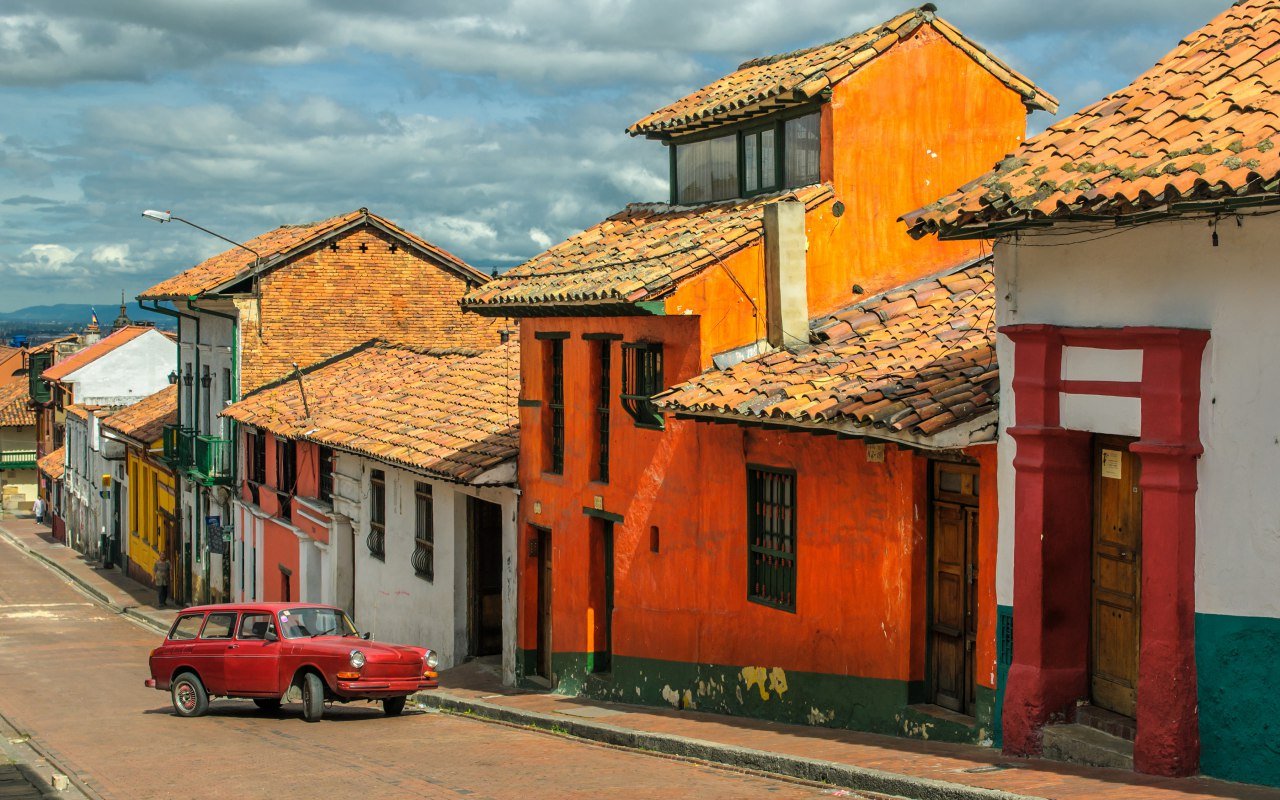
La Candelaria in Bogotá
Amid the roar of a capital as sprawling as Bogotá, the historic district of La Candelaria is a haven of peace. Colonial buildings undergoing renovation are gradually regaining their splendor. At the Chorro de Quevedo, the city’s oldest church overlooks the rooftops.
Street art lends a quirky charm to the facades of colonial buildings. Some say that Candelaria is like a box of chocolates: you never know what you’re going to find. Just push open the door of one of the houses and you’ll find yourself in patios that have been converted into art studios or restaurants. Long deserted by the wealthy classes who once populated it, the district is now enjoying a facelift. La Candelaria is Bogotá’s nerve center, where all social classes mingle.
Further reading: Film: Sergio Cabrera, La stratégie de l’escargot, 1993. A humorous film about the shared lifestyle of families living in the old colonial buildings of Candelaria, struggling to stay there.
Text by Eliott Brachet