The Coffee Route is a tourist itinerary through the Colombian Coffee Triangle, a mountainous region in the Andes where the country’s Arabica coffee production is concentrated.
The route offers an active discovery of the colonial villages, coffee plantations, valleys and natural sites that make up the Coffee Cultural Landscape, a UNESCO World Heritage Site.
The itinerary links the three producing departments – Caldas, Quindío and Risaralda – passing through unspoilt villages, traditional fincas open to visitors, and natural areas such as the Cocora Valley and Los Nevados Park. The itinerary can be adapted to suit different durations, from 4-5 days for the must-sees to 10 days for an in-depth exploration including less-frequented destinations.
What makes this route so special is the diversity of experiences on offer: participate in the coffee harvest on a family plantation in the morning, hike among giant wax palms in the afternoon, explore the alleys of a colonial village at the end of the day.

Must-see villages on the coffee route
Salento and the Cocora Valley
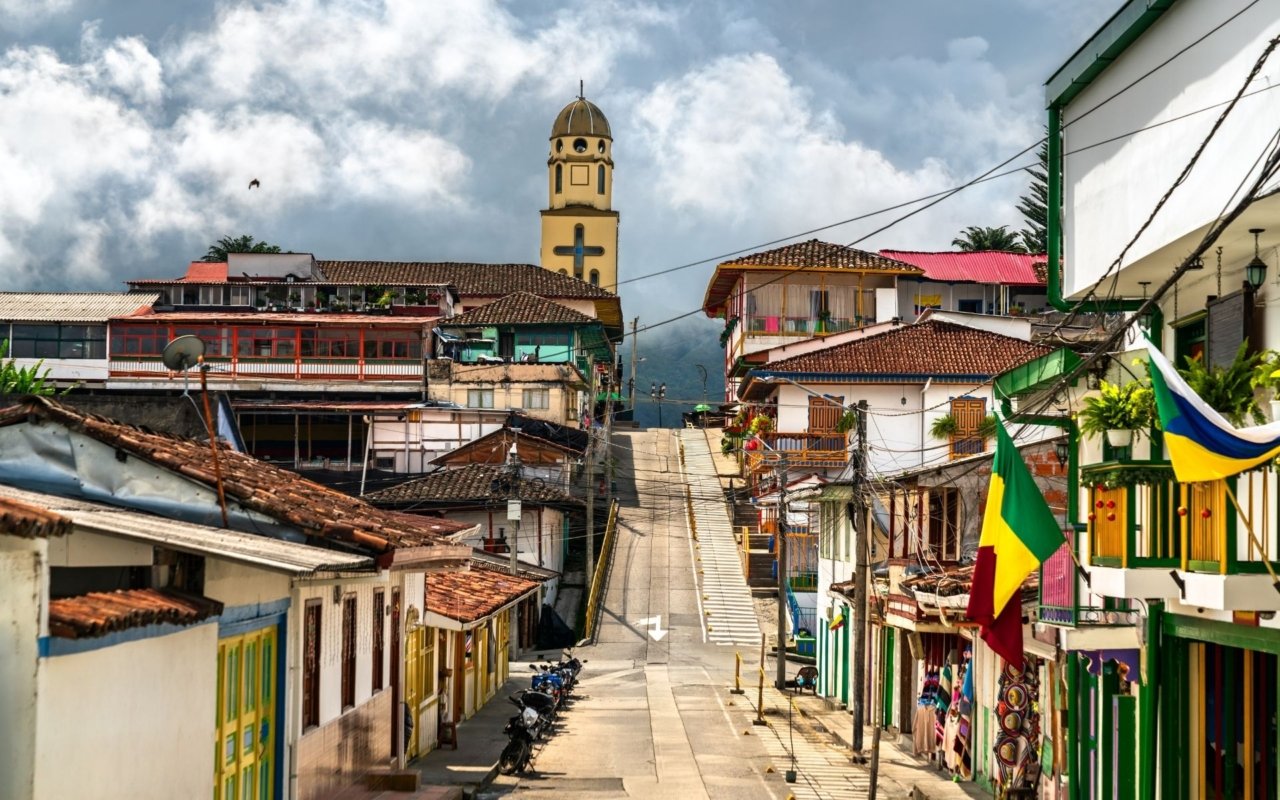
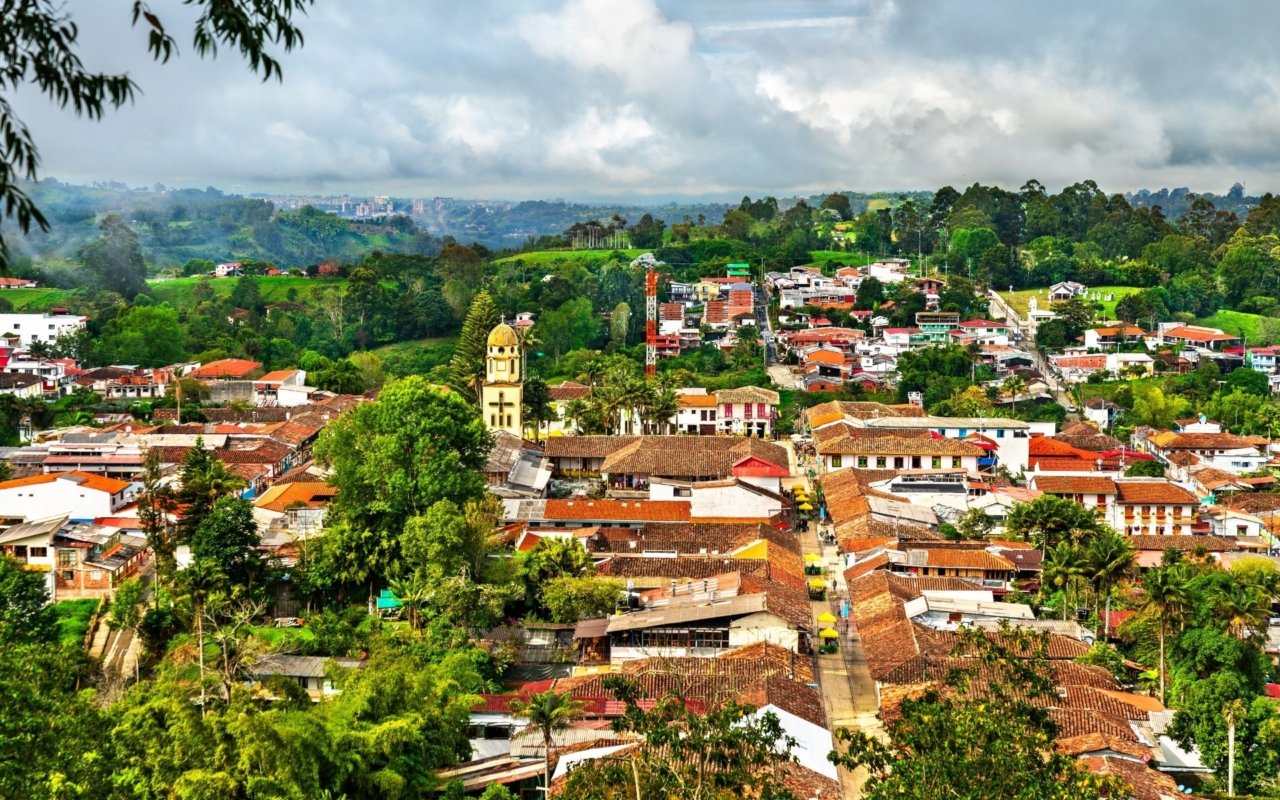
Salento is the most visited stop on the Coffee Route. This Quindío village with its colorful facades attracts travelers for its well-preserved colonial architecture and its proximity to the Cocora Valley. The main street, lined with craft stores and restaurants, climbs up to the mirador, from which you can see the Quindío valley and, on a clear day, the snow-capped peaks.
Salento’s architecture illustrates traditional paisa construction: houses in bahareque (wattle and daub on a bamboo structure), clay-tiled roofs, brightly painted wooden balconies. The central square, with its white church, remains the heart of social life, where locals and visitors meet at the end of the day.
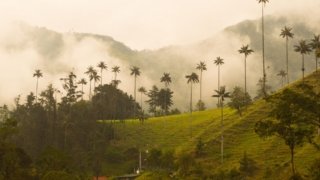
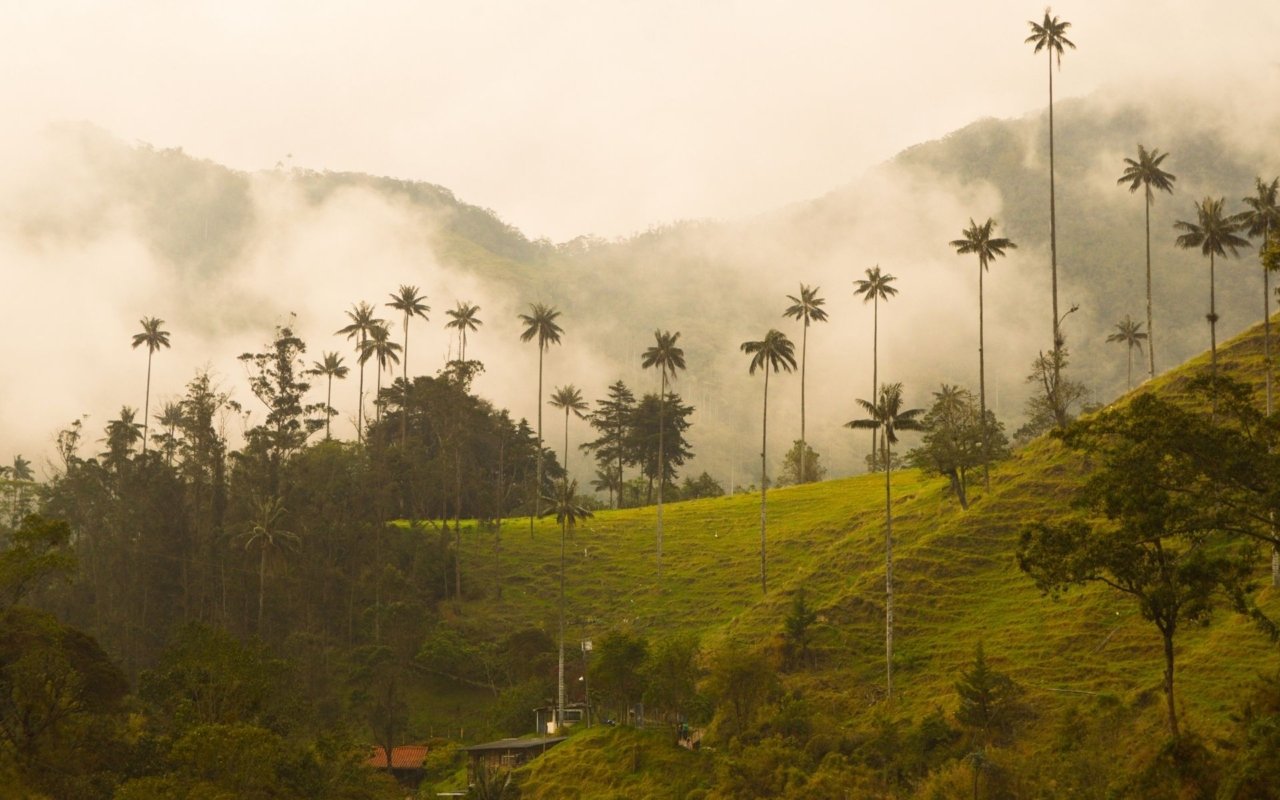
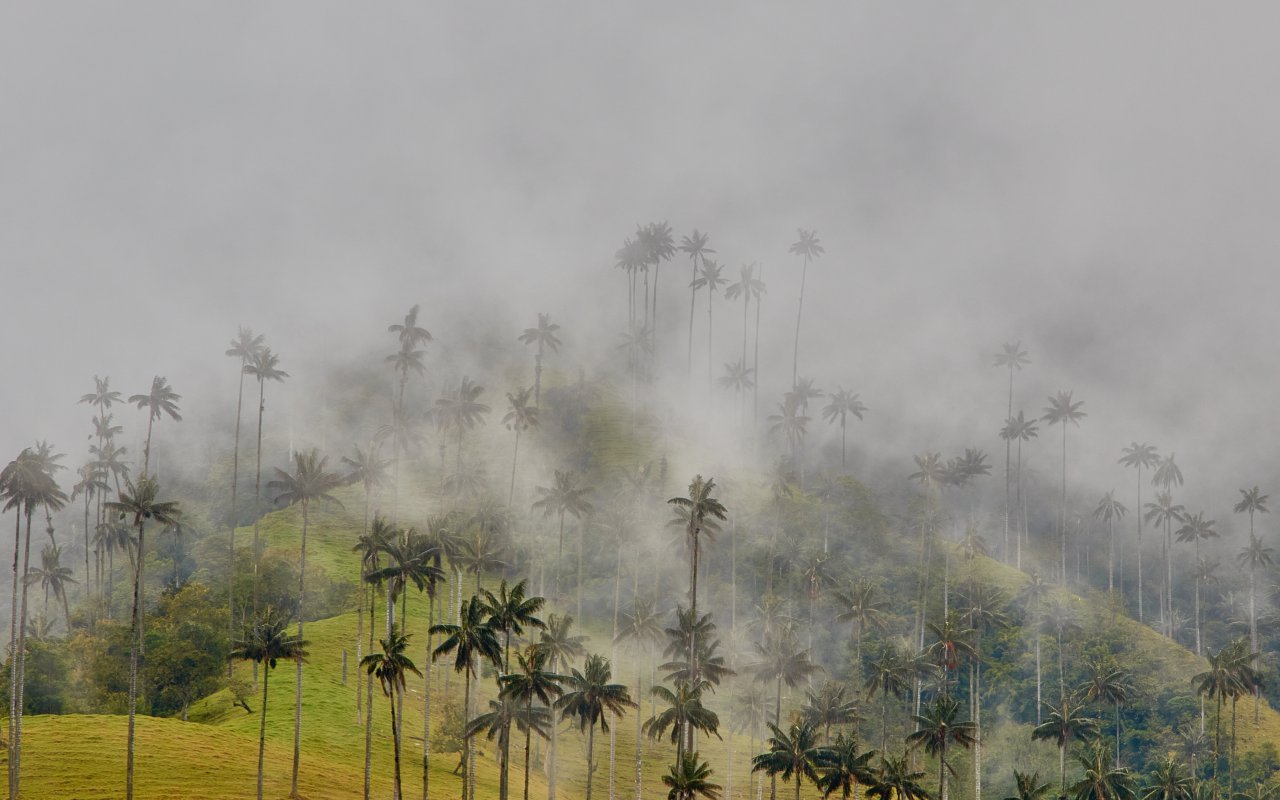
Just 11 kilometers from the village, the Cocora valley is home to Colombia’s national wax palms, which can reach heights of 60 metres. The main trail, about 12 kilometers round trip, first crosses an open area dotted with these giant palms before entering the cloud forest. The whole route takes 5-6 hours and climbs to an altitude of 2,800 metres. For those looking for a shorter walk, the short 2-hour circuit allows you to admire the palm trees without the forest section.
Access to the valley is traditionally by Willys, American jeeps converted into public transport. These vehicles leave from Salento’s main square every 30 minutes in the morning.
Practical note: Salento is very popular with tourists, especially at weekends and during Colombian vacations. To make the most of the Cocora Valley, leave early in the morning (before 8 a.m.) to avoid the crowds and observe the wildlife more easily.

Filandia, overlooking the Quindío
Located 26 kilometers from Salento, Filandia offers a quieter atmosphere while retaining the architectural charm of colonial villages. Perched at an altitude of 1,920 metres, the town owes its reputation to its mirador offering panoramic views of the coffee valley and surrounding mountains.
The village can be discovered on foot in just a few hours. The cobbled streets wind up and down between white houses embellished with colorful doors and windows. The Colina Iluminada viewpoint, a 15-minute climb from the central square, is the main attraction, with its observation tower overlooking the valley.
Local handicrafts, especially those made from fique (banana fiber), can be found in several stores in the center. The cafés set up around the square allow you to observe local life while tasting the coffee produced in the area.
Filandia serves as an interesting base for exploring the region while avoiding the hustle and bustle of Salento. The village boasts a number of charming accommodations and restaurants serving traditional paisa cuisine.
Pijao, rural authenticity
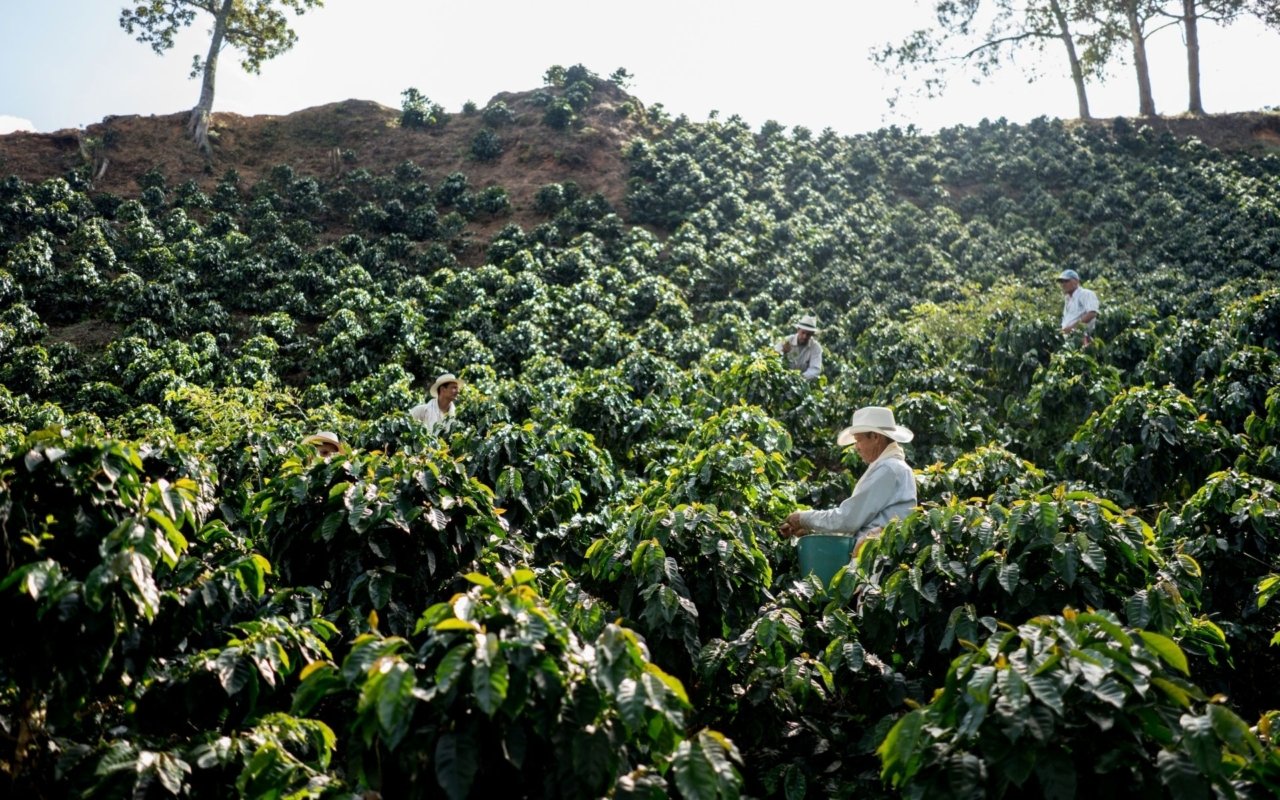
Pijao, a small Quindío village classified as a Pueblo Patrimonio, retains an authentic rural atmosphere far removed from tourist development. The 6,000 inhabitants live mainly from coffee growing and agriculture, perpetuating a traditional way of life.
The colonial architecture of the historic center is characterized by low-slung houses with white facades and carved wooden doors. The central square, shaded by tall trees, welcomes residents at the end of the day. On Sundays, the farmers’ market brings together local producers to sell fruit, vegetables and coffee.
Pijao’s surroundings offer rolling landscapes of coffee plantations, where several fincas welcome visitors for guided tours. The village also serves as a starting point for hikes in the surrounding hills, notably to the Cerro de las Tres Cruces overlooking the valley.
The absence of massive tourist development is Pijao’s main attraction for travellers seeking authenticity. Encounters with the locals, the tranquility of the streets and immersion in rural daily life compensate for the lack of tourist infrastructure.

Salamina, the colonial jewel of Caldas
Salamina is perhaps the most beautiful village in the coffee region. Classified as a National Monument in 1982 and a Pueblo Patrimonio, this village of 18,000 inhabitants in the department of Caldas has preserved an exceptional architectural heritage.
The main attraction is the carved wooden balconies adorning the houses in the historic center. These decorations, the legacy of master craftsman Eliseo Tangarife who developed this style in the 19th century, are what make Salamina so famous. Each balcony features unique motifs: geometric interlacing, floral figures and elaborate arabesques testify to the skills of local craftsmen.
The village is best explored by strolling along its cobbled streets, where colonial houses, churches and public buildings alternate. The cemetery, with its Baroque Gothic entrance gate built in 1901, is well worth a visit. The kiosk in the main square, an openwork wooden ornament, is another of the village’s architectural landmarks.
15 kilometers from Salamina, the village of San Félix provides access to the Samaria Valley, a wax palm forest less visited than Cocora. This alternative allows you to observe the giant palms in a setting untouched by mass tourism. The 3-hour trail crosses this forest at an altitude of over 3,000 meters.
Salamina is best visited in at least 2 days: one day for the village itself and a second for the Samaria Valley. Access from Manizales takes around 2 hours via a mountain road offering spectacular views of the Cordillera.
Traditional cafés: Salamina is home to centuries-old establishments such as El Polo, a family-run cafeteria where coffee is prepared using traditional methods in an antique percolator. These places embody the local coffee tradition and are well worth a visit.
Jardín, between tradition and modernity
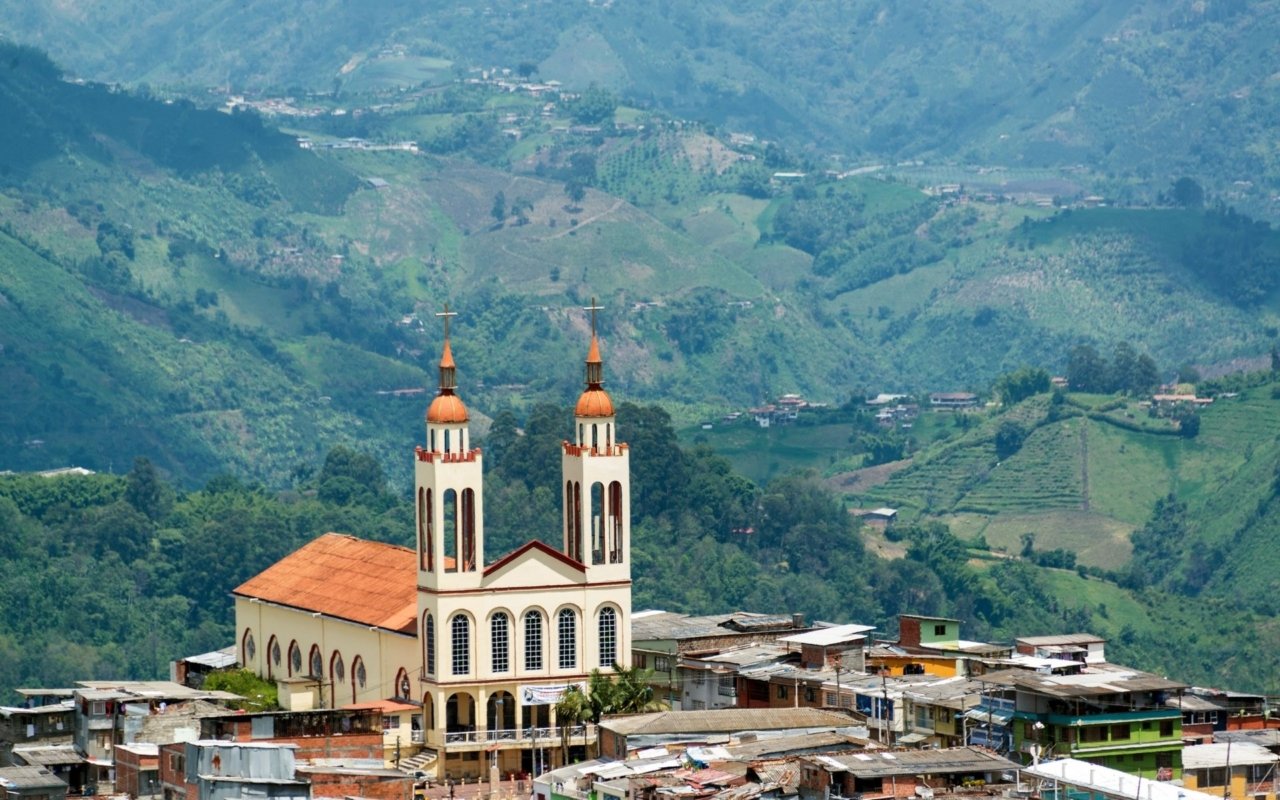
Jardín, located in the department of Antioquia on the edge of the coffee region, combines colonial heritage with a recent opening to tourism. The village, also classified as a Pueblo Patrimonio, boasts colorful facades and a central square considered one of the most beautiful in Colombia.
The cobbled streets of the historic center lead up to the mirador, accessible by cable car or a 500-step staircase. From the top, the view embraces the village and surrounding mountains. A statue of Christ dominates the panorama.
The area around Jardín offers many activities: hikes to waterfalls, a visit to the Esplendor cave (accessible after a 2-hour walk), birdwatching in private nature reserves, and coffee plantations.
Recent tourist development has transformed Jardín while preserving its authenticity. The village now boasts several comfortable accommodations and restaurants. The presence of foreign travelers remains moderate compared to Salento.
Manizales, gateway to the volcanoes
Manizales, capital of the Caldas department, stands out from the colonial villages for its urban character. Perched at an altitude of 2,150 metres, this city of 400,000 inhabitants is mainly used as a base for exploring Los Nevados National Park and the surrounding area.
The architecture of Manizales is the result of successive reconstructions after the fires of the early 20th century. The neo-Gothic cathedral, built in concrete and completed in 1939, dominates the city center. The Torre de Chipre, a metal observation structure, offers a panoramic view of the city and mountains.
Tourist attractions in Manizales include the cable car to the city’s heights, the lively university district, and the nearby thermal baths. The city also hosts the Feria de Manizales in January, a bullfighting and cultural festival attracting visitors from all over Colombia.
For travellers on the coffee route, Manizales is a convenient point of entry from Bogotá (8-hour bus or 1-hour flight) and a base for trekking in the Los Nevados Park. The town offers a wide range of hotels and restaurants serving local cuisine.
Immersion experiences in finca cafeteras
Visits to coffee plantations
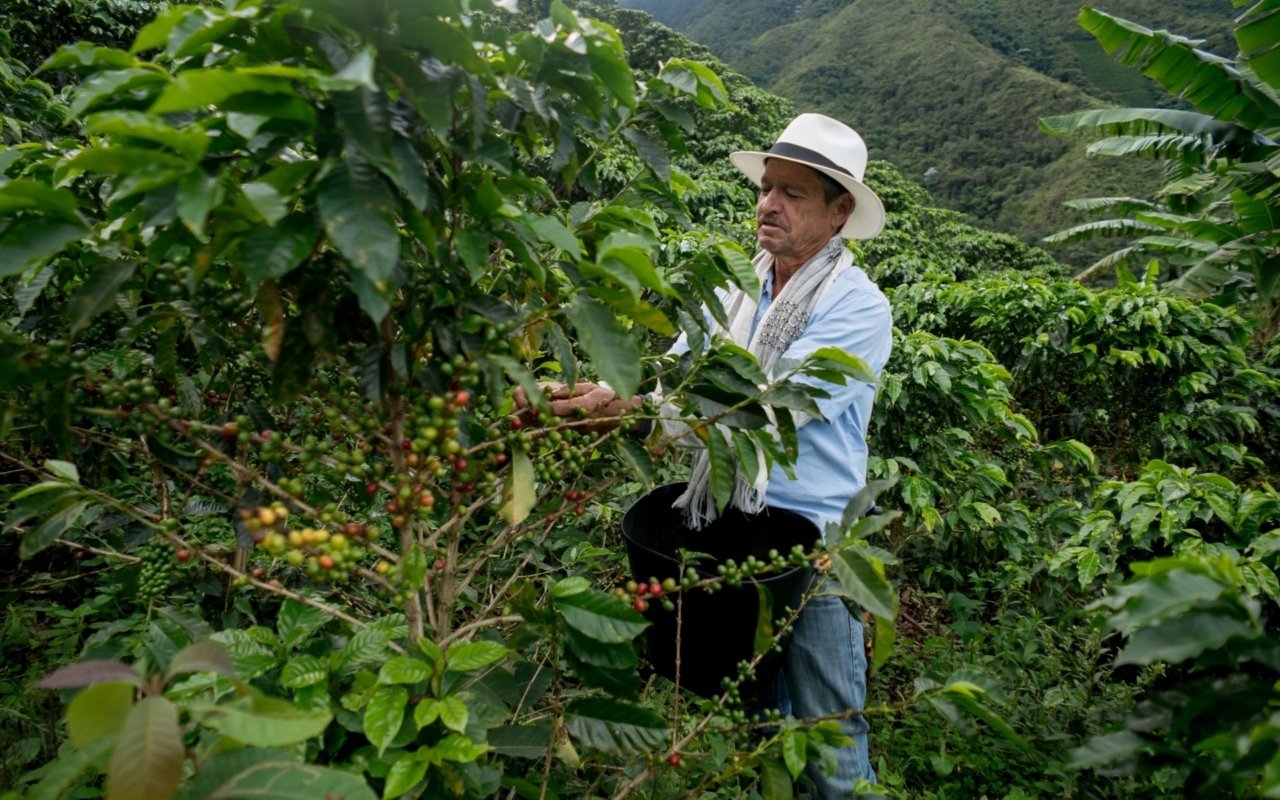
A visit to a finca cafetera is the central experience of the coffee route. Several plantations in the region open their doors for guided tours explaining the complete production process.
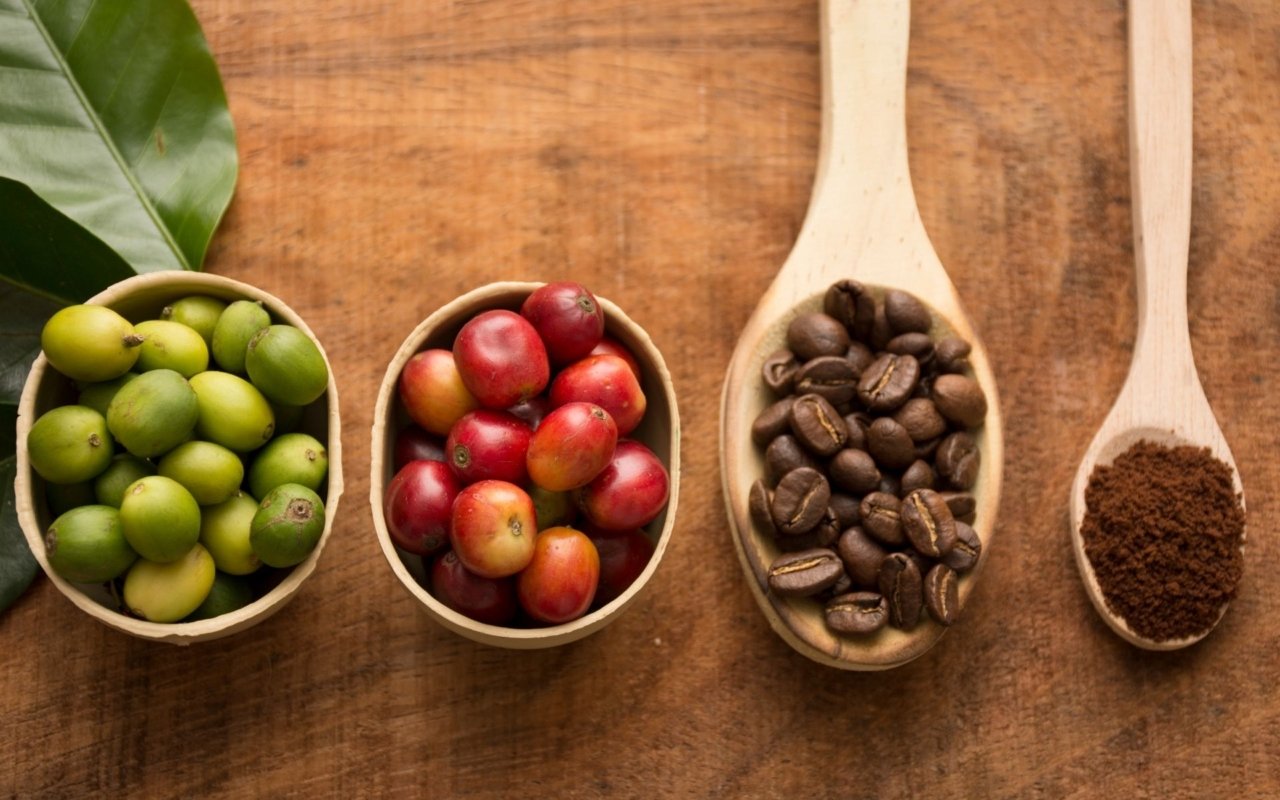
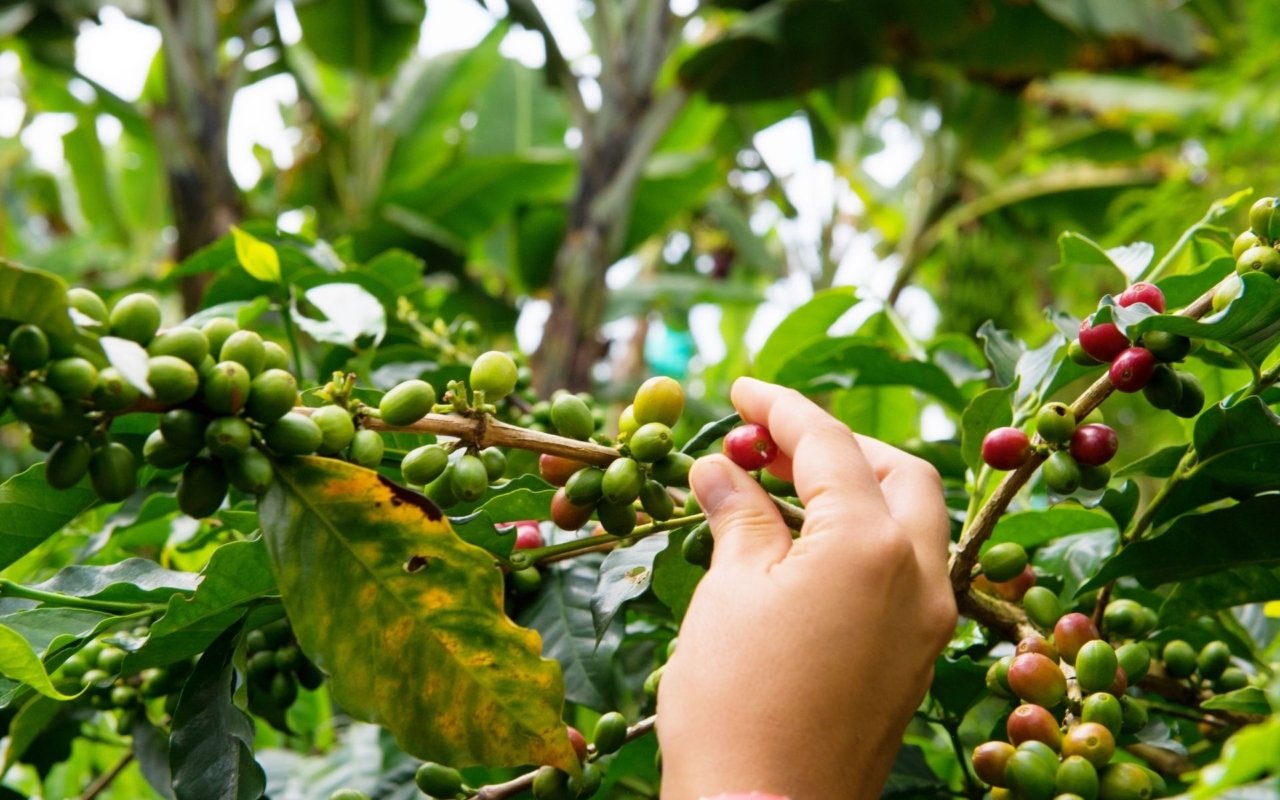
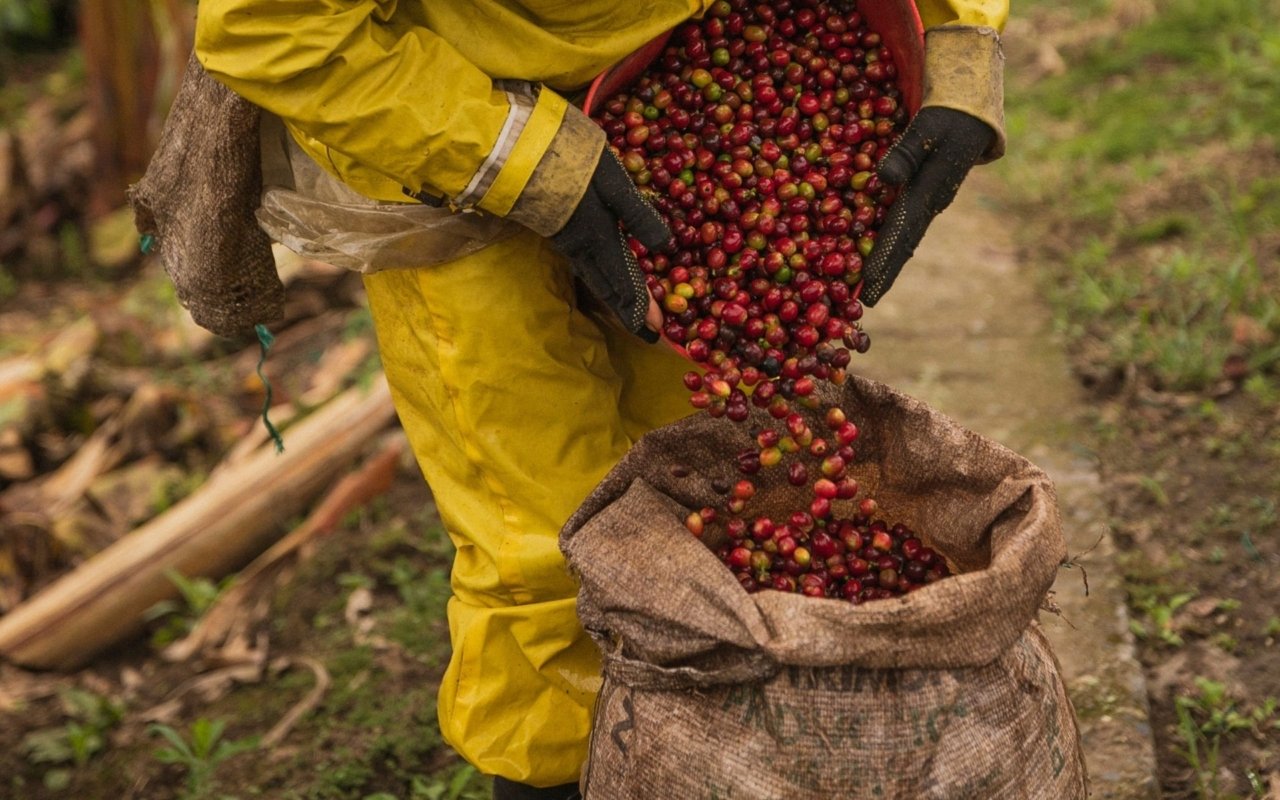
The typical tour begins in the coffee fields, where the guide explains the varieties grown (mainly Caturra and Castillo in Colombia), growing conditions and maintenance techniques. After the rains, the coffee trees bloom, producing small, fragrant white flowers. The coffee cherries then ripen for 8 to 9 months, turning from green to dark red.
Hand-picking, carried out only on ripe cherries, guarantees the quality of Colombian coffee. Visitors can take part in this stage during harvest periods (mainly October-November and April-May, depending on the area). This hands-on experience enables visitors to understand the demands of the work: an experienced picker harvests around 100 kilograms of cherries a day, yielding around 20 kilograms of green coffee after processing.
After harvesting, the cherries go through several stages: pulping to extract the beans, fermentation for 12 to 24 hours to eliminate the mucilage, washing, then drying in the sun on patios for 8 to 15 days, depending on weather conditions. Drying reduces the moisture content of the beans from 55% to 10-12%.
Visits usually include a final tasting to identify the different aromatic notes of the coffee. A guide explains the professional tasting method: observation of color, evaluation of aroma, tasting with a spoon, sucking in the liquid to distribute the flavors in the mouth.
Recommended fincas: several plantations in the region offer quality tours. Some specialize in specialty coffee (exceptional coffees scoring over 80 points), others in organic farming or traditional methods. Tours generally last 2-3 hours.

Stay in a traditional finca
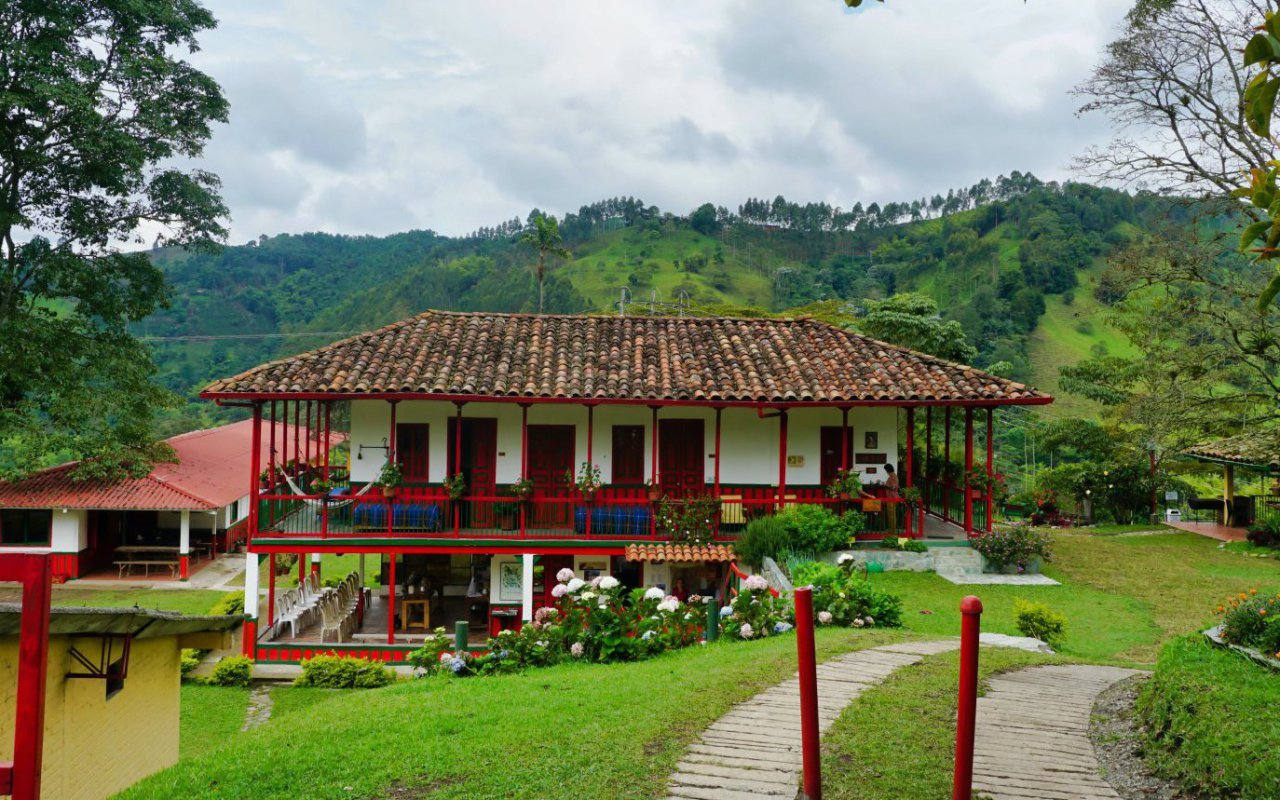
Several haciendas cafeteras offer accommodation that lets you live at the pace of the plantation. These immersive stays offer a different experience from simple guided tours.
These fincas retain their traditional architecture: large colonial mansions with central patios, covered corridors overlooking the gardens, rooms furnished with antiques. Some haciendas date back to the 19th century and have been restored while preserving their original features.
The typical stay includes participation in plantation activities, depending on the season: coffee harvesting, crop maintenance, preparation of panela (homemade sugar loaf) from sugar cane. Meals are prepared using the finca’s own produce, and provide an opportunity to discover the local gastronomy.
Evenings are spent on the terraces of the haciendas, watching the sun set over the surrounding mountains, listening to the sounds of the countryside and sharing conversations with owners passionate about their craft.
Artisanal coffee roasting process
Some fincas and specialized workshops offer roasting workshops to help you understand this crucial step in transforming green coffee into ready-to-eat coffee.
Roasting involves heating coffee beans to temperatures of between 180 and 240 degrees for 8 to 20 minutes, depending on the desired degree of roast. This process triggers complex chemical reactions that develop the coffee’s characteristic aromas.
There are three main roasting degrees: light (blonde), medium and dark. Light roasting preserves the coffee’s original aromas, medium roasting balances acidity and body, and dark roasting develops caramelized and chocolate notes while reducing caffeine and acidity.
The workshops allow participants to roast their own coffee in small batches, observing changes in color and aroma as the process unfolds. Participants usually leave with their own personal production.
Tastings of exceptional coffees
In addition to the tastings included in standard tours, some establishments offer cata (professional tasting) sessions featuring different specialty coffees from the region.
These tastings follow the protocol of the Specialty Coffee Association (SCA): standardized preparation, evaluation of multiple criteria (aroma, flavor, aftertaste, acidity, body, balance, uniformity), scoring on a 100-point scale. Coffees scoring above 80 points qualify as “specialty coffee”.
The coffee region produces several recognized terroirs with distinct aromatic profiles. Coffees from Caldas often display citrus and red fruit notes, those from Quindío develop balanced acidity with hints of caramel, while those from Risaralda offer a fuller body.
These tastings help you to understand why Colombian coffee enjoys international recognition, and to identify the characteristics of a quality coffee.


Activities and discoveries not to be missed on the coffee route
Some ideas for itineraries in Colombia along the coffee route
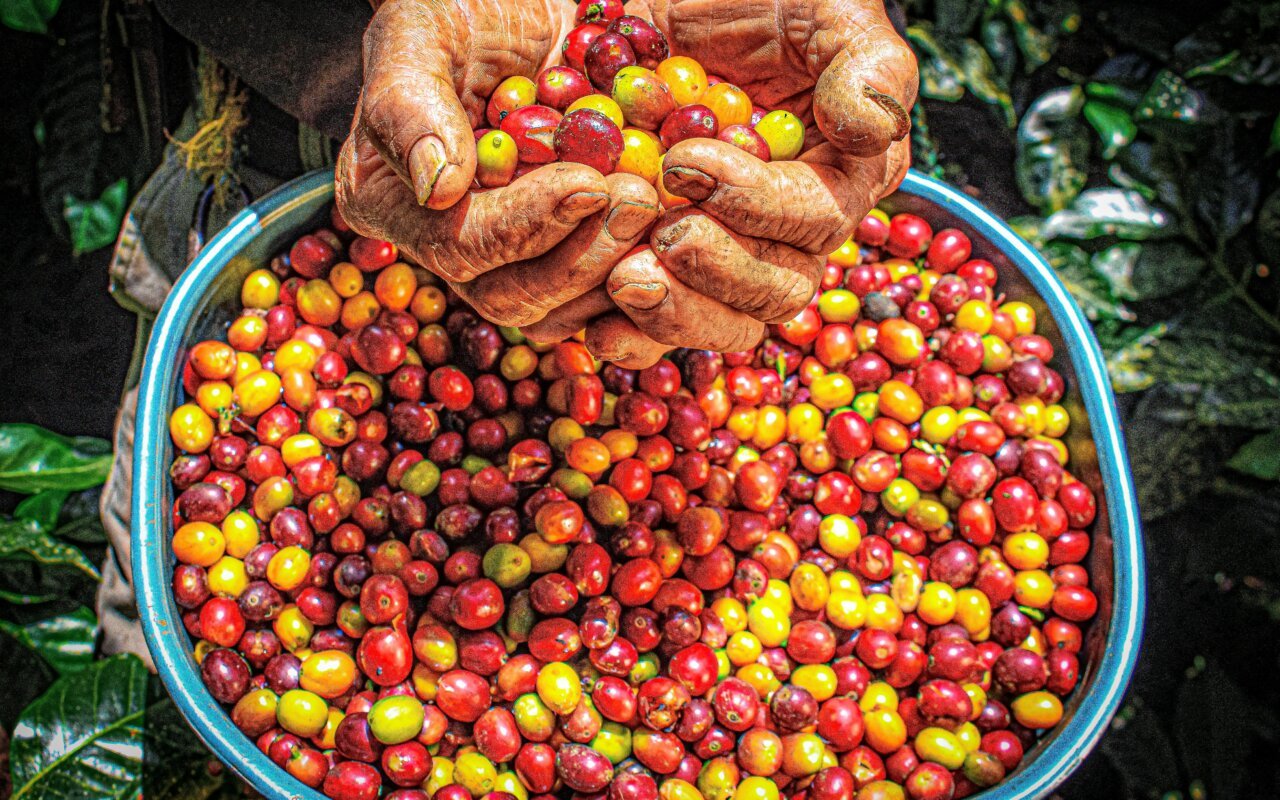
Andean and colonial Colombia : on the gold and coffee route
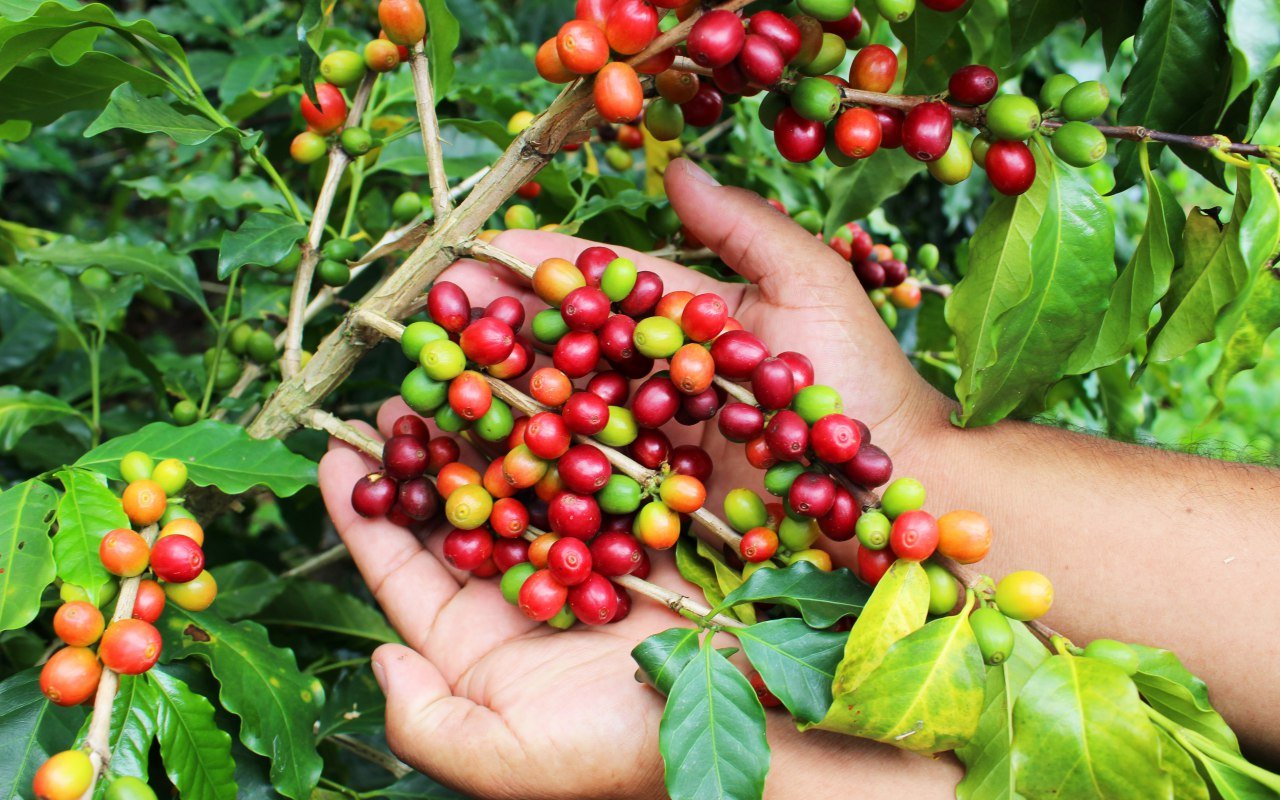
Family tour in Colombia: Coffee & Caribbean
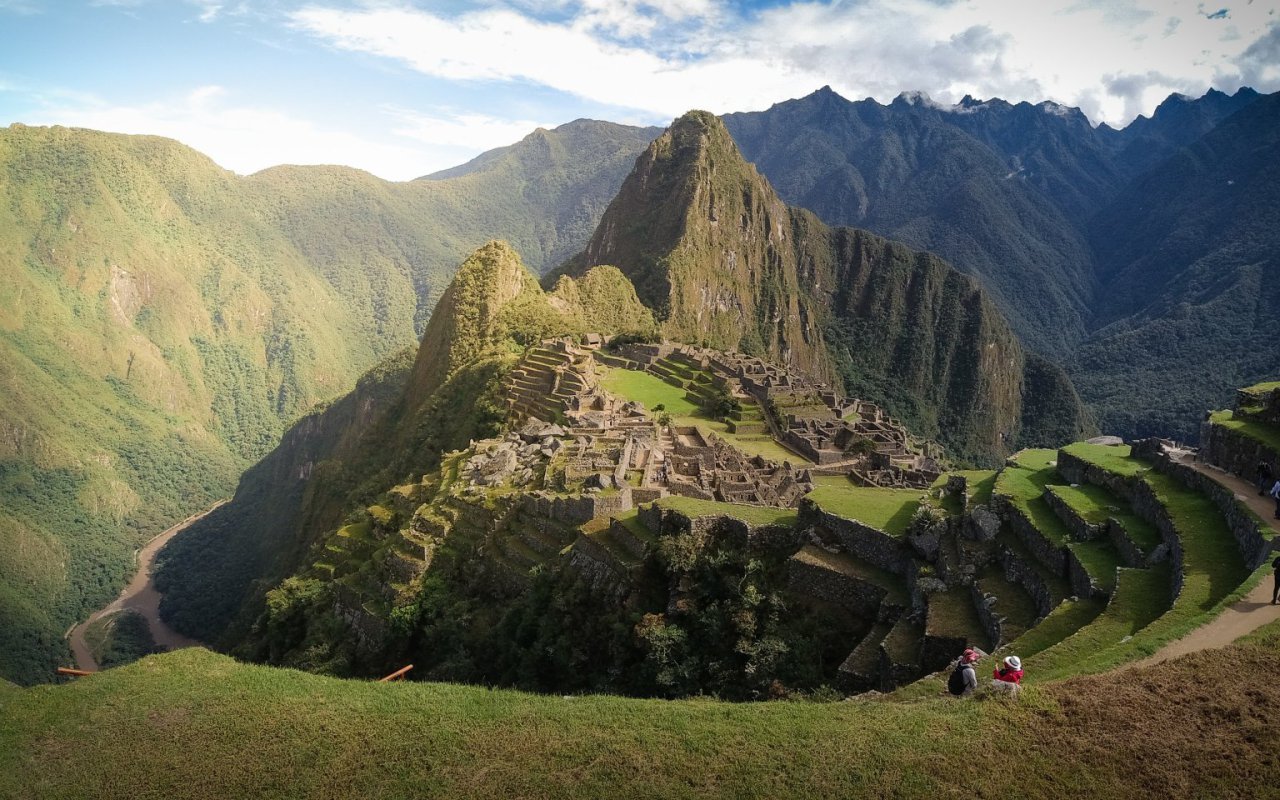
Peru and Colombia tour : the coffee and cocoa route

Travel in Colombia : tour of the Andes
Cocora Valley and wax palms
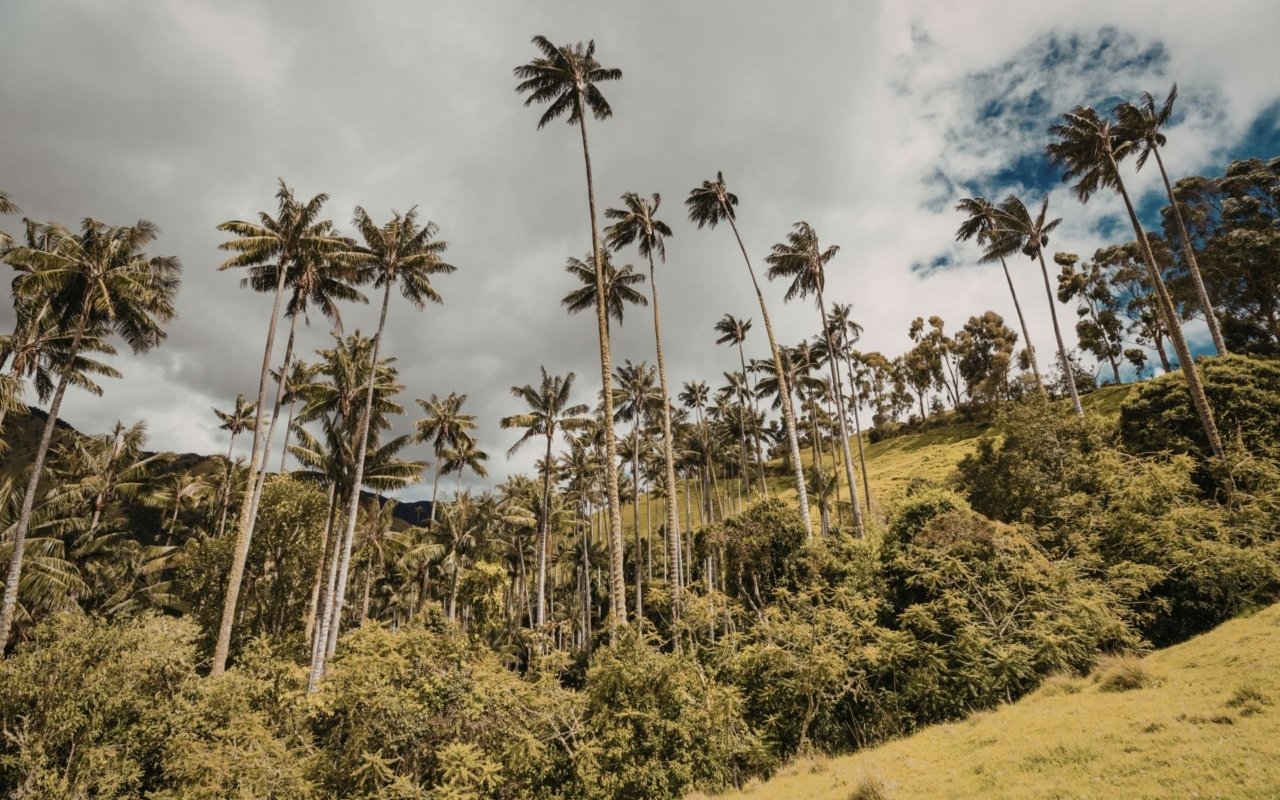
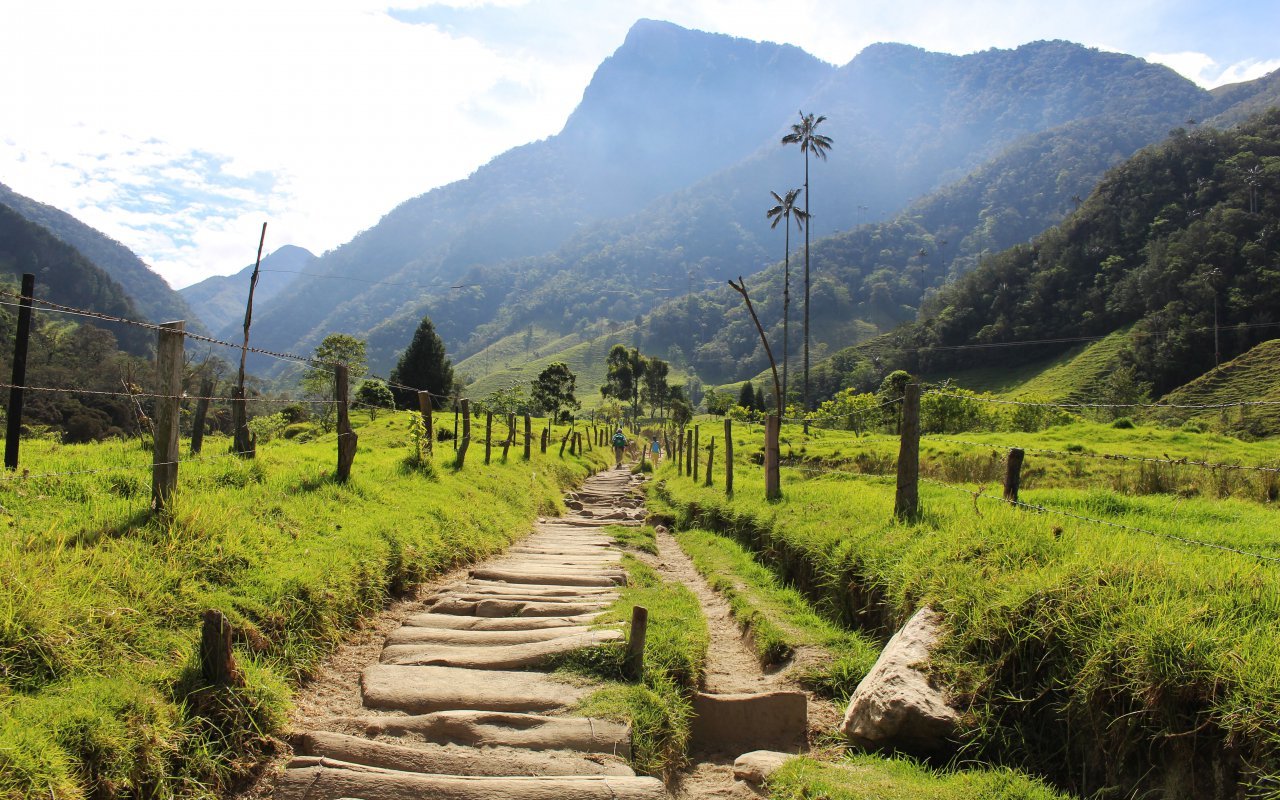
The Cocora Valley, accessible from Salento, is the most photographed landscape in the region. Dozens of wax palms (Ceroxylon quindiuense) dot the lush green hills, creating a spectacular backdrop where trees up to 60 meters tall stand out against the mountains.
The main 12-kilometre trail forms a loop, allowing visitors to admire the palms from different angles. The route, which is accessible to anyone in reasonable physical condition, climbs gradually to an altitude of 2,800 metres. The first part crosses the open area where the most impressive palm trees grow. The trail then enters the cloud forest, a humid ecosystem populated by trees covered with mosses, bromeliads and orchids. Several suspension bridges cross the torrents that flow through the forest.
Wax palms grow naturally at altitudes of between 2,000 and 3,000 metres in specific regions of the Colombian Andes. The species, threatened by deforestation, is the subject of conservation programs. The Cocora valley is home to one of the largest populations of these trees.
Horseback riding: for those who don’t want to walk, horseback rides lasting around 3 hours take you through the valley to panoramic viewpoints. This option is particularly suited to those less accustomed to altitude or looking for a different experience.


Samaria Valley, an alternative near Salamina
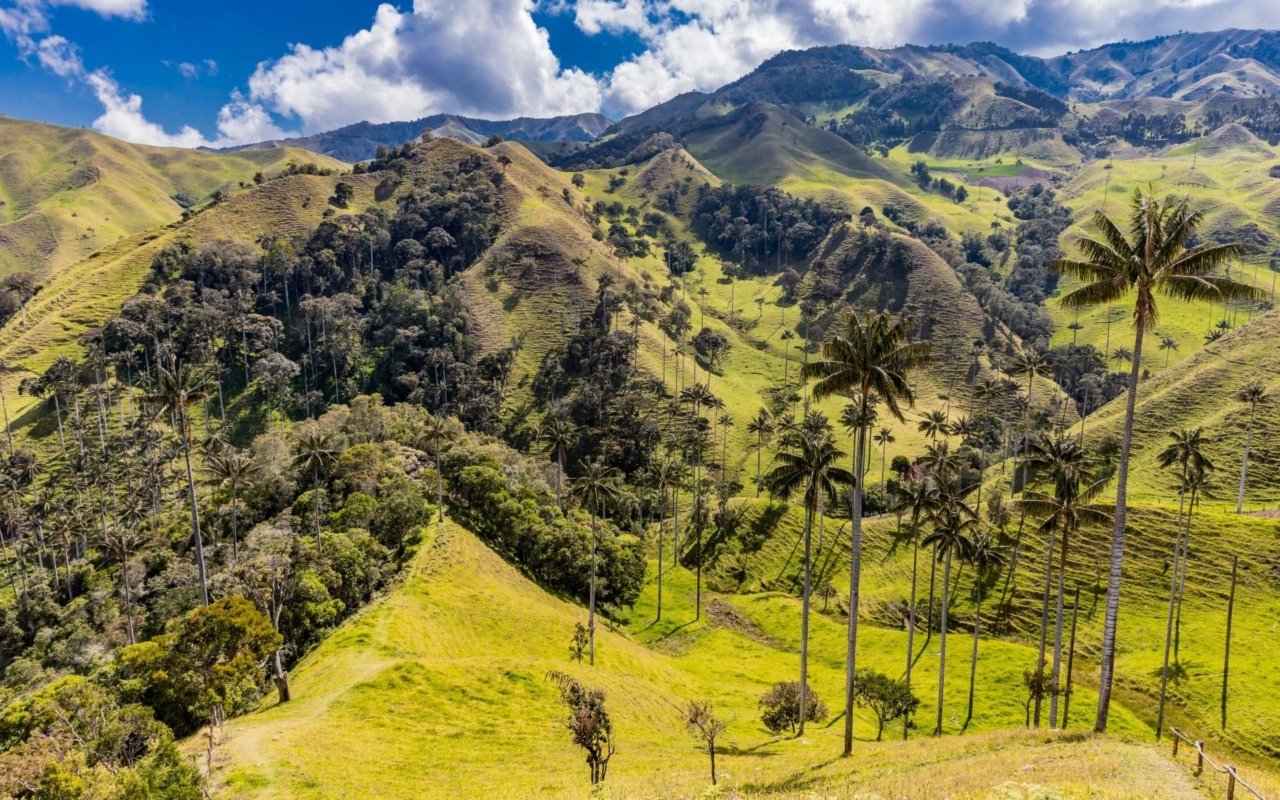
The Samaria Valley, located 15 kilometers from Salamina, offers an alternative to Cocora for observing wax palms in a setting untouched by mass tourism. This natural forest at an altitude of over 3,000 metres boasts some of the oldest palm trees in Colombia, some over 200 years old.
The 3-hour trail passes through this primary forest, where the density of giant palm trees is impressive. The absence of tourist development guarantees a tranquil setting, making it easier to observe the fauna, notably the yellow-eared parrot (Ognorhynchus icterotis), a threatened endemic bird that nests in the hollow trunks of dead palm trees.
Access to the Samaria Valley is via the village of San Felix, a 30-minute drive from Salamina. A modest entrance fee finances the conservation of the forest, which is managed by the local community.
This destination is ideal for travelers looking for a more confidential experience, willing to stray from the usual itineraries to discover an exceptional natural site.
Los Nevados National Park and high-altitude trekking
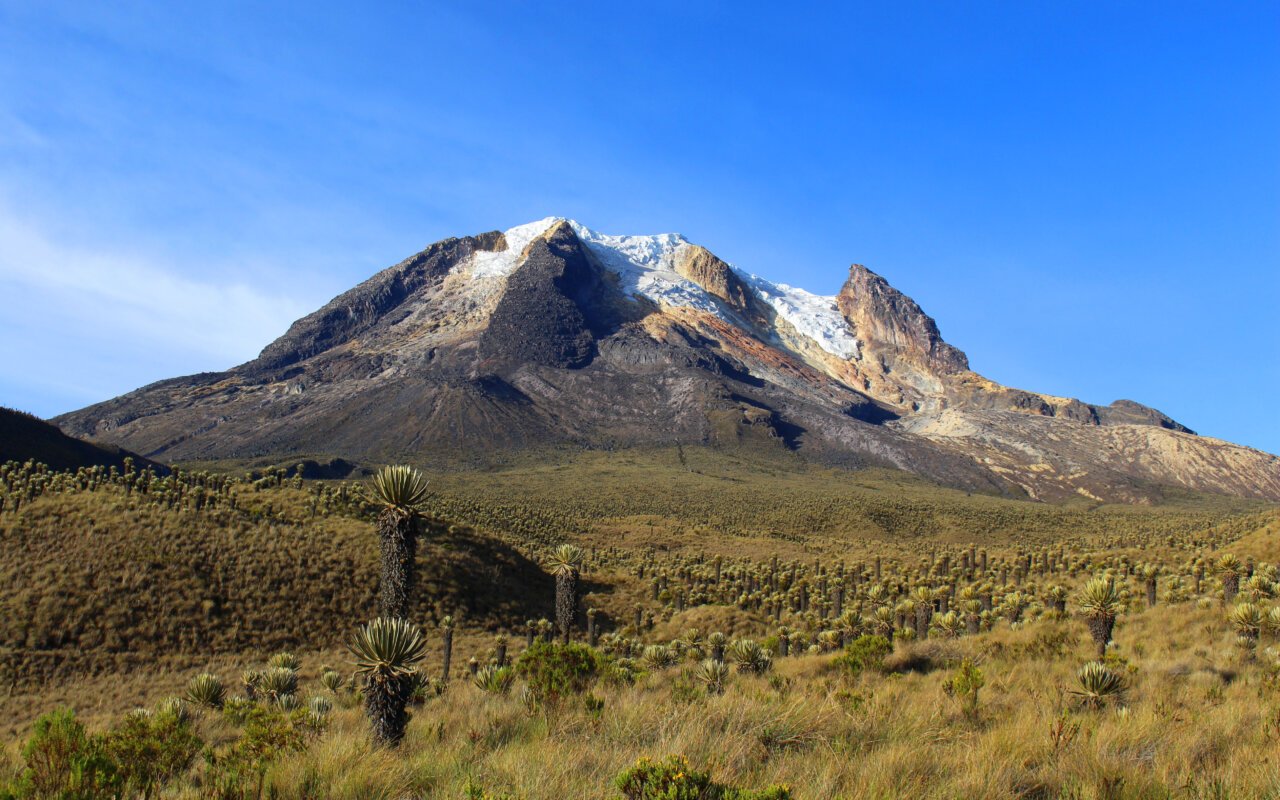
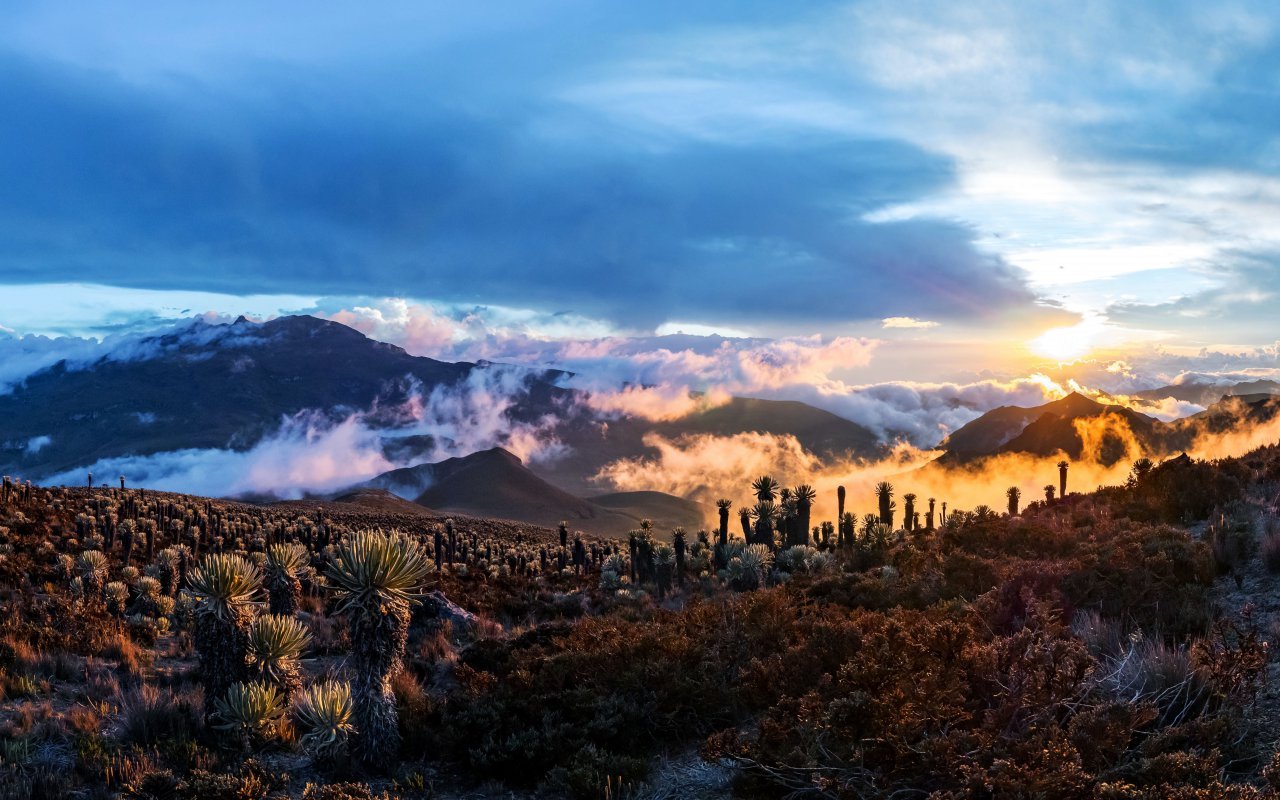
Los Nevados National Park offers spectacular high-mountain scenery, with its snow-capped volcanoes, high-altitude lagoons and páramo ecosystem. Access to the park is mainly from Manizales.
There are several tour options to suit the level and ambitions of visitors. Trekking to the Nevado del Ruiz, an active volcano rising to 5,321 metres, is not currently permitted due to volcanic activity. However, treks to Nevado del Tolima (5,215 metres) and Nevado de Santa Isabel (4,950 metres) are still possible with certified guides.
The ascent of Nevado de Santa Isabel, a 2-day trek, is the most accessible option for reaching a tropical glacier. The first day is a gradual climb through the páramo to the refuge at 4,700 metres. The second day, departure before dawn to reach the summit and its glacier before weather conditions deteriorate. This expedition requires good physical condition and prior acclimatization to the altitude.
Shorter treks allow you to discover the park without reaching the summits: visit the El Otún lagoon, trek into the Frailejones valley where the characteristic plants of the páramo grow, observe the fauna (condors, páramo deer, wild rabbits).
Preparation: high-altitude treks require appropriate equipment (warm clothing, mountain boots, sun protection) and gradual acclimatization. Spending a few days in the coffee-growing region (1,800-2,000 metres) before undertaking an ascent reduces the risks associated with altitude.
Santa Rosa de Cabal thermal baths
The Santa Rosa de Cabal thermal baths, located 45 minutes from Pereira, offer a moment of relaxation in a spectacular natural setting. These natural thermal springs, fed by underground volcanic activity, keep the water at a constant temperature of around 40 degrees.
The spa complex features several terraced pools, offering a choice of different water temperatures. The main attraction is the 30-metre-high cold-water cascade, where visitors can position themselves for a natural, invigorating massage.
The spa welcomes locals and tourists alike, especially at weekends. To get the most out of the place, it’s best to visit on weekdays or early in the morning.
A 2-hour hiking trail leads to wilder thermal springs further upstream, an interesting option for those seeking a more natural setting.
Birdwatching
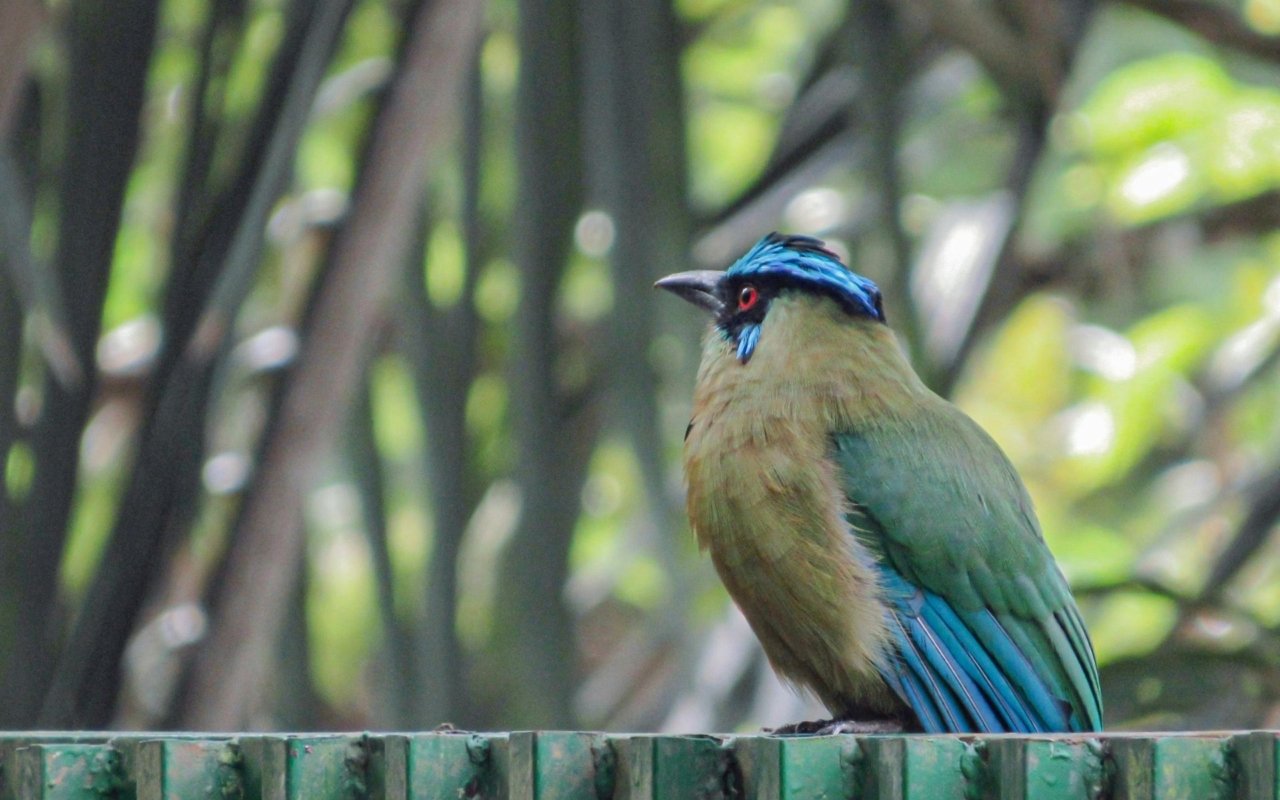
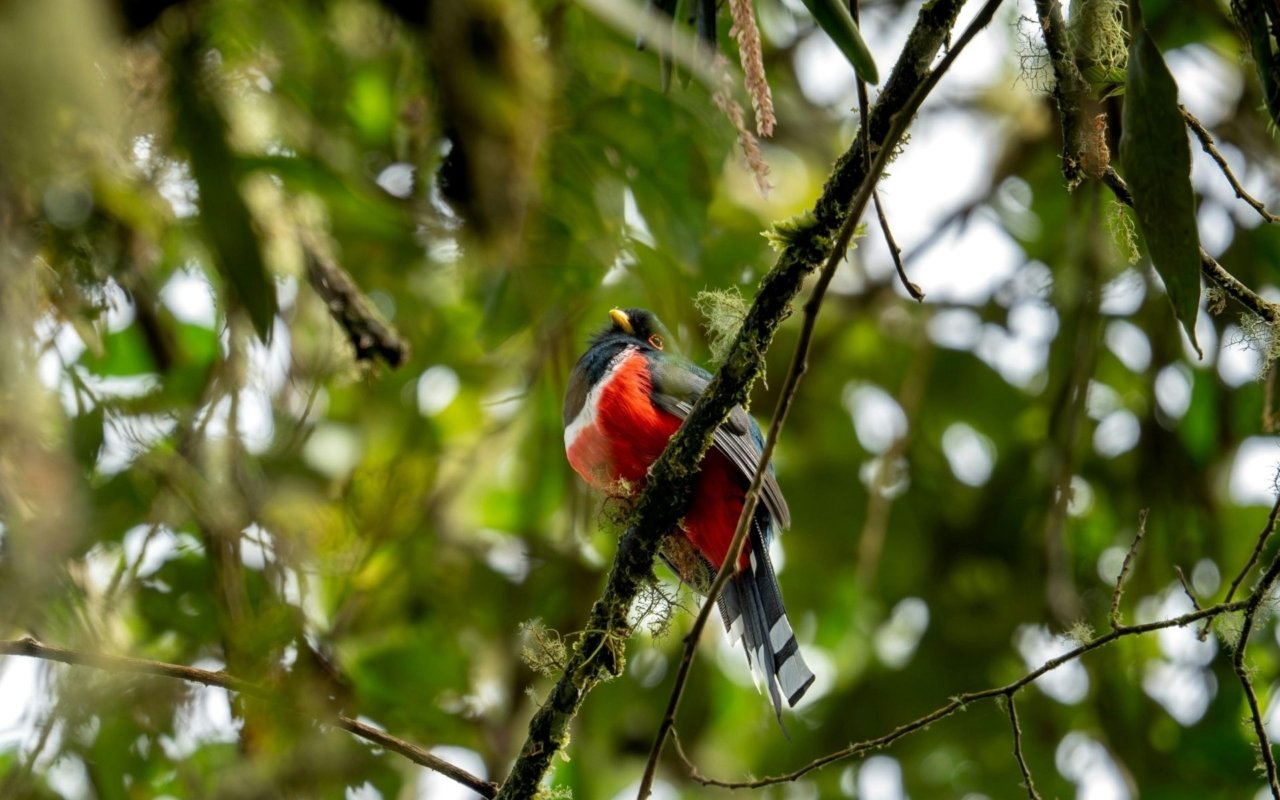
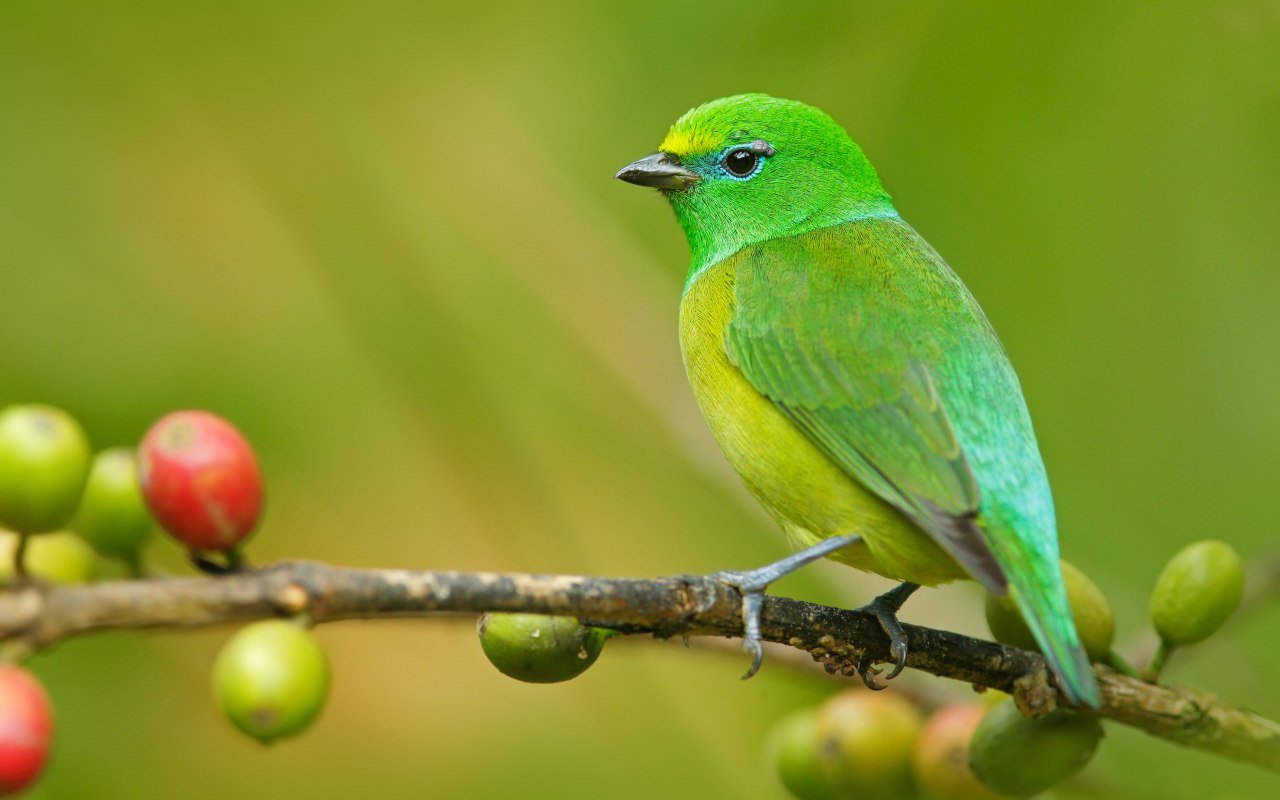
The coffee region is home to over 500 species of birds, attracting both amateur and professional ornithologists. Several private nature reserves and fincas have specialized in birdwatching, setting up trails and observation posts.
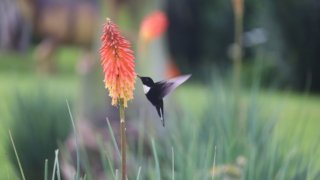
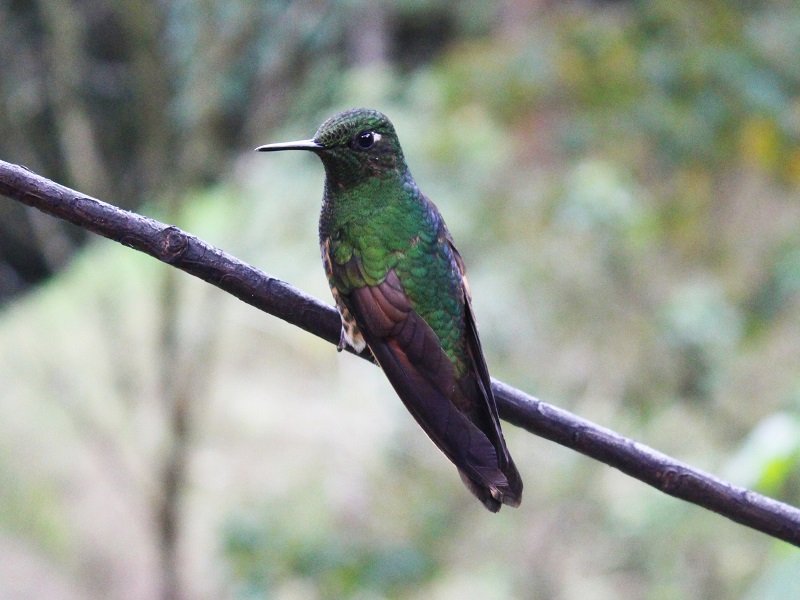
Emblematic species include the toucan, present in several varieties recognizable by their large, colorful beaks, the quetzal oreillard with its iridescent green feathers, and dozens of species of shimmering hummingbirds. The tangara, a small, brightly-colored bird, frequents the gardens and feeders set up in the reserves.
Birdwatching outings take place early in the morning, when the birds are most active. An ornithologist guide identifies species by song and behavior, facilitating observation and photography. Binoculars are essential for observing birds in the trees.
Some private nature reserves offer accommodation that allows you to devote several days to birdwatching in areas of primary forest that are particularly rich in biodiversity.
Paisas culture and traditions

Willys tour
Willys, American jeeps produced in the 1940s and converted to public transport, are a symbol of the coffee region. These sturdy vehicles travel the mountain roads and trails, carrying goods and passengers to remote villages and fincas.
The Willys tour is an integral part of the coffee route experience. These traditional jeeps, often brightly painted and decorated, accommodate up to 15 passengers between the interior and the fitted roof. The route to the Cocora Valley from Salento is the most popular with visitors.
Some agencies offer special Willys tours through coffee plantations and mountain villages, providing access to areas that are difficult to reach by normal car. These half- or full-day excursions combine traditional transport with the discovery of rural landscapes.
Visit a trapiche
A trapiche is the traditional mill used to extract the juice from sugar cane to produce panela, the unrefined sugar loaf consumed daily in Colombia. Several trapiches in the region open their doors to visitors to demonstrate this artisanal process.
The tour begins in the sugarcane fields, where the stalks are cut with a machete. The cane then passes through the mill, traditionally powered by an ox or horse walking in a circle, although some trapiches now use motors. The extracted juice is filtered, then heated in large pots for several hours until thickened. The concentrated liquid is then poured into wooden molds, where it hardens to form the panela.
Visitors can taste the fresh cane juice (guarapo) and observe the complete transformation. Some trapiches also offer to prepare local specialities such as agua de panela (a hot drink made from panela) or melcochas (sweets made from panela).
Colonial architecture and woodworking
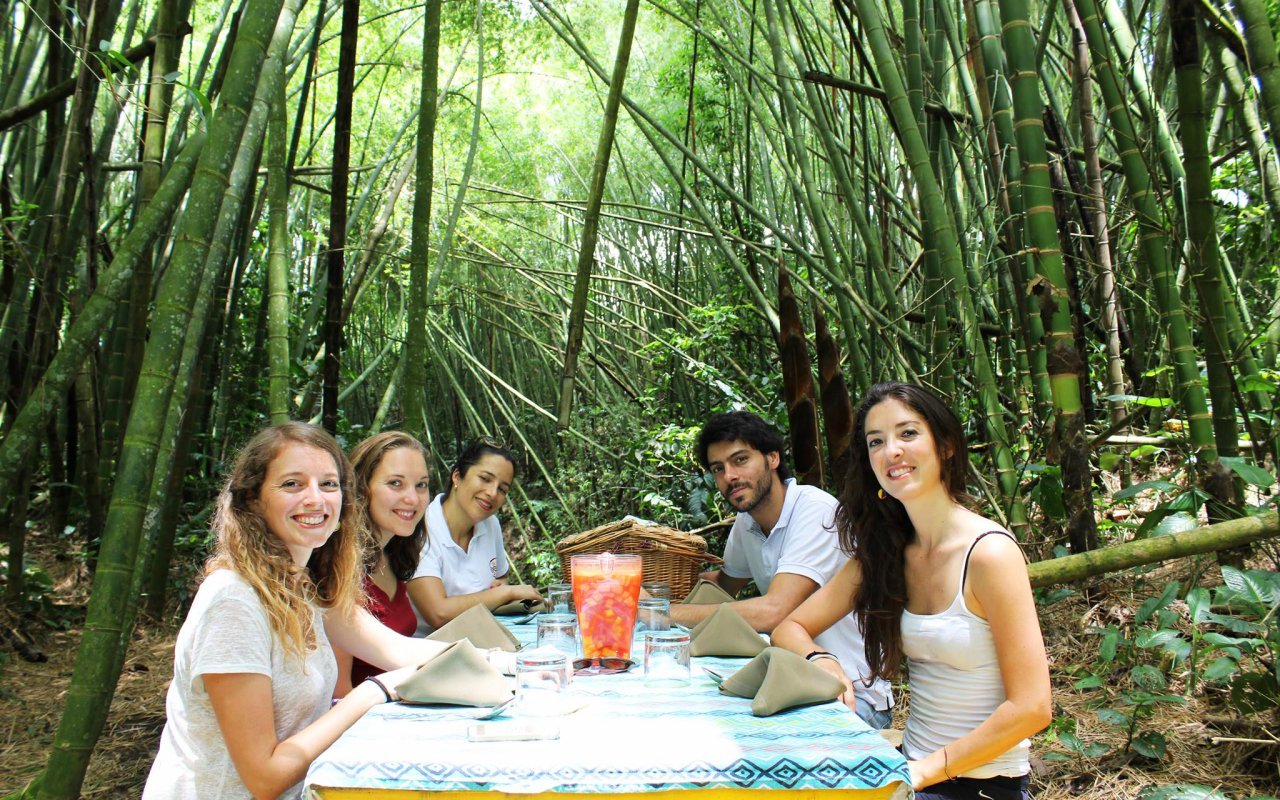
The architecture of the coffee region is characterized by bahareque construction, a technique using a bamboo guadua lattice covered with cob. This method, adapted to the area’s climatic and seismic conditions, enables the construction of light, resistant houses.
Woodworking is a distinctive feature of this architecture. Balconies, doors and windows feature carvings and decorations that bear witness to the craftsmanship handed down from generation to generation. In Salamina in particular, the legacy of master craftsman Eliseo Tangarife is evident in the intricate patterns adorning the facades.
Guadua, the region’s giant bamboo, is used not only for construction, but also for furniture, handicrafts and musical instruments. Some workshops offer demonstrations of guadua work and sell local creations.
Heritage villages such as Salamina, Pijao and Filandia have strict regulations in place to preserve this traditional architecture, obliging owners to maintain facades in their original style during renovations.
Gastronomy of the coffee region
The region’s gastronomy reflects the paisa traditions, with generous dishes based on local produce. Bandeja paisa, the region’s signature dish, combines rice, red beans, grilled meat, chorizo, egg, avocado, arepa and fried plantain. This hearty dish, served on a large platter (bandeja), is the traditional meal of farm workers.
Trout, raised in mountain rivers, is prepared grilled or fried and accompanied by patacones (fried slices of green plantain). Arepas, corn cakes eaten at every meal, come in several varieties: arepa de choclo (soft corn), arepa de queso (with cheese), arepa blanca plain.
Sancocho, a stew prepared with several types of meat, tubers and vegetables, is particularly popular with families on Sundays. The long preparation time and abundance of ingredients make it a dish for celebration.
Artisanal cheeses from the region, notably queso fresco and quesillo, accompany meals or are eaten with panela. Tropical fruits abound: lulo (naranjilla), granadilla, guanabana, tomate de árbol, all used to prepare natural juices.
Coffee, of course, is consumed throughout the day in a variety of forms: tinto (black coffee served in a small cup), café con leche, or perico (elongated coffee with milk).

Practical information
Best time to visit the Coffee Region
Thanks to its temperate climate, the coffee region can be visited all year round. However, certain periods offer advantages:
December to March: the driest season with the least rainfall. Pleasant temperatures and often clear skies for admiring snow-capped volcanoes. Busiest tourist season, particularly during the end-of-year vacations and Easter.
July-August: second dry period, less busy than December-March. Good conditions for hiking and outdoor activities.
October-November: main coffee harvest season. Green landscapes and red cherries on the coffee trees. Possibility of participating in the harvest in some fincas. Precipitation more frequent but generally in the form of short showers.
April-June and September: in-between periods with more rain but fewer tourists and often lower accommodation rates.
Recommended length of stay on the Coffee Route
4-5 days: itinerary to discover the must-sees (Salento, Cocora Valley, visit to a finca, a second village like Filandia).
7 days: ideal length for exploring several villages, including Salamina and the Samaria Valley, devoting time to hiking and staying at a finca.
10 days or more: in-depth exploration including less-frequented destinations (Jardín, Caldas villages), trekking in Los Nevados Park, and the possibility of taking part in farming activities at a finca.
Accommodation options on the coffee route
Charming fincas cafeteras
Hacienda cafeteras transformed into quality accommodations offer the most immersive experience. These establishments combine restored traditional architecture, modern comforts and immersion in plantation life.
The upscale fincas offer spacious rooms furnished with antiques, private bathrooms, swimming pools overlooking the plantations, and gourmet restaurants using products from the property. The owners, often passionate about their craft, share their knowledge of coffee and organize personalized activities for their guests.
Some haciendas specialize in specialty coffee, producing exceptional batches sold to the world’s top roasters. Staying at one of these establishments gives you an insight into the excellence of Colombian coffee, and a chance to taste coffees that are rarely available to the general public.
Location: fincas are generally located 10-30 minutes from the main villages, offering peace and quiet and immersion in nature, with easy access to the region’s attractions.
Boutique hotels in the villages
Heritage villages are home to a number of boutique hotels set in restored colonial mansions. These establishments preserve the original architecture (colorful facades, interior patios, wooden balconies) while offering modern comforts.
These hotels, generally small (5 to 15 rooms), offer personalized service and an intimate atmosphere. Their central location makes it easy to explore the villages on foot and immerse yourself in local life.
Salento has the largest selection of boutique accommodations, although prices are generally higher than elsewhere. Filandia and Salamina offer quality alternatives in a more tranquil setting.
Organize your coffee route with Terra Colombia
The coffee route lends itself to many different forms of travel, from autonomous exploration to complete accompaniment. Terra Colombia designs personalized itineraries to suit your interests, pace and budget.
Our first-hand knowledge of the terrain, developed through years of scouting and partnerships with local players, enables us to offer authentic experiences in the best fincas, unspoilt villages and natural sites in the region. We favor small, passionate producers, charming accommodations that respect the region’s heritage, and local guides who share their intimate knowledge of the area.
Terra Colombia accommodation and partner selection criteria
Terra Colombia selects accommodations according to several criteria that guarantee quality and authenticity. Preservation of the architectural heritage is an essential criterion: the selected establishments preserve and enhance traditional Paisa architecture.
Commitment to sustainable practices also counts: responsible water and waste management, support for local producers, employment of local staff, contribution to community development.
The quality of the welcome and the professionalism of the service are also decisive factors. The owners and managers of partner establishments share their passion for the region and enrich the traveler’s experience with their knowledge and recommendations.
A privileged location that provides easy access to attractions while offering peace and quiet and immersion in nature also guides the selection process.
Book your stay on the coffee route
Whether you’re looking for a classic 5-day tour to discover the must-sees, an in-depth 10-day itinerary including confidential destinations such as Salamina and the Samaria Valley, or a stay immersed in a finca with participation in the farm work, our advisors will build a coherent and balanced program.
We manage all logistical aspects – accommodation bookings, private or scheduled transport according to your preferences, coordination with fincas and guides – enabling you to make the most of your discovery of the Colombian coffee region.
Contact Terra Colombia to prepare your Coffee Route, an itinerary through the heart of the UNESCO World Heritage Cultural Landscape, where each stop tells the story of Colombian coffee and the paisa culture.