If Colombia is renowned for the voluptuousness of its coffee, another equally prized commodity scatters Colombian plantations from the Andes to the Amazon: cocoa. Traditionally grown by indigenous communities for millennia, Colombian cocoa production is now reaching record levels and is exported beyond the continent, delighting connoisseurs the world over. At a time of transition to peace, cocoa is also at the heart of policies to replace coca with other crops in the countryside.

Traditional uses of cocoa in Colombia
The cocoa tree grows in tropical or equatorial forests. It requires a warm, humid climate, and Colombia seems to offer all the attributes necessary for its growth. A veritable El Dorado for beans
Criollo and Forastero cocoa
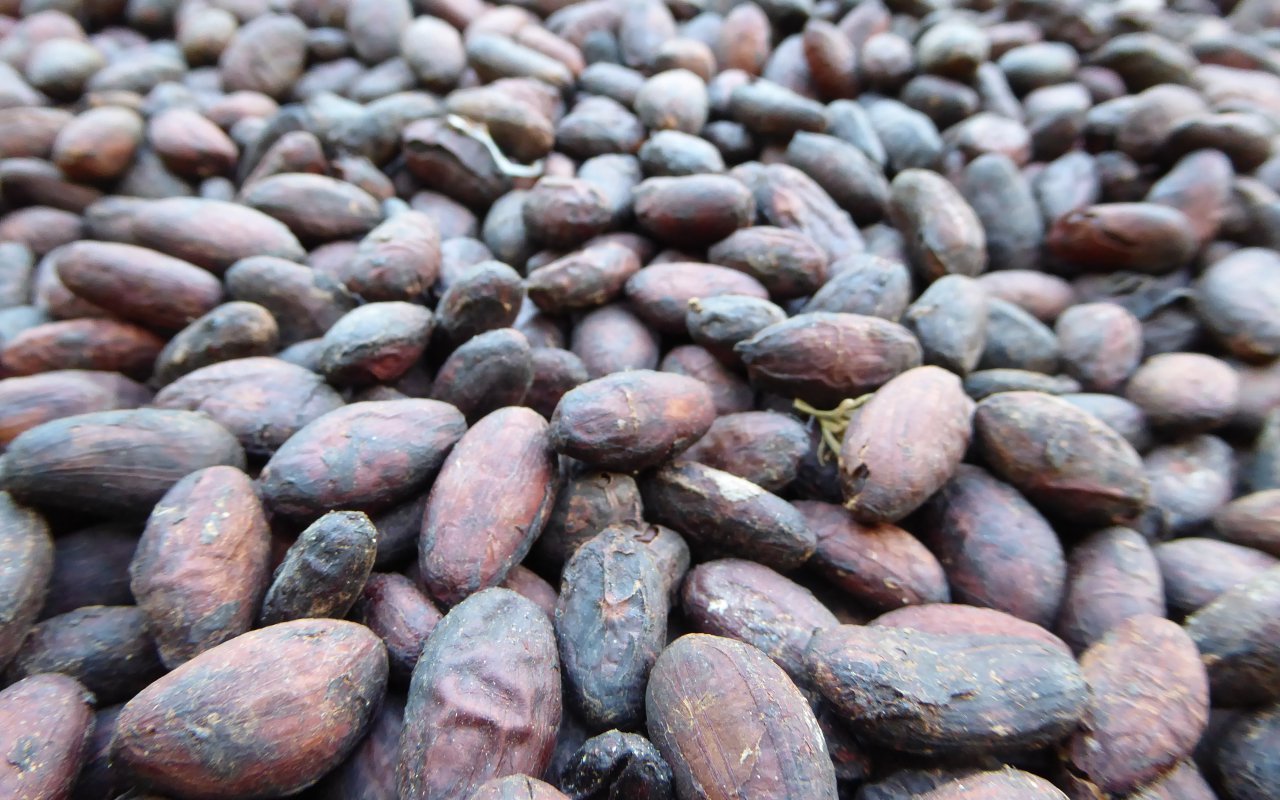
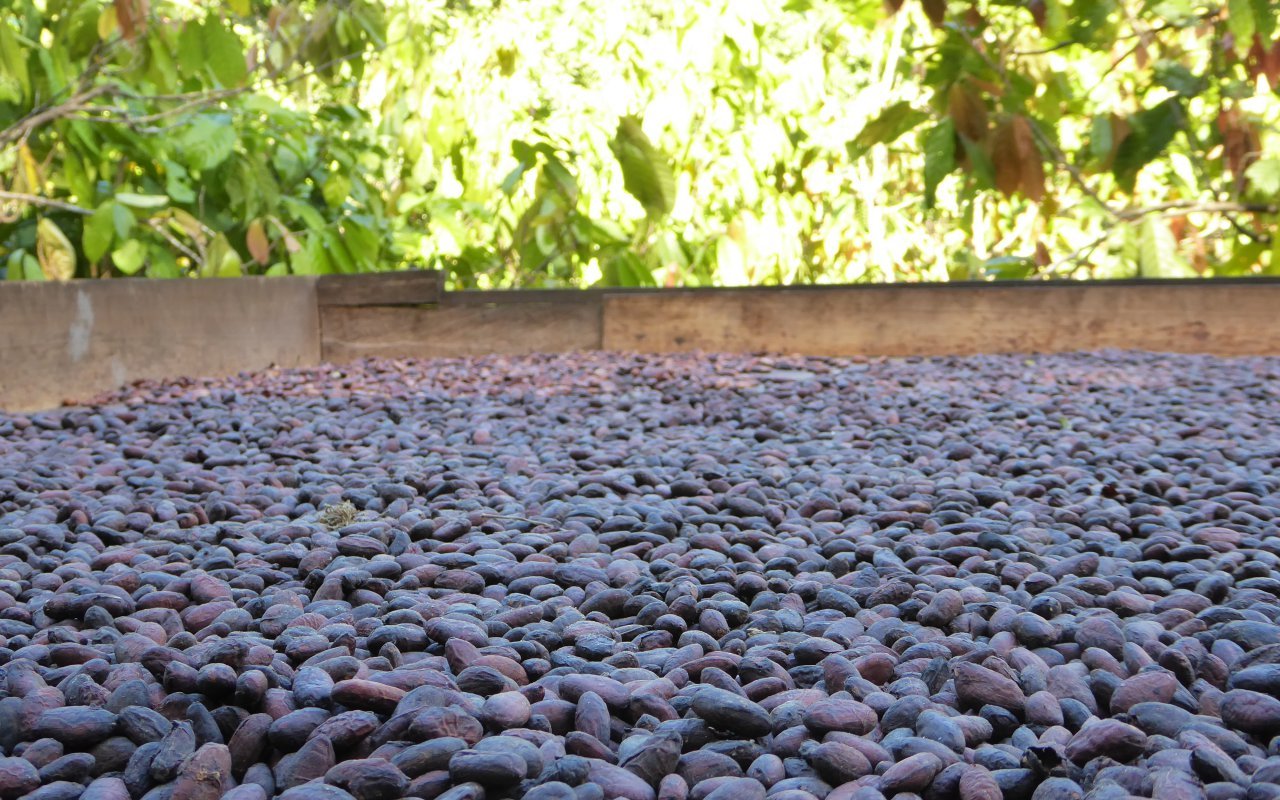
As in the rest of Latin America, the Colombian cocoa tree is essentially a member of the Criollo family, distinguished by its large, light-colored beans and green pods. There is also Forastero, which grows mainly in the Amazon and can be recognized by its purple beans. In 2016, cocoa production in Colombia reached an all-time high: over 56,000 tonnes were harvested in this Andean country. Despite the El Niño climatic phenomenon, which made production conditions difficult, it was still a marked increase on previous years.
History of cocoa production in Colombia
However, cocoa farming has not always been so intensive. First and foremost, it has its roots in the traditional uses to which the country’s indigenous communities have put it for millennia. In the Sierra Nevada de Santa Marta, considered the “heart of the Earth” by the communities who live there in virtual autarky, there are over 400 hectares of cocoa plantations. This reserve, classified as a World Heritage Site byUNESCO, produces a quality of cocoa bean that is almost unequalled anywhere on the planet
Award-winning cocoa
In London in 2016, Sierra cocoa won the gold medal for the world’s best chocolate against France and Switzerland. According to Santiago Peralta, an Ecuadorian chocolatier who worked with Colombian cocoa during the competition: “Chocolate is certainly a very Europeanized commodity, but the flavors are more surprising on the Latin American continent”. He emphasizes the importance of growing these beans for local agriculture and small-scale producers in the countries of this continent. Named Tutu Iku (70%) after the mochilas (saddlebags) worn by the indigenous Aruhacos, the chocolate he has created embodies the ideal of responsibility incumbent on cocoa producers, encouraging them to respect traditional customs. Beyond mass production, cocoa seems to represent a major stake in the development and pacification of Colombia.
From coca to cocoa to combat drug trafficking
In the Sierra Nevada, cocoa crops have long competed with coca plantations. This plant is the basis for the manufacture of cocaine, of which Colombia is the world’s leading exporter. With the development of drug trafficking from the 1980s onwards, and the influence of guerrilla and paramilitary groups over a huge part of the country, it was much more economically attractive for small-scale Colombian farmers to grow coca than other crops, including cocoa. The basic paste made from a few kilos of coca leaves was often used as local currency in the remotest corners of the country. With the Peace Accords signed in 2016, which specifically include a section on the substitution of illegal crops, the situation is gradually improving. A few years earlier, the government had also launched plans to support the development of these food crops, essential to the survival of these farmers, without them falling into the lap of armed groups. The slopes of the Sierra Nevada that were once covered in coca are gradually being replaced by cocoa trees. today, 200 Arhuacas families make their living from this production. The same process is underway throughout the country, with varying degrees of success.

In Colombia, around 40,000 families make their living from this production. There’s still a long way to go towards responsible production, but the bean has already come a long way.
Text by Eliott Brachet

Colombian chocolate: from tradition to innovation
While Colombia has long exported its cocoa beans to Europe and the United States, a new generation of Colombian chocolatiers is now processing the cocoa locally, creating chocolates that rival the world’s best.
The Colombian hot chocolate tradition
In Colombia, chocolate has been part of daily life for centuries. Every morning in Colombian homes, the scent of chocolate santafereño wafts through the kitchen. This traditional hot drink, made with grated chocolate bars, water or milk, and vigorously beaten with a molinillo (wooden whisk), accompanies almojábanas (cheese rolls) or pandebonos for breakfast.
In the Andes mountains, particularly in Bogotá, Medellín and the coffee region, chocolate con queso is served: a generous piece of fresh cheese slowly melts into a cup of hot chocolate. A surprising combination for European palates, it has been a Colombian delight for generations.
Emblematic brands
A few traditional brands dominate the Colombian table chocolate market. La Equitativa and Luker Chocolate, founded in the early 20th century, produce the round bars of dark chocolate found in every supermarket in the country. Corona, another historic brand, has been offering its chocolate powder since 1920.
But it was with the emergence of the “bean-to-bar” movement that Colombian chocolate experienced a veritable renaissance. Artisan chocolatiers are now creating top-of-the-range bars that showcase Colombian terroirs.
Bean-to-bar” chocolatiers
In Bogotá, Cacao Hunters scour Colombia’s remote regions for the rarest cocoa beans and process them in their urban workshop. Their single-origin bars reveal the fruity notes of Arauca cocoa, the floral nuances of Tumaco, or the woody aromas of Santander cocoa.
Kahkow, based in Medellín, works directly with local producers to create chocolates that tell the story of their terroir. Each bar indicates the community of origin of the beans and the percentage paid back to the producers.
In the Sierra Nevada, Wiwa Chocolate is produced by the indigenous community of the same name. This certified organic and fair-trade chocolate perpetuates ancestral fermentation techniques while using modern equipment.
Exports and international recognition
Colombian chocolate is now exported to Europe, the United States and Japan. Colombian bars line the shelves of specialist stores in Paris, London and New York, often selling for over 10 euros a 70-gram bar.
Several Colombian chocolatiers have won medals at the International Chocolate Awards, the industry’s most prestigious competition. In 2019, Santander Chocolate Company took gold in the “original dark chocolate” category with its Ocaña 72% bar. In 2021, Tayrona Chocolate, which works with communities in the Sierra Nevada, won for its innovation in flavors combining cocoa and local fruits such as lulo or passion fruit.
Chocolate tourism
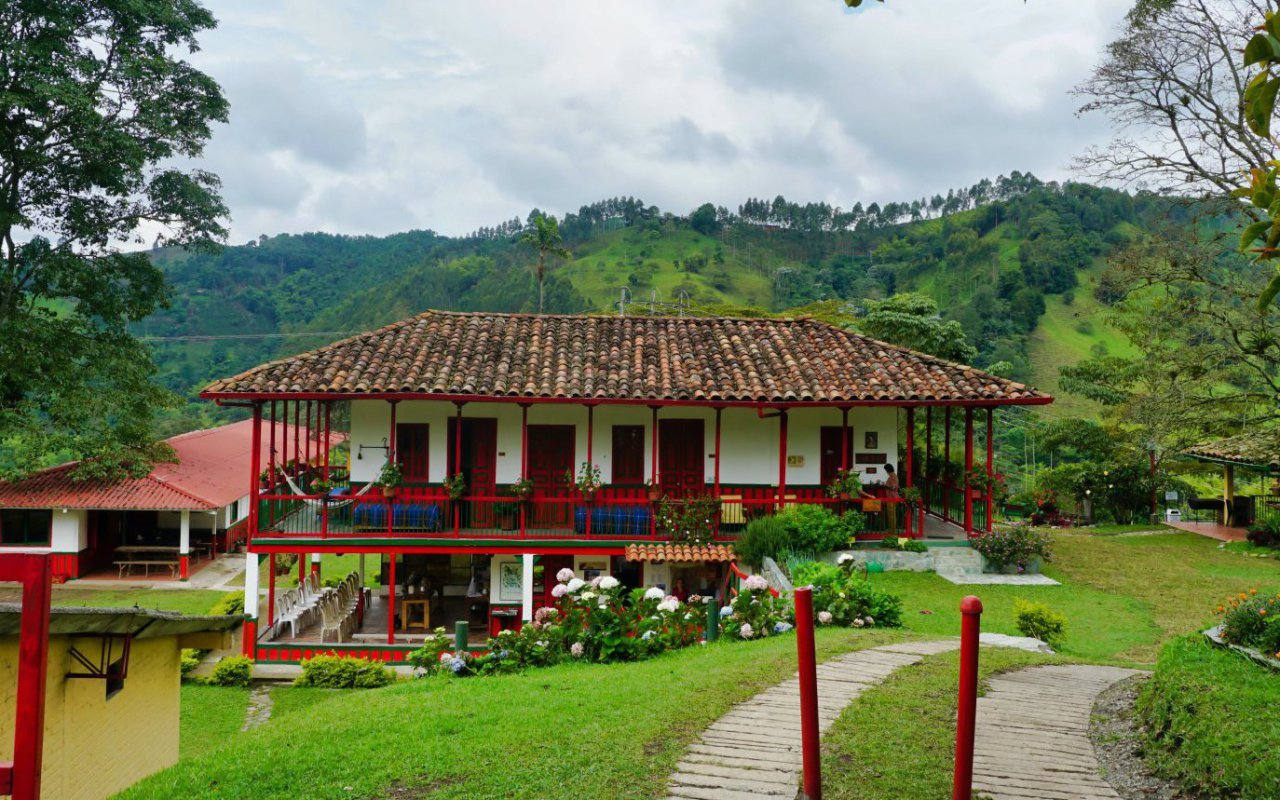
The success of Colombian cocoa has also given rise to chocolate tourism. In the Santander region, several haciendas (farms) offer guided tours where tourists discover the entire process: from planting to finished product. You’ll learn how to harvest the pods, ferment the beans, and finish off with a tasting of different chocolates.
In Barichara, a colonial village ranked among Colombia’s most beautiful, Casa del Cacao offers workshops where visitors can make their own artisanal chocolate bars. In Medellín, the Museo del Chocolate traces the history of cocoa in Colombia and organizes comparative tastings.
In the coffee-growing zone, some fincas that traditionally produced coffee are diversifying by planting cocoa, creating “coffee and cocoa” tourist circuits that attract flavor enthusiasts.
Colombian innovation
Colombian chocolatiers are innovating by combining cocoa with other local products. Tarqui offers bars with Colombian coffee, Guajira salt, or culonas ants (large roasted ants, a Santander specialty). Devotion creates chocolates filled with panela (raw cane sugar), guayaba (guava) or borojó (Amazonian fruit).
This creativity has enabled Colombian chocolate to distinguish itself on the international market, no longer as a simple exporter of raw materials, but as a producer of exceptional chocolates with unique flavors.
Cocoa, the new Colombian coffee?
Some experts compare the trajectory of Colombian cocoa to that of coffee a few decades ago. Long exported in bulk to foreign markets, Colombian coffee earned its letters of nobility thanks to the creation of brands, the enhancement of terroirs and certification of origin. Cocoa seems to be following the same path.
Colombian producers no longer want to simply sell beans, but to create added value locally. This strategy enables better remuneration for farmers and strengthens the country’s brand image on the international stage. Colombian cocoa is no longer a mere commodity, but a luxury product, on a par with fine wines.