The evolution of Colombian tourism: from a controversial image to a popular destination
The dark years and international perception
For several decades, Colombia’s international image was severely damaged by internal armed conflict, drug trafficking and widespread insecurity. Between the 1980s and the early 2000s, the country was widely advised against travel by most foreign ministries. Kidnappings, bombings and the presence of armed groups in vast areas of the territory made tourism extremely limited and risky.
This period profoundly affected the collective perception of the country. For many, Colombia meant drug cartels, Pablo Escobar and violence. The country’s immense tourism potential – its exceptional biodiversity, rich culture and diverse landscapes – remained largely untapped and unknown to the international public.
The 2000-2010 turning point
The beginning of the 21st century marked a decisive turning point for Colombia. The democratic security policy implemented in the 2000s led to a significant improvement in the security situation, particularly on main roads and in major cities. The return to state control of vast territories has gradually opened up entire regions to tourism.
In 2006, the Colombian government launched the “Colombia es Pasión” (Colombia is Passion) campaign, the first major initiative to change the country’s international image. This campaign marked the beginning of sustained efforts to promote tourism as a driver of economic development and a vehicle for a new national image.
The figures bear witness to this transformation: in 2006, Colombia welcomed around 1 million foreign tourists. By 2010, this figure had already doubled to 2.3 million international visitors. The country was beginning to attract the attention of travellers looking for emerging, authentic destinations off the beaten track.
The tourism boom since 2015
2016 marked a historic moment with the signing of the peace agreement between the Colombian government and FARC, the country’s main guerrilla group. This event had a considerable impact on the international perception of Colombia and accelerated the opening up of previously inaccessible regions to tourism.
Between 2015 and 2019, Colombian tourism experienced exceptional growth. The country grows from 2.9 million foreign visitors in 2014 to 4.5 million in 2019, an increase of 55% in five years. This period has seen the emergence of Colombia as a trendy destination, regularly cited in the charts of international travel magazines.
The “Colombia, el país más acogedor del mundo” (Colombia, the most welcoming country in the world) campaign launched in 2018 capitalizes on the legendary hospitality of Colombians, which has become one of the country’s major assets. Testimonials from travelers, often surprised by the warmth of the welcome and the beauty of the landscapes, are multiplying on social networks and helping to radically transform the country’s image.
The COVID-19 pandemic in 2020-2021 brought this momentum to an abrupt halt, with visitor numbers dropping to around 2.7 million by 2021. However, the post-pandemic recovery proved to be rapid and vigorous. In 2023, Colombia welcomed 5.9 million foreign tourists, setting a new all-time record and far exceeding pre-pandemic levels.


Key figures and current trends in Colombian tourism
Visitor statistics 2019-2024
Data from ProColombia, the government agency responsible for promoting tourism, reveal an impressive growth trajectory. In 2019, the last year before the pandemic, the 4.5 million international visitors generated around $6.6 billion in revenue for the Colombian economy. The hotel occupancy rate had reached 57%, the highest in fifteen years.
The year 2022 marked a return to sustained tourist activity, with 4.9 million visitors, followed by a record year in 2023 with 5.9 million. This growth is accompanied by a qualitative evolution: the average length of stay is gradually increasing, rising from 13 days in 2015 to around 16 days in 2023, testifying to a growing interest in in-depth discovery of the country.
Domestic tourism also represents a major segment, with over 36 million tourist trips made by Colombians themselves in 2023. This internal dynamic makes a significant contribution to regional economies and to the development of tourism infrastructures throughout the country.
Outbound markets and visitor profiles
The United States remains the leading outbound market, with around 1.2 million Colombian visitors in 2023, representing almost 20% of the total. Next come Venezuela (despite the complex situation between the two countries), Mexico, Argentina and Brazil, making up a dynamic Latin American market.
The European market is showing particularly strong growth. Spain is Europe’s leading issuing market, followed by France, Germany and the UK. For the French market specifically, growth has been spectacular: between 2015 and 2019, the number of French visitors rose from around 30,000 to over 70,000, an average increase of 15% per year. After the pandemic-related slowdown, 2023 saw a return to these levels, with almost 75,000 French visitors.
The profile of visitors is also changing. While young backpackers and backpackers were among the first to rediscover Colombia in the 2000s, the country now attracts a more diversified clientele: honeymooners looking for original destinations, families in search of authentic experiences, active seniors wishing to discover new cultures, and business travelers taking advantage of their business trips to explore the country.
International recognition
The transformation of Colombia’s tourism image has resulted in numerous international awards. The country won the title of “Best Destination in South America” at the World Travel Awards on several occasions between 2016 and 2020. These awards, often considered the “Oscars of tourism”, recognize excellence and innovation in the global tourism industry.
In 2020, the German magazine FVW, a benchmark for the tourism sector in Europe, ranked Colombia as the favorite destination for Germans in America. In the same year, the Wall Street Journal included the country in its list of trendy destinations to visit.
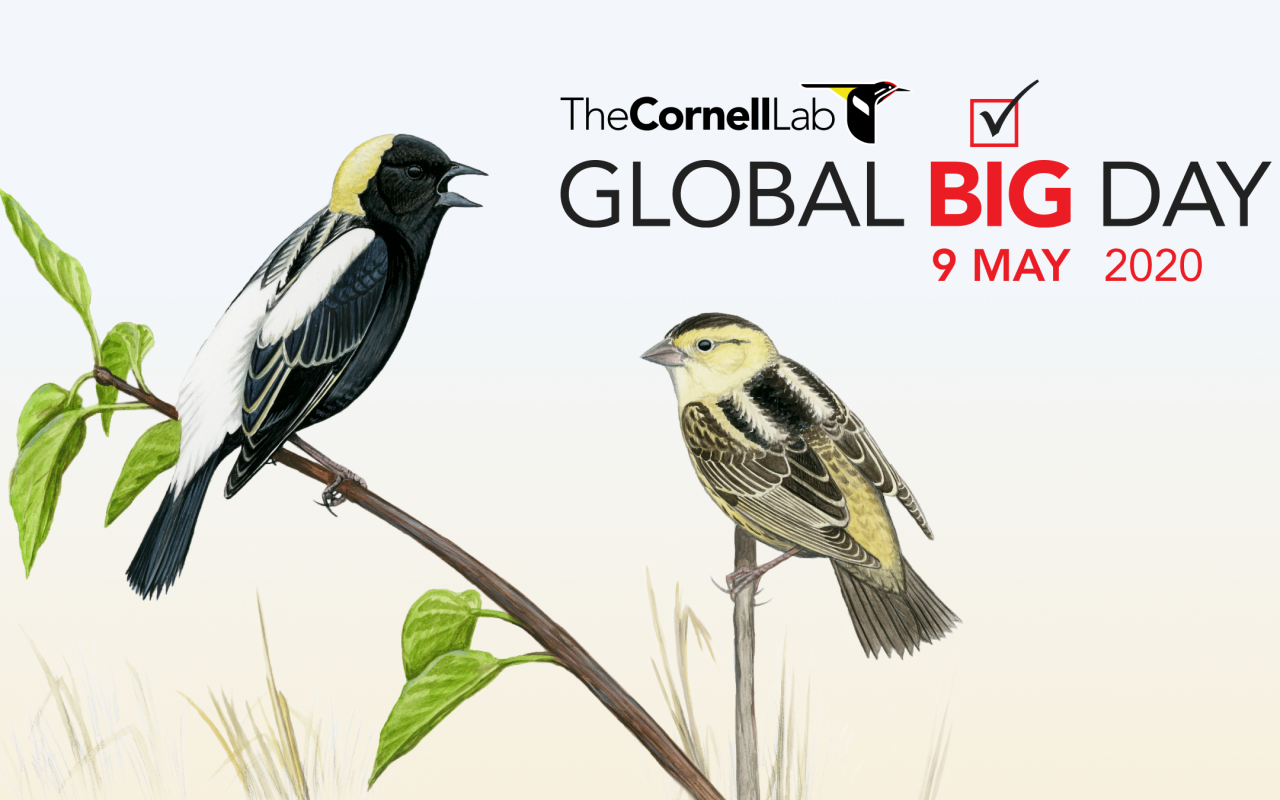
The country has also excelled in specific areas. Colombia won the Global Big Day, the world’s largest birdwatching competition, on four consecutive occasions between 2017 and 2020, confirming its status as an ornithological paradise with over 1,900 species of birds recorded, the highest number in the world.
Colombia.travel, the country’s official tourism promotion website, received the Webby Award for the world’s best tourism website in 2020, rewarding digital innovation in destination promotion.
The International Congress and Convention Association (ICCA) regularly ranks Colombia among the world’s top 30 countries for international events, attesting to the growth of business and convention tourism, particularly in Bogotá, Medellín and Cartagena.



The different types of tourism in Colombia
Cultural and urban tourism
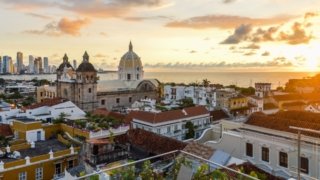
Colombia has nine UNESCO World Heritage sites, testifying to its rich historical and cultural heritage. The historic center of Cartagena de Indias, with its colonial fortifications and preserved architecture, is one of the most visited cultural destinations in Latin America. The city attracts more than a million visitors every year, enchanted by its unique atmosphere blending Spanish, African and Caribbean influences.
Bogotá, the capital, is a major cultural center with internationally renowned museums. The Museo del Oro (Gold Museum) houses the world’s largest collection of pre-Columbian goldsmiths’ and silversmiths’ work, with over 34,000 pieces testifying to the technical mastery of indigenous civilizations. The Botero Museum showcases Fernando Botero’s personal collection, including works by Picasso, Monet, Renoir and Dalí alongside the Colombian artist’s own creations.
Medellín is a prime example of Colombia’s urban transformation. Once known as one of the world’s most dangerous cities, it was voted “World’s Most Innovative City” in 2013 by the Wall Street Journal and Citigroup. Its cable transport system (Metrocable) opens up working-class neighborhoods, its park libraries transform public spaces, and its museums like the Museo de Antioquia attract a growing international audience.
San Agustín Archaeological Park, also a UNESCO World Heritage Site, boasts the largest concentration of funerary monuments and megalithic sculptures in South America, dating from between the 1st and 8th centuries. Nearby Tierradentro features pre-Columbian hypogeums that are unique in the world.
Cultural festivals are also a major attraction. The Barranquilla Carnival, listed as a UNESCO intangible cultural heritage site, is the second-largest carnival in Latin America after Rio de Janeiro. For four days, the city is transformed into a celebration brimming with music, dance and color, attracting over two million participants.
Ecotourism and adventure tourism
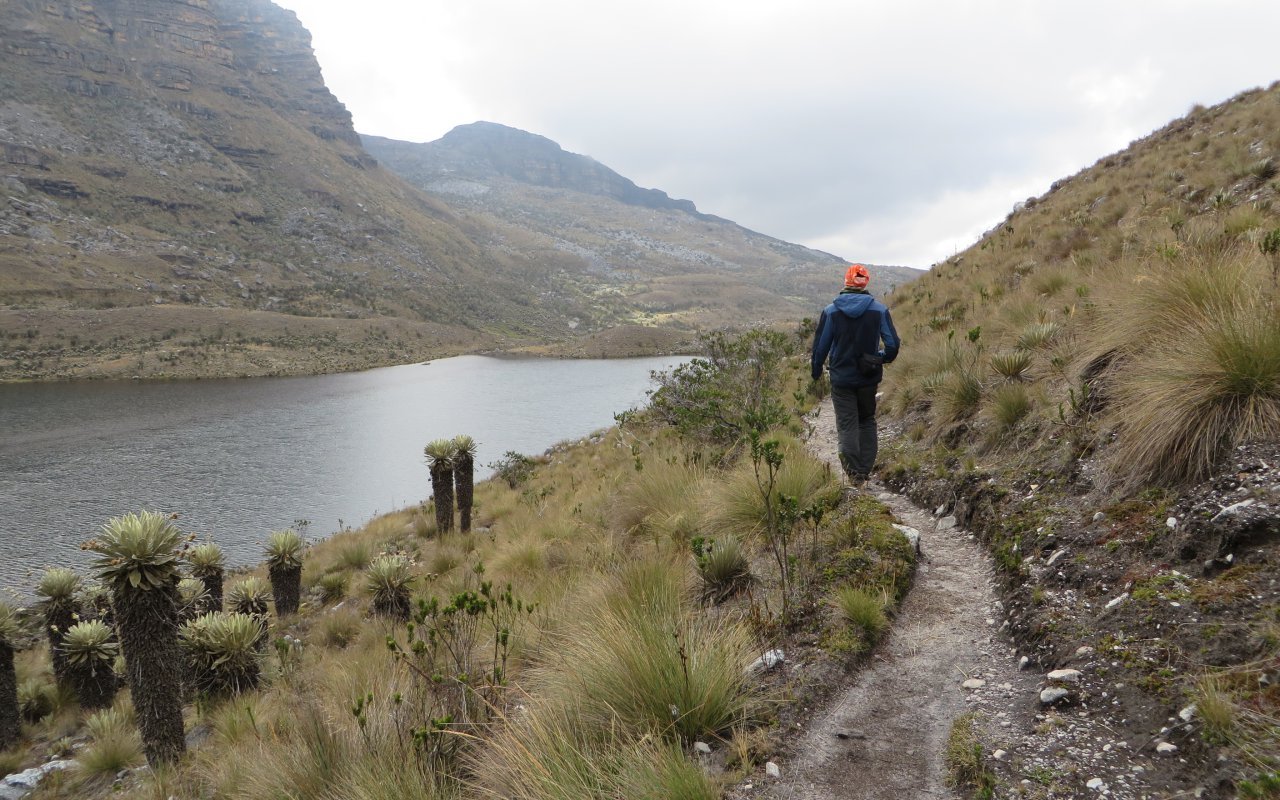
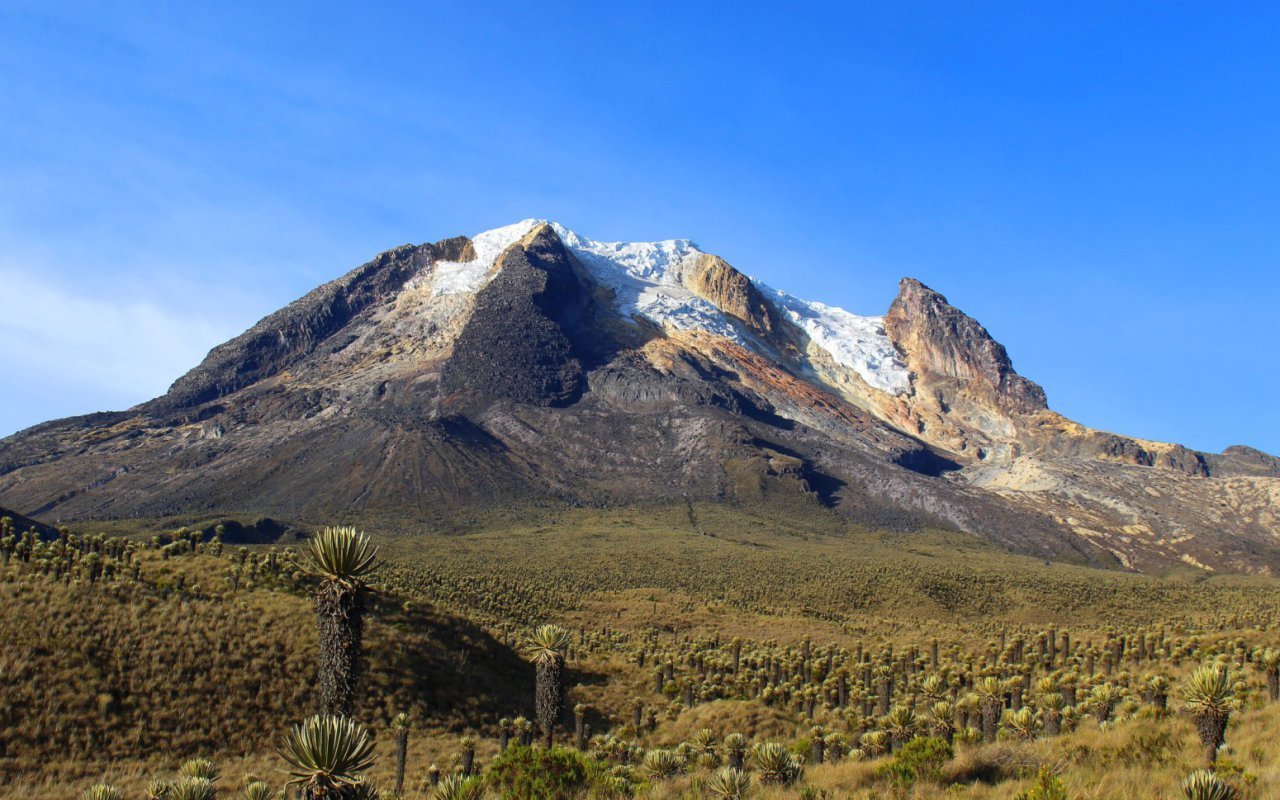
Colombia is the second most biodiverse country in the world after Brazil, and the first per square kilometer. This exceptional natural wealth is a major asset for ecotourism. The country boasts 59 national parks covering some 14% of its territory, offering protection to unique ecosystems ranging from Andean glaciers to Amazonian forests.
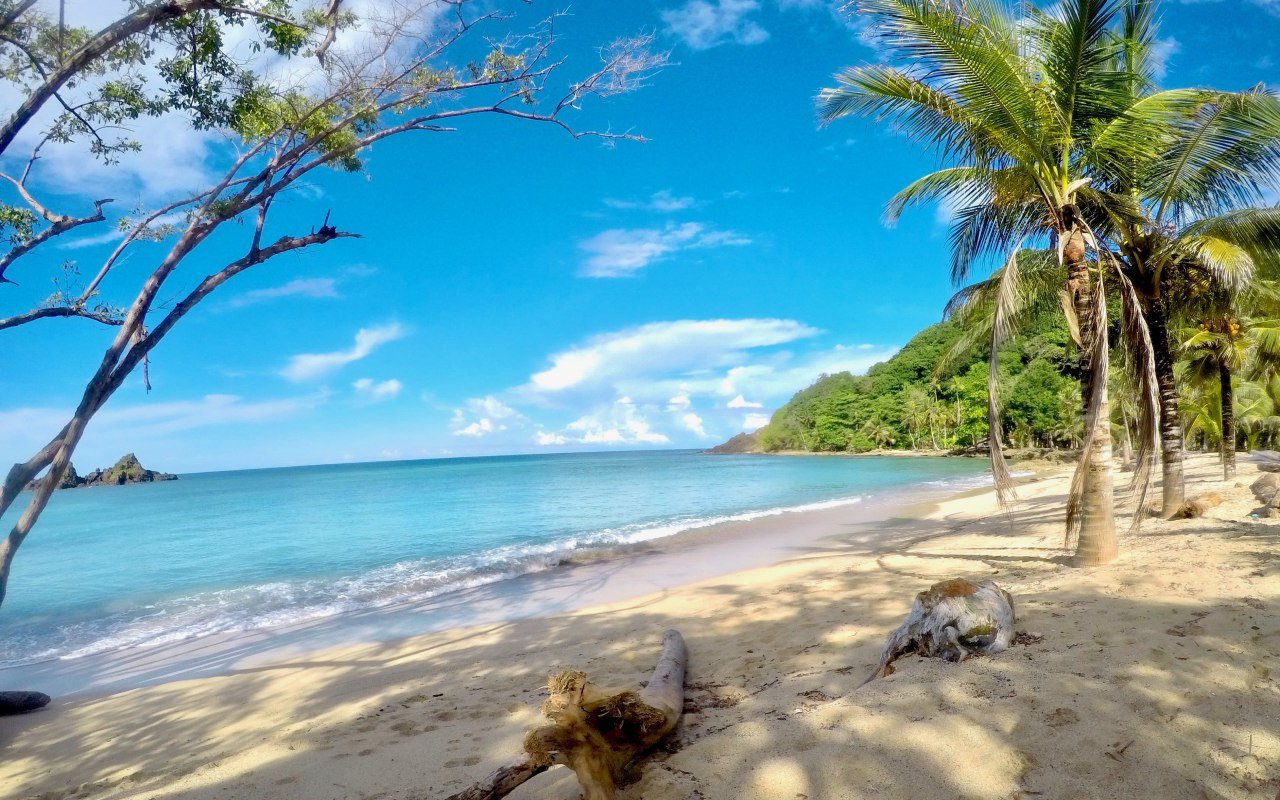
Tayrona National Park, on the Caribbean coast, embodies this diversity: tropical rainforest, palm-fringed white sand beaches and coral reefs come together in a compact area. The park welcomes over 400,000 visitors a year, a figure that now requires strict regulation to preserve this fragile ecosystem.
Birdwatching is a fast-growing tourist segment. With over 1,900 recorded species (20% of the world’s), Colombia attracts birdwatchers from all over the world. Specialized tours enable visitors to observe endemic species in regions such as Chocó, considered one of the planet’s biodiversity hotspots, with an exceptional rate of endemism.
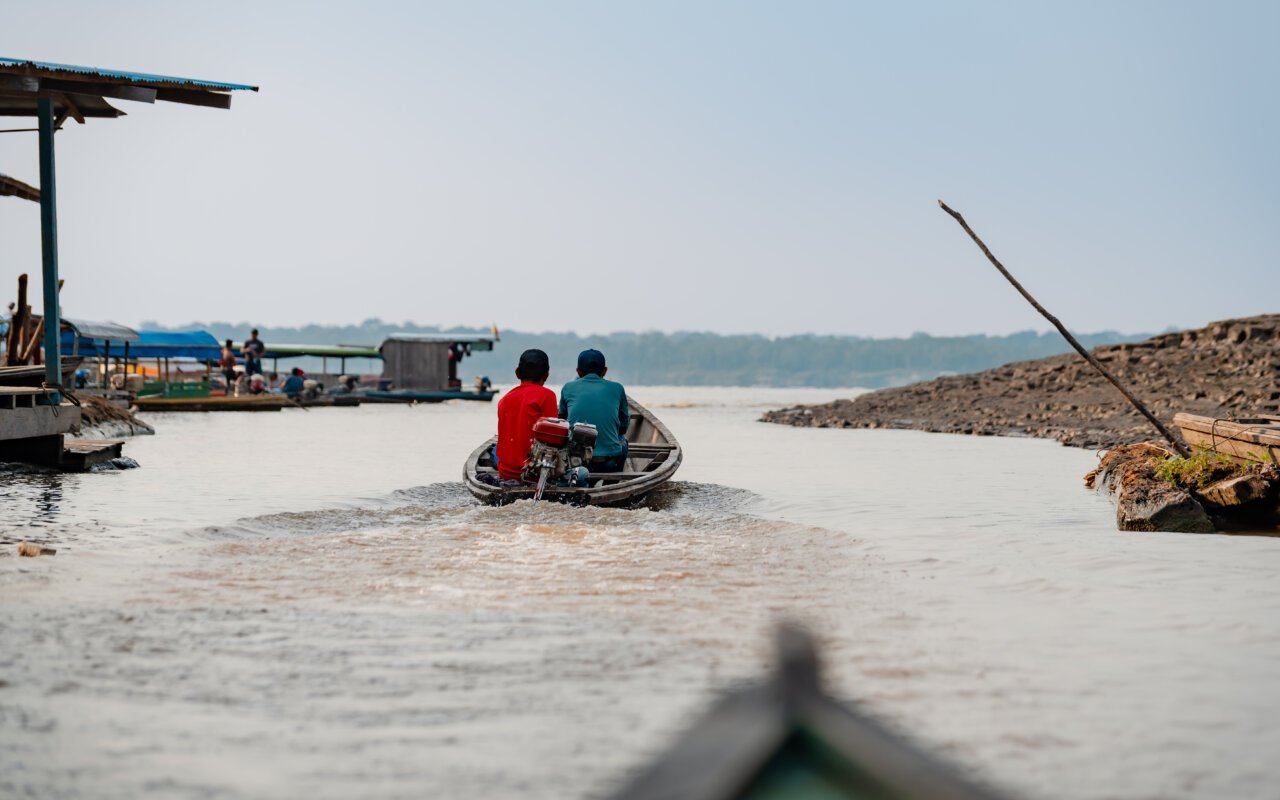
The Colombian Amazon, representing around 40% of the national territory, is gradually opening up to controlled tourism. Ecological lodges enable visitors to explore this region while minimizing environmental impact. Observations of pink dolphins, caimans, sloths and spectacular birdlife are at the heart of these immersive experiences.
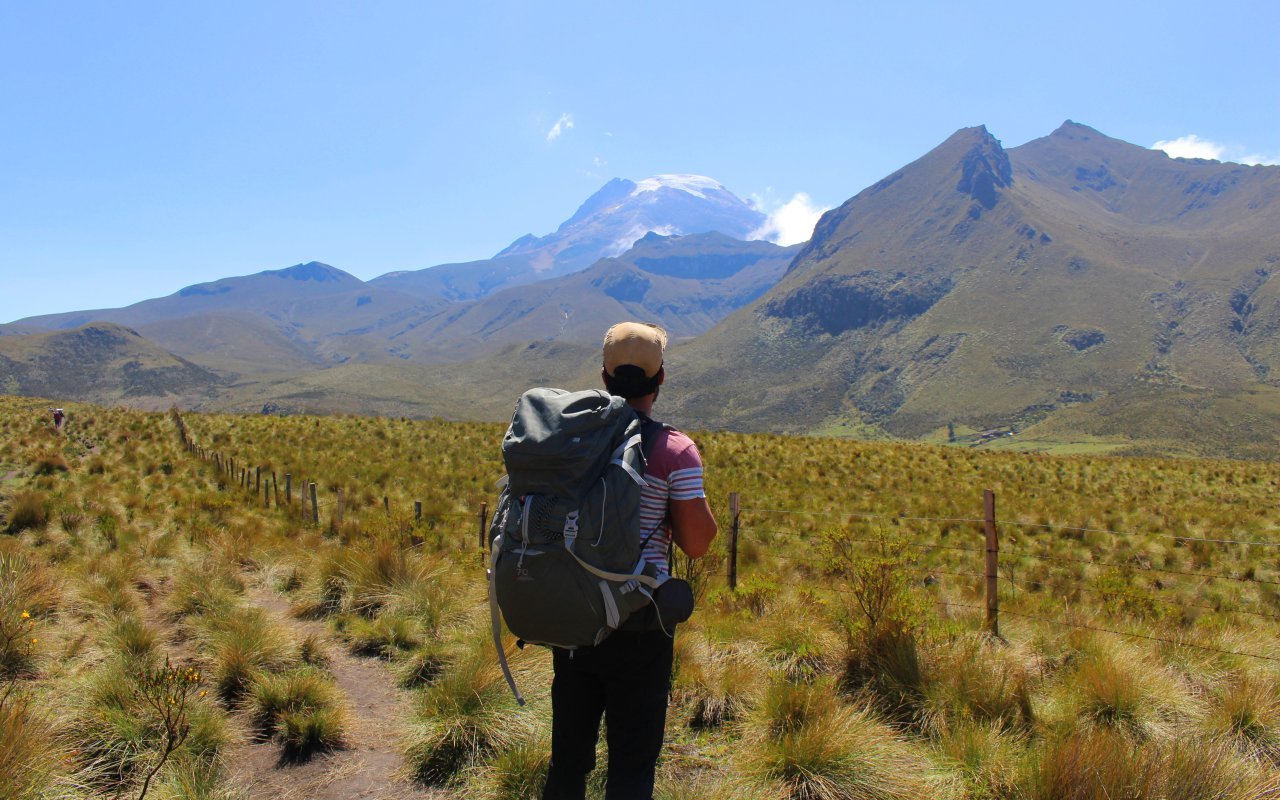
Adventure tourism finds an exceptional playground in Colombia. The San Gil region, in the department of Santander, has established itself as Colombia’s adventure capital, with rafting on the Suárez River, paragliding, caving and canyoning. Trekking is also on the rise, with the famous Ciudad Perdida (Lost City) trek in the Sierra Nevada de Santa Marta, which takes four to six days to reach a pre-Columbian archaeological site buried in the jungle.
Seaside tourism
With two coastlines – the Pacific Ocean to the west and the Caribbean Sea to the north – Colombia offers 3,000 kilometers of coastline with very different characteristics.
Most seaside tourism is concentrated on the Caribbean coast. Beyond Cartagena and Santa Marta, the archipelago of San Andrés, Providencia and Santa Catalina attracts more than 800,000 visitors every year. Located 700 kilometers from the Colombian mainland but only 200 kilometers from the Nicaraguan coast, this archipelago offers white-sand beaches, a Sea of Seven Colors resulting from variations in seabed depth, and an English-speaking Creole culture unique to Colombia.
The Rosario archipelago, a national nature park since 1977, is just an hour’s boat ride from Cartagena. Its 27 coral islands are home to one of the most important coral reefs on Colombia’s Caribbean coast, albeit under threat from climate change and tourist pressure.
The La Guajira peninsula, the territory of the indigenous Wayuu people, offers spectacular desert landscapes jutting out into the Caribbean Sea. Cabo de la Vela and Punta Gallinas, South America’s most northerly point, attract travellers in search of wild and authentic destinations.
The Pacific coast presents a radically different face. Less developed for tourism, it remains largely unspoilt. Nuquí and Bahía Solano attract mainly surfers and ecotourism enthusiasts. Between June and October, these waters become a prime location for watching the humpback whales that migrate from Antarctica to breed in the warm waters of the Colombian Pacific.
Community and ethical tourism
Community tourism is experiencing significant growth in Colombia, driven both by local initiatives and by government programs aimed at integrating rural and indigenous communities into the tourism economy.
Colombia has 87 officially-recognized indigenous peoples, representing around 4% of the population but guardians of ancestral territories and knowledge. Community-based tourism experiences enable visitors to discover these cultures while generating direct income for the communities.
In the Sierra Nevada de Santa Marta, the Kogis, Arhuacos, Wiwas and Kankuamos communities offer controlled immersion experiences. These peoples, direct descendants of pre-Hispanic civilizations, consider the Sierra Nevada to be the “Heart of the World” and share their cosmogonic vision and environmental protection practices.
In the Amazon, several resguardos (indigenous territories) have developed community-based tourism programs. Visitors can take part in traditional activities such as bow fishing, preparing casabe (cassava cake), or discovering the medicinal uses of forest plants.
The department of Chocó, on the Pacific coast, is home to a predominantly Afro-descendant population. Initiatives such as those in the village of Bahía Málaga or on Bonaventura Island enable travellers to discover Afro-Pacific culture, its musical traditions (such as the marimba, a UNESCO World Heritage Site), its gastronomy and its relationship with the ocean.
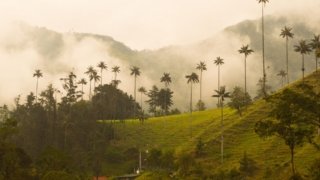
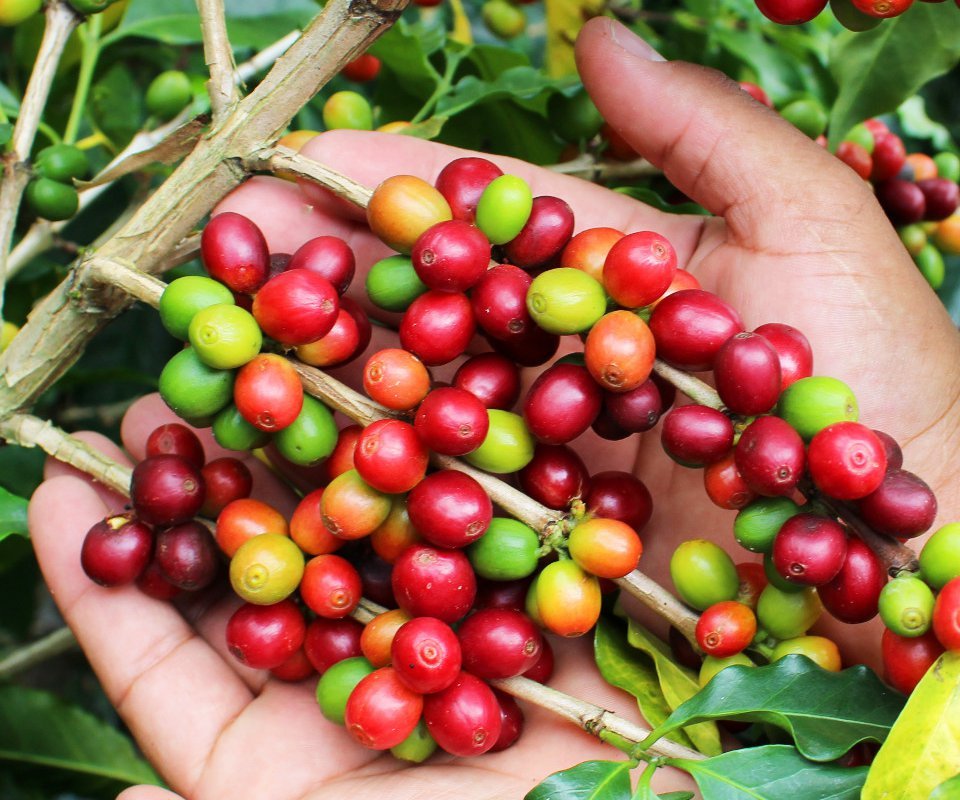
The coffee region (Eje Cafetero), listed as a UNESCO World Heritage Site under the title “Colombia’s Coffee Cultural Landscape”, has developed a community-based rural tourism model in which coffee-growing families open their doors to visitors. These experiences enable visitors to discover the entire coffee production process, from plantation to cup, while directly supporting the economy of small-scale producers.
Wine and food tourism
Although not as well known as its Chilean or Argentinean neighbors in terms of wine production, Colombia has been developing quality wine production in unique geographical conditions for some fifteen years now. The Cauca valley, near Cali, is home to a number of vineyards that benefit from an equatorial, high-altitude climate that allows up to two harvests a year.
The bodega Marqués de Puntalarga, a pioneer in Colombian wine since 1982, offers tours and tastings in an estate situated at an altitude of 1,800 metres. Other wineries, such as Viñedo Ain Karim in the department of Boyacá, and emerging producers in the Villa de Leyva region, diversify the country’s wine tourism offering.
Gastronomic tourism is booming, boosted by the international recognition of Colombian cuisine. Bogotá and Medellín are home to several restaurants ranked among the 50 best in Latin America. Leo, in Bogotá, run by chef Leonor Espinosa, was voted best Latin American restaurant in 2022 for its work in promoting the products and culinary techniques of Colombia’s different regions.
The country’s geographical and climatic diversity translates into an exceptional wealth of gastronomic delights. Each region has its own specialties: bandeja paisa (a generous dish from Antioquia), ajiaco (a potato soup typical of Bogotá), seafood from the Caribbean coast, sancocho (a stew available in many regional versions), or hormiga culonas (grilled ants, a specialty of Santander).
Gastronomic tours are developing, allowing visitors to discover local markets, take part in cooking classes, or visit producers of cocoa, coffee, panela (unrefined cane sugar) or artisanal cheeses in the Andes.

Top tourist destinations by region in Colombia
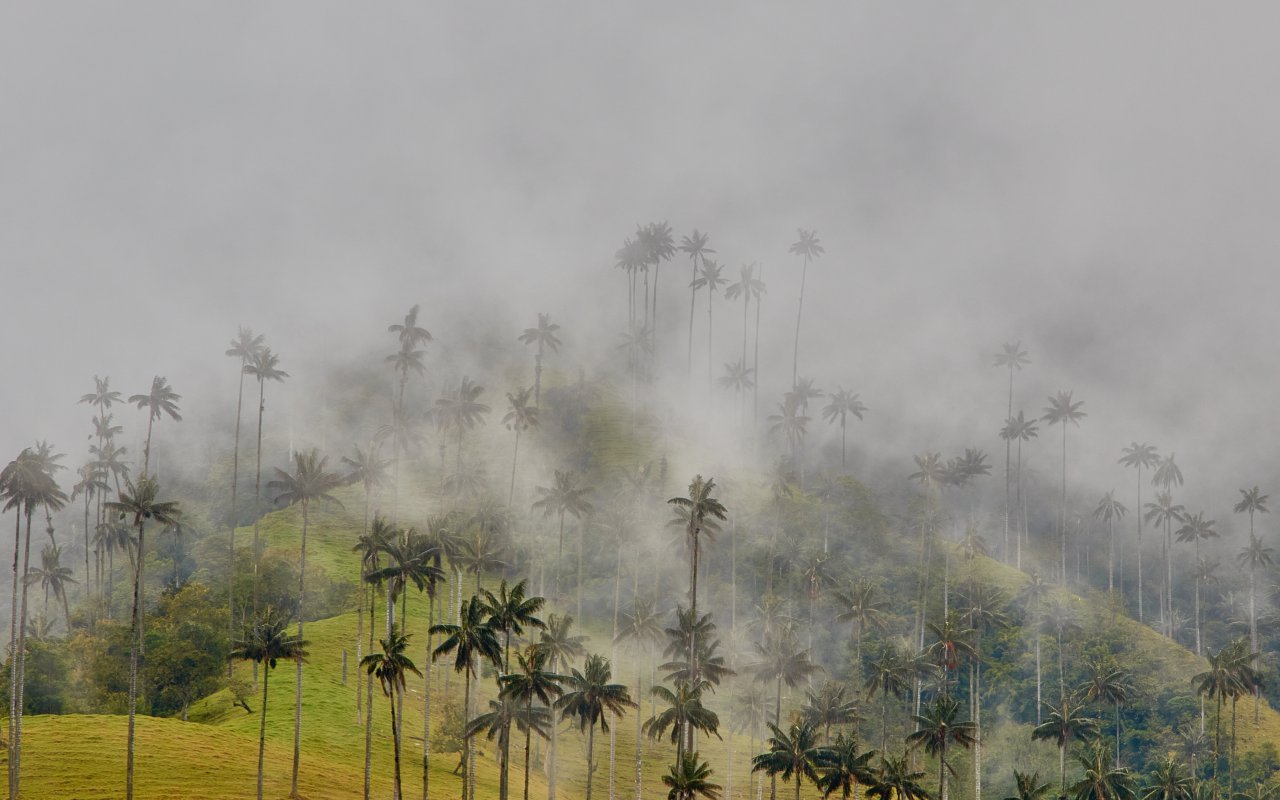
Colombia is divided into six major natural regions – Andean, Caribbean, Pacific, Orinoco, Amazonian and Insular – each offering distinct tourist experiences. The Andean region concentrates the majority of the population and tourist infrastructure, with the major cities of Bogotá, Medellín and Cali, as well as colonial destinations such as Villa de Leyva or Barichara, considered one of Colombia’s most beautiful villages.
The Caribbean coast combines paradisiacal beaches, natural parks and colonial heritage with Cartagena, Santa Marta (gateway to Tayrona) and the beaches of Palomino. The wilder Pacific region appeals to nature lovers and surfers alike. The Amazon and Orinoco(Llanos) attract travellers seeking immersion in preserved ecosystems. The island region includes the San Andrés archipelago and Providencia in the Caribbean, as well as Malpelo Island in the Pacific, a World Heritage site renowned for its hammerhead shark diving.
Each of these regions deserves in-depth exploration, which we detail in specific articles devoted to Colombian destinations by geographical area.

Infrastructure and accessibility
International air connections with Bogota
Colombia’s air accessibility has improved considerably over the past decade. Bogotá’s El Dorado International Airport is positioned as Latin America’s third-largest air hub after São Paulo and Mexico City, with over 35 million passengers expected by 2023. Bogotá offers direct connections to Europe, North America and most South American countries.
From Europe, several airlines offer direct connections. Air France has been operating daily flights from Paris to Bogotá since 2010, with frequency increasing from 4 to 7 weekly flights. Iberia operates several daily flights from Madrid to Bogotá, Medellín and Cartagena. Lufthansa offers flights from Frankfurt to Bogotá. KLM connects Amsterdam with Bogotá, and Air Europa also serves the Colombian capital from Madrid.
From North America, the offer is particularly rich, with direct flights from numerous American (Miami, New York, Houston, Los Angeles, Fort Lauderdale) and Canadian (Toronto, Montreal) cities to Bogotá, Medellín and Cartagena.
Local airlines Avianca, LATAM Colombia and Wingo (a low-cost airline belonging to the Copa Airlines group) provide additional international connections, as well as an extensive domestic network offering easy access to the country’s main cities and tourist destinations.
Domestic transport
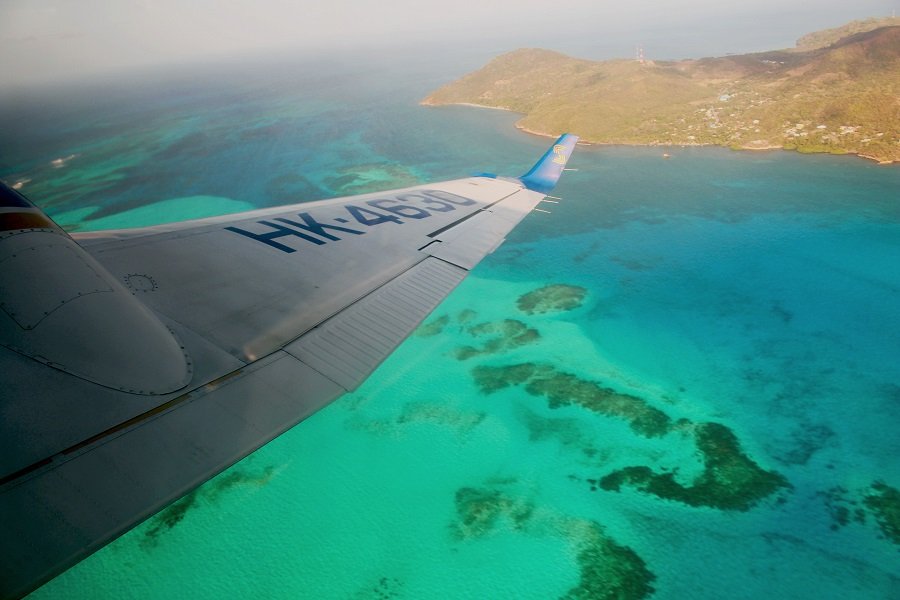
Colombia’s domestic air network is particularly well-developed, a necessity given the country’s mountainous geography, which makes some overland journeys very long. The main cities – Bogotá, Medellín, Cali, Cartagena, Barranquilla, Bucaramanga, Pereira and Armenia – are linked by frequent flights. Smaller destinations such as Nuquí, Bahía Solano, Leticia (Amazonia) and San Andrés are only accessible by air.
Land transport in Colombia has evolved considerably. The road network has improved, with the development of dual carriageways (doble calzada) on the main routes. Long-distance buses, operated by private companies, generally offer a good level of comfort and safety on main routes.
Several rail projects are under development, including a tourist train between Bogotá and the coffee region, which should revitalize rail transport for passengers, which is virtually non-existent at present.
In the city, Bogotá has a rapid bus system (TransMilenio) and a network of bicycle paths that is among the most developed in Latin America. Medellín has Colombia’s only metro system, complemented by a network of cable cars (Metrocable) serving the city’s high-rise districts.
Accommodation in Colombia
The range of accommodation on offer in Colombia has considerably diversified and professionalized. Major international hotel chains (Marriott, Hilton, Hyatt, Accor) are present in the main cities and tourist destinations. Cartagena boasts a particularly rich offering of charming hotels in restored colonial mansions, often classified in the luxury segment.
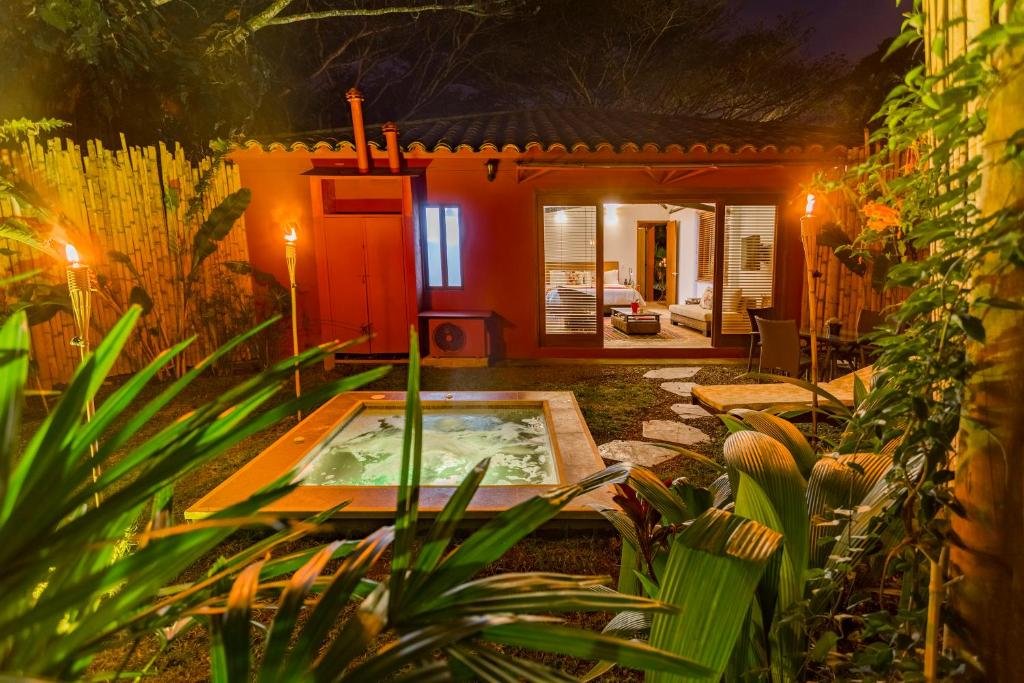
The concept of “finca” (farmhouse) or “hacienda” transformed into tourist accommodation has developed, particularly in the coffee region where former coffee estates offer agrotourism experiences. These establishments combine comfort, authenticity and immersion in Colombian rural life.
Youth hostels (hostales) are numerous and of good quality, meeting the demand of a large backpacker clientele. Major tourist cities such as Bogotá, Medellín, Cartagena and Santa Marta boast dozens of hostels offering dormitories and private rooms at affordable prices.
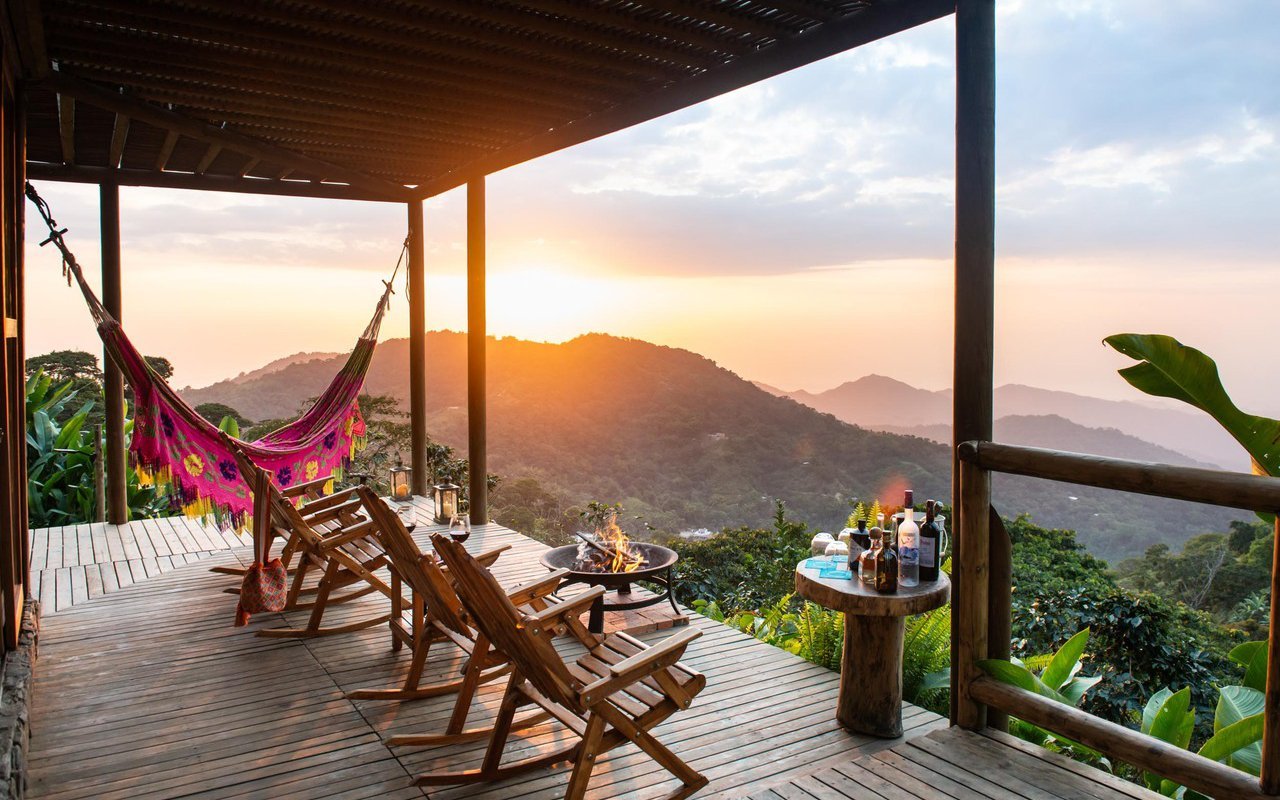
The ecohotel or ecolodge concept is developing in natural areas, offering accommodation that minimizes environmental impact while allowing immersion in nature. These establishments are particularly common in the Tayrona region, the Amazon, the Pacific coast and certain natural parks.

Safety and practical recommendations
The question of safety remains a concern for many travellers contemplating Colombia, partly due to the persistence of dated stereotypes. Today’s reality is considerably different from that of past decades, even if vigilance remains necessary as in any tourist destination.
The main tourist areas – Bogotá (La Candelaria, Zona Rosa, Chapinero), Medellín (El Poblado, Laureles), Cartagena (historic center), the coffee region, Tayrona – benefit from a reinforced police presence and secure infrastructures. Statistics show that incidents involving foreign tourists are relatively rare in these areas.
Some common-sense precautions do apply: avoid displaying valuables, remain vigilant on crowded public transport, give preference to official cabs or VTC applications (Uber, DiDi, Cabify are widely used in major cities), avoid walking late at night in little-frequented neighborhoods.
Certain areas of the country remain inadvisable for travellers due to the presence of illegal armed groups or drug trafficking. These are mainly border regions (with Venezuela in particular) and isolated rural areas. Foreign ministry websites (France Diplomatie, for example) provide up-to-date maps of areas to avoid.
The national emergency telephone 123 can be used to contact the police, fire department or medical services. Many cities have also developed mobile applications for reporting incidents or requesting help.
Altitude is an important consideration: Bogotá stands at 2,640 meters, which may cause some visitors to suffer from mild altitude sickness (soroche) during the first few days. It is advisable to hydrate regularly, avoid alcohol and strenuous exercise immediately after arrival.
As far as health is concerned, no vaccinations are required to enter Colombia (except for yellow fever, for travellers coming from countries where the disease is endemic). However, yellow fever vaccination is strongly recommended for travellers to the Amazon, certain areas of the Llanos or low-altitude natural parks. Vaccinations against hepatitis A and typhoid are also recommended.
Tap water is generally undrinkable, even in major cities. Bottled water or purification systems are recommended. The quality of medical care is generally good in major cities, with private hospitals offering world-class services. Travel insurance including medical coverage and repatriation is highly recommended.
Sustainability and responsible tourism
The rapid development of tourism in Colombia poses significant challenges in terms of environmental and social sustainability. The Colombian government and various private players have set up initiatives to promote more responsible and sustainable tourism.
The “Check in certified” label launched in 2020 during the pandemic has evolved to incorporate sustainability criteria beyond sanitary measures alone. This certification program now assesses waste management, energy efficiency, responsible water use and the social commitment of tourism businesses.
Since 2019, Tayrona National Park has implemented a temporary closure system (about one month a year, usually in February) to allow ecological regeneration of the site in the face of growing tourist pressure. The number of daily visitors is also limited, requiring advance reservations in high season.
Several destinations have developed community tourism programs where the benefits are distributed directly to local communities. The Colombian Community Tourism Network (Red Colombiana de Turismo Comunitario) brings together over 80 initiatives across the country, setting standards for quality and fairness in revenue distribution.
The problem of over-tourism is beginning to arise in certain destinations such as Cartagena (particularly with the arrival of cruise liners), Guatapé and certain areas of Tayrona. Regulatory measures – such as limiting the number of visitors, reinvesting tourism taxes in conservation and raising visitor awareness – are gradually being introduced.
Travellers wishing to minimize their impact can opt for certified eco-responsible accommodation, local fair-trade agencies, avoid activities involving captive wild animals (except in approved conservation centers), respect archaeological and natural sites, and promote the local economy by buying crafts and products directly from producers.
Colombia faces a crucial challenge: to continue developing its tourism industry while preserving the natural and cultural resources that are its main attraction. The next few years will be crucial in defining a truly sustainable tourism model for the country.
Plan your trip to Colombia with Terra Colombia
Organizing a trip to Colombia requires in-depth knowledge of local realities, available infrastructures and authentic experiences far removed from standardized tours. Terra Colombia, a local agency based in Medellín and member of the Terra Panamerica network, designs tailor-made itineraries adapted to the specific needs of each traveler.
Our team of travel designers has first-hand knowledge of the terrain, regularly testing the accommodation, activities and itineraries on offer. This expertise enables us to draw up coherent programs that take into account transport times, the optimal seasons for each region, and the country’s particular logistics.
We give priority to local partners – family-run hotels, local guides, indigenous and rural communities – enabling authentic immersion while ensuring that the economic benefits of tourism go directly to local populations. Our approach balances cultural discovery, natural experiences and comfort, according to the profile and expectations of each traveler.
Whether you’re looking for a trek in the Sierra Nevada, an immersion in the coffee region, a discovery of colonial heritage, an exploration of the Amazon or a tour combining several facets of the country, our advisors are at your disposal to build a personalized itinerary to suit your aspirations.
Contact Terra Colombia to start planning your discovery of this country that never ceases to surprise and seduce travelers from all over the world.