Nueva Venecia, Colombia’s lakeside village
Canals, floating houses, orange sunsets… Thinking of Venice? Not this one. Head for Colombia’s Caribbean coast, where a little-known lakeside village richly deserves its nickname “Little Venice of the Caribbean”.
Located in the heart of the Ciénaga Grande de Santa Marta, between Santa Marta and Barranquilla, this wetland area, one of the largest in the country, hides several remarkable villages, including Nueva Venecia, which I explored for you.
The Ciénaga Grande: an ecosystem unique in Colombia
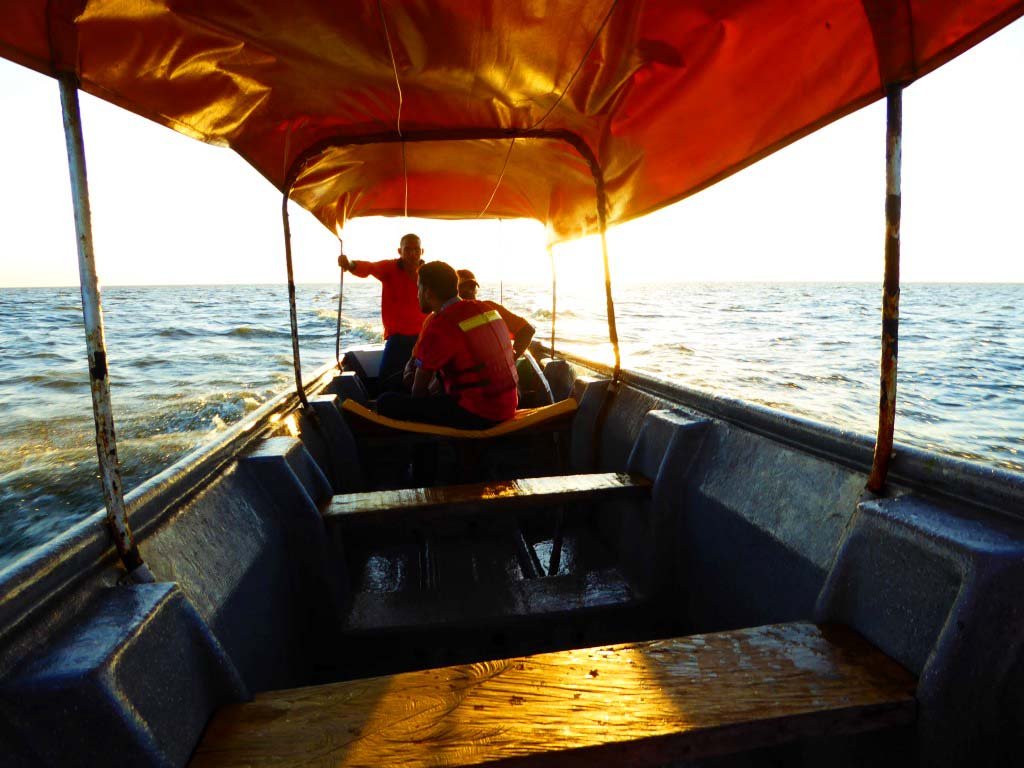
In the early morning, we set off by motorboat with Don Eusebio, my guide for the day and a fisherman for three generations. “My grandfather fished here when there were only a dozen houses,” he tells me as we start the engine. We leave the small pier at Tasajera and enter a labyrinth of water.
First we cross shallow marshes where the clear water reveals the roots of red mangroves. These mangroves are a veritable nursery for hundreds of marine species: shrimps, crabs and juvenile fish take shelter here before heading out to sea. Don Eusebio slows down to show me a red ibis nest perched in the branches. “Forty years ago, we hardly ever saw them. Now they’re coming back,” he explains with pride.
This 450 km² wetland (one of the largest in Colombia and a UNESCO Biosphere Reserve since 2000) enjoys a unique location: just a few kilometers from the Caribbean Sea to the north, it also receives freshwater from the Magdalena River to the west. This mix of fresh and salt water creates an exceptional ecosystem that is home to over 200 species of birds (including 40 migratory species), 82 species of fish, caimans, turtles and even the West Indian manatee, although these shy marine mammals are difficult to observe.
In the humid heat of the morning, kingfishers dive for small crabs, while grey herons watch us, erect and elegant. Cormorants spread their wings in the sun to dry after their dives. Further on, a group of roseate spoonbills take to the air with a rustle of their wings. Don Eusebio also shows me the tracks of otters on a submerged log and explains that the area is home to jaguars in the most remote mangroves, although their sightings remain exceptional.

History and renaissance of Nueva Venecia
After a 1h30 sail from Tasajera and 300 photos, we arrive at the lakeside village of Nueva Venecia. The history of this village is fascinating and little-known. Founded in 1849 by fishermen fleeing the civil wars that ravaged the interior in the 19th century, Nueva Venecia grew up entirely on stilts, without a single square metre of dry land. These first inhabitants, mainly mestizos and descendants of freed slaves, chose the isolation of the ciénaga to escape armed conflict.
The name “Nueva Venecia” (New Venice) was given by a visiting Italian priest in the 1920s, struck by the resemblance to his native city. But unlike Venice, here the entire village is built on stilts of mangrove wood, a material naturally resistant to salt water and termites. The houses need regular maintenance, and Don Eusebio explains that a well-laid stilt can last 15 to 20 years.
In the 1960s-1970s, Nueva Venecia was thriving. Fishing was plentiful, families were growing and the village had a population of up to 3,000. The fish caught were bocachico, mojarra, lebranche and above all róbalo (sea bass), the prized fish that made the fishermen rich. The boats would leave before dawn and return loaded.
Then came the ecological catastrophe. In 1956, construction of the Troncal del Caribe (National Road 90) between Barranquilla and Santa Marta cut off the natural flow of water between the ciénaga and the sea. The engineers had not provided enough bridges to allow the water to flow. Gradually, in the 1980s and 1990s, the salt-freshwater balance broke down. Mangroves began to die by the thousands, depriving the ecosystem of its natural filter.
“It was the apocalypse,” Don Eusebio tells me, his voice deep. “In 1995, there were thousands of dead fish floating on the surface. The water was black and smelled bad. The trees were all dead, like white skeletons. Families were leaving, there was nothing left to fish.” Over 300 km² of mangroves died, leaving a lunar landscape of bleached trunks. Lake villages lost half their population. Some, like Buenaventura, were completely abandoned.
Resurrection began in the early 2000s, thanks to pressure from local communities and environmental NGOs. The Colombian government invested in the construction of 24 bridges to allow water to circulate, and a vast mangrove replanting program was launched. The inhabitants of Nueva Venecia, Nueva Palmira and Buenavista played an active role, planting thousands of mangrove saplings.
Today, the ecosystem is slowly but surely regenerating. Mangroves are growing back, fish are returning and birds are nesting again. “This is our victory,” Don Eusebio tells me with a smile. “We’ve saved our home.”

Daily life on the water
We dock near the elementary school, where children in blue and white uniforms cheerfully greet us. Hundreds of fishing families live in colorful houses on stilts linked by wooden walkways. Some are modest, others more coquettish with their facades painted in bright yellow, green or pink. All have a small boat moored in front, just as others would have a car in their garage.
Children spend the day in the water playing the local version of water polo, learning to swim even before they can walk. They canoe to their friends’ homes or to school. Today, the village has around 2,000 inhabitants living in 300 houses. There’s a soccer pitch on stilts (donated by Radamel Falcao, the famous footballer from Santa Marta), an elementary school with four teachers, a Catholic church, an evangelical temple, a health center with a resident nurse, and even a police station with two officers.
Life here follows a peaceful rhythm, dictated by the tides and fishing seasons. Early in the morning, the men set off by boat to lay their nets or pots. The women prepare breakfast, clean the fish and look after the children. Around 10 a.m., when the heat becomes overwhelming, the whole village slows down. People stay in the shade, bathe, chat with neighbors from their walkways.
In the afternoon, the fishermen return with their catch. The fish are cleaned, some kept for the family, the rest sold to middlemen who pick them up by refrigerated boat and take them to the Barranquilla markets. Róbalo sells well, as do shrimps and blue crabs.
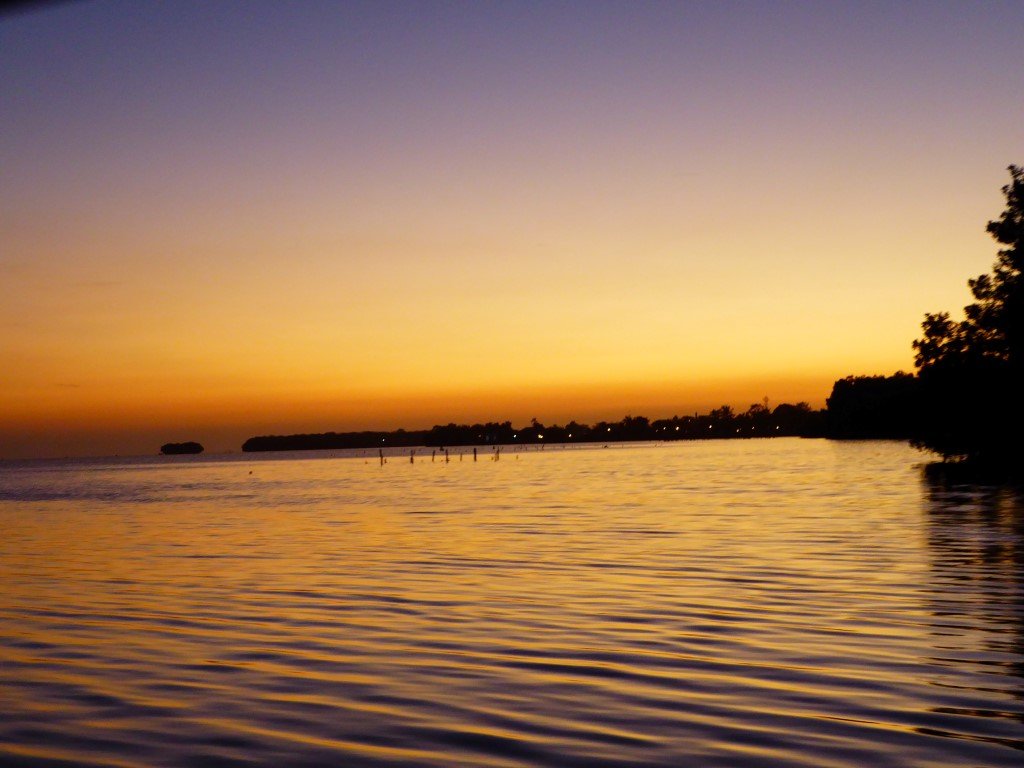
Come evening, the golden light transforms the village into a tableau vivant. Families gather on their terraces, children play dominoes and conversations are exchanged from house to house. Some houses have electricity thanks to solar panels, while others use generators or kerosene lamps. Drinking water arrives by tanker from the mainland, with each family storing its supply in large plastic tanks.

What to do in Nueva Venecia and Ciénaga Grande?
Birdwatching
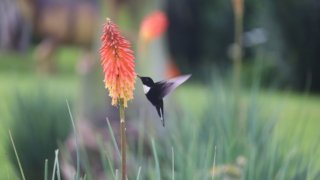
The Ciénaga is a paradise for birdwatchers both amateur and experienced. Early in the morning or late in the afternoon, you can observe dozens of species: red ibis, roseate spoonbill, snowy egret, grey heron, cormorant, American anhinga, kingfisher, osprey, and if you’re lucky, pink flamingos in the saltier areas. Migratory birds arrive between November and March, the ideal time for birdwatching.
Sailing through the mangroves
A boat trip through the mangrove forests is a unique experience. Your guide will explain the ecological importance of these extraordinary trees, which can filter salt, stabilize coastlines and act as a marine nursery. You’ll see the three mangrove species present: red, black and white, each adapted to a different water depth.
Meet the lake communities
Beyond Nueva Venecia, other villages are worth a visit: Buenavista, smaller and even quieter, or Nueva Palmira. The locals are welcoming and proud of their unique way of life. Some families even offer typical home-cooked lunches: fresh grilled fish, coconut rice, patacones (fried plantains) and homemade lemonade.
Sport fishing
Several guides offer sport fishing trips in the ciénaga. You can try your hand at catching róbalo, tarpon or snook. Fishing is done by casting or trolling, and guides generally provide all equipment.
Discover local traditions
If you visit in January, you can attend the Día de Reyes (Epiphany) festivities in Nueva Venecia, with a procession of decorated boats. In July, the Virgen del Carmen patron saint’s day features an impressive nautical procession in which all the village’s boats follow the statue of the Virgin.
Visit Pajarales
A former abandoned village turned bird sanctuary, Pajarales is now a nesting island for thousands of aquatic birds. The spectacle at sunset, when all the birds return to their nests, is unforgettable.
Taste the local cuisine
Nueva Venecia’s restaurants on stilts serve simple but tasty cuisine: mojarra frita (fried fish), sancocho de pescado (fish soup), arroz con coco (coconut rice), camarones al ajillo (garlic shrimp). All accompanied by coconut lemonade or a cold Águila beer.
Photographing the sunset
Sunsets over the ciénaga are spectacular. The water reflects the orange, pink and violet hues of the sky, the silhouettes of the houses are silhouetted against the horizon, the boats glide silently by… A magical moment not to be missed by photographers.
Practical information for visiting Ciénaga Grande
Access
From Santa Marta: 50 km west on National Road 90 to Tasajera (approx. 45 minutes by car or bus) From Barranquilla: 70 km east on the same road (approx. 1h15) Departure point for excursions: Tasajera pier
Best season
December to April (dry season): better visibility, less rain, pleasant temperatures (28-32°C) November to March: ideal for migratory birdwatching May to November (rainy season): lusher vegetation, fewer tourists, but frequent afternoon showers
What to bring
- Biodegradable sun cream (to protect the ecosystem)
- Hat or cap
- Sunglasses
- Water (1.5L minimum per person)
- Camera and binoculars for birdwatching
- Light, breathable clothing
- Light jacket or windbreaker (cool wind on the water in the morning)
- Mosquito repellent (especially in rainy season)
- Waterproof bag to protect your electronics
Practical advice
- Leave early in the morning (6am-7am) to avoid the heat and watch the birds
- Book your excursion the day before at Tasajera or via your hotel in Santa Marta
- Bring cash (Colombian pesos), as there are no ATMs in Nueva Venecia
- Follow your guide’s instructions regarding navigation and wildlife
- Don’t buy souvenirs made of shells or coral (ecosystem protection)
- Ask permission before photographing locals
- Taste the local fish, but avoid tap water (drink bottled water)

Everything about this little Colombian Venice is photogenic: pull out a second memory card. It’s easy to forget the “real” Venice and its crowds of tourists. Here, in the Ciénaga Grande, you’re alone in the world, to the rhythm of the fishermen and the birds, in an ecosystem that is rising from its ashes thanks to the tenacity of its inhabitants.
This excursion from Santa Marta or Barranquilla offers an authentic experience, far removed from the classic tourist circuits of the Colombian Caribbean coast. A unique opportunity to discover a unique way of life, a generous natural environment and a community proud of its heritage.
Tempted by this discovery?