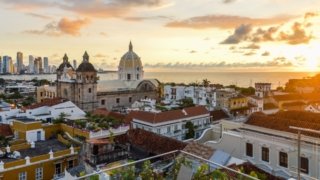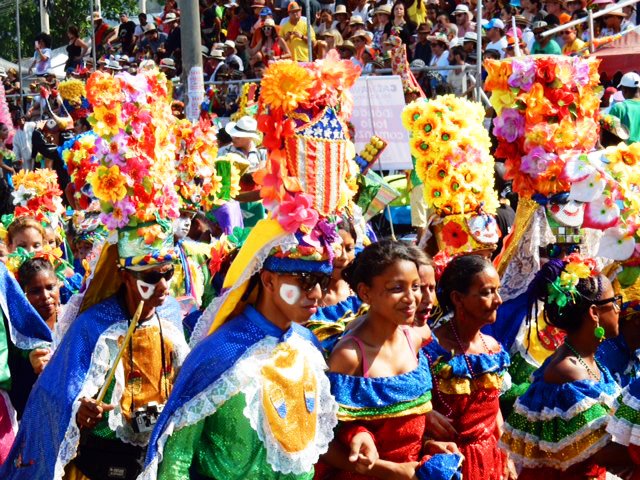
February is carnival season in Latin America. In Colombia, Carnaval de Barranquilla is the country’s most folkloric festival. Colombians and foreigners alike flock to this Caribbean city for a few days.
Barranquilla Carnival in brief
The first carnival took place over a century ago. It quickly became world-famous, as did the city that hosts it. Barranquilla, the birthplace of many artists (such as singer Shakira), is located in northern Colombia on the Caribbean Sea. The third-largest carnival in the world behind those of Rio de Jainero and Venice, it brings together nearly 2 million people, both Colombians and international travellers.
In November 2003, the Barranquilla Carnival was proclaimed a Masterpiece of the Oral and Intangible Heritage of Humanity, and in November 2008 it was inscribed on UNESCO’s Representative List of the Intangible Cultural Heritage of Humanity
How the Carnival unfolds
Barranquilla’s Carnival lasts just a few days in February, but is preceded by a period of festivities starting in mid-January. During this long period, the whole city lives to the rhythm of the festivities and prepares for the official launch. Every day offers visitors from all over the world colorful parades, musical parades and demonstrations of regional dances. The carnival officially kicks off with the“Battle of the Flowers” and features Afro-Indigenous dances such as the Torito or the Conga.
Practical information about Baranquilla Carnival 2026
Carnaval de Barranquilla 2026: Complete guide to attending
The Barranquilla Carnival is one of Colombia’s most important folkloric celebrations. Every year, it transforms the capital of the Atlántico into an open-air theater, and ranks third in the world after Rio de Janeiro and Venice
Dates and duration
Carnaval de Barranquilla 2026 takes place from February 14 to 17, 2026, the four days preceding Ash Wednesday according to the Christian calendar. These four days mark the culmination of a month of pre-Carnival preparations and events that begin in January
Cultural context
Recognized by UNESCO as a Masterpiece of the Oral and Intangible Heritage of Humanity since 2003, Carnaval barranquillero is a blend of African, indigenous and Spanish traditions. This cultural fusion is expressed through rhythms such as cumbia, porro and mapalé, which echo through the streets of the Caribbean city
Carnival 2026 program
Saturday, February 14: La Batalla de Flores
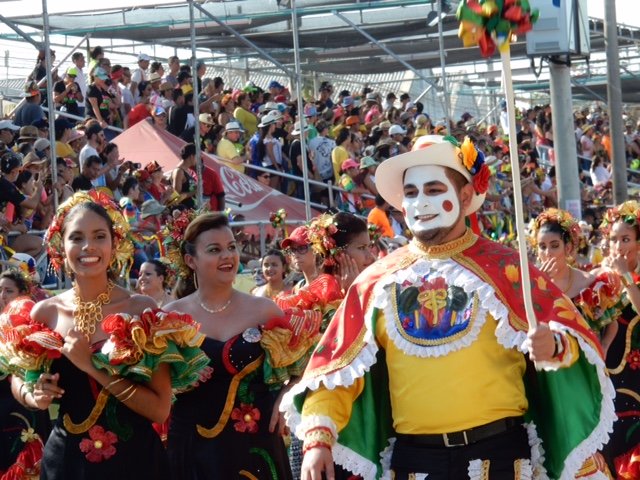
The carnival’s main event officially inaugurates the festivities. The parade features floats, costumed folk groups and orchestras that set the tone for the celebration. The parade follows Vía 40, the main parade route
Sunday, February 15: La Gran Parada de Tradición
This procession celebrates the traditional folkloric expressions that have earned Carnival its international reputation. Ethnic groups parade in colorful costumes, embodying the cultural diversity of Colombia’s Caribbean coast
Monday February 16: La Gran Parada de Comparsas
A colorful river of people makes up this parade where traditional and fanciful comparsas create a spectacle of color, feathers and sequins
Tuesday February 17: Joselito Carnaval’s funeral
The festivities come to a close with this tradition in which the “widows” mourn the death of Joselito, a symbolic figure representing the spirit of Carnival. This ritual marks the end of the festivities in an atmosphere that is both solemn and festive
Pre-carnival events
Several celebrations precede the official carnival
- La Lectura del Bando: official opening ceremony of the festivities
- La Guacherna: night-time procession of lanterns and traditional dances
- La Noche del Río: concert celebrating the music of the Magdalena River
- La coronación de la Reina: crowning of the Carnival Queen (Queen 2026 has yet to be announced)
Practical preparations for Carnival
What to wear
The dress code favors bright colors and Caribbean motifs. Avoid dark outfits and opt for
- Light cotton clothing
- Comfortable walking shoes
- Hat or cap
- Colorful carnival headbands for women
Recommended equipment
- High-protection sun cream
- Small belly pouch for valuables
- Water bottle (refillable on site)
- Mosquito repellent
- Waterproof or protected camera
Local gastronomy
Carnival offers the opportunity to discover the richness of Caribbean cuisine through street stalls
- Arepas de huevo: egg-fried corn cakes
- Empanadas: turnovers stuffed with meat or cheese
- Sancocho: traditional soup rich in meat and vegetables
- Bollo de yuca: cassava bread
- Limonada de coco: coconut lemonade
Traditions and customs
Traditional characters
Carnival features figures such as the Marimonda (a character with a long nose and floppy ears), the Congo and the Negritas Puloy, each with their own cultural symbolism
Carnival etiquette
- Accept sprays of cornmeal (maizena) and foam
- Participate in impromptu street dances
- Respect folk groups and their traditions
- Let floats and comparsas pass
Cultural immersion
For an authentic experience, take part in pre-carnival dance workshops in January, visit Casa del Carnaval to learn about the history of the festival, or attend rehearsals in popular neighborhoods
The spirit of Carnival
This celebration transcends mere entertainment to become a laboratory for social cohesion. For four days, Barranquilla suspends its daily activities to celebrate its cultural diversity, offering visitors a plunge into Colombia’s Caribbean soul. Carnaval de Barranquilla 2026 perpetuates an age-old tradition while adapting to contemporary challenges. For travelers in search of cultural authenticity, this remains a noteworthy experience in the Latin American festival landscape. For more information: https://carnavaldebarranquilla.org/https://barranquilla.gov.co/descubre/carnaval-de-barranquilla
Take advantage of your trip to Colombia to attend Carnival (or vice versa), and ask our team of experts for a tailor-made itinerary.