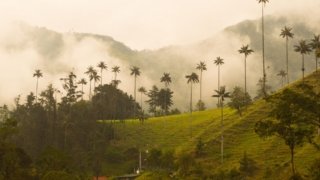
Created tens of millions of years ago by the meeting of the oceanic and continental tectonic plates, the Cordillera de los Andes bears witness to the various civilizations that have succeeded one another on its steep slopes. Stretching over 7,000 km, this mountain range is shared by Chile and Argentina to the south, and Bolivia, Peru, Ecuador, Colombia and Venezuela to the north.
In Colombia, this mountain range splits into three distinct branches: the Cordillera Occidental, the Cordillera Central and the Cordillera Oriental: Two of these end in the Colombian regions of Córdoba and Bolivar, while the third crosses the country to Venezuela.
The western Andes
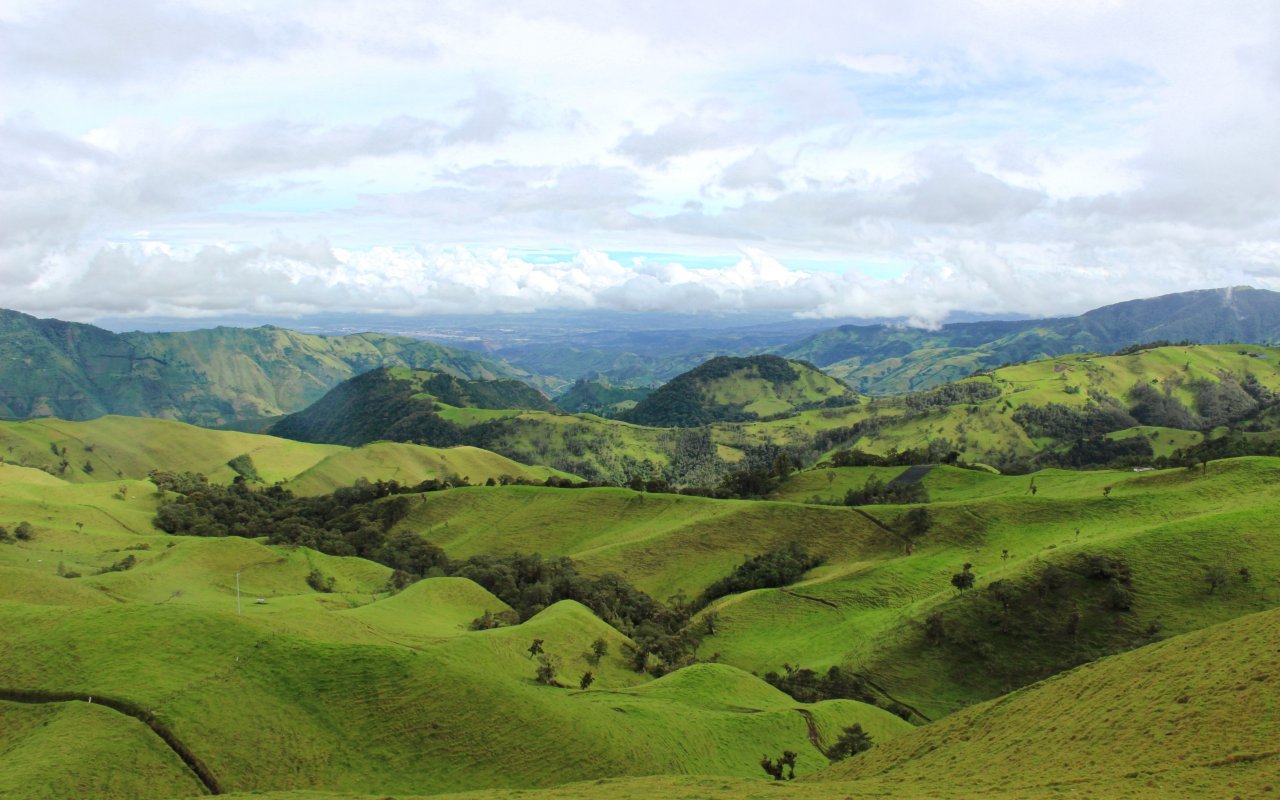
This westernmost branch of the country’s mountain range stretches for over 1,200 km, from the Los Pastos junction in the south to the Paramillo junction in the north. The western cordillera is home to the city of Cali, as well as the Farallones National Nature Park, one of the country’s largest protected natural areas, and separates the Pacific region of Choco from the rest of the country. Its highest plateaus are home to several volcanoes, including Cumbal and Chile, whose peaks exceed 4,700m in altitude.
Colombia's central cordillera

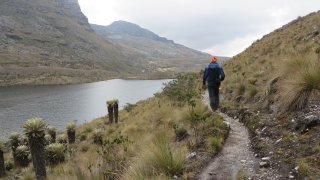
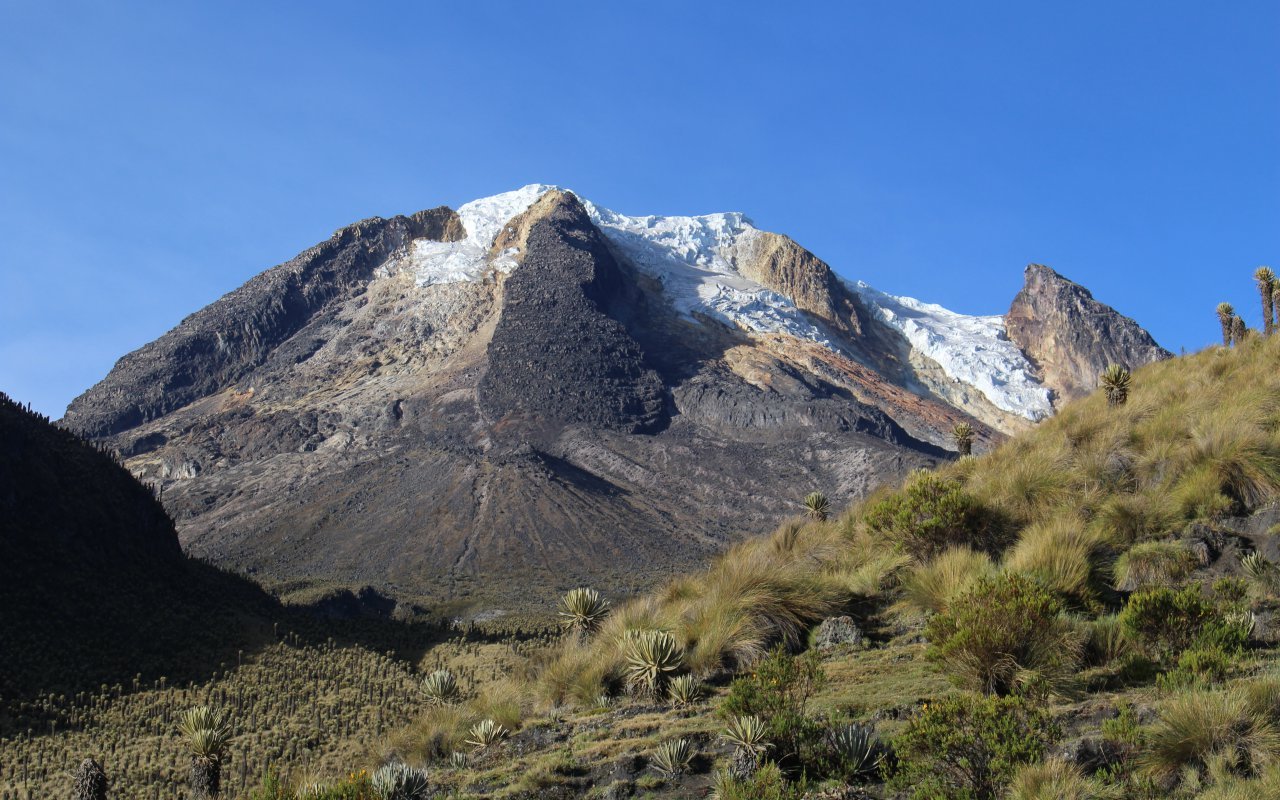
This branch, a continuation of the range from Ecuador, ends in the north of the country on the Bolivar plains. The Cordillera Central is also the source of Colombia’s two main rivers, the Rio Magdalena and the Rio Cauca. Over the years, the latter has formed the Cauca valley, whose river flows into the Rio Magdalena further north, in the swampy Bolivar region. The heart of the Cordillera Central is also home to some of the country’s highest peaks at over 5,000 metres, including the Nevado del Huila, a volcano at 5,750 metres. It is also home to a number of well-preserved natural parks, such as the Los Nevados National Nature Park and the Santuario de fauna y flora de Otún Quimbaya. The Coffee Region is also criss-crossed by the Cordillera Central, with its unique undulating landscapes of coffee and banana plantations.Medellin, Popayán and Ibagué are the main towns in the valleys carved out by this mountain range.
The Cordillera Oriental in Colombia
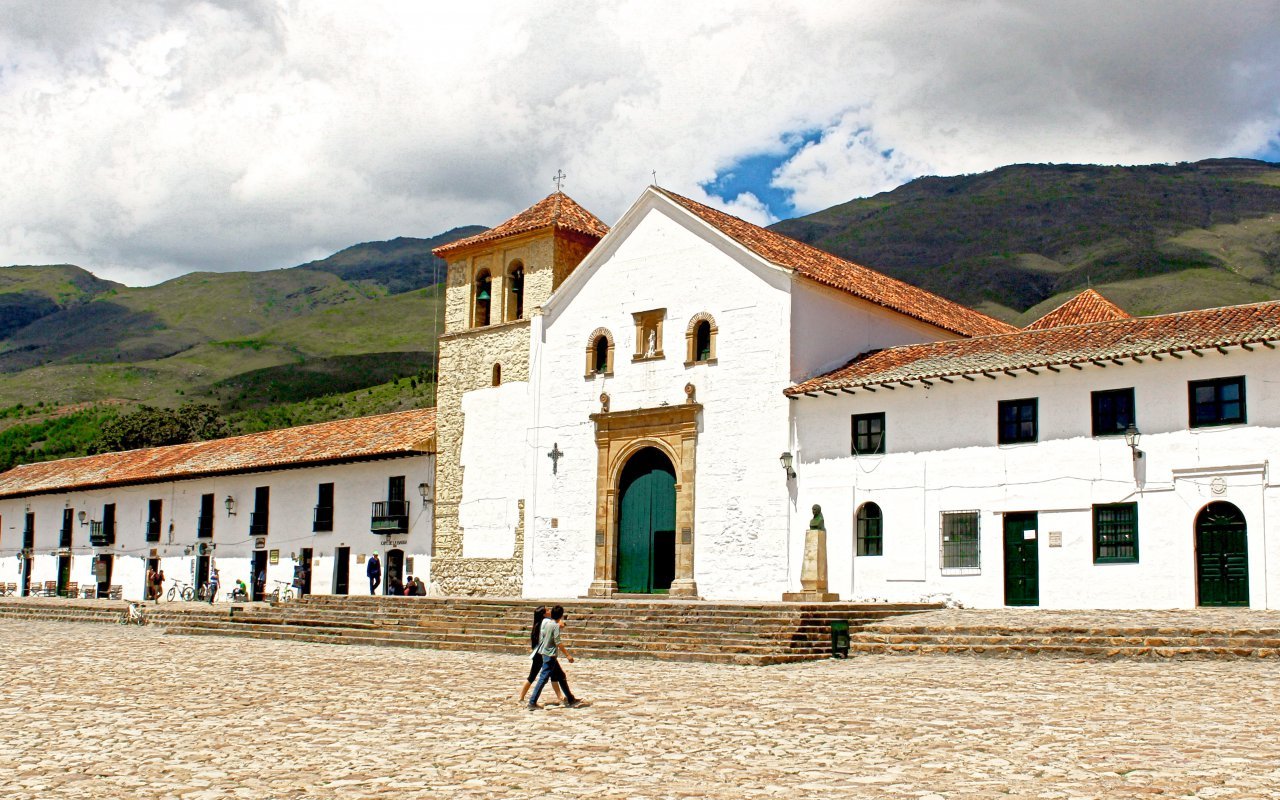
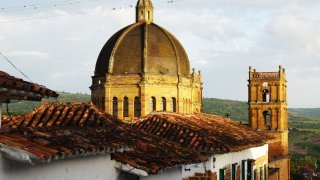
The third Andes mountain range begins in the south , in the Huila region, and extends as far as Guajira in the northeast of the country (a semi-desert region). But this mountain range doesn’t stop there, and extends over much of Venezuelan territory. In Colombia, many typical villages nestle in the heights of this cordillera, such as Barichara or Villa de Leyva, which are among the prettiest villages in Colombia. These mountain villages owe their special charm to their steep streets and colonial architecture.

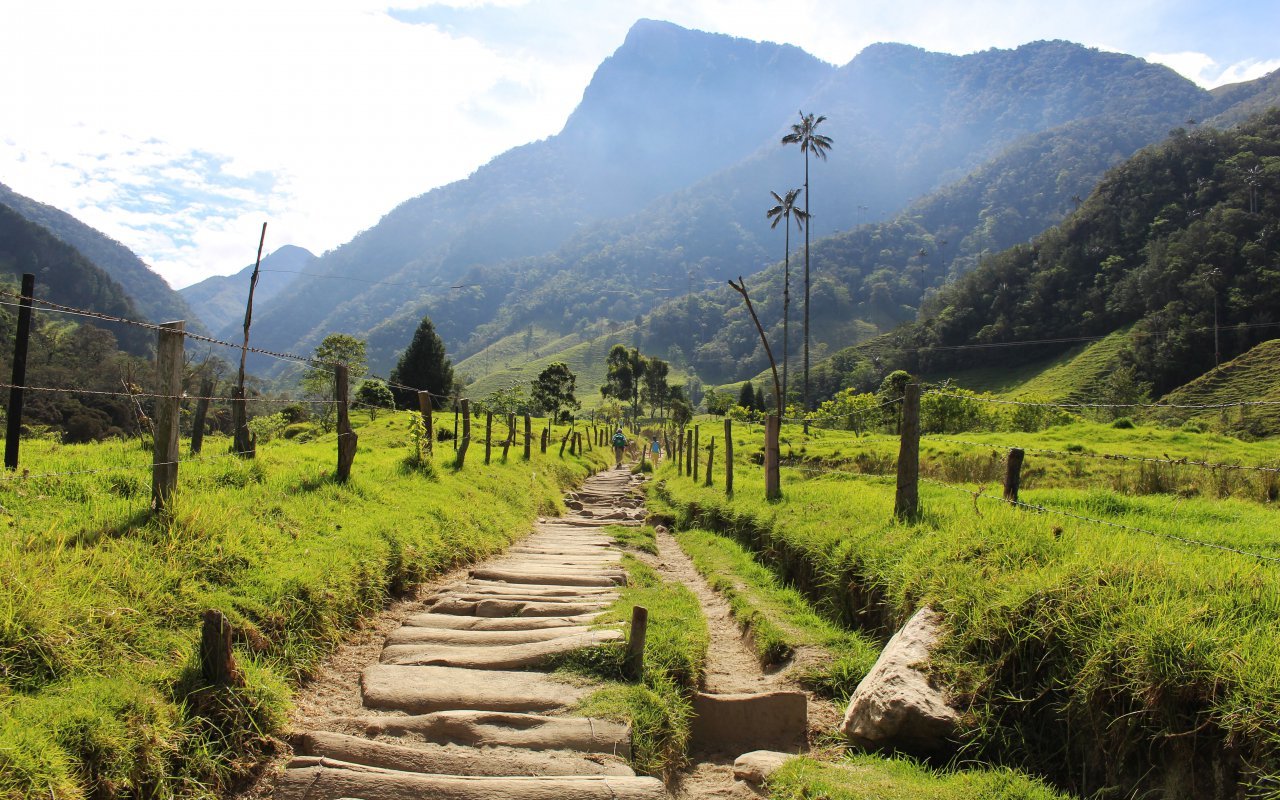
The Colombian Andes and their breathtaking vistas make Colombia an ideal destination for all types of travelers: lovers of wilderness and authentic villages, trekking enthusiasts and thrill-seekers…Terra Colombia uses its experience in the field to help you discover the wonders of the Andes and the diversity of Colombia. Discover a selection of itineraries below, or browse our list of “à la carte” trips by clicking HERE. Discover a selection of itineraries below, or browse our list of à la carte trips by clicking HERE.And don’t forget that everything can be modified to suit your desires🙂 See you soon!