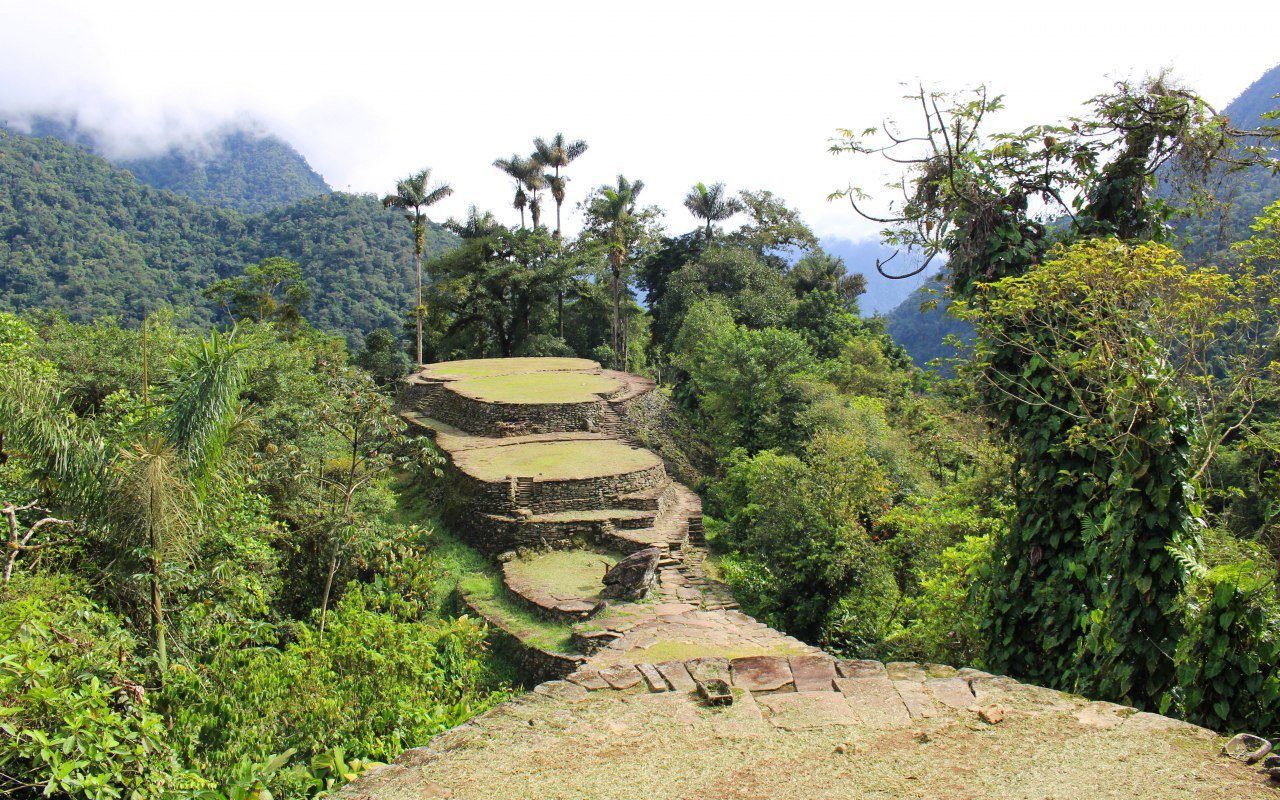
Nestled in the Sierra Nevada de Santa Marta, this ancient pre-Columbian city was probably founded around 800 A.D. by the Tayronas Indians. Abandoned during the Spanish colonization and rediscovered in the 1970s, this city built on the mountainside above the Caribbean coast is one of Colombia’s major archaeological relics. After a long trek through the subtropical jungle, you’ll discover this “lost city” in ruins, still sacred to the natives…
Teyuna, sacred place of the Tayronas
In the 1970s, after several days’ trekking through the jungle, a group of guaqueros – indigenous grave robbers – made an unexpected discovery: they had stumbled upon a priceless – and unmarketable – treasure. Before their very eyes rose a forgotten city, virtually buried under the vegetation. An incredible ruined city made up of a hundred limestone terraces built into the mountainside. Alerted by the improbable discovery, the Colombian government protected the site, and the first thrill-seeking tourists ventured there in 1984.
The lost city
Perched at an altitude of over 1,000 metres, the ciudad perdida – the Lost City – was probably built in 800 A.D. (650 years earlier than Macchu Picchu), by the Tayrona indigenous people, before being deserted during Spanish colonization in the 16th century.
Teyuna, a city not entirely unknown…
A secret place until it was discovered? Not quite.The abandoned city was in fact well known to some of the Amerindians living on this mountain – Kogis, Wiwas, Arhuacos...- descendants of the Tayronas (a people 80% of whom were decimated by the colonists), but they had “hidden” its existence. For them, Teyuna – as the natives call it – is a place steeped in mysticism, and its terraces considered ceremonial sites. “For the indigenous populations of the Sierra Nevada de Santa Marta, Teyuna Ciudad Perdida is sacred, inalienable, the guarantor of their culture and the balance of the world “*, analyses Marie-Laure Guilland, of the Institut des Hautes Etudes de l’Amérique latine.
Trek to the lost city
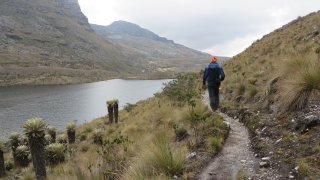
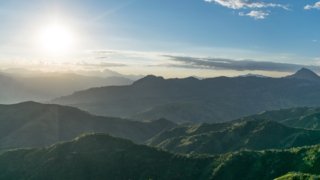
To discover the Lost City, don’t even think about taking a vehicle! From Machete Pelao, you’ll have to walk for four to six days through the subtropical jungle, which is humid, hot and muggy – rain-free days are rare here! The trek is intense (some forty kilometers round trip) and requires good physical condition: you’ll be walking through muddy paths and magnificent but hostile vegetation.
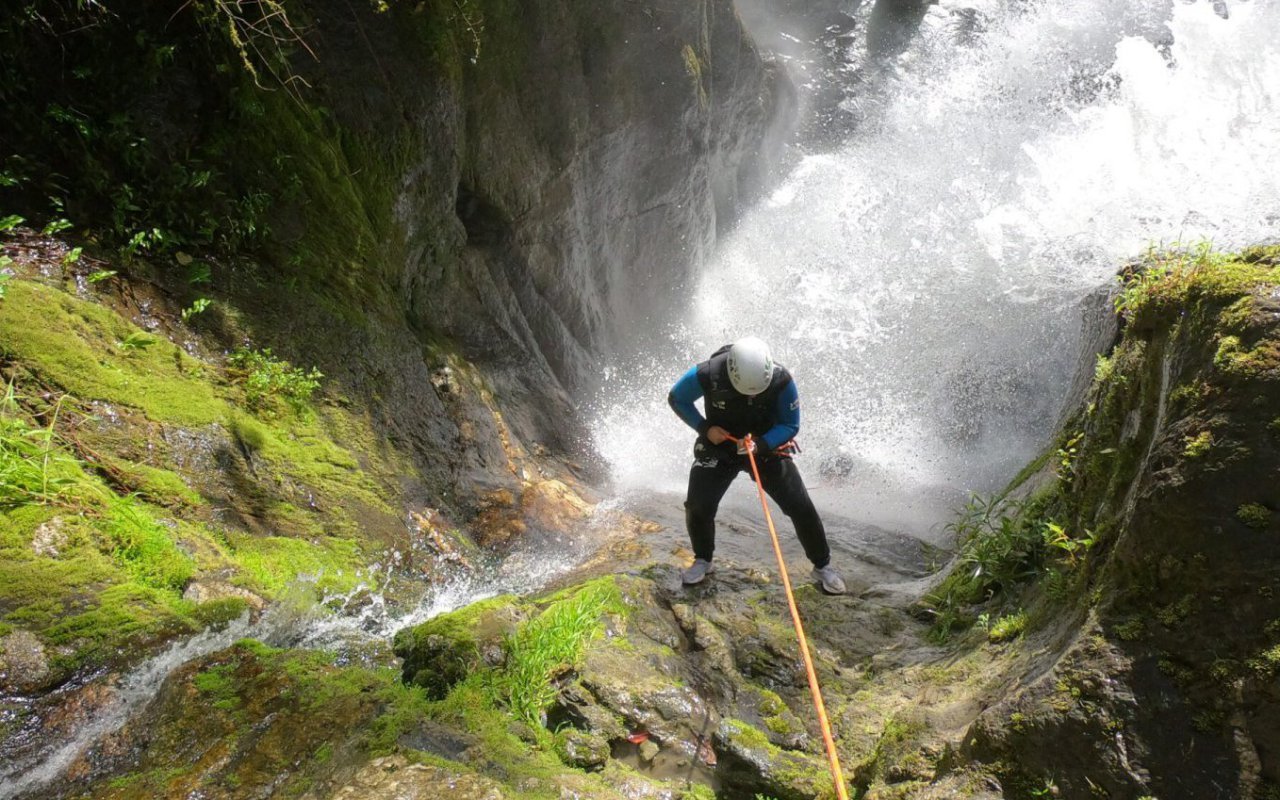
It involves crossing numerous rivers, including the Rio Buricata, punctuated by splendid waterfalls. “This symbolic journey acquires a sacred and initiatory character. To reach Teyuna Ciudad Perdida, the fatigue, effort and risk imposed by the hostility of the place appear to be the symbolic equivalents of rites of spiritual purification.”

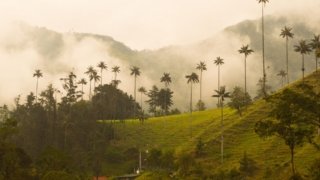
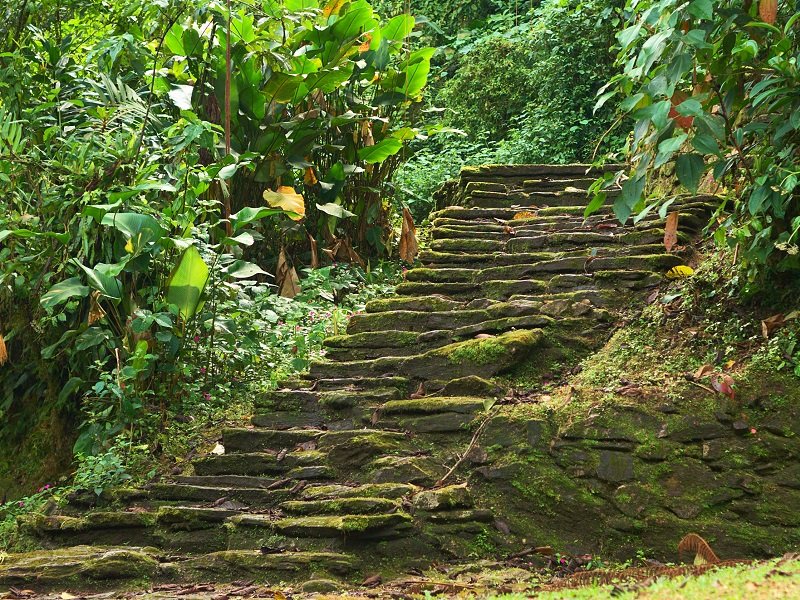
And just when you think you’ve reached your goal, you have to climb another 1,200 stone steps (allow an hour and a half!). At the top, circular grassy terraces, linked by staircases and served by the remains of complex water distribution systems, are revealed. The Tayronas huts have disappeared. Nestled in a breathtaking virgin forest, the Lost City is encircled by curtains of tagua palms and tree ferns.
The Tayronas, an ingenious civilization
Little is known about the way of life of the Tayronas, a lost civilization. But the topography of their territory, from the Caribbean Sea to the highest mountain peaks, allowed them all kinds of agricultural activities, in addition to fishing and hunting. Archaeological discoveries have revealed that they were highly skilled craftsmen, ceramists and goldsmiths of the highest order. Great builders, the Tayronas had dotted the massif with villages, linked by stone paths. Above all, they were daring architects: to adapt to the slopes of the land, they became experts in terraced construction – for both housing and agriculture. Their architecture consisted in preventing erosion caused by rainfall on the slopes, thanks to an efficient rainwater distribution network. This ability to carry out large-scale earthworks suggests that their social organization was efficient.
Political and economic center of the Rio Buritaca region.
It is assumed that the Lost City, home to at least 2,000 inhabitants, was once the political and economic center of the Rio Buritaca region. “Of the twenty-six archaeological sites found to date in the Buritaca river basin, Teyuna appears to have been the largest, most important and most historic of all. It was the seat of political power for the villages,” confirms a guidebook entry.
A safe place today
Affected by armed conflict in early 2000
In the early 2000s, this remote, inaccessible site was the scene of armed conflict between the Colombian army, Farc, ELN and the extreme right-wing paramilitaries (AUC), particularly over control of the coca plantations.The site has been completely secure since 2005, with the regular army keeping a watchful eye on this major Colombian archaeological site
Would you like to discover the Lost City? Watch our trip