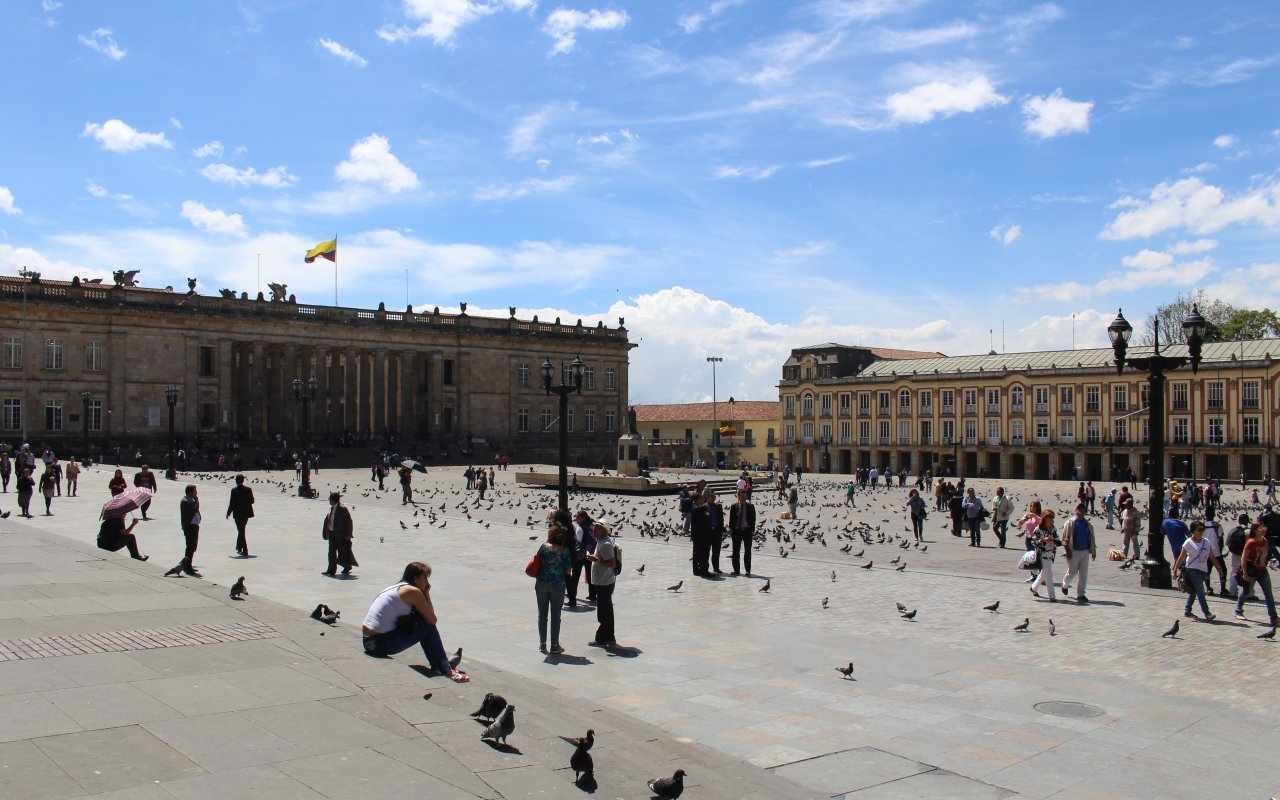
After living in Ireland for ten years, I know that my arrival in Colombia is going to be a shock, both culturally and climatically… As far as the weather is concerned, I made no mistake in swapping my yellow raincoat and boots for shorts and flip-flops, and I have a feeling I’m going to like it here… The visit to Bogotá confirmed my decision to move here, as the city is pleasant, full of color and very lively. The people are very welcoming and ready to help you whenever they can. I get the impression that Colombians are proud and honored that a foreigner can come and visit their country. I still remember my encounter with a policeman in Plaza Bolivar. He waved and came over to meet me. At that precise moment, like any good Frenchman, I wondered what I could have done to offend him. He introduces himself, asks me what I’m doing here and begins to list, in near-perfect English, the sights available around the square… I’m not reprimanded and I get some tourist tips, so I carry on, a little dubious but delighted.
During these few days in the capital, I was able to try out our city tour accompanied by a French-speaking guide. Soraya is practically bilingual and a historian, which made the visits really rich in explanations. Our day began with a tour of the city by car to get an overview of Bogotá. We stop off at the Paloquemao market to sample some fresh fruit juices, which is an unforgettable moment for me, as a lover of good produce and cuisine. The colorful stalls of fruit and vegetables leave me dreaming, and we taste some fruits that were still unknown to me; mangostino, granadilla, lulo, they’re all excellent. The colors, scents and auctions make this a truly atypical place.

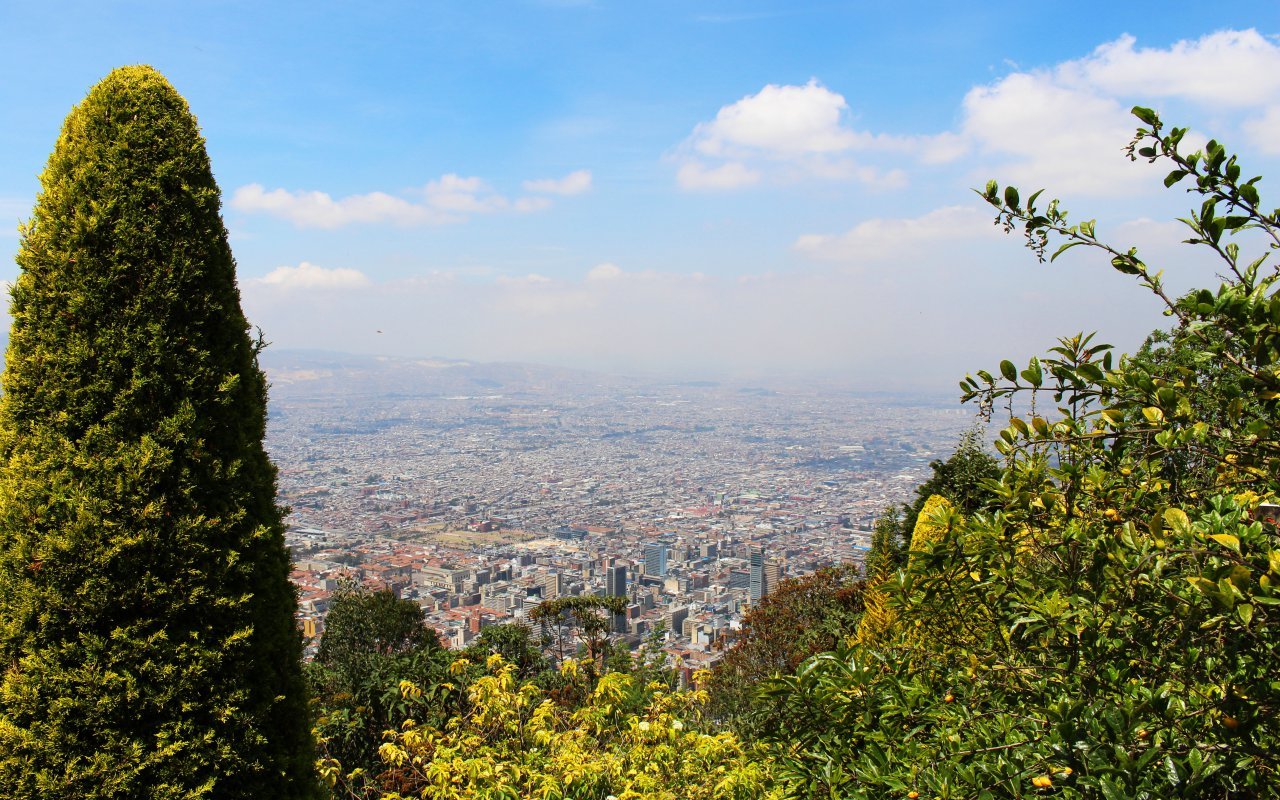
The tour continues with a cable car ride up to Monserrate. At the very top, the church dominates the city, which looks truly immense, and the view is breathtaking..
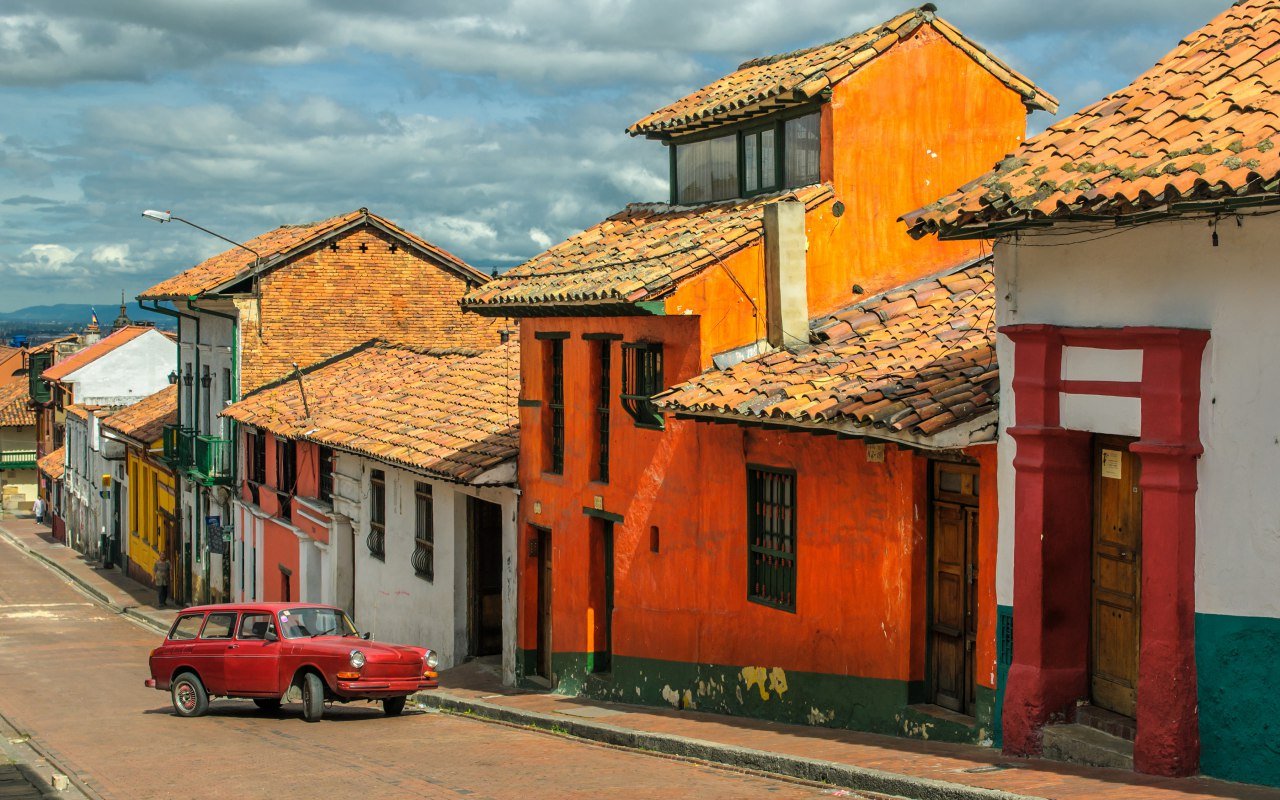
We head back down to the popular Candélaria district. There’s something to see around every corner, and the area is very lively and attractive with its small, colorful houses. We arrive at the Plaza Bolivar for an explanation of the history and buildings there, and the place is really full of memories. We continue on to the Gold Museum. I’m still in awe of the ornaments worn by the chiefs of the Muisca tribes. The collection is impressive and enriches my knowledge of the indigenous culture.

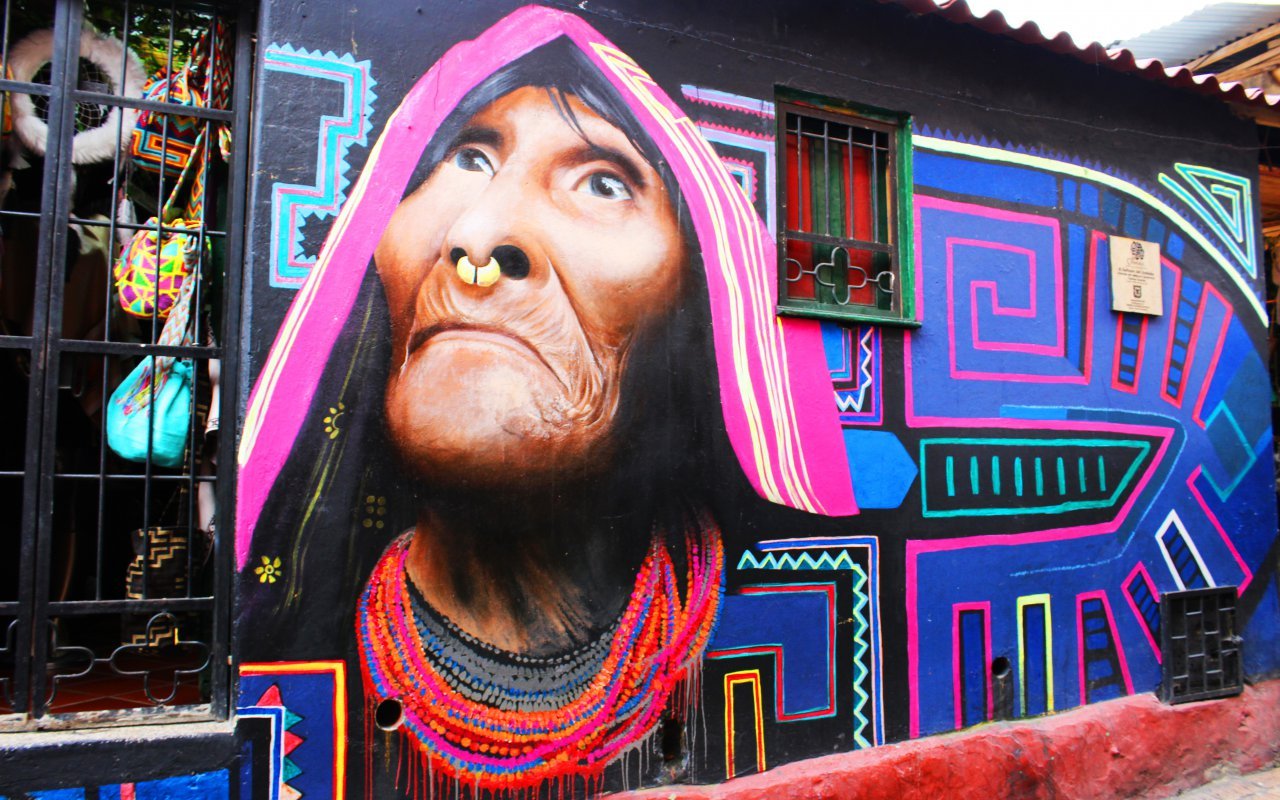
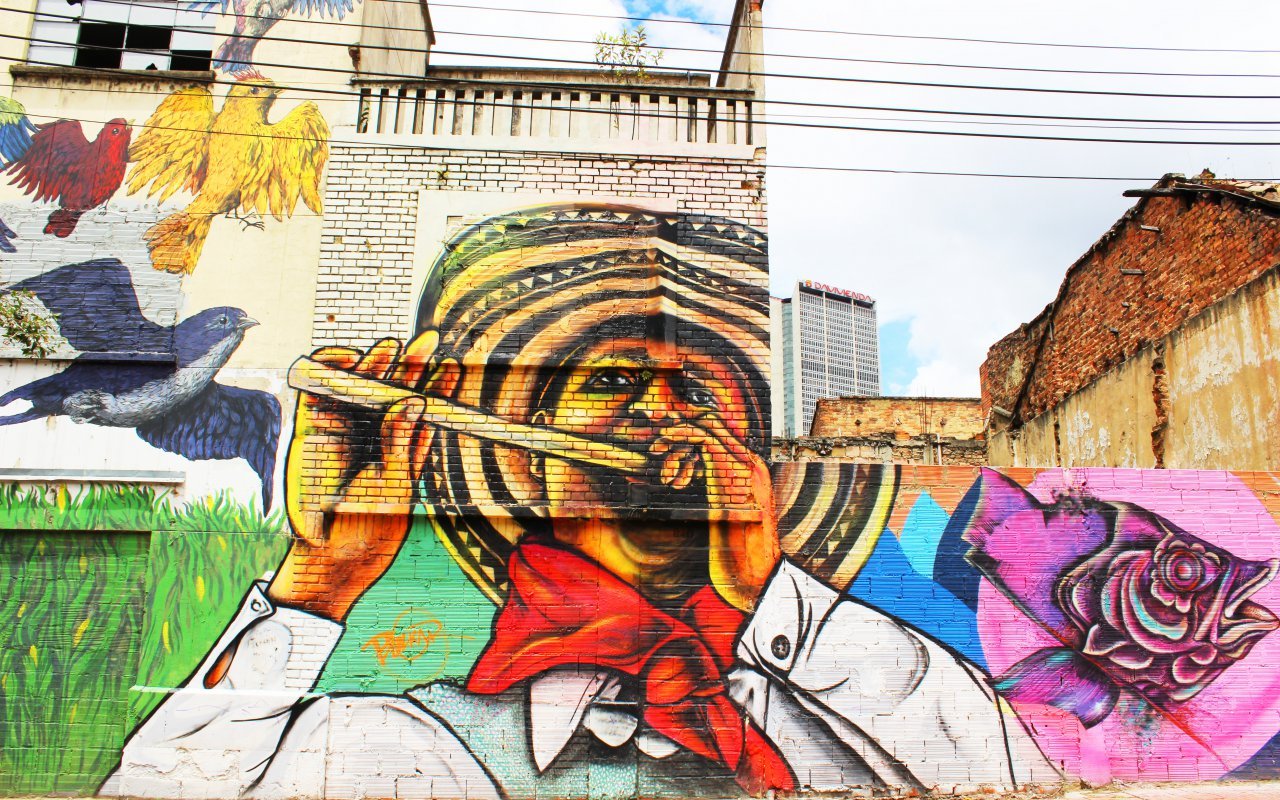
The Botero Foundation is a fine tribute to the artist, with many great names on display: Picasso, Monet, Dalí… Thank you, Mr. Botero, for this wonderful exhibition! During a second day of discovery, I was able to discover the confidential world of the emerald trade. Accompanied by an expert guide in the field, we were given access to the different worlds of the precious stone, normally inaccessible to the public. Polishing, stone cutting, trading on the street or in an ultra-secure office, all the links in the chain are explained to me in detail. It’s on my bike that I discover a new facet of the Colombian capital that particularly appeals to me: graffiti. Their names are Toxicomano, Bicromo or DJ LU, and they are Bogotá’s new graffiti artists. At first, graffiti was done illegally on the city’s walls, until a young artist was shot dead by the police in an affluent neighborhood. The case was hushed up for a while, but thanks to the tenacity of the “delinquent’s” entourage, the press revealed the blunder to the public. The mayor’s office, wishing to improve its image and that of the police, authorized and even financed artists to express themselves on the city’s walls. The finest works are to be found along Carrera 30 and in the Las Nieves district. Some are immense, covering buildings to their full height. Many subjects are dealt with, but those that come up most often are corruption, the plundering of the country’s resources, social inequality, but also tolerance, love between peoples and poetry. Bogotá’s graffiti is gaining an international reputation and is now an integral part of the city’s soul.
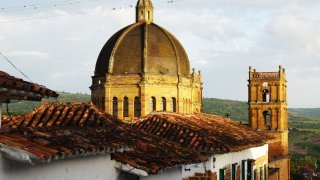
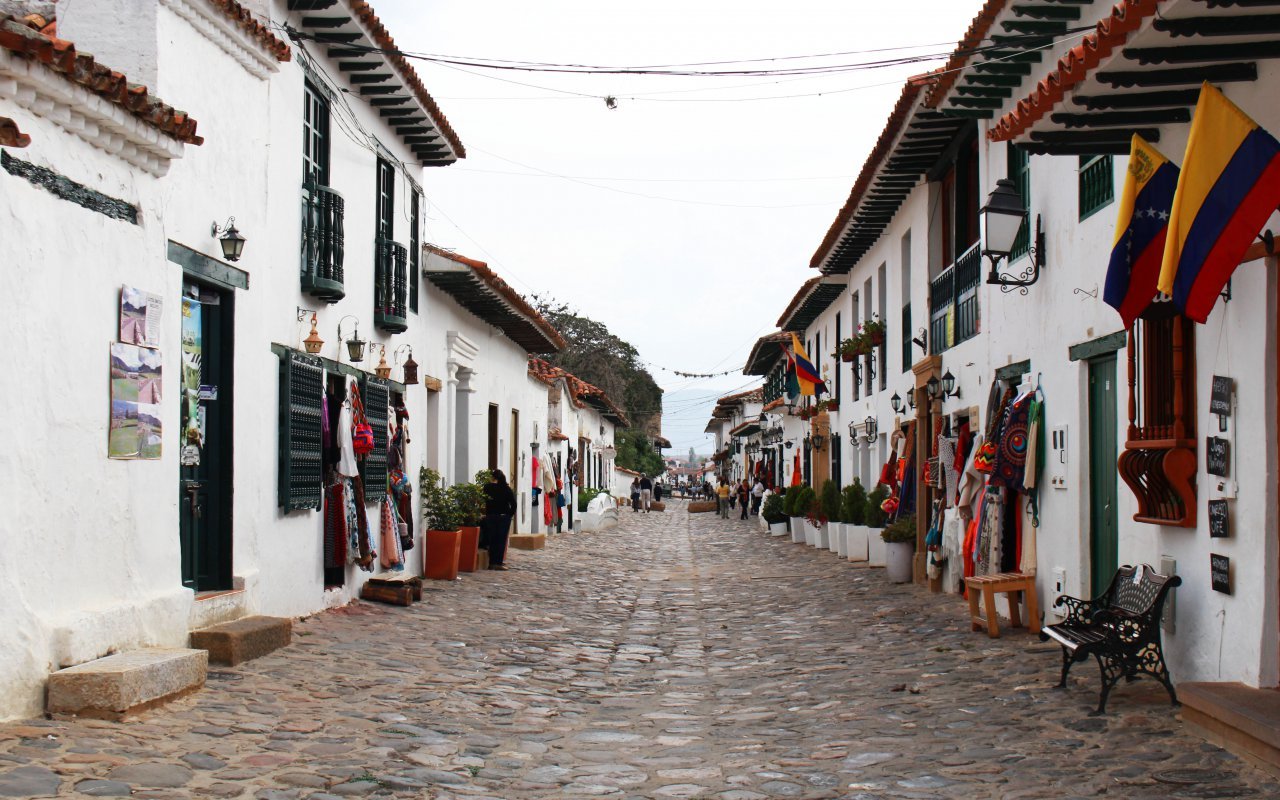
My adventure continues north of Bogotà, in the Boyaca region. Arriving in the small town of Villa de Leyva, I feel a sense of calm after the few days spent in the capital. It’s very pleasant to stroll through the streets in the evening to take in the charm of this colonial city.
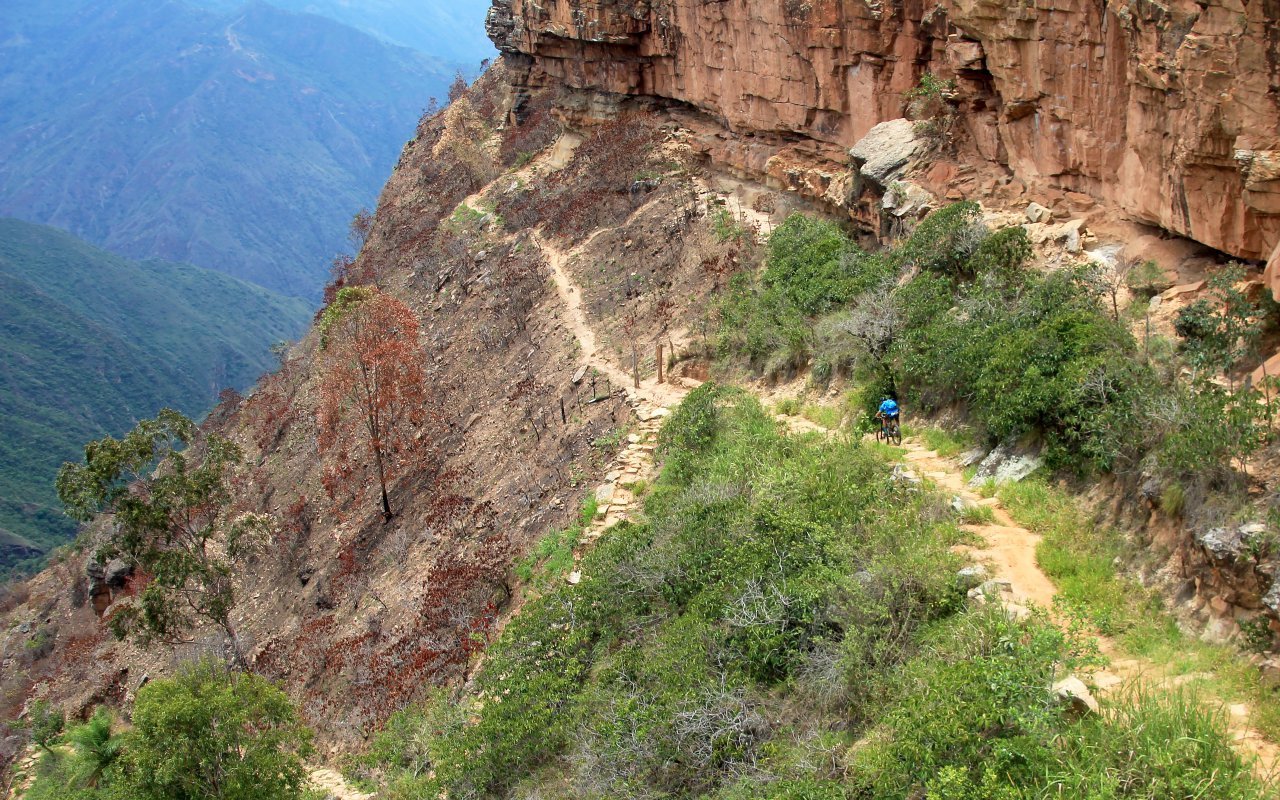
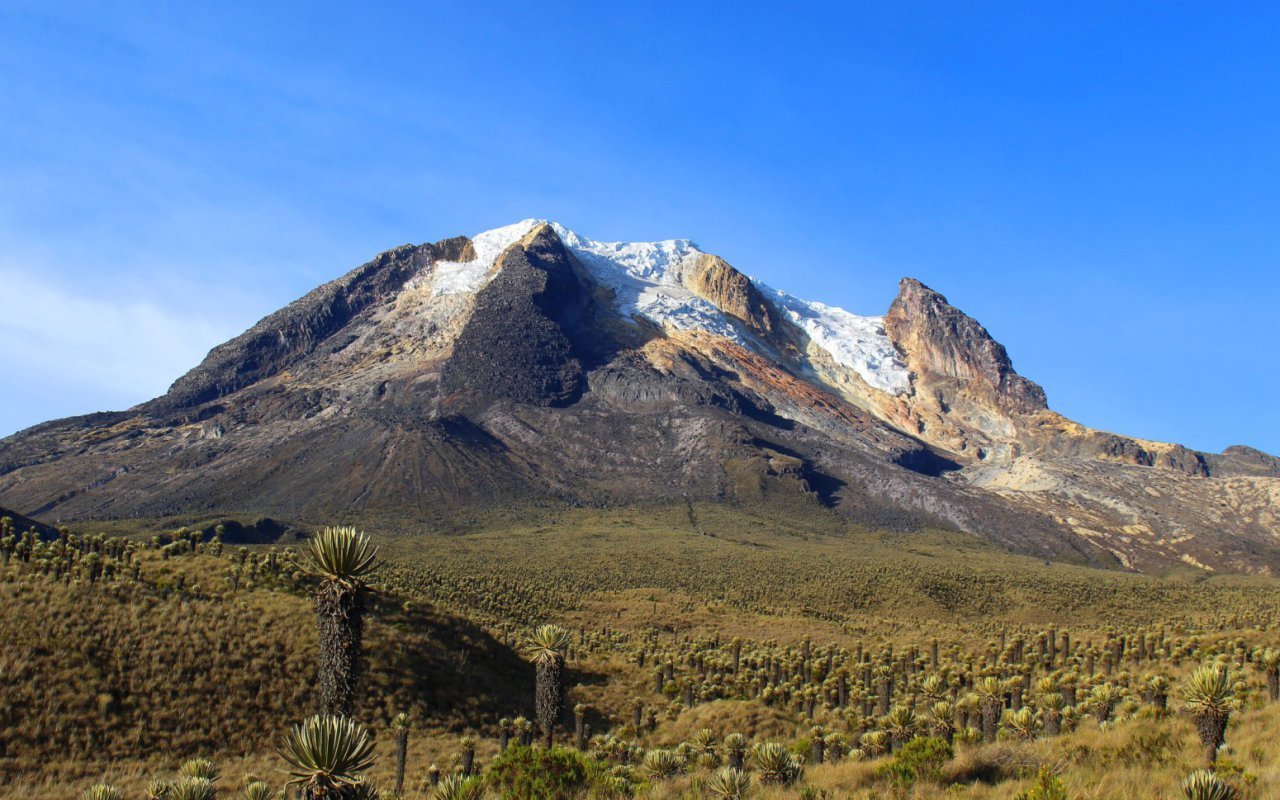
The next day, Julían is waiting for me for a high-altitude hike in Iguaque National Park. After checking our equipment, a 4×4 drops us off at the park entrance, some ten kilometers from the hotel. The first part of the hike takes place under a rather pleasant canopy of vegetation, protecting us from the sun and allowing us to observe the birds at very close quarters. As we climb higher and higher, the vegetation changes until we reach the Páramo. In this very special Andean biotope, we find the “frailéjon”, a plant with the property of fixing humidity in the air. At an altitude of 3700m, we arrive at Lake Iguaque, a place of great importance to the indigenous populations of the region, who regularly came here on “pilgrimage”. The next day was a sort of hazing to welcome me to Terra Colombia. Having stipulated that I wasn’t necessarily at ease on a horse, Julie kindly arranged for me to go horseback riding in the countryside around Villa de Leyva. In the end, it was a very pleasant day, thanks to the advice and good humor of Raúl, my guide for the day.
to finish my tour and recover from the previous day’s emotions, I visit the Ecce Homo monastery and the village of Raquira, famous for its clay pot factory. Finally I arrive in Pereira, where the Terra Colombia team gives me a warm welcome. It feels a little like coming home..