Introducing Providencia: Colombia’s unspoilt gem
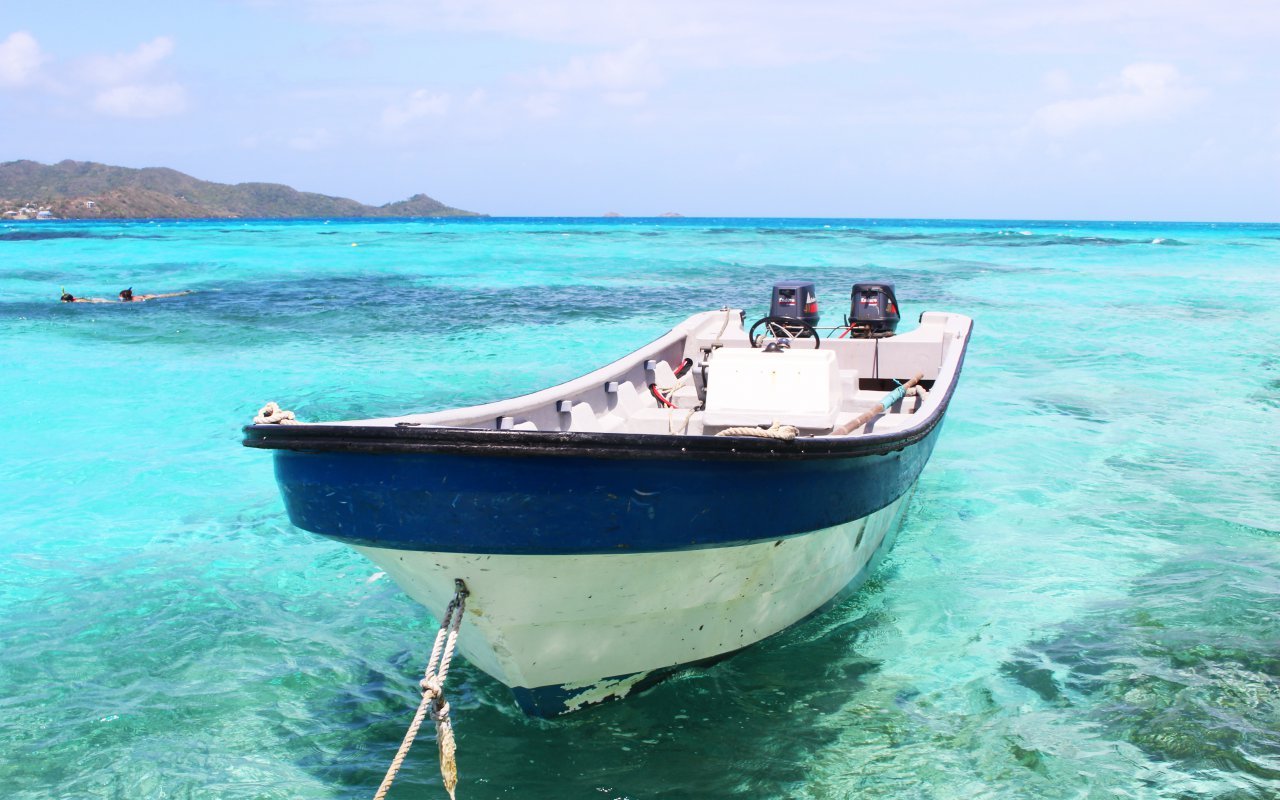
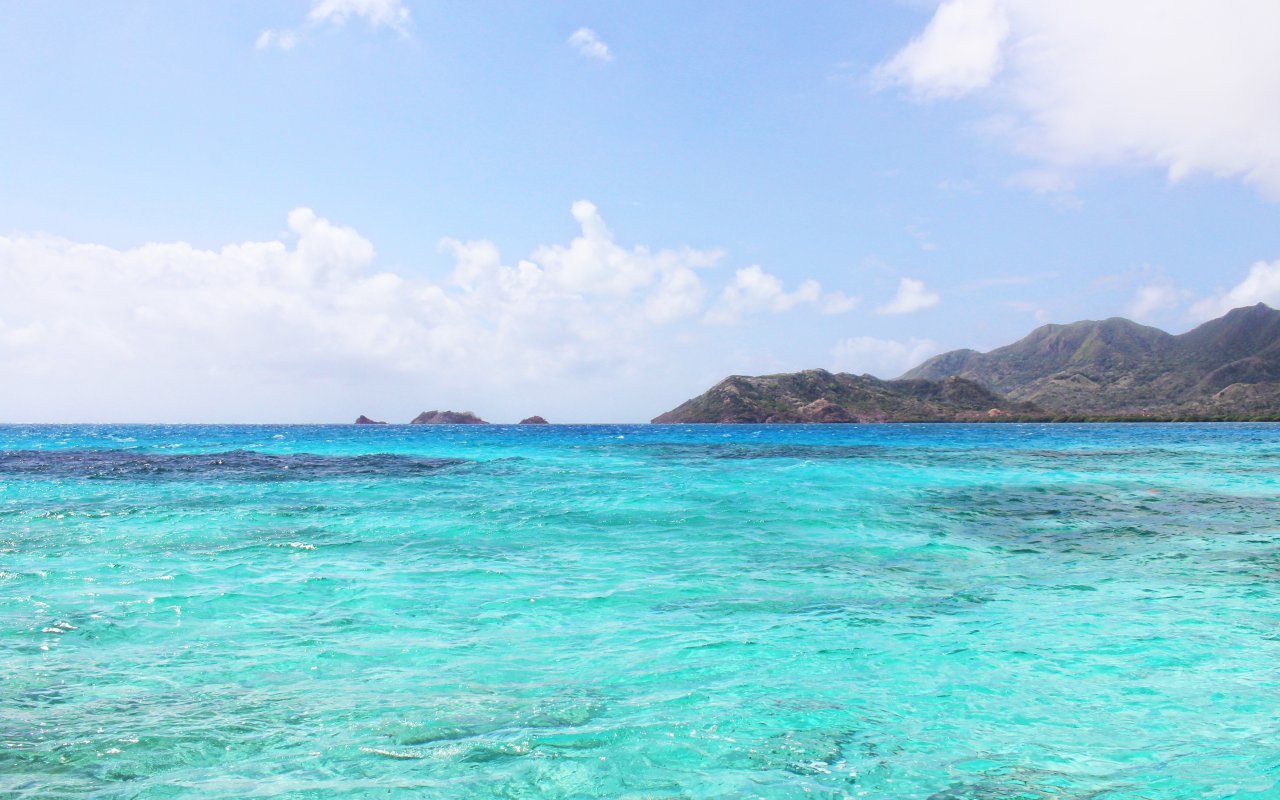
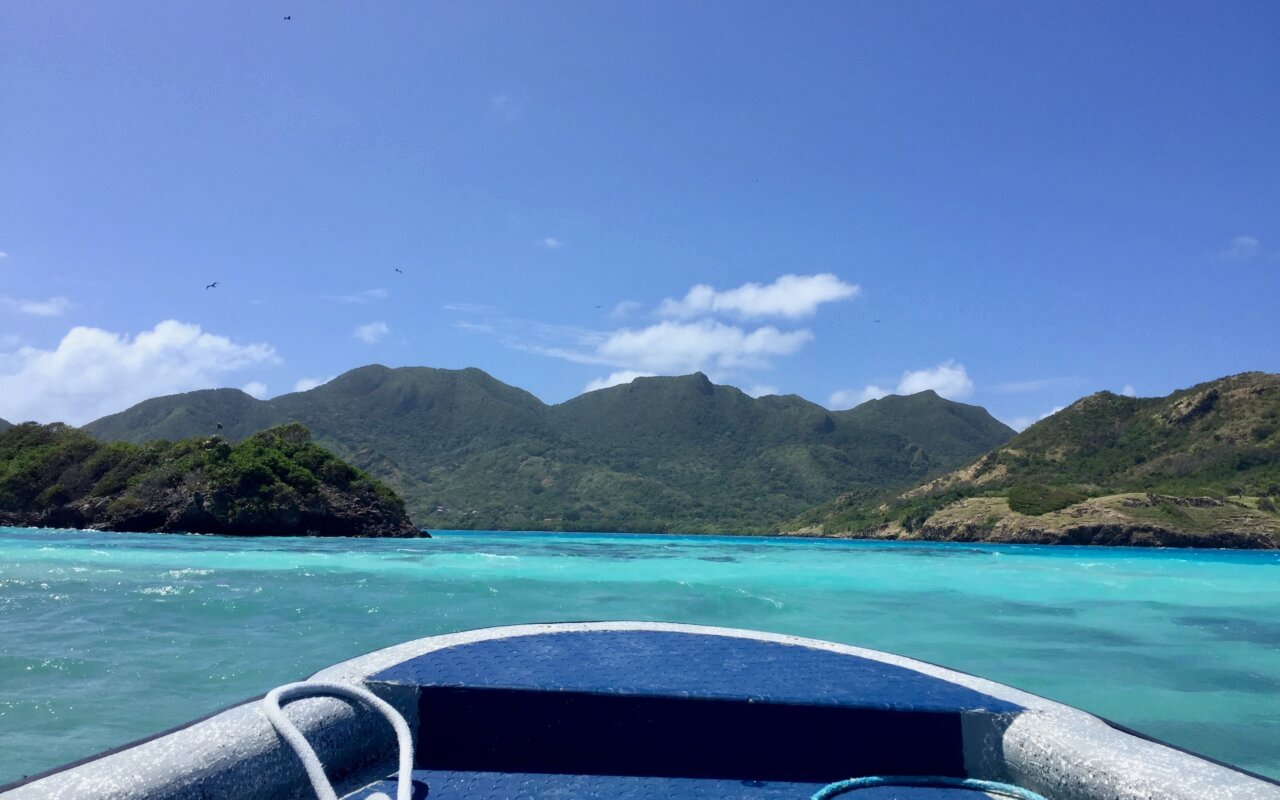
Located 775 kilometers northwest of the Colombian mainland and just 220 kilometers from Nicaragua, the island of Providencia embodies what many travelers imagine to be a Caribbean paradise: turquoise waters in multiple shades of blue, white sand beaches fringed by coconut palms, a spectacular coral reef and an authentic Creole atmosphere. With its 17 square kilometers and around 5,000 inhabitants, Providencia remains one of the least-visited destinations in the Caribbean, welcoming just 13,000 visitors a year before the pandemic.
The island is part of the archipelago of San Andrés, Providencia and Santa Catalina, recognized as a biosphere reserve by UNESCO in 2000 for its exceptional ecological importance. Santa Catalina, a tiny 5-square-kilometre island linked to Providencia by the Puente de los Enamorados (Lovers’ Bridge), completes this island territory of volcanic origin covered with lush tropical vegetation.
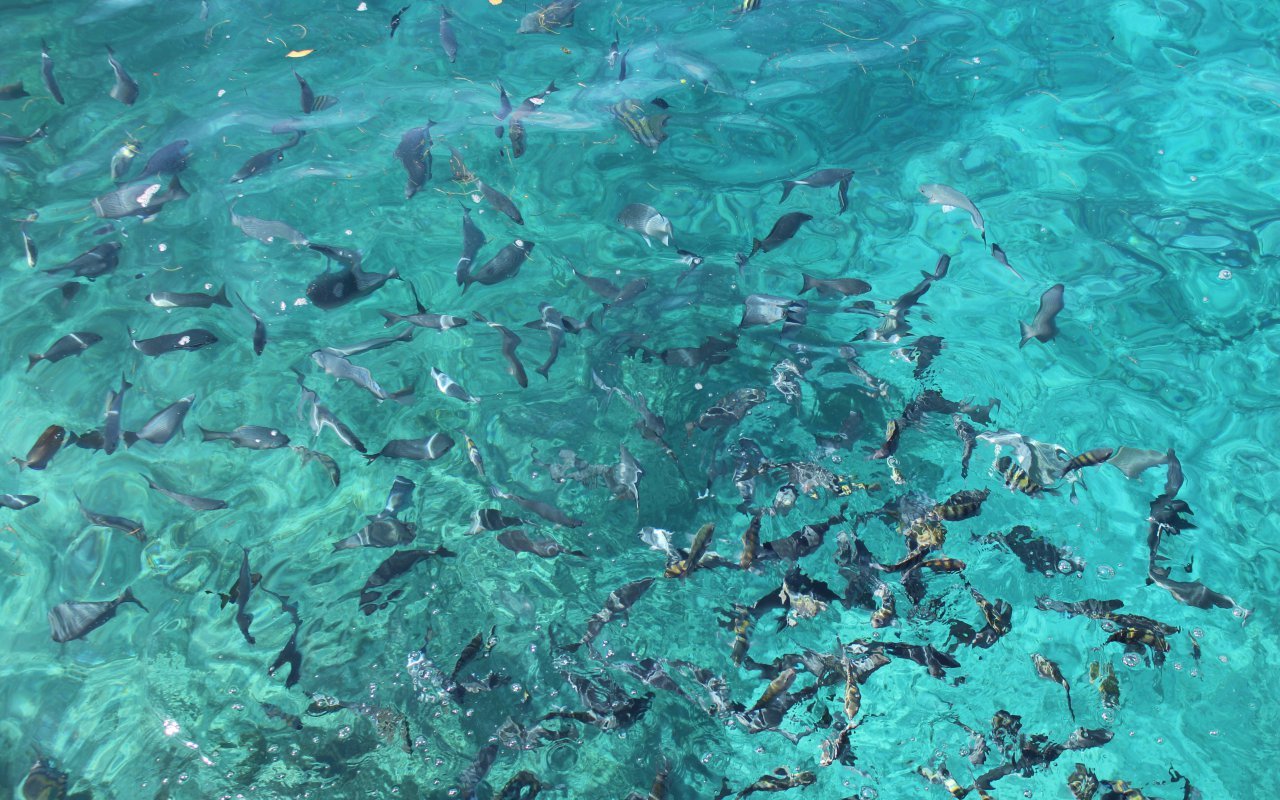
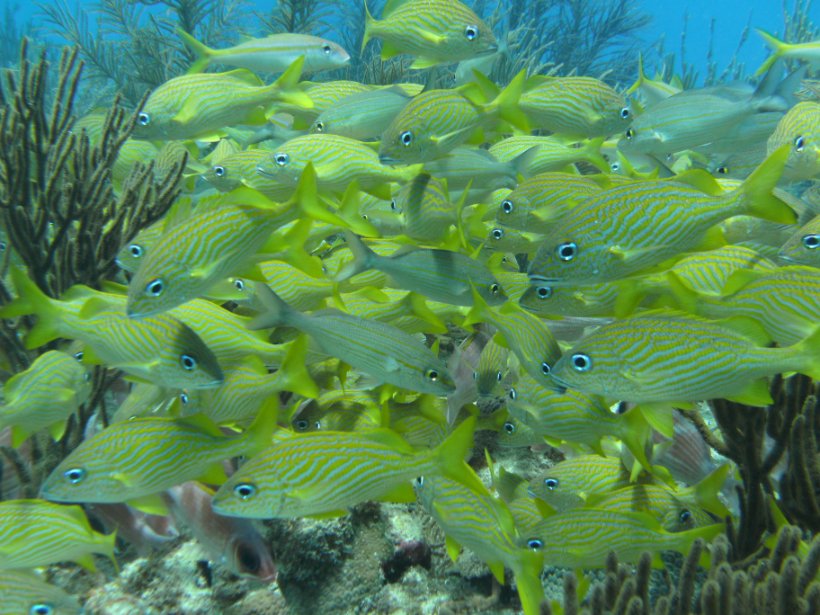
Providencia is home to the third largest coral reef in the world after Australia and Belize, stretching over 32 kilometers. This makes it a prime destination for scuba diving and snorkeling, with over 400 marine species recorded in its crystal-clear waters, which maintain a constant temperature of between 26 and 29 degrees all year round.
Located off the coast of Nicaragua, this archipelago of 6,000 inhabitants, which was colonized by the English, was once a landmark for pirates. Its inhabitants, known as Raizales (meaning Roots), have a culture very similar to that of Jamaicans and Haitians, and their mother tongue is Creole-English. Thanks to its inhabitants, Providencia has preserved its authenticity, traditions and natural riches.
Raizal history and culture: a unique Caribbean heritage
Providencia’s history reflects the complexity of its Caribbean past. Discovered by Christopher Columbus in 1502, the island was not colonized until the 17th century by English Puritans from Bermuda and Barbados. For almost two centuries, Providencia served as a hideout for pirates and privateers scouring the Caribbean Sea. The famous Captain Henry Morgan established one of his headquarters here, and legend persists that he buried treasure on the island, never found to this day.
After decades of territorial disputes between Great Britain and Spain, the archipelago finally became part of Colombia in the 19th century. Yet British influence remains deeply rooted in the local identity.
The inhabitants of Providencia, known as Raizales (meaning “roots”), form an Afro-Caribbean community distinct from the rest of Colombia. Descendants of African slaves, indigenous peoples and European settlers, the Raizales have developed a unique culture blending African, British and Caribbean traditions. Their mother tongue is an English-Spanish Creole, and many are fluent in all three languages. Reggae, calypso and soca music punctuate daily life on the island, creating a typically laid-back Caribbean atmosphere.
This strong cultural identity has enabled the Raizales to preserve their traditions, architectural practices and way of life in the face of the pressures of tourism development. Traditional colorful wooden houses, local gastronomy based on seafood and coconut rice, and Baptist religious practices all bear witness to this preserved heritage.
How to get to Providencia: practical information
Mandatory stopover in San Andrés
To reach Providencia, you need to make a stopover in San Andrés, the archipelago’s main island. Providencia’s airstrip does not allow planes from the Colombian mainland to land directly. Travellers must therefore plan their itinerary in two stages.
Reaching San Andrés from the Colombian mainland: Several airlines operate daily flights to San Andrés from Bogotá, Medellín, Cali, Cartagena and Barranquilla. Avianca, LATAM Colombia and Wingo offer regular flights. Journey times vary between 1h30 and 2h30 depending on the departure city. Fares generally range from 150 to 300 euros round-trip, depending on the season and how early you book.
Mandatory tourist card: Before boarding the plane to San Andrés, all visitors must pay the tourist card at the airline counter. This tax of around 125,000 Colombian pesos (around 30 euros) finances the conservation of the archipelago’s ecosystems. The card should be kept in a safe place, as it will be required on departure. If lost, a new card must be purchased.
From San Andrés to Providencia: two options
Option 1: By plane (the fastest) Two airlines serve Providencia from San Andrés:
- Satena: scheduled flights bookable online
- Searca: charter flights mainly for travel agencies
The small, 20-seat propeller planes make the trip in about 20 minutes. The return fare is around 500,000 Colombian pesos (110 euros). Due to limited capacity, advance booking is essential, especially during the high tourist season.
An important constraint: these airlines only accept cabin baggage weighing a maximum of 10 kilograms. Travellers must therefore travel light or leave their bulky luggage in a locker at San Andrés airport (approx. 7,000 pesos per day per item).
Option 2: Catamaran (economy) Conocemos Navegando operates a catamaran between San Andrés and Providencia on Mondays, Wednesdays, Fridays and Sundays. Departure from San Andrés at 8am, return from Providencia at 2:30pm. The crossing takes between 3h and 3h30, sometimes up to 6 hours depending on weather conditions.
As with the plane, advance booking is strongly recommended, as places are limited. Reservations are made by email(reservas1@catamaranelsensation.com or reservas2@catamaranelsensation.com), and the company generally takes 3 to 4 days to reply.
When is the best time to visit Providencia?
The dry season extends from January to April, the optimum time for a trip to Providencia, with maximum sunshine and minimum risk of rain. Temperatures hover around 27 degrees all year round, with little variation.
October is the rainiest month, while June and July can see strong winds and occasional storms. July offers the opportunity to attend the island’s carnival, a festive occasion celebrating the raizal culture.
Between April and May, a spectacular natural phenomenon takes place: thousands of black crabs descend from Providencia’s hills to the sea to lay their eggs, creating a unique spectacle that crosses the island’s roads and paths.
Things to do and see in Providencia
Scuba diving and snorkeling: the star attraction
Providencia is one of the best diving destinations in Colombia and the Caribbean. The coral reef, the third largest in the world, remains remarkably well preserved despite the pressures of climate change. UNESCO has classified most of the waters around Providencia as a protected area.
Emblematic dive sites:
Tete’s Place: considered Providencia’s most spectacular dive site. Vast plateaus of pillar coral, a species now functionally extinct in Florida but still thriving here. Home to groupers, leopard rays, spotted moray eels and countless tropical fish. Night dives reveal an exceptional bioluminescence phenomenon thanks to ostracods.
Blue Hole and Contour: spectacular vertical walls covered with multicolored sponges, some reaching depths of over 200 meters, others 600 meters, giving the impression of a bottomless abyss. Generally weak currents, suitable for divers of all levels.
El Planchón: World War II tanker wreck, shrouded in mystery. Home to an abundance of marine life, including groupers and snappers.
Bajo de San Felipe and Left Channel: shallow coral gardens bathed in light, perfect for snorkeling and beginner divers. Sea turtles, nurse sharks and manta rays are regular visitors.
Cromis and Snapper Shoal: sites rich in macro-critters, ideal for underwater photography. Exceptional density of colorful corals and sponges between 13 and 20 meters depth.
Shark watching: Providencia offers the opportunity to dive with Caribbean reef sharks, an experience sought after by experienced divers in a safe environment.
Diving conditions remain excellent all year round: warm waters (26-29°C), visibility generally over 25 meters, weak currents. The island boasts several PADI-certified dive centers offering beginner training, guided dives and advanced certification. Prices generally start at around $45 for a single dive, equipment included.
Hike to Pico (The Peak)
Providencia’s highest point, El Pico, rises to 360 meters above sea level. Hiking through the tropical rainforest offers an immersive experience of the island’s biodiversity. The trail leads through lush vegetation, home to wild basil, mangoes, spices and medicinal plants used by the Raizales.
At the summit, a 360-degree panoramic view embraces the entire island, the coral reef in its many shades of blue, Santa Catalina and, on a clear day, San Andrés in the distance. The climb takes around 1h30 to 2h, depending on your pace. A local guide will enrich the experience by explaining the uses of the plants and the history of the island.
The Peak is also home to the Providence vireon, a threatened endemic bird that finds refuge in this unspoilt forest. Birdwatchers can observe magnificent frigatebirds and shearwaters, in addition to dozens of other avian species.
Island tour by boat
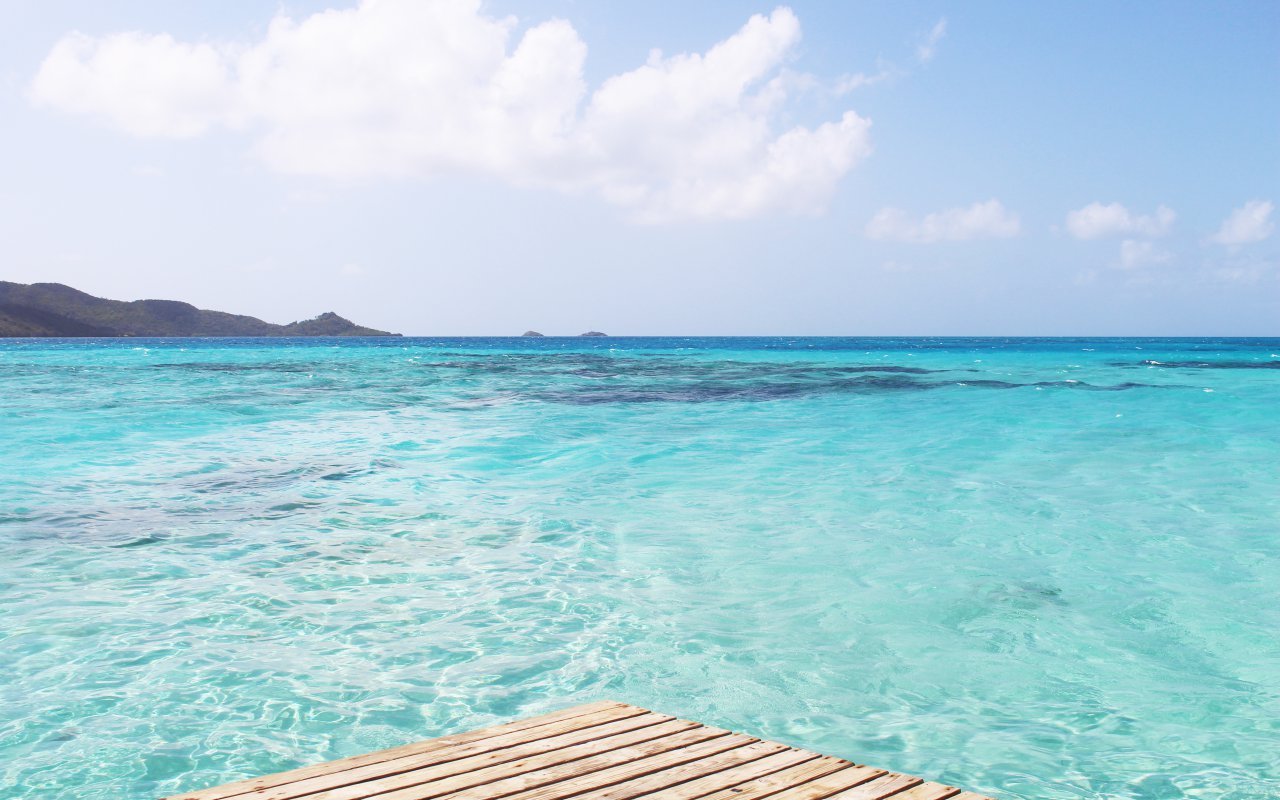
A classic day trip by boat allows you to discover Providencia from the sea, navigating the “sea of seven colors” whose variations in depth create spectacular hues ranging from pale turquoise to deep blue.
The tour generally includes :
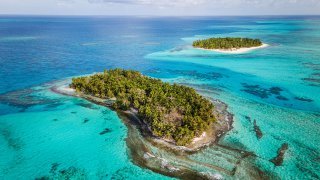
- A stop at Cayo Cangrejo (Crab Island), a 500-square-meter sandbar surrounded by crystal-clear waters, ideal for snorkeling
- A visit to Old Providence Nature Park, with some of the clearest waters on the island
- Visit Providencia’s most beautiful beaches: Manzanillo Bay, Southwest Bay, Almond Bay
- Snorkeling at several coral reef sites
- Typical fresh seafood lunch
Santa Catalina and the Lovers’ Bridge
A short walk from the village of Santa Isabel crosses the Puente de los Enamorados (Lovers’ Bridge), a 100-metre pedestrian bridge spanning a channel of turquoise waters. This bridge links Providencia to Santa Catalina, a tiny island accessible only on foot or by bicycle.
Santa Catalina has preserved the remains of forts dating back to colonial and pirate times. Morgan’s Head, a rock formation named after the famous pirate Henry Morgan, offers a spectacular view of the sea. Fort Bay, a small white-sand beach lined with coconut palms, offers an intimate setting for swimming.
The atmosphere of Santa Catalina, even quieter than Providencia, with its colorful houses and friendly locals, embodies unspoilt Caribbean authenticity.
Providencia beaches
Each of Providencia’s beaches has its own character:
Southwest Bay: considered one of the most beautiful beaches on the island, with its immaculate white sand, coconut palms and calm, uncrowded waters.
Manzanillo Beach: a lively beach with seafront bars and restaurants, ideal for enjoying freshly caught fried fish while listening to reggae music. Roland Roots Bar is particularly popular for its relaxed atmosphere and local cuisine.
Almond Bay: a quiet beach surrounded by almond trees, perfect for snorkeling close to the shore.
Freshwater Bay: protected bay with calm waters, suitable for families with children.
McBean Lagoon Nature Park
This nature reserve protects fragile mangroves, lagoons and coastal ecosystems. The area is home to iguanas, land crabs, seabirds and a flora specific to wetlands. Kayaking in the lagoons offers a silent approach to the local wildlife.
Cultural activities and relaxation
Beyond the water sports, Providencia invites you to adopt the local rhythm of life, to slow down and savor the moment. Sway in a hammock under the coconut palms, watch the locals run their horses along the beach, enjoy a rondón (seafood stew in coconut milk) with coconut rice in a family-run restaurant, watch the sun set from the southern beach, explore the back roads of the island’s interior to meet the locals.
Accommodation in Providencia
Accommodation on Providencia remains limited and authentic, as the island has voluntarily restricted mass tourism development.
Hotels and posadas: a dozen establishments offer simple but comfortable rooms, often run by raizal families. Posadas (family-run guesthouses) offer direct contact with the local culture. Prices generally range from 100,000 to 250,000 pesos a night (22 to 55 euros), depending on comfort and season.
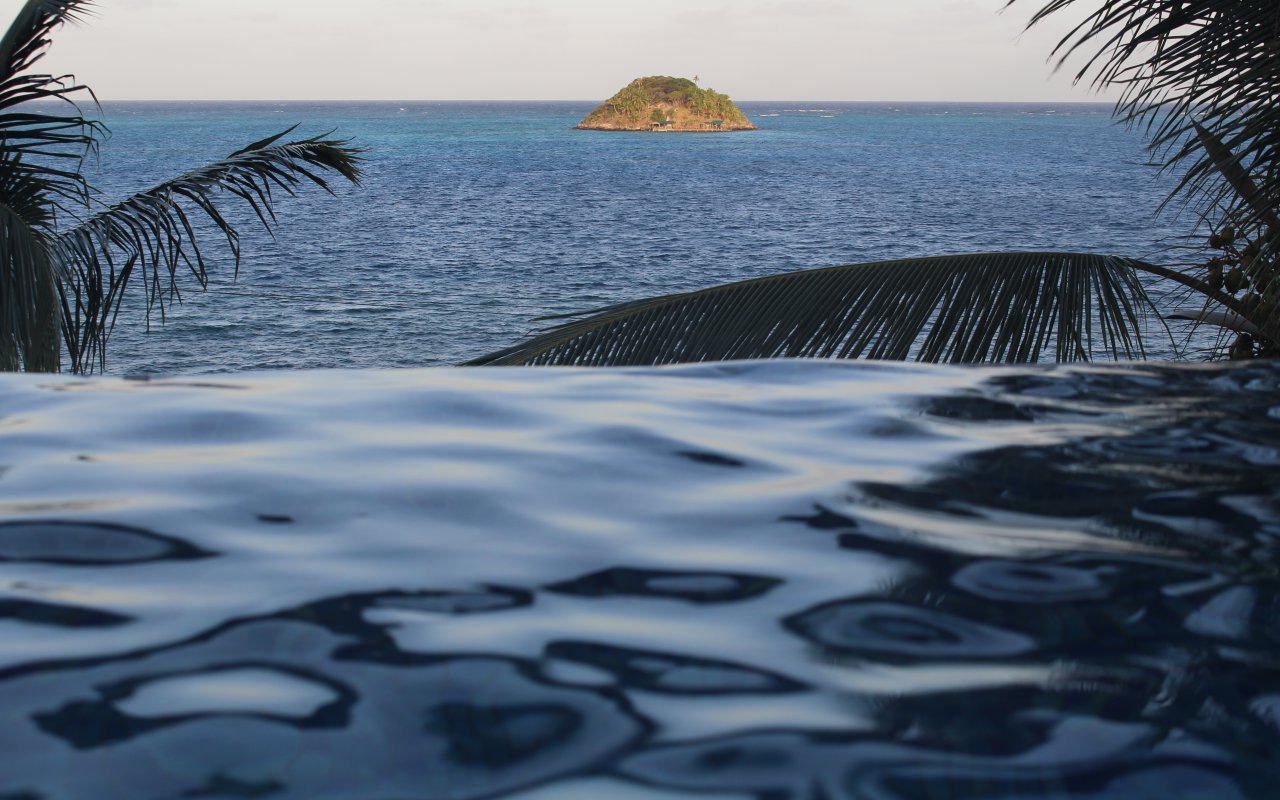
Top-of-the-range accommodation: some establishments, such as Deep Blue or Posada del Mar, offer superior comfort with swimming pool, restaurant and organized services. Rates start at 300,000 pesos per night.
Cabañas: small, typical wooden bungalows, sometimes right on the beach, offering a more immersive, rustic experience.
The island’s limited capacity means that accommodation must be booked in advance, particularly during the high season (December to April) and during Colombian vacation periods.
Local cuisine
Providencia’s cuisine reflects its Caribbean heritage, with a base of seafood, fresh fish, coconut milk and plantains.
Must-try specialties:
Rondón: signature dish raizal, a stew simmered in coconut milk containing fish, conch, yuca, plantain, yam and spices. Traditionally served on Sundays after church.
Coconut rice: rice cooked in coconut milk, giving it a characteristic sweet-savory flavor, an almost systematic accompaniment.
Grilled or fried fish and lobster: freshness guaranteed, catch of the day prepared simply to preserve its taste.
Patacón: fried, flattened slices of green plantain, served as a side dish or as a base for dishes.
Crab soup: spicy crab soup, particularly popular during the black crab migration season.
Family-run restaurants such as Café Studio, Donde Martin, or popular comedores serving authentic, generous cuisine at moderate prices (15,000 to 35,000 pesos a meal) offer the best dining experiences on the island.
Post-hurricane Iota reconstruction: an island’s resilience
On November 16, 2020, Hurricane Iota, initially classified as Category 5 and later upgraded to Category 4 with sustained winds of 250 km/h, hit Providencia with full force. Overnight, 98% of the island’s infrastructure was destroyed or severely damaged. Of the 2,000 homes, 80% were completely destroyed. Miraculously, only four people lost their lives, but the 5,000 inhabitants were left homeless.
Communications with the mainland were cut off for over 20 hours. When the first images reached the mainland, the scale of the disaster shocked the whole of Colombia. The island resembled a lunar landscape, all vegetation blackened, trees uprooted, houses reduced to rubble.
The Colombian government launched an ambitious reconstruction plan, promising to rebuild all homes within two years and invest $141 million in rehabilitating the infrastructure. By 2022, almost all homes had been rebuilt, and electricity and essential services restored.
However, the rebuilding process has been controversial. Residents, led by Raizal community leader Josefina Huffington, took the government to court, denouncing the lack of consultation with local communities and the poor quality of some of the buildings. The new houses, all identical with their blue, yellow, green or purple walls and white roofs, contrast with the island’s traditional architectural diversity.
The Raizales also criticized the use of unsuitable materials, notably the replacement of traditional concrete cisterns with plastic tanks, exacerbating water supply problems. The Colombian Constitutional Court eventually ruled in favor of the residents, ordering more inclusive consultation and the integration of traditional building practices into future projects.
In addition to physical reconstruction, Iota has accelerated energy transition projects. The government announced an ambitious plan to make Providencia Colombia’s first zero-emission municipality, with the installation of 1.8 megawatts of solar panels, battery storage systems and the encouragement of electric vehicles.
Today, Providencia is largely back to its welcoming self. Vegetation has grown back, tourist services are operating normally and the island is once again welcoming visitors. This ordeal has strengthened the resilience and determination of the Raizal community to preserve their island while preparing for future climate challenges.

Practical tips for visiting Providencia
Money: there are a few ATMs on the island, but they may be out of order or run out of cash. Bring plenty of cash from San Andrés. Some establishments accept credit cards, but not all.
Internet connection: wifi is available in most accommodations and restaurants, but the connection can be slow. Colombian SIM cards (Claro, Movistar, Tigo) work on the island, with decent coverage in populated areas.
Health: no specific vaccinations are required. Make sure you have effective sun protection (cream, hat, sunglasses), as the tropical sun is intense. Tap water is generally undrinkable; bottled water is preferable.
Respect for the environment: Providencia strives to preserve its fragile ecosystems. Visitors are asked to use biodegradable sun creams, not to touch or walk on coral reefs, not to feed wild animals, to bring back their garbage and to respect protected areas.
Language: English-Spanish Creole is the mother tongue, but Spanish and English are widely understood. A few words of Creole are always appreciated by the locals.
Recommended length of stay: a minimum of three to four days is enough to enjoy Providencia without rushing. A week is the ideal length of time to explore the island in depth, make several dives and soak up the local rhythm.
Combine Providencia with other Colombian destinations
Providencia is an ideal addition to a more comprehensive tour of Colombia, offering a seaside contrast after the discovery of colonial cities, the coffee region or natural parks.
Suggested itineraries:
- Bogotá – coffee region – Cartagena – San Andrés – Providencia (12-15 days)
- Medellín – Caribbean coast (Santa Marta, Tayrona) – San Andrés – Providencia (10-12 days)
- Complete Colombia tour including Bogotá, Medellín, coffee region, Cartagena and Providencia extension (18-21 days)
Access from Cartagena is particularly logical, allowing you to combine colonial heritage with Caribbean relaxation.


Organize your trip to Providencia with Terra Colombia
The logistical complexity of getting to Providencia, the limited flight times and the need to coordinate several stages make it invaluable to be accompanied by a local agency. Terra Colombia, a specialist in authentic Colombian destinations, designs tailor-made trips that include Providencia.
Our direct knowledge of the island, our local raizal partners and our expertise in logistical constraints mean we can optimize your stay: coordinated flight bookings, accommodation selected for its authenticity, diving activities with the best centers, suggestions for local restaurants and flexibility in organization to adapt to the vagaries of weather or transport.
Whether you’re looking for a few days’ relaxation in Providencia or want to integrate it into a complete tour of Colombia, our advisors will put together a coherent itinerary that takes into account the specific characteristics of this exceptional island.
Contact Terra Colombia to plan your discovery of Providencia, the last well-kept secret of the Colombian Caribbean, where time seems suspended between turquoise seas and authentic raizal.