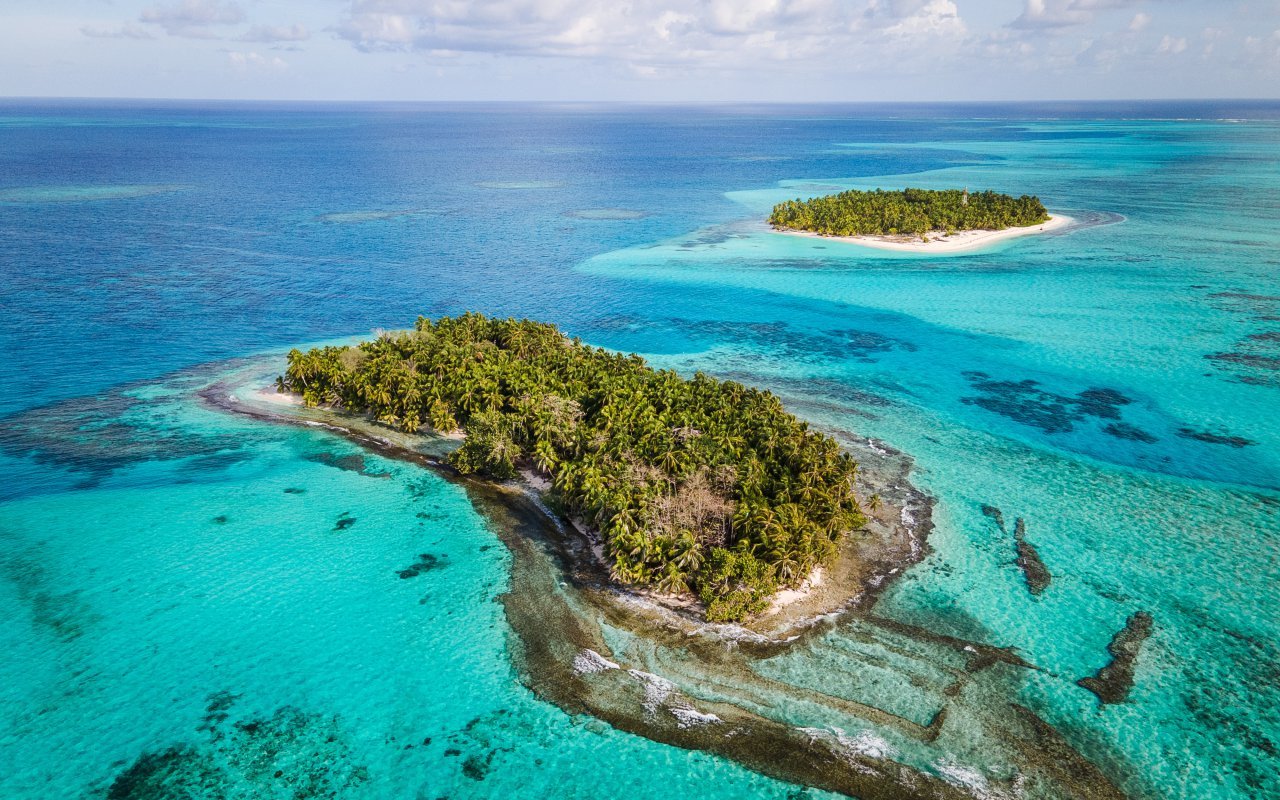
Archipelago of San Andrés, Providencia and Santa Catalina
Are you longing for the beach, warm sand, idleness and exclusivity at the end of a journey through beautiful Colombia? The archipelago of San Andres and Providencia is waiting for you, and it’s us, Terra Colombia, who’ll be organizing your getaway to these 100% Caribbean islands! Off the coast of Nicaragua, these two islands lost in the Caribbean Sea are an extraordinary seaside stopover. Terra gives you the keys to a dream holiday in the heart of a secret paradise with a taste of little Jamaica…

San Andres and Providencia archipelago essentials
An archipelago closer to Nicaragua than to Colombia
These two islands are geographically very close to Nicaragua, 190 km to be exact, compared with 630 km from the Colombian mainland. Planes leave daily from Bogotá, Cartagena and Medellin to reach this little piece of land, the island of San Andres, a flight time of around 2 hours 20 minutes from the capital. Here, deserted beaches and exceptional, pristine coral reefs stretch out, all marked by a gentle island lifestyle. What also appeals to us is, above all, a cultural mix that stands in stark contrast to the rest of Colombia, where the Raizales and Anglo-Creole-speaking Afro-Colombians are the most faithful ambassadors.San Andres, the largest island in the archipelago, is also the commercial and administrative center, and is where most travelers arrive. San Andres is very crowded during the peak tourist season, which is not always easy, and Colombians particularly appreciate its beaches and tax-free shopping.
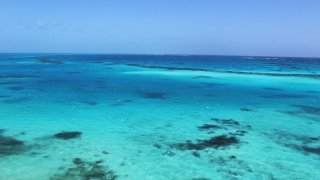
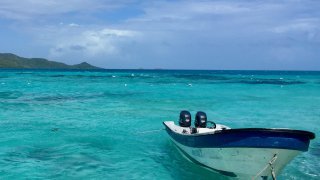
Providencia boasts the same turquoise waters and coral reefs, but is much less commercial – our Terra favorite! The island is much smaller, but has a lot to offer over its 17km2 and its many hamlets with colorful wooden houses, a true legacy of the colonial era that makes you want to linger.

The climate in San Andres and Providencia
This archipelago in the heart of the Caribbean Sea is by definition characterized by a hot, humid and rainy climate at certain times of the year.The best months to visit San Andres and/or Providencia are between January and May, the dry season when the Caribbean hurricanes do not hit. December and August are the busiest months for visitors, and January to April are the least rainy. From June to December, the rains can be heavy, and hurricanes can also reach the archipelago’s coasts. The average temperature throughout the year is 28 degrees.

Beware: crab migration!
From April to July, some of Providencia’s roads may be cut off to protect crabs during their migration. It’s an impressive sight, but it can also be hard to get around!
History of the San Andres and Providencia archipelago
Historians are not all unanimous as to the history of the archipelago: some believe that the first inhabitants were Dutch settlers, while others agree that the archipelago was discovered in 1629 by English Puritans and Jamaican lumberjacks… In any case, one thing is certain: the English did indeed colonize the archipelago around 1631, and began growing tobacco and cotton with the help of black slaves from Jamaica. The Raizales are the fruit of the mixture between the colonizers and their slaves.

A strategic archipelago for pirates
The archipelago’s location also attracted many pirates. In 1670, the notorious filibuster Henry Morgan set up his headquarters on the island of Providencia, from where he set off to plunder parts of Panama and Santa Marta in Colombia. By the way… legend has it that his booty (a fabulous treasure stolen from the Spaniards) is still hidden on the island. This treasure has never been found, or if it has, its discoverers have been careful not to mention it… in any case, it’s not us, I promise!
European colonization
Back to history: although the Caribbean islands don’t have exactly the same history, they were all discovered by the English, but colonized by the Spanish. For over two centuries, the Spanish, British, Dutch and French took it in turns to claim possession of these islands, through successive military assaults, battles and other quarrels
Sovereignty of Spain
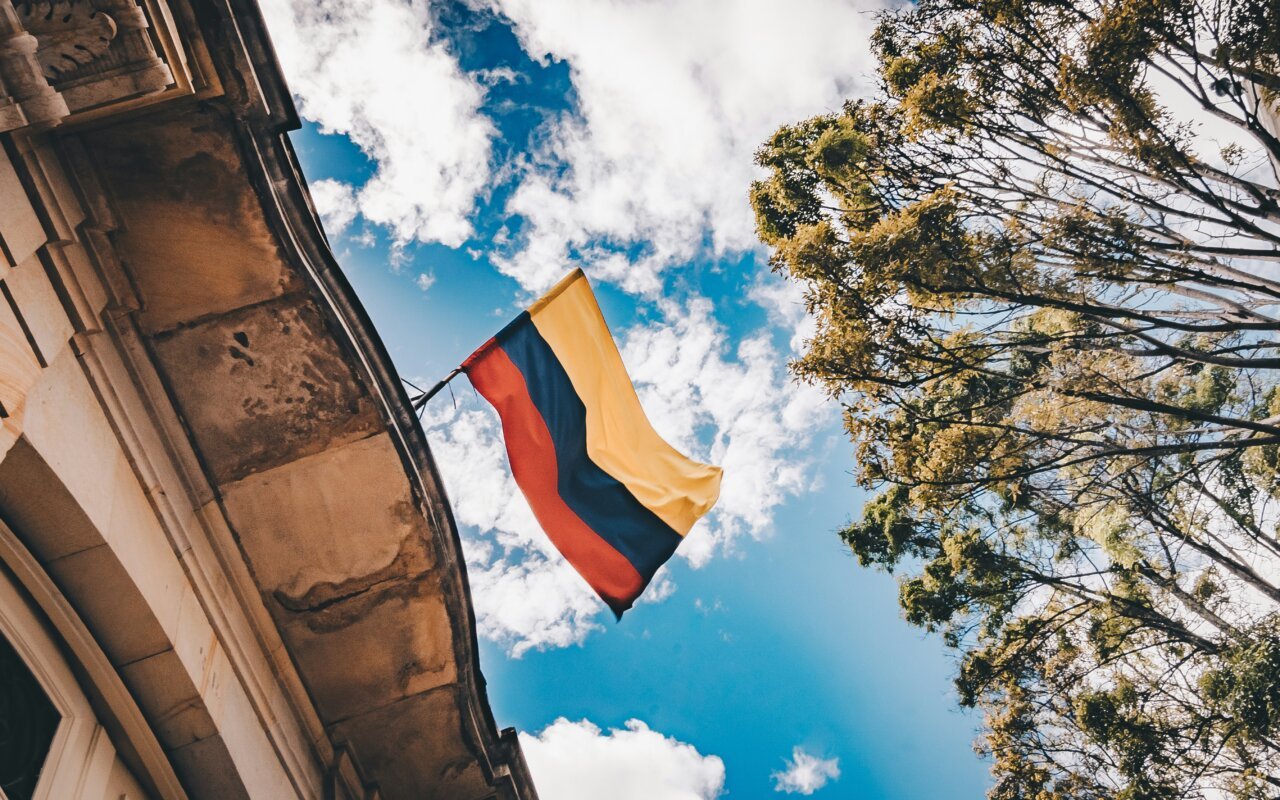
The war of possession ended with the signing of the Treaty of Versailles in 1783, in which Great Britain recognized Spain’s sovereignty over the entire archipelago. In 1868, the archipelago came under the “central government of Bogotá” as a national territory. During these years, Nicaragua and Colombia disputed the territory, and the latter’s sovereignty was formalized in 1928. Throughout the 20th century, the archipelago was an “intendance” until the 1991 political constitution elevated it to the status of a department
A blend of Atino-American and Anglo-Caribbean cultures
Today, San Andres is a major tourist center, blending Latin American and Anglo-Caribbean cultures, although a movement to rehabilitate the Raizales roots has recently emerged to highlight this community. Providencia, on the other hand, has retained more of its Spanish flavour, with the majority of locals preferring to speak Spanish rather than the English-Creole dialect. Nicaragua is still claiming sovereignty over the archipelago at the International Court of Justice in The Hague. However, the political status of San Andres and Providence is unlikely to change, as the International Court in 2007 and 2012 reaffirmed the archipelago’s sovereignty to Colombia.

What to do in the San Andres and Providencia archipelago?
From thrilling pirate stories to postcard-perfect scenery, Terra Colombia invites you to liven up your getaway with the best tours and activities! Vamos, boarding!!!? Uh, no… Vamos a la playa!
Parque Natural Regional Johnny Cay
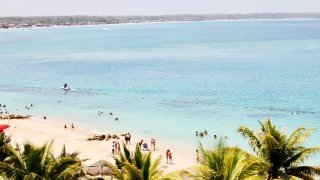
This is a protected coral island located 1.5km from San Andres, where the most beautiful beach is to be found! It’s a great place to soak up the sun, but beware: it’s also a very touristy spot, and you’ll certainly have to share the beach with a lot of tourists and a community of iguanas (500 on this islet alone).


Quiet beaches of San Luis
Beautiful white sandy beaches and traditional wooden houses in this much quieter town than San Andres Town.
Snorkeling at La Piscinita
Also known as “West View”, this spot is a must for snorkeling.

Diving in the archipelago
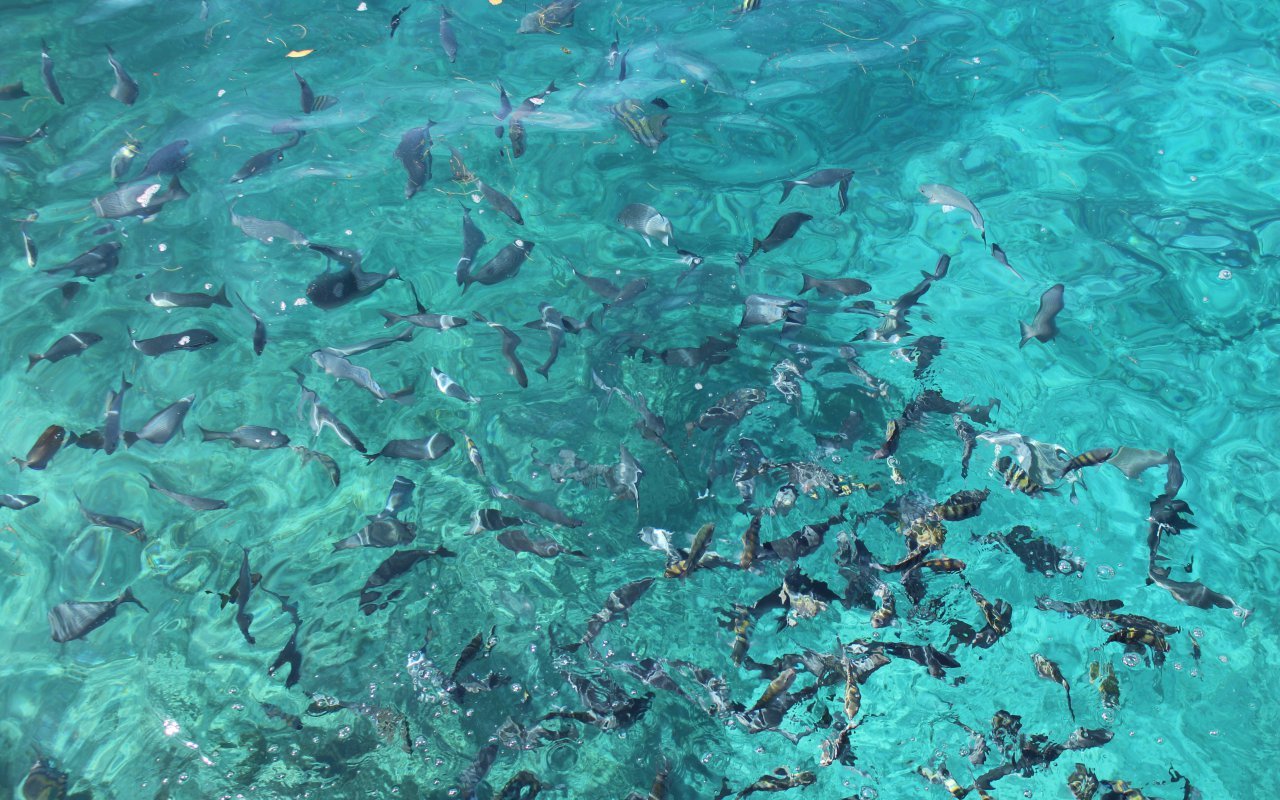
The islands of San Andres and Providencia (prefer the latter for scuba diving) are two must-sees for scuba diving enthusiasts. Here you’ll be able to admire an incredibly beautiful underwater fauna and flora that has been preserved to this day! Stingrays, nurse and reef sharks… corals of every color for an extraordinary underwater journey. Several PADI-accredited centers are available on the islands, and snorkeling options are also highly recommended!
Parque Nacional Natral Old Providence McBean Lagoon
A unique 10km2 national park that protects exceptional marine flora and fauna and a remarkable coastal mangrove swamp. Two coral islands also stand out: Cayo Cangrejo (a spectacular snorkeling site) and Cayo Tres Hermano.
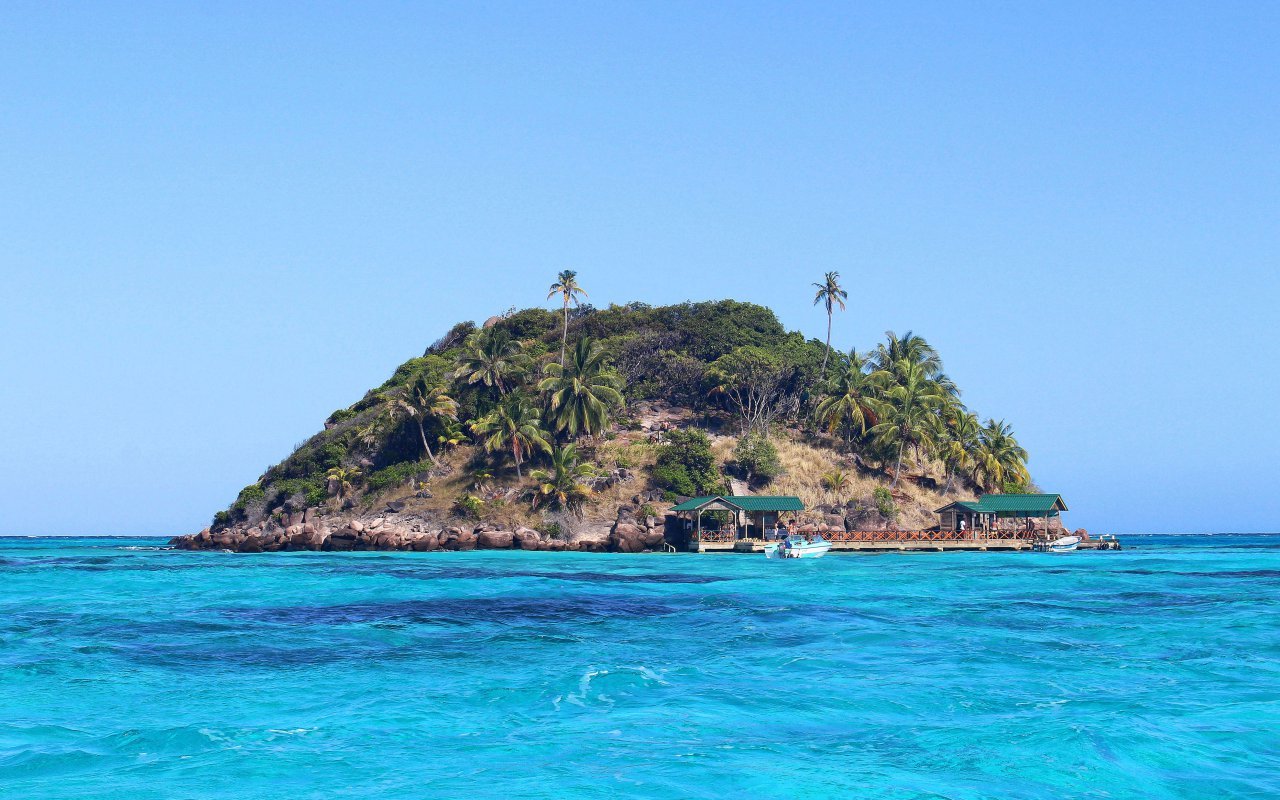
Crab migration
A curious natural phenomenon takes place between April and July, occurring twice and always lasting one or two weeks. Adult black crabs descend by the thousands to the island’s beaches to lay their eggs, before returning to the mountains. A few weeks later, the young crabs leave the sea and head for the mountains…a unique spectacle!
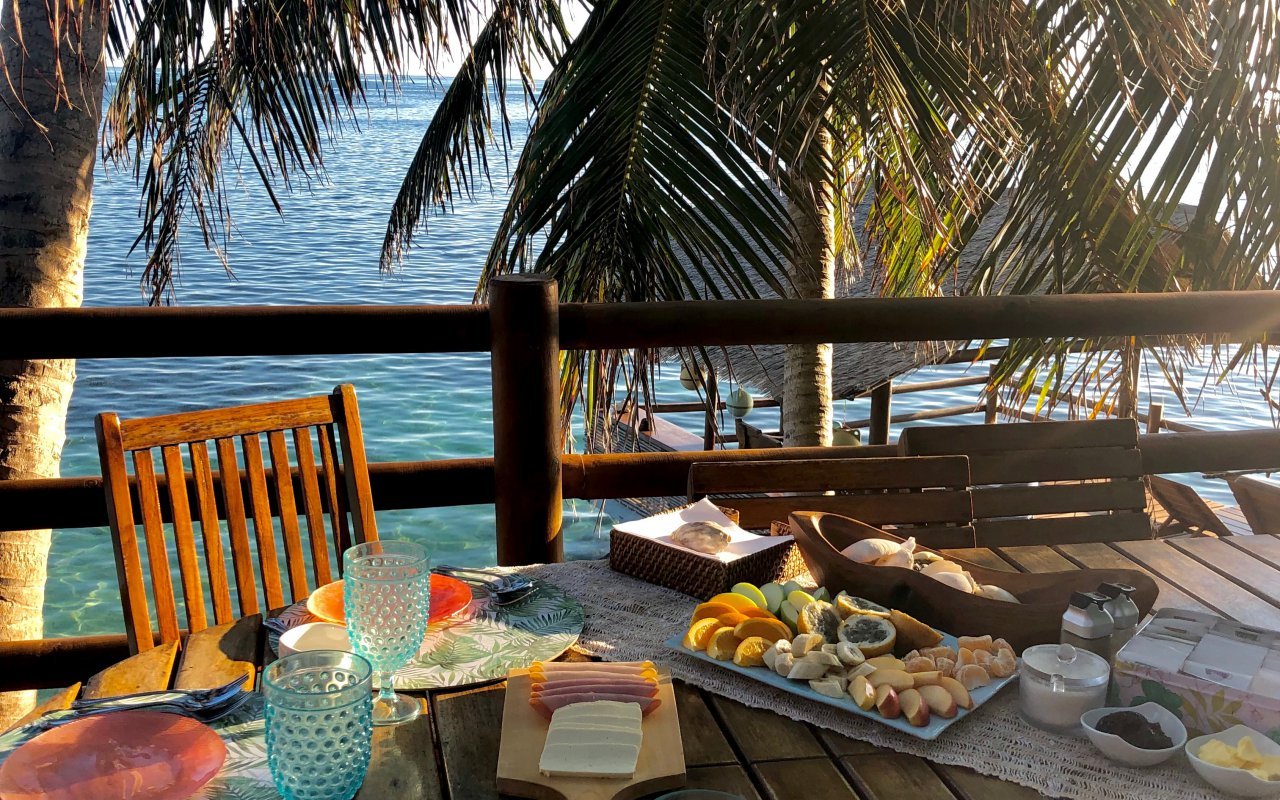
Eat, swim, stroll and repeat… Relax!
“Relaxation” is the watchword in all the Caribbean islands… Relax to the sound of a lilting Anglo-Creole accent, or Jamaican reggae, and enjoy a freshly-prepared piña colada while waiting for your grilled lobster with your feet in the sand… What more could you want? Another dip in the sea?
Our practical tips for discovering San Andres and Providencia
To make the most of these islands, we advise you to
- Bring beachwear and a little wool for the evening. The climate is warm all year round, but the sea breeze can cool the air in the evenings.
- Travel light to Providencia: Airplanes operating between San Andres and Providencia and vice-versa only accept cabin luggage (10kg maximum). Leave bulky luggage in San Andres, in the airport luggage locker.
Bring sun cream, hats and don’t forget your flip-flops!