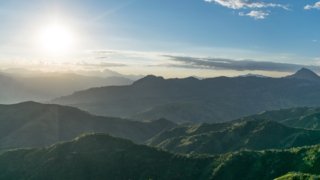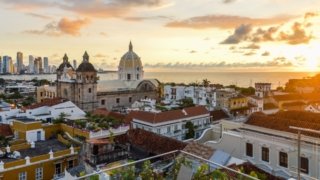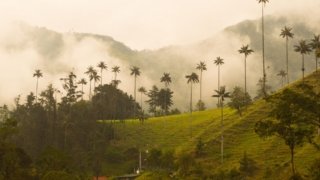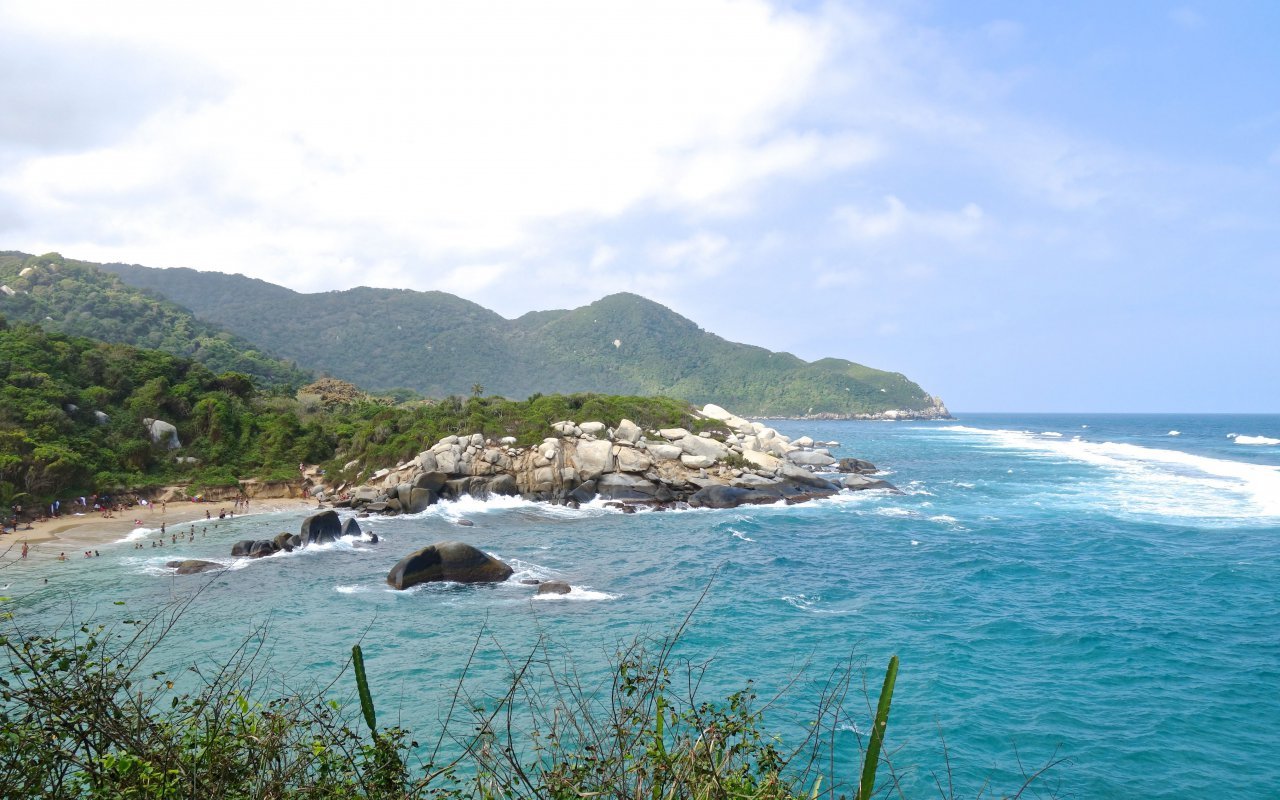
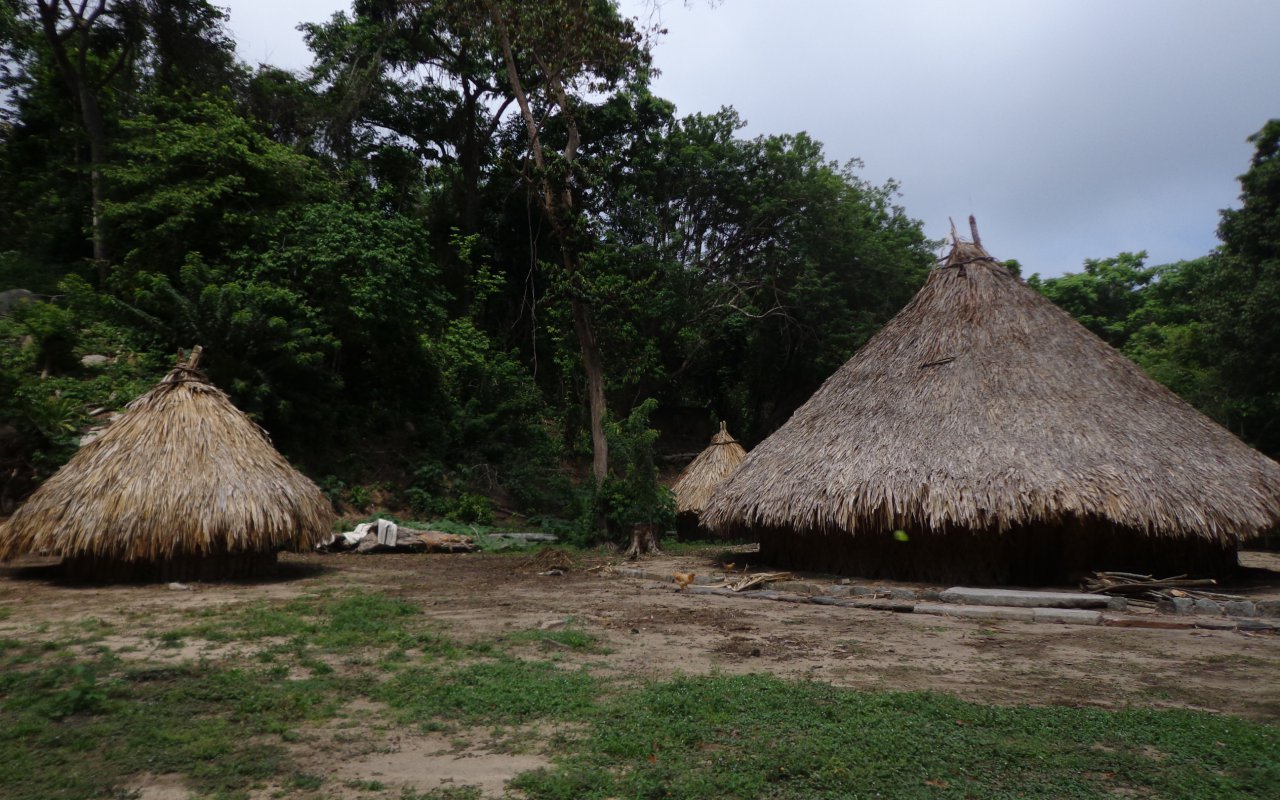
A new start to discover the terrain and new excursions off the beaten track. This time to the Tayrona Park, some thirty kilometers from Santa Marta in the Magdalena department, an indigenous sanctuary and small paradise wedged between the Sierra Nevada and the Caribbean Sea.I’d heard of a beach inside the park, far from the tourists, which would no doubt be of interest to our travelers in search of a little tranquility and exclusivity. So here I am, ready to discover – at least I hope I am – another authentic and magical site. Accompanied by a local, we drive past the park’s main entrance. A few kilometers further on, we take an unassuming side road and set off for a two-hour walk. A steady climb with the imposing peaks of the Sierra Nevada at our backs, before heading deeper into the forest. Soon we’re protected from the heat by tall trees, but surrounded by a multitude of birds, sounds and noises. My guide takes me on a short detour to an authentic indigenous camp before continuing our walk. This is an opportunity for a quick chat and, above all, to hear the first sounds of this very different language.
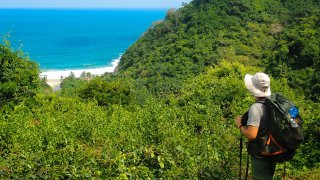
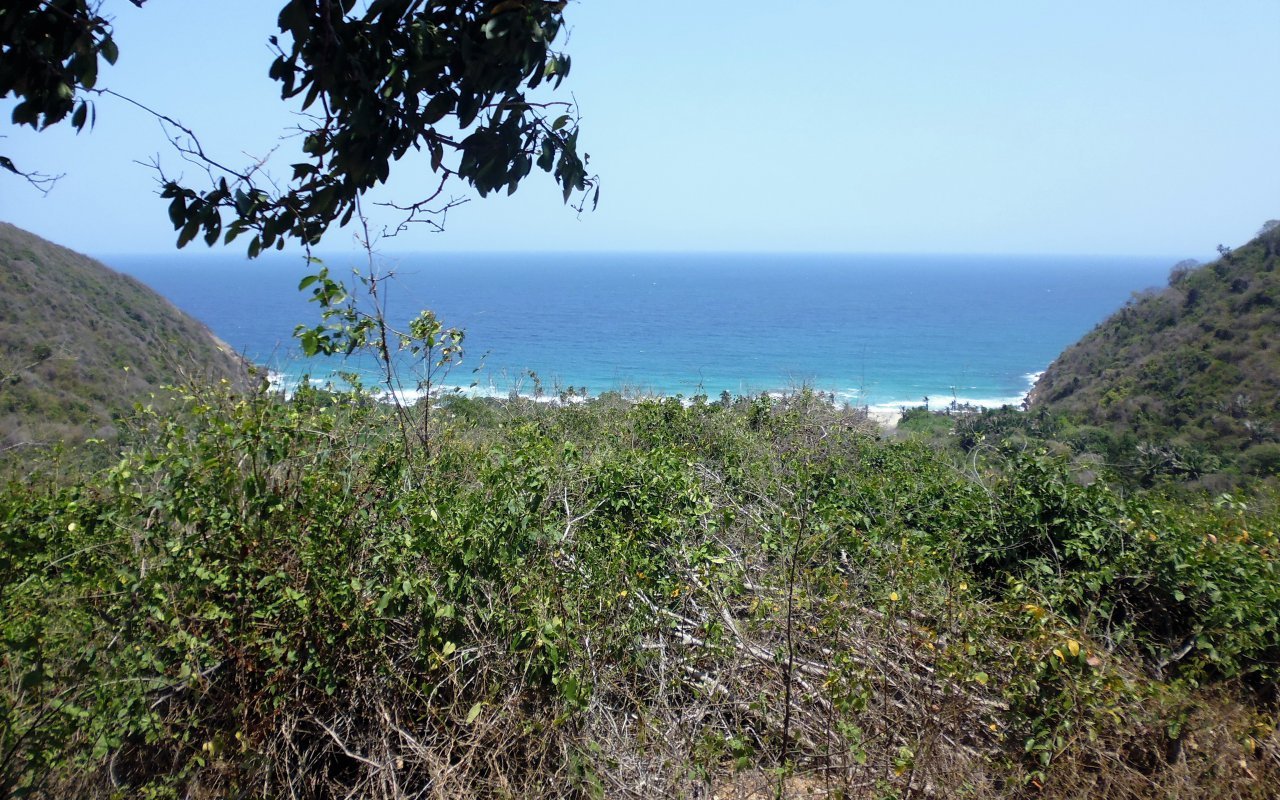
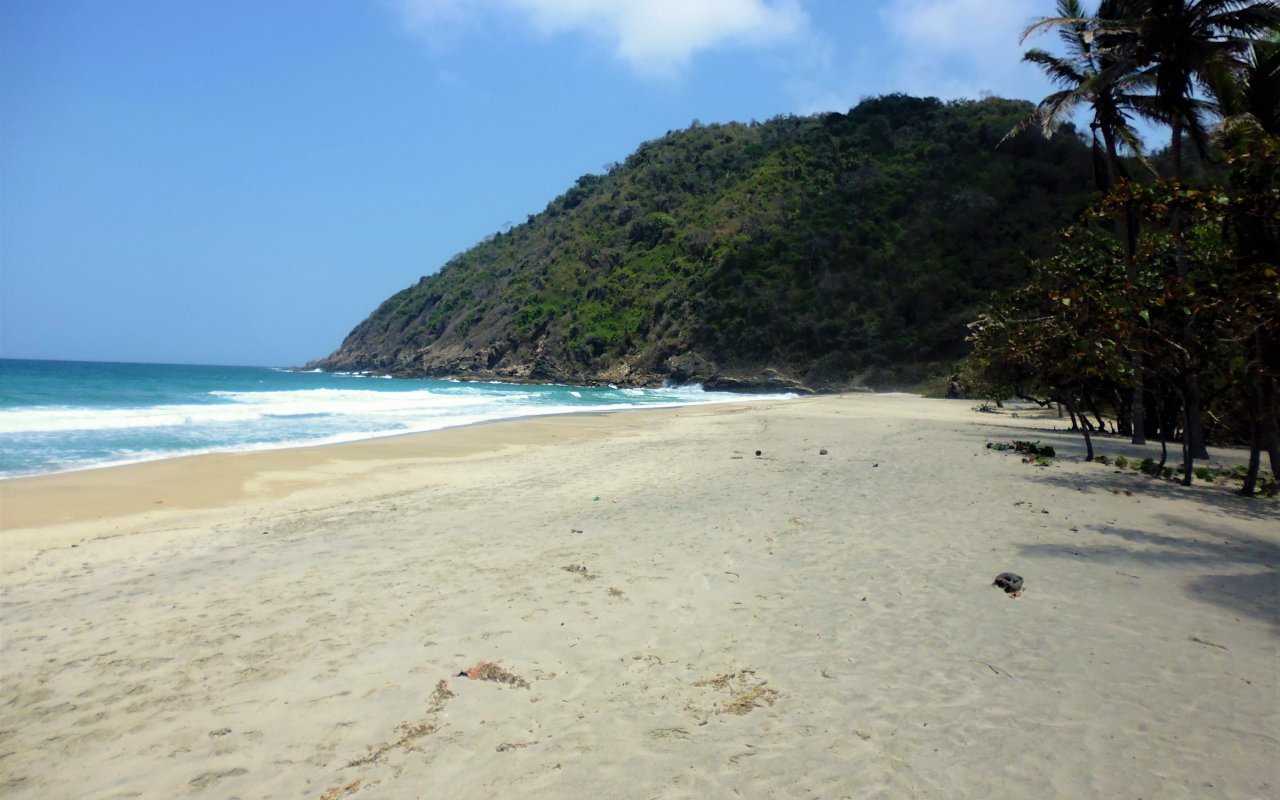
After a final climb, we arrive at the top of a small hill, with the Caribbean Sea and this famous beach wedged between two small mountains offering a dazzling spectacle as far as the eye can see.
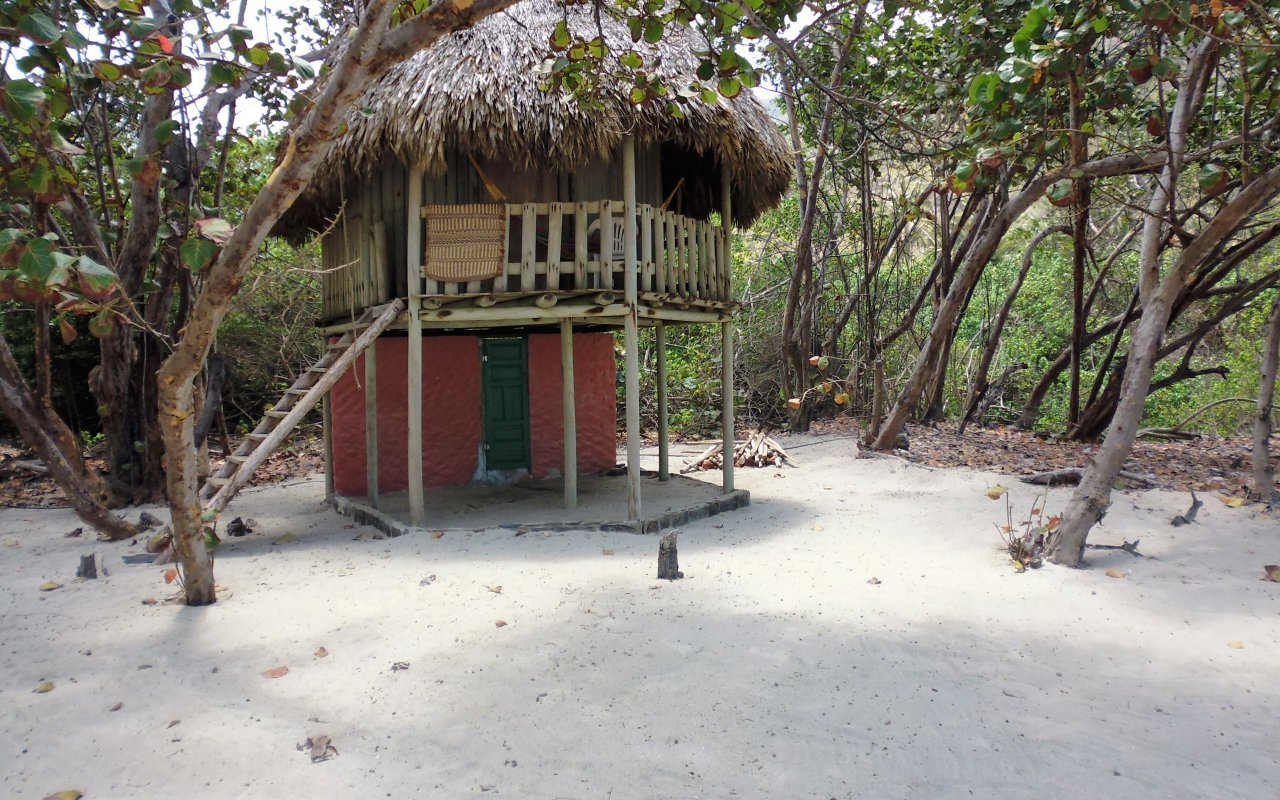
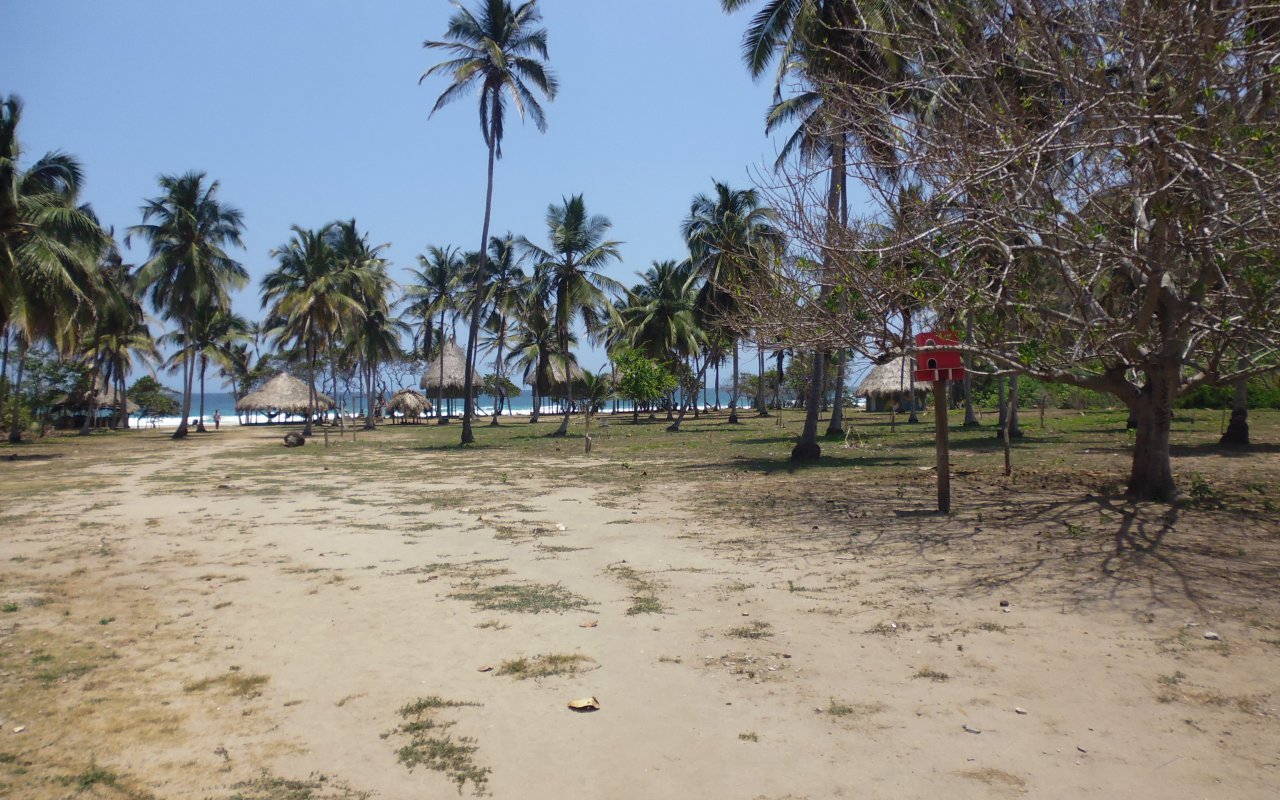
A twenty-minute descent and we’re there. The natural setting is extraordinary, interspersed only by a few simple buildings and then a kiosk. On the edge of the deserted beach, six beautiful little cabins with basic comforts seem to have been there forever. The setting is sensational, and the impression of solitude and calm is reinforced by the sound of the sea and the local wildlife. When I think back to the main beaches of Tayrona Park and the many tourists I’ve come across, it’s hard to believe I’m still in the Park. The sea here, as on most of the Park’s beaches, is rough and the currents dangerous, but it’s still possible and pleasant to swim, even if swimming is strongly discouraged. And for lovers of walking, deserted beaches and nature, this is a truly sublime place.
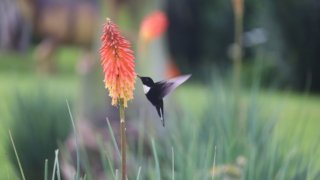
My hosts Doña Nuri, Charia, the local fisherman and young Samuel, the resident cook, make up the local team. My guide tells me he’s off for a siesta, so I order the usual almuerzo – there’s no one here, but the recipes are the same: rice, fish and, of course, patacon (fried plantain). After this short break, we set off in the footsteps of a waterfall some fifteen minutes from the site. The walk is beautiful and, once again, rich in flora and fauna. I discover the Barra Santa, a tree that lives in symbiosis with ants, whose particularly painful sting was used to punish infidels, according to legend by the missionaries of the time. The offender was hung on the trunk, and all you had to do was tap it with a stone, and the ants that live there would come down hard on the naughty culprit. I picked up a stone and tried the experiment, and a few moments later a multitude of tiny red ants appeared on the trunk. Resuming our walk, we arrive at the waterfall, which is also eagerly awaiting the return of the rains in this region. We see a few small shrimps surviving in the puddles, which are holding their own despite the drought. We come across a venado, the local species of deer, while my guide shows me the tracks of armadillos (armadillos). We return to the beach, where we can enjoy the peace and quiet of this secluded spot. The scenery is magnificent, with several species of monkey, including capuchins, howler monkeys and titis, passing by the houses.
It’s time for dinner, which resembles lunch in every way, and the mosquitoes come out to feast on my blood, which they enjoyed so much at sunset (don’t forget your mosquito repellent!!). It’s the end of a wonderful discovery which, I have no doubt, will seduce many. If you’re looking for an exclusive place in the middle of nature in Tayrona Park, with a bit of adventure and no need for basic comforts, Galvin, Terra Colombia.