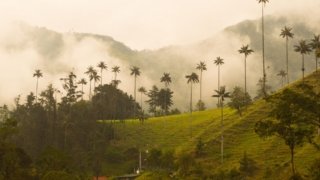
Meeting the indigenous peoples of the Sierra Nevada: an engaging adventure
Meeting the Kogis, Wiwas or Arhuacos in Santa Marta’s Sierra Nevada is more than just an impromptu detour along an itinerary. It requires real preparation, an appropriate budget and a deep respect for the communities you visit. These peoples, direct heirs to pre-Columbian civilizations, live by their own rules, in territories that are sometimes difficult to access, and can only be reached by private vehicle with the agreement of the indigenous authorities.
This type of trip involves specific logistical costs (private transport, authorized local guides, community contributions). We do not offer the excursion on its own, and only include it as part of a wider tour to discover the indigenous communities of Colombia.
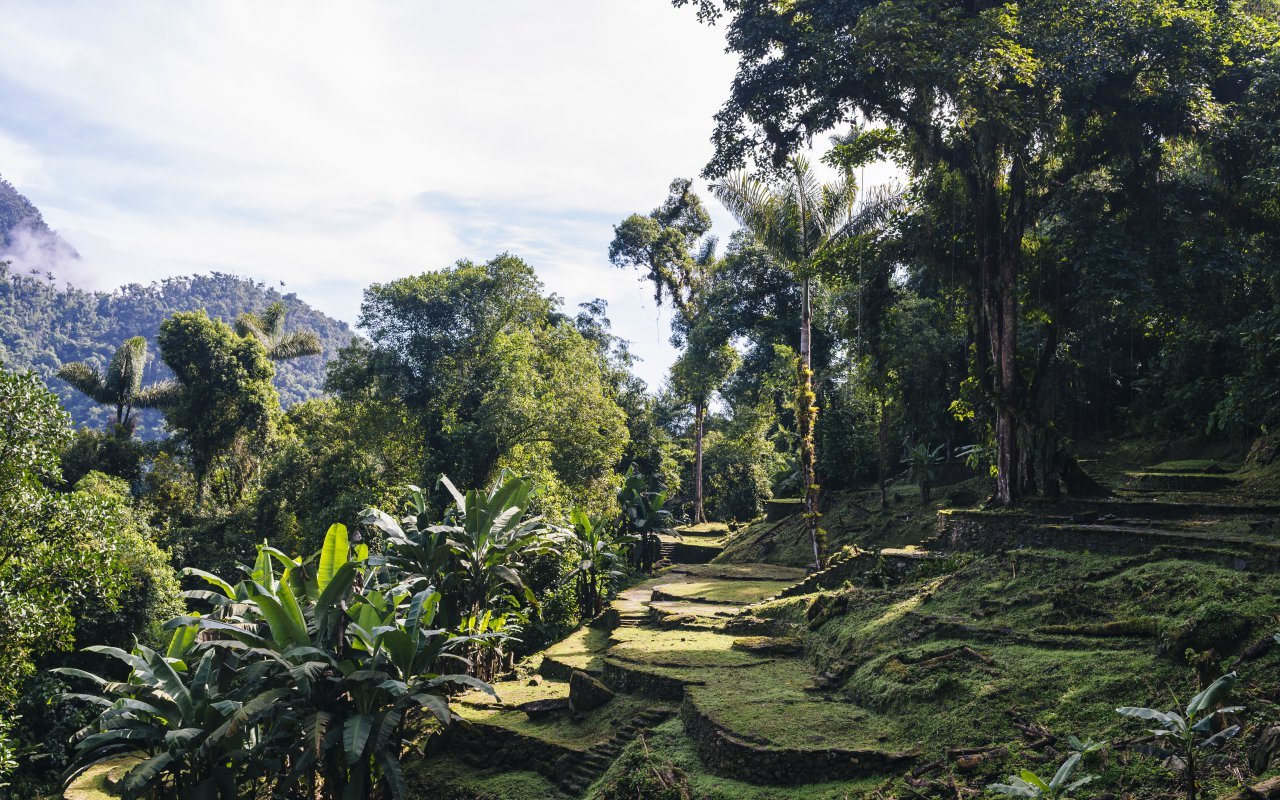
The indigenous Kogis are the direct heirs of the Tayronas, one of the greatest pre-Columbian civilizations on the Latin American continent, now extinct. This people of thousand-year-old traditions have retreated to the slopes of the Sierra Nevada de Santa Marta, a unique territory of snow-capped peaks and lush valleys that they consider “the heart of the world”. These 12,000 men and women lead a simple, spiritual existence, respectful of the Earth that gave them birth. Welcoming very few outsiders, they have made it their mission to pass on their ancestral knowledge to “civilized” mankind, so that they can return to the harmony of the world. Let’s hear it ..
In the heart of the Sierra Nevada de Santa Marta
Meeting the Kogis (pronounced “Kogui”) means immersing yourself in a breathtaking natural environment.

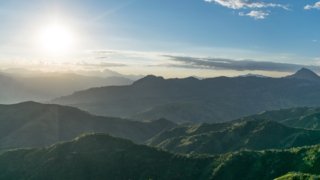
The Sierra is a unique ecosystem of varied landscapes. It is the world’s highest mountain range in terms of coastline: its snow-capped peaks (Cristobal Colon and Simon Bolivar) rise to almost 6,000 metres (the highest in Colombia) and can be seen on the horizon from the coast (only 40 kilometers away).
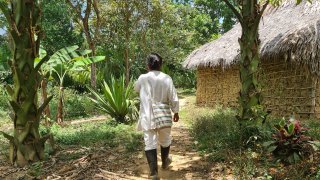
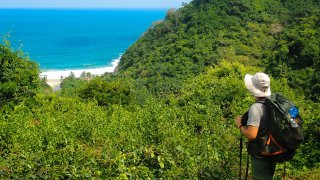
The lowlands are covered by tropical forest, which fades into savannah and fog forest at higher altitudes (the famous “páramos”), before turning into a rocky expanse as you approach the peaks. A veritable breeding ground, this ecosystem is home to 7% of the planet’s living species. So, before staying with a Kogi family, you’ll get to know this magnificent territory, with its crystal-clear rivers and dense jungle. Nature lovers will be delighted, as it can take hours or even days to reach the indigenous villages. You’ll take the “camino real”, the main trail or “Bungula”, with its many forks, to get a little deeper into this very special world. Here, the Kogis walk barefoot, chewing coca leaves in their striped “mochillas” (cloth bags made from sisal or fique fiber), slung over their shoulders.
Coca or “ayo” plays a central role in Kogi life. Harvested only by women, it is chewed by men for its stimulating effect, enabling them to get in touch with “Aluna” (thought, soul or energy). When two Kogis meet, they greet each other with a shrill “Nakua” (meaning man, but also surprise), then exchange a handful of coca leaves as a sign of mutual respect.

For the indigenous Kogis, but also for their Arhuacos, Wiwas and Kankuamos cousins who live in these mountains, the Sierra Nevada represents the heart of the world. It’s not just a territory, but the heart of life, Mother Earth. For them, it’s a living organism whose peaks are its head, whose rivers are its veins, and whose people are its messengers.
Daily life among the Kogi
If you’re lucky enough to be welcomed into a Kogi village, you’ll be amazed at how the natives live in perfect harmony with their environment.

The Kogi practice subsistence agriculture based on a learned polyculture that testifies to their great knowledge of the land. Semi-nomadic, they migrate regularly from one territory to another according to the seasons and harvests, never exploiting the land intensively.
On the upper lands, the Kogis grow potatoes, onions, cabbages, lettuces, blueberries, tamarilloes (a type of tomato), pumpkins, garlic, wheat and even rice.
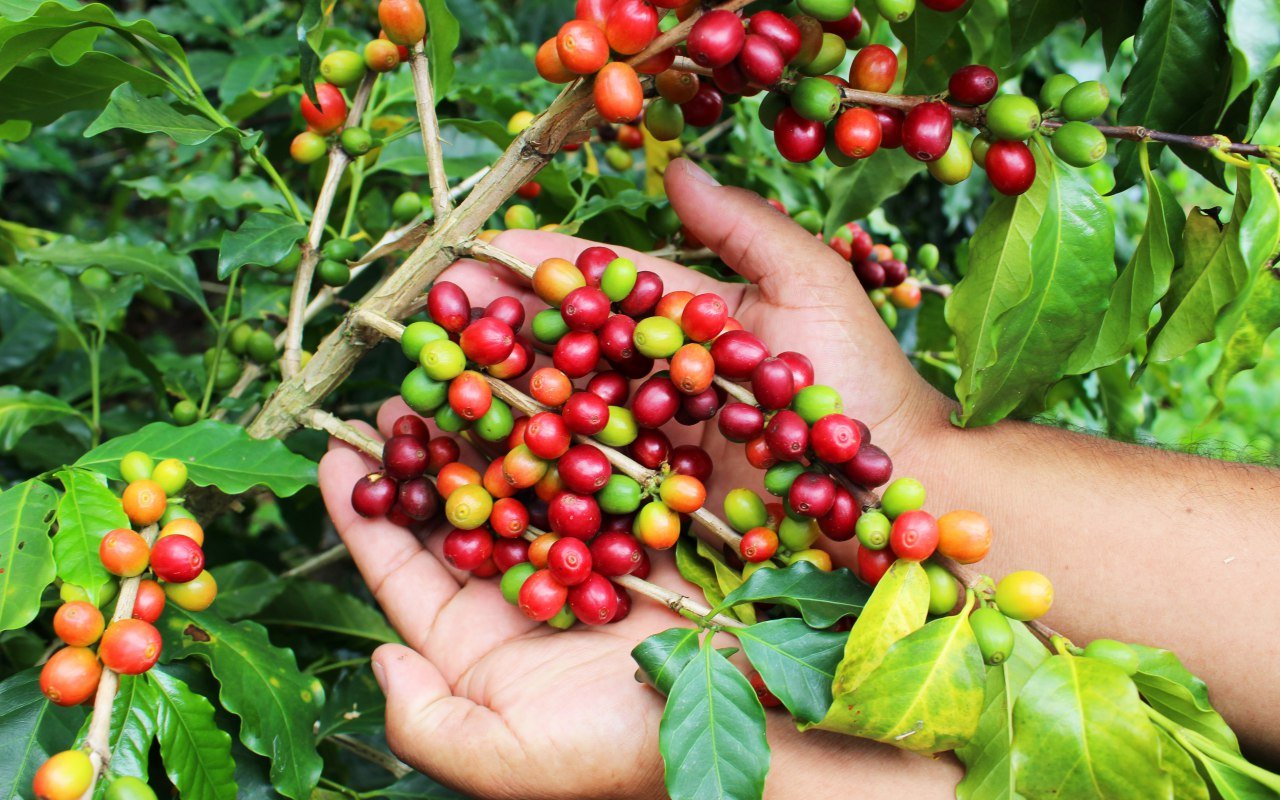
On warmer lands, they grow corn, beans, yuccas, arracachas, malangas (tubers), coca leaves, cotton, pineapples, papayas, guavas, maracujas (passion fruit), sweet pomegranates, oranges and lemons. Working the land is a daily preoccupation, otherwise the jungle takes over and swallows everything up. For the natives, agriculture is a “thermometer” for gauging the state of their relationship with Mother Earth, interpreting good harvests as a sign of harmony and bad ones as a symptom of imbalance.
According to them, everything in life must respect a natural balance, a spiritual alchemy. To take something from nature – for example, to burn a hillside to make way for new plantations – you need to think carefully about why you’re doing it, justify the act and hold a consultation with the community to decide on the procedure to be followed.

Once the act has been performed, they must compensate for it by making “pagamientos” (spiritual payments) to sacred places. When a man eats a piece of fruit, for example, he returns it directly to the Earth, sowing the seeds behind him, confident that the fertile soil will bring them to fruition again.Work is always collective. Men, women and children work together on daily chores. The rest of the time is devoted to village and family life. The women weave mochillas, the men chop wood, the youngsters fetch water. The whole community discusses and plans matters to be dealt with collectively. Children play, or listen to the Mamos‘ teachings. The Mamo represents the most important personality among the Kogis. He is a spiritual guide, chosen at birth, charged with maintaining the order of the world through song, meditation and offering rites, both in daily life and during ceremonies. He dictates the direction each village must take. Their training begins at an early age, when they are taken to the heights of the Sierra to learn to meditate, in the dark, on the natural and spiritual world. The Mamo also acts as teacher and doctor in each community.
A way of life threatened by “little brother
It may surprise you to learn that the proud and noble Kogi consider themselves superior to other civilizations. According to their belief, they are the “big brothers” or guardians of Mother Earth, entrusted by the universe with the mission of teaching modern man the true harmony of things. Faced with the destructive actions of their “little brother”, the civilized man, who damages nature, builds more and more and never stops fighting, the Kogis have a huge responsibility to compensate spiritually for all these evils. Since colonization, the Kogis have suffered systematic expropriation of their land. They have long suffered from the armed conflict in Colombia: caught in the crossfire between the guerrillas and the national army, many have died or had to abandon their territory.

Today, while the violence has disappeared from the mountains, the Colombian government pays little more attention to Kogi land claims, which pale into insignificance in the face of energy development prospects that encourage the installation of power plants or coal mines on sacred sites along the coast.
Associations such as Tchendukua have mobilized to help the Kogis reclaim their territories and raise public awareness of the issue. The recovered lands have been reforested and repopulated: biodiversity has once again flourished and traditions can be perpetuated.Why go to meet them? The Kogis have a message for us. They believe that the world is dying because of our actions. That’s why it’s so interesting to come face-to-face with this alternative worldview and harmonious way of life, and learn practical and spiritual lessons that will help us change our own daily lives, our relationship with others and with nature. It’s also an opportunity to sketch out a virtuous exchange between “big brothers” and “little brothers”, showing them that we can learn from each other.
Tourism, if it is mindful of respecting this unique way of life, can therefore be an interesting opportunity for the Kogis to continue asserting themselves as a people dedicated to preserving the balance of the world. By gaining their trust, you’ll be immersed in a universe where alchemy is created between a community of self-sufficient philosophers and unspoiled nature.

Meeting the Kogis is an experience requiring humility and a sense of adaptation, but the traveler can aspire to an unforgettable cultural exchange that will enable him or her to acquire a different awareness of the world. Such an immersion, filled with poetry and nature, can really change you… If you feel up to meeting the “big boys”, it’s time to pack your bags!
Text by Eliott Brachet