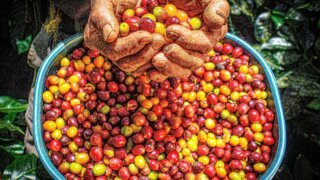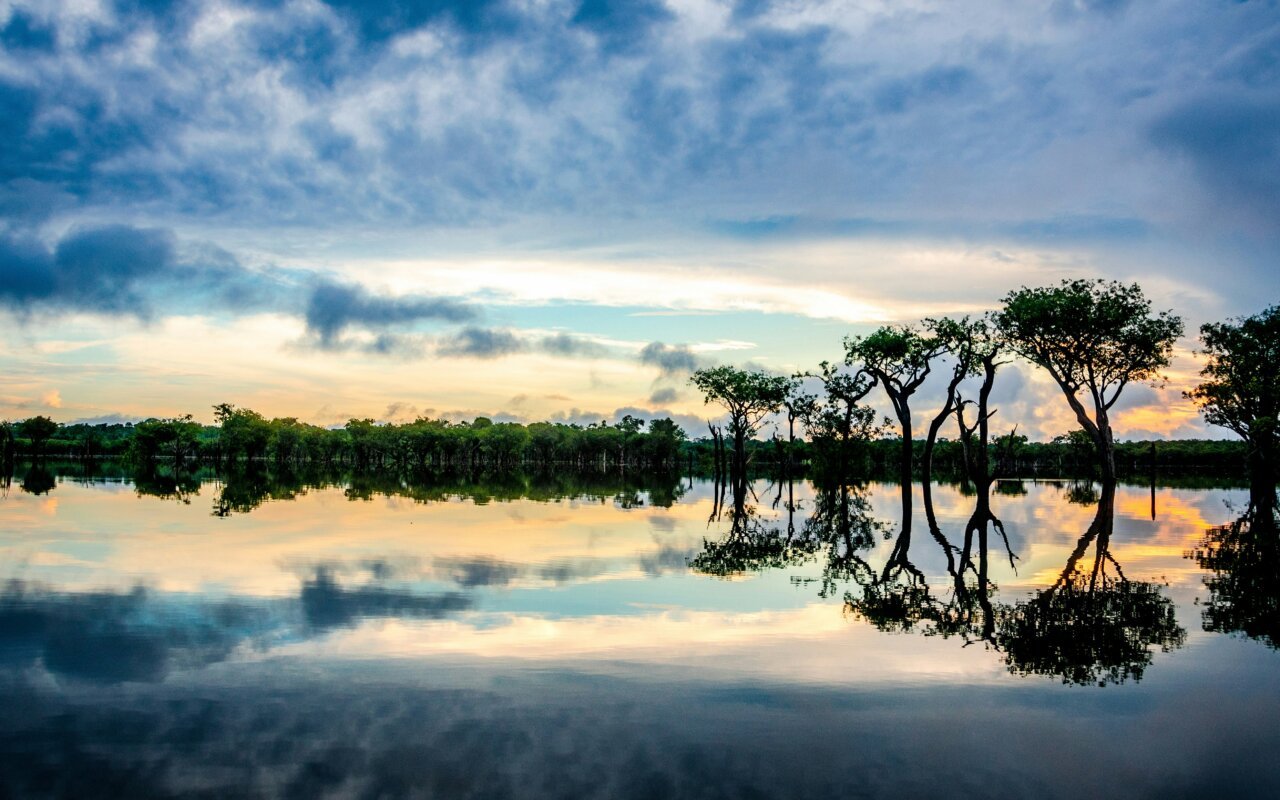
Boyacá is one of Colombia’s 32 departments, located in the Andes region of central-eastern Colombia. Its main tourist attractions are the villages of Villa de Leyva and Mongui, which are among the 17 heritage villages that the government is seeking to promote as tourist destinations with a wide range of cultural, natural and gastronomic offerings.
The essentials about Boyacá villages
Villa de Leyva
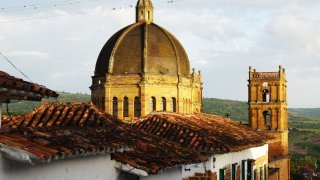
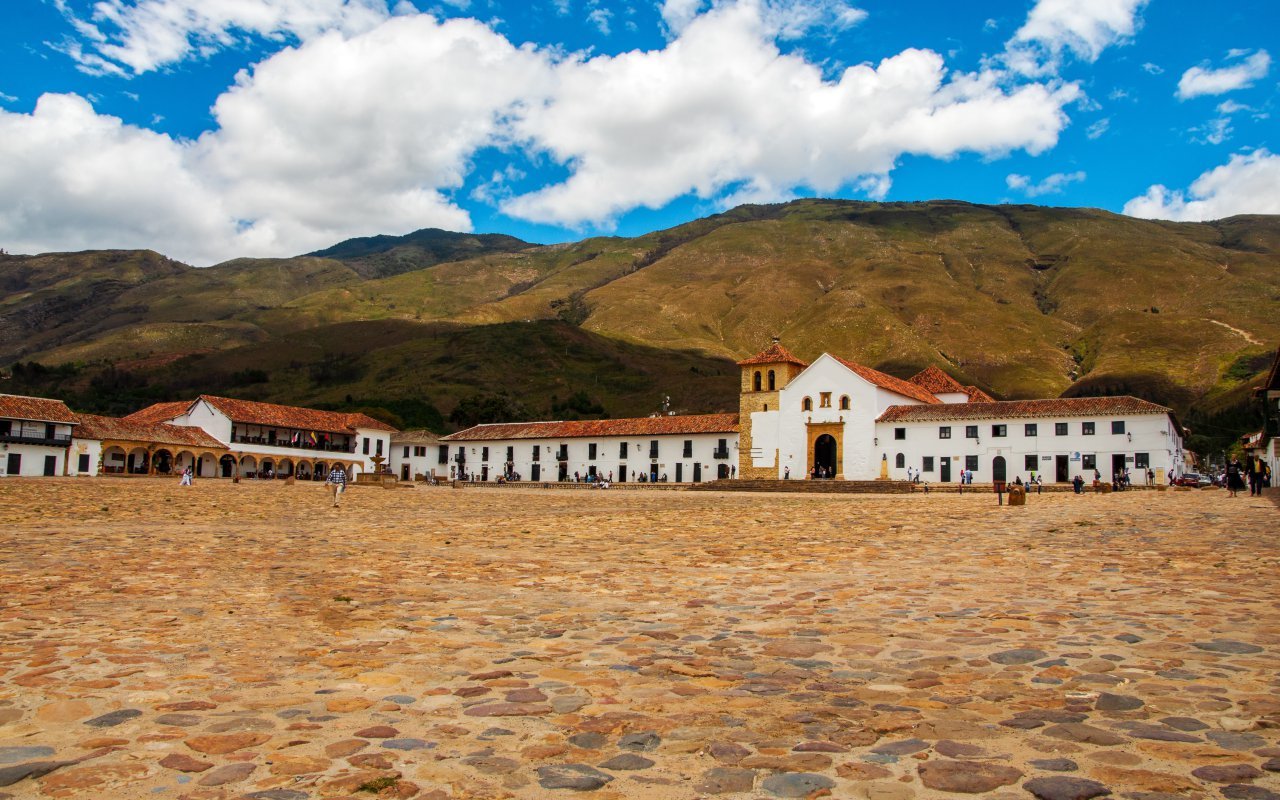
Villa de Leyva, located 3 hours from Bogotá, is one of Colombia’s most beautiful colonial towns.Designated a national monument in 1954, it is committed to preserving its architectural heritage, with the Plaza Mayor, its dazzling white mansions and various buildings typical of the 16th-century Spanish period.Founded 444 years ago, the town boasts countless colonial buildings of great historical and cultural value, having been the home of writers and poets. Other tourist attractions include archaeological remains and festivals such as the Kite Festival in August and the Festival of Lights in December.

Mongui
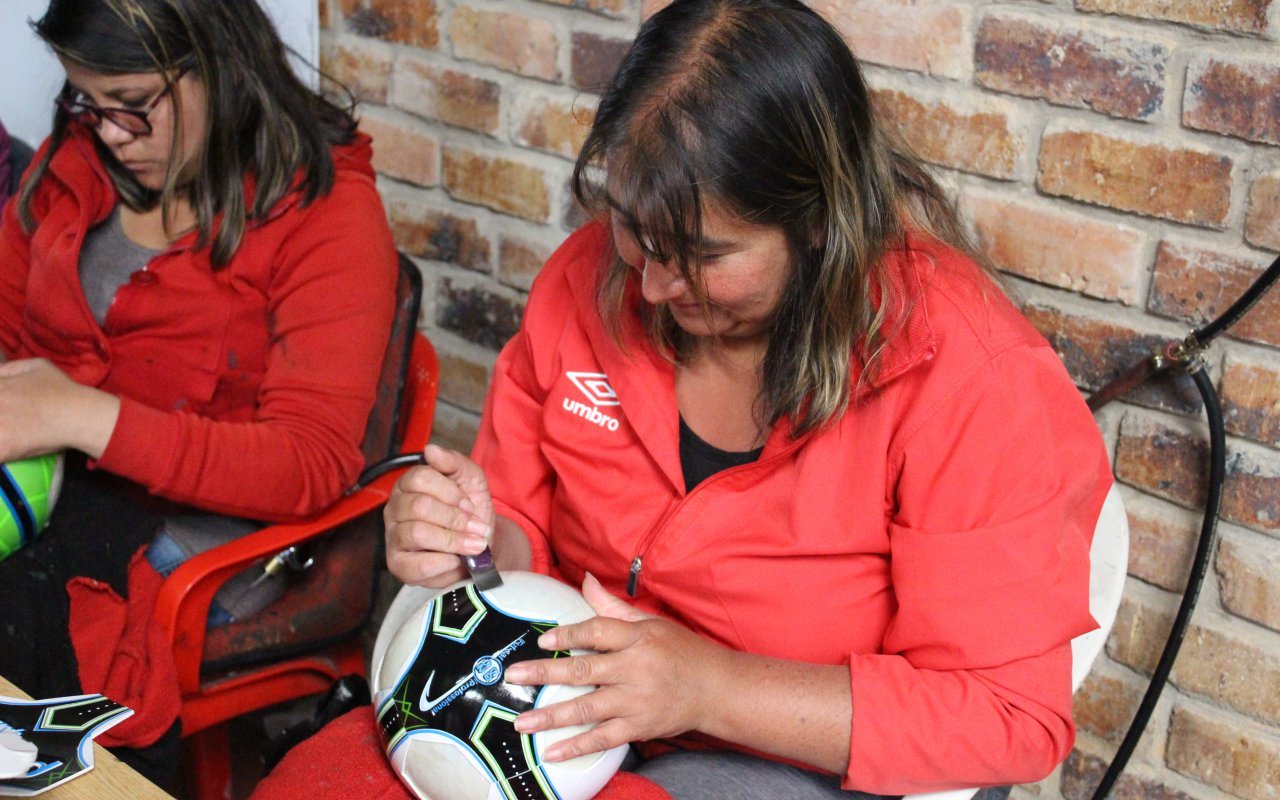
Further east in Boyacá is another gem of the Boyacá department: the less touristy village of Mongui, with its cobbled streets and numerous workshops. History and colonial architecture merge in Monguí. The village is also known for being the main center for the manufacture of footballs, an activity to which the locals dedicate a festival in October, as well as the manufacture of ponchos and sheep’s wool blankets. Mongui is one of the best places to visit the Paramo d’Oceta, one of the best preserved in the world, where the hiking is breathtaking. You can also visit the many villages in the surrounding area, each with its own speciality.

Boyacá‘s climate
At an altitude of 2150 m, Villa de Leyva enjoys dry, pleasant summers and cool, wet winters. Temperatures generally fluctuate between 10°C and 22°C. The best times to visit Villa de Leyva are from June to September or from December to mid-January. Mongui, on the other hand, is situated at an altitude of 2900m. The climate is cooler and the region is quite rainy. Temperatures range from 5°C to 15°C. The best time to visit Mongui is during the dry season, from December to the end of March

The history ofBoyacá
In pre-Hispanic times, the Boyacá region was inhabited by the indigenous Muisca people. In 1539, Gonzalo Suárez Rendón established the province of Tunja, an important economic center of Spanish colonization in the Americas. In the 19th century, decisive battles against the Spanish army were fought here, including the Pantano de Vargas and the famous Battle of Boyacá (1819). Boyacá declared its independence on December 10, 1813, and was created as the Federal State of Boyacá within the Grenadian Confederation with the constitutional reform of 1858/ It became a department of the Republic of Colombia in 1886. It comprised the equivalent of the present-day departments of Boyacá, Casanare and Arauca.

What to do in Villa de Leyva
There’s plenty to do in Villa de Leyva: enjoy nature, observe colonial architecture, discover local crafts and enjoy festivals, among other things
La Candelaria Convent (Augustine Monastery)
The Covento del Desierto de la Candelaria is an Augustinian monastery built in 1661 near Raquira.
Village of Raquira (the town of pots)
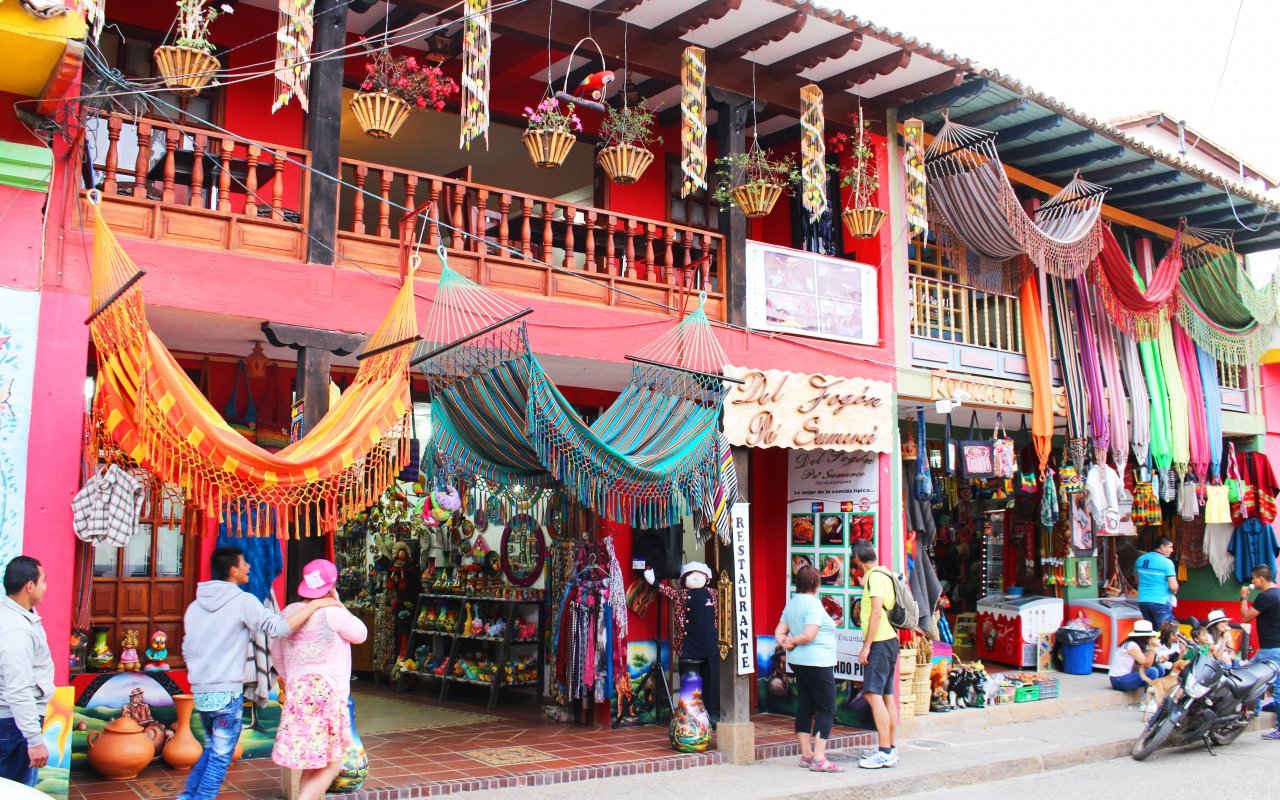
A colorful little town, famous for its ceramics workshops. With its brightly-colored facades, the village is particularly lively on Sundays, when the weekly market takes place. Craftsmanship is characterized by pottery made from local clay, which comes in a variety of colors, including black, due to the presence of coal.
Monquira (El Infiernito)
Called “El Infiernito” (the little hell) by the Spaniards, this sacred site of the Muiscas was dedicated to the cult of the sun and the associated rituals of fertility and purification
Desert and Pozo Azul (Horseback riding)
Several routes are available to discover the surrounding area, between desert landscapes and lagoons
Museo el fosil (dinosaurs)
Located a few kilometers from Villa de Leyva, on the road leading to Santa Sofia, the Museo El Fossil houses an impressive kronosaurus quensladicus skeleton unearthed in 1977
Iguaque Sanctuary (hiking and ecotourism)
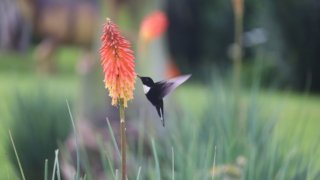
The Iquaque Wildlife Sanctuary is located on a misty highland plateau. During an “ecological” hike, you’ll enjoy the tropical vegetation along the trails leading to the Laguna Bachue (3,600 meters above sea level). Birdwatchers can observe hummingbirds, toucans and other birds
Ecce Homo monastery (Dominican convent)
The buildings of this monastery, founded in 1620 by Dominican monks, feature numerous fossils scattered in the stone. The original chapel boasts an impressive gilded altar, while religious objects and works of art dating from the 16th to 19th centuries are on display.
Paso Angel (hiking and scenery)
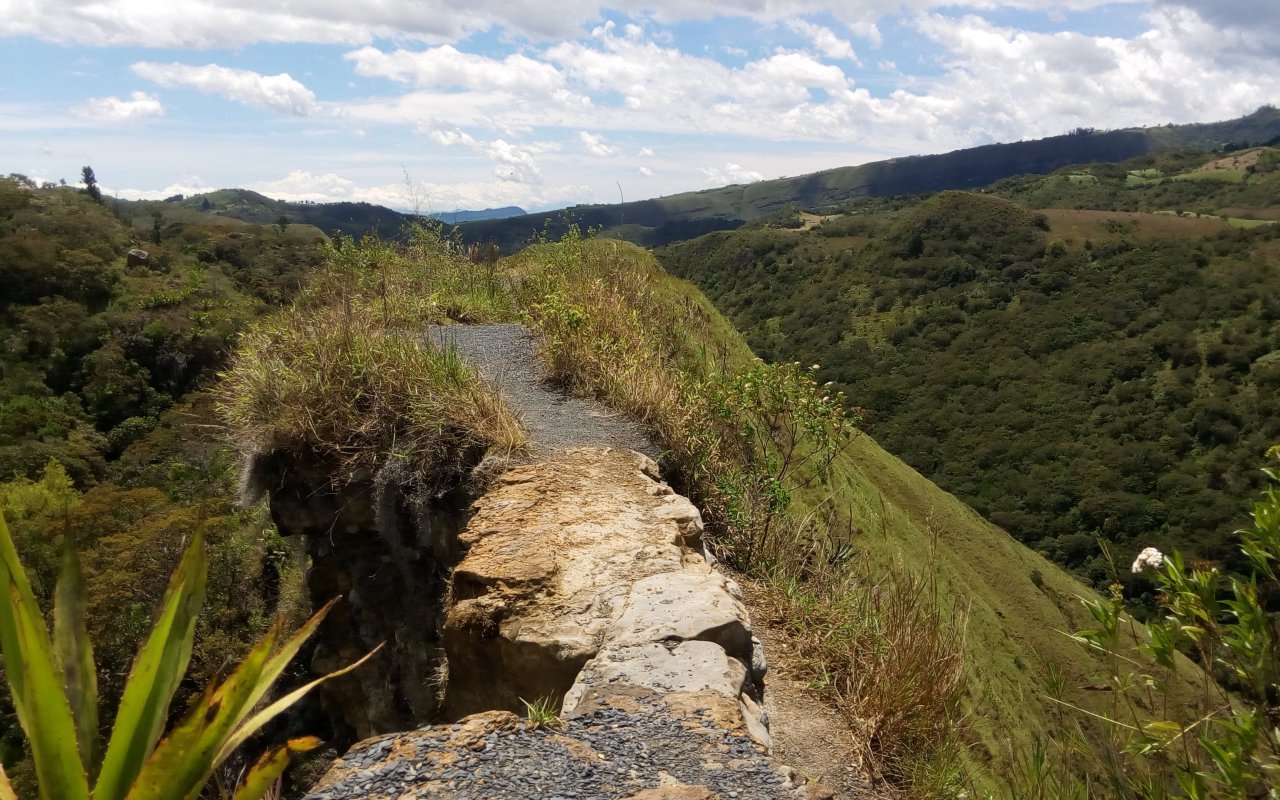
Stroll along Muisca paths, enjoying the scenery of desert, waterfalls and the Paso Angel.
What to do in Mongui
The Mongui region is still very authentic and not very touristy. Its colonial architecture, friendly locals and verdant páramos make it a must for visitors to Boyacá
Calicanto Bridge
Built in the 17th century over the Morro River, it takes its name from the material from which it is made: limestone, mixed with lime, sand, ox blood and molasses. It is typical of the colonial era, when the stones used to build Monguí’s main church were transported here.
Basilica and cloister of Our Lady of Monguí
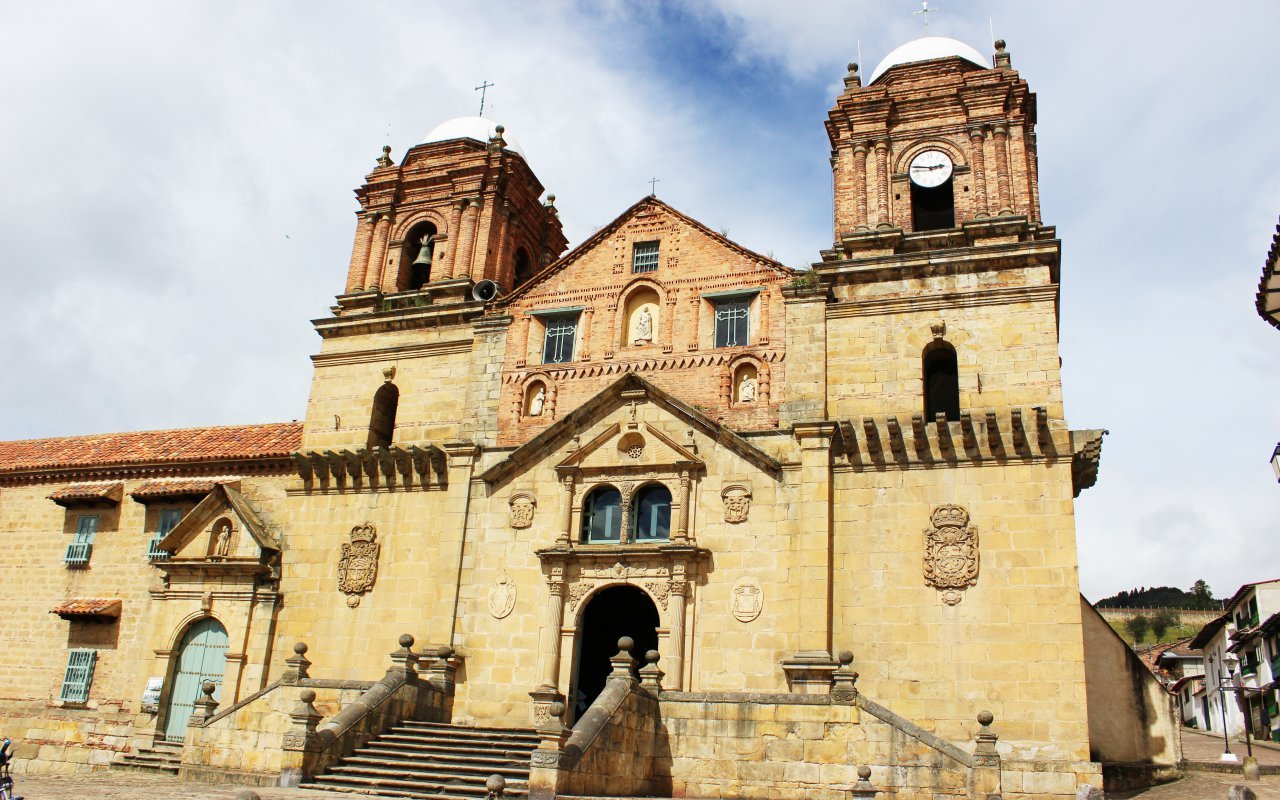
This 17th-century building is part of Colombia’s cultural heritage, a colonial gem built in stone between 1694 and 1760 and considered “an architectural treasure of Latin America”.
Paramo d’Oceta
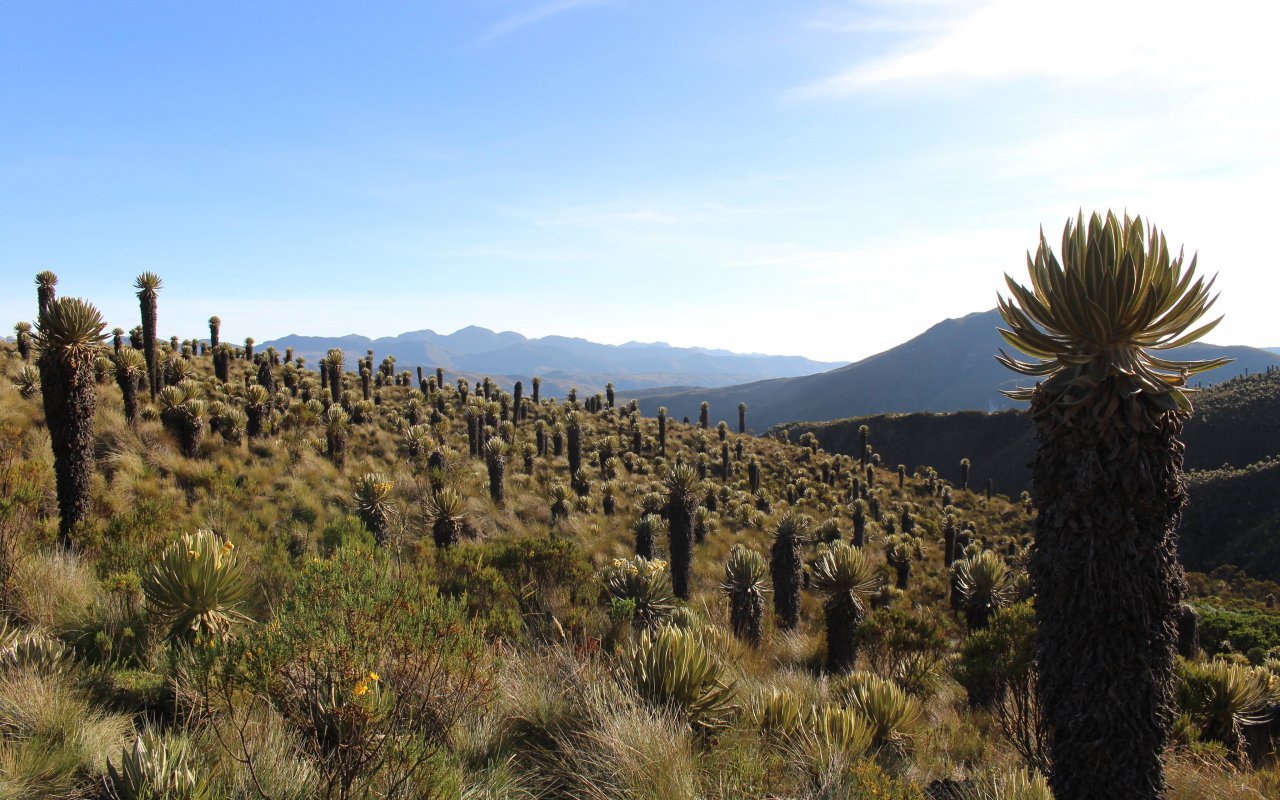
For nature lovers, the Paramo d’Oceta, at an altitude of 4,000m, is an excellent option. It can be reached after a three-hour walk. You’ll discover the valley of the frailejones, a unique place that resembles a scene from a fairy tale. On a clear day, you may even catch a glimpse of the Sierra Nevada del Cocuy.
Lake Tota
It’s impossible to leave the region without visiting Lake Tota at an altitude of 3800 m. With a surface area of almost 55 km², it is the largest lake in Colombia and the second highest navigable lake in South America after Lake Titicaca. Here, you can enjoy water sports, fishing, forest walks, camping or lounging on Playa Blanca beach, the only cold-weather beach in Colombia.
Footballs
Mongui is famous for its tradition of handcrafted soccer balls. There are 20 ball factories in the town, making it one of the region’s main sources of income. The tradition – unlike today’s industrial production – dictates that all 32 pieces of each ball must be sewn by hand.