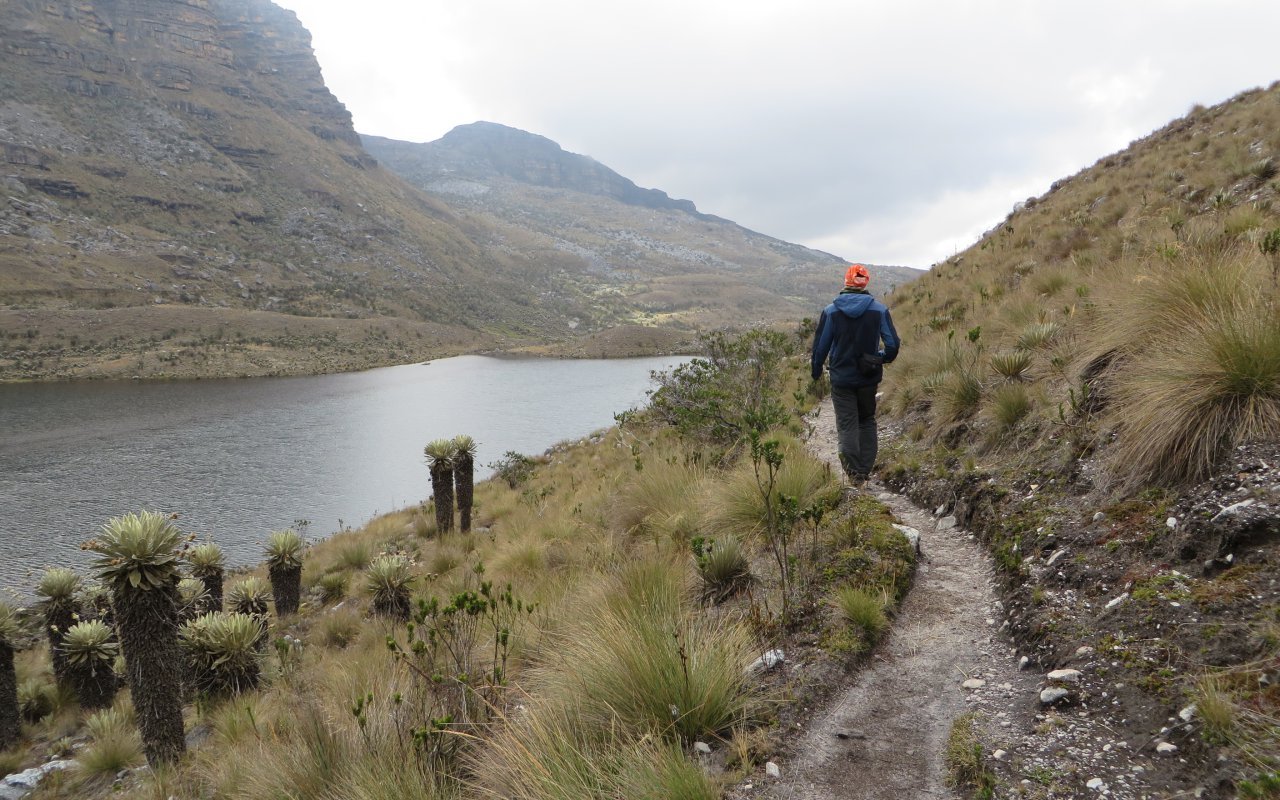
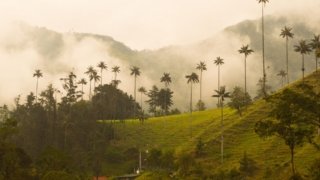
The Guambianos, or Misak people, live in a small territory called Guambia. This little-known but splendid region is located in the foothills of the Cordillera Central, the backbone of Colombia, in the north-east of the department of Cauca. Just a stone’s throw north of the Mascizo Colombiano, the point where the Andes divide into three, Guambia is overlooked by immense volcanoes and peaks from which numerous rivers flow down to the páramos below.
On your way to the white town of Popayan or the archaeological site of Tierradentro, you may well stop off in this region where, although it’s cold and wet, you’re sure to be charmed by the breathtaking scenery and the warmth of its inhabitants.
The importance of the earth
As a preamble, some may wonder why we dwell so much on describing the landscape when what we’re looking for is a human experience. Well, the Guambianos, who have inhabited this corner of the world for centuries, attach particular importance to Mother Earth, which is both their means of subsistence and their spiritual raison d’être.
This observation, which can be generalized to other communities in the country, serves as a reminder that belonging to a territory is what above all defines the identity and claims of Colombia’s indigenous people in the face of a state whose priority is to modernize the country, often to the detriment of the original peoples who are trying to preserve their culture. The sight of these serene mountains, faintly gilded by the sun’s timid rays, will certainly help you understand the bond between man and the land in which he was born. The elders tell the younger generation that their ancestors were born from the bowels of the earth, thanks to the gullies dug by the rivers that thread their way between the mountains to flow into the sea. Hence the name Guambia, which means ” the land of waters “, and they consider nature to be the mother and spirit of life. The elements of the cosmos and the world are a single whole, granting them life, nourishment, wisdom and dignity.
The Guambianos are responsible for ensuring the balance between nature and man. They must protect it, cultivate it and give back spiritually what they draw from it. The deeds they perform during their earthly life will then be decisive in their celestial life. By making offerings, they secure the Earth’s favor. Certain areas, such as the páramos, are considered sacred and must not be entered except for ceremonies.
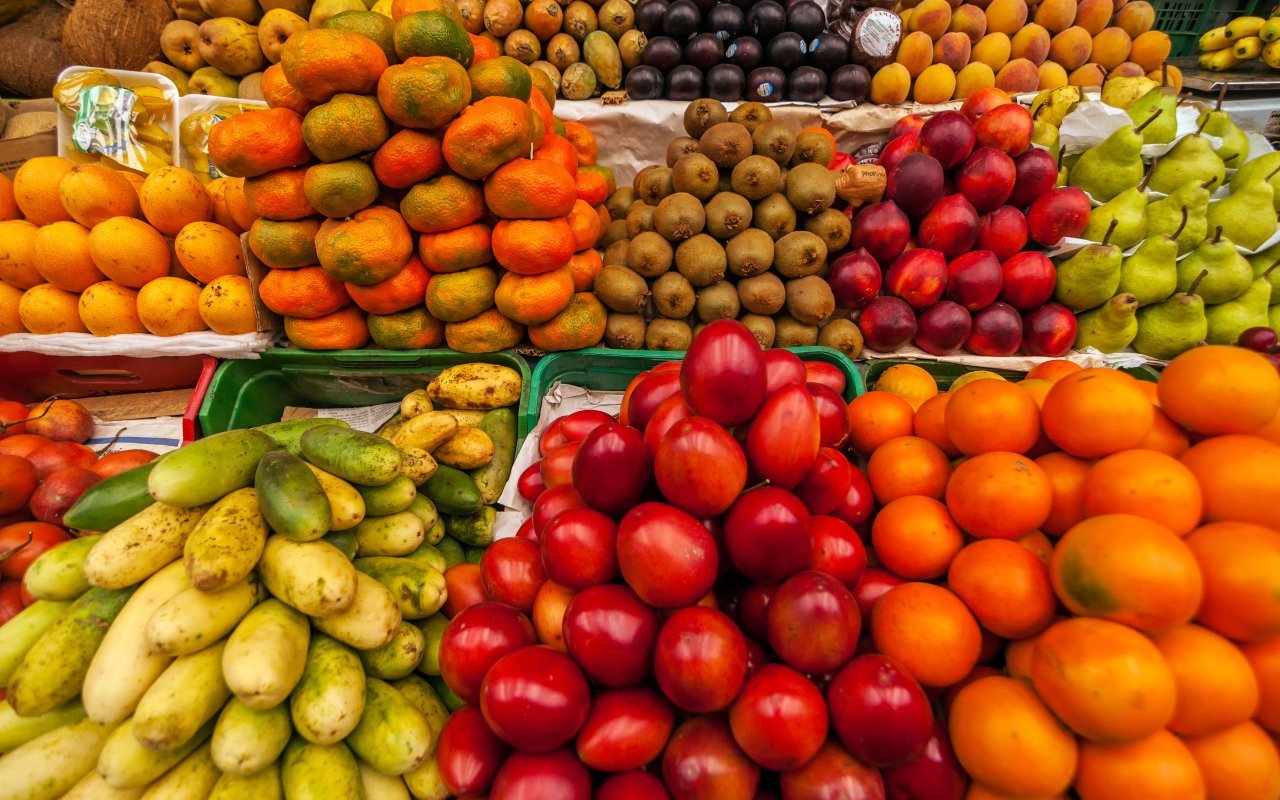
Agriculture is therefore the main activity of the Misak people. At certain altitudes, between 2,500 and 3,000 metres above sea level, cultivated land is less fertile, due to the abundance of water and repeated gusts of wind, and difficult to access due to the slope of the land. Using ancestral farming methods, they harvest on their vertical plots different varieties of potato, maize, ullucos (a tuber), as well as wheat, rice, barley, garlic and onions. Depending on the season, they also grow cabbage, beans and all kinds of vegetables. In the past, bartering was the order of the day; today, their presence in the surrounding markets provides them with the income they need to earn a living. Fishing is also a key activity, given the many rivers that meander through the region. Some Guambianos alsoraise cows, sheep, pigs, rabbits and chickens. Wool is the mainstay of their clothing, in the form of magnificent scarves and ponchos. Like property rights, land is cultivated collectively. This is known as the Minga, or working together. The Guambianos invite family, friends and neighbors to help them with a variety of tasks, including farming, construction and road maintenance. This work is followed by a moment of relaxation, when men and women get together to chat over coffee, lunch or one (or more) glasses of aguardiente (the national spirit). The quality and quantity of the food is also a criterion of prestige between families. This practice of the Minga is a heritage of the Andean peoples, reflecting a sense of cooperation, unity and social cohesion. Like the land, language is an essential attribute of the Guambiana cosmovision and identity. Some linguists consider that their mother tongue, Wampi-misamerawam, is inherited from the Chibcha language. In fact, because of their history, the vast majority of Guambianos also speak Spanish.

Daily life
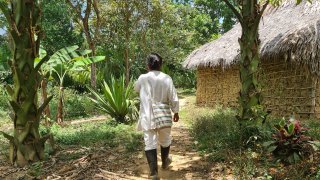
Some ten thousand Guambianos inhabit the steep slopes of the region. The Guambia territory is administratively considered a resguardo ( reserve) belonging to the municipality of Silvia, which is also a village where the Guambianos trade and come into contact with the rest of the Colombian population. Life is organized in each village by the Taita , the community leader. Life in each village is organized by the Taita, the community leader. Due to the ruggedness of the terrain, the houses are spaced rather far apart. They may be built of lime and guadua (bamboo) or, for wealthier families, of brick with a tiled roof. These often rectangular or round dwellings are adorned with numerous paintings. The kitchen is the main room where daily family activities take place; around the hearth, people get together and chat. The women spin, weave and sew, and the Guambianos attach particular importance todress. Their elegant attire is a symbol of resistance and collective representation in the face of the Western world, and also serves to differentiate them from the country’s other native communities. Because of the climatic conditions, clothing is warm, often made from wool, and layers are superimposed. Both men and women wear long, midnight-blue skirts, cinched with wide leather belts that cover their legs. The former then slip thick ruanas ( ponchos) over their shoulders, which they complete by wearing a scarf. Hats are commonplace, sometimes straw, sometimes felt melon. Women drape themselves in bright blue loincloths edged in red or bright colors. Their necks are adorned with necklaces that sometimes weigh several kilos! On their shoulders, they carry the famous mochilas (woven saddlebags) to carry everyday items or offerings during ceremonies. The men, on the other hand, carry a finely carved, dark wooden stick. Despite their very shy nature, which is reflected in their refusal to be photographed without permission (as is only natural), they are quite open and curious with tourists – if the latter are willing, of course.Songs and dances punctuate the various rites and festivities. Their melancholy, even taciturn gazes are filled with gaiety and joy. To the sound of Andean drums and flutes, they dance in lines, men and women facing each other, or sometimes in spirals or rounds, interrupting the silence of the mountains with cries, songs, laments or other odes to the Earth. The major festivities take place at Christmas time, when the Guambianos dress up and paint their faces red or black.

An ancestral heritage confronted by modernity
Misak beliefs stem from an astonishing syncretism between age-old spirituality and the Catholic religion. Part of the Guambiana population has distanced itself somewhat from the rest by practicing more fervently the latter, which was imposed for a long time by the colonists. For example, funeral rites are steeped in Catholicism: death is considered a journey, so the deceased must be equipped with coins, food and various utensils. The Guambianos have developed a science of traditional medicine. To this end, they grow pouliot (a type of mint), arnica, coca leaves and rosemary. The shaman who practises medicine is called Murbik. Education is provided within the communities, and includes learning about agriculture, the native language, weaving techniques, etc. Today, the Guambianos are struggling to assert their culture. The Misak were largely exposed to Western culture during the Spanish conquest, then with the establishment of the encomiendas (a production system that massively concentrated the often indigenous peasants) and finally with the assertion of the authority of the modern Colombian state. Many Guambianos were uprooted from their lands and integrated into Colombian society over time, mostly working as day laborers. The Guambianos are considered an endangered ethnic group. Colombia’s armed conflict has long placed them in the crossfire. Between 2003 and 2008, more than 1,300 Guambianos were displaced by the fighting. In the 70s and 80s, the Misak people played an active role in the various indigenous uprisings in the Cauca region, protesting against state laws denying them autonomy over their lands and threatening their cultural heritage. In 1971, they participated in the creation of the Regional Indigenous Council of Cauca (CRIC), which fights for the preservation of indigenous territories, the autonomy of the resguardos and the drafting of their own legislation. Since 1991, these demands have to some extent been enshrined in the Constitution. Today, the Colombian State is allowing them to define a Plan de Vida (Life Plan), which sets out 5 objectives: to recover their own autonomy, an independent justice system, their ancestral culture and cosmovision, vital natural spaces, and economic and social reconstruction. This reappropriation of their rights in the face of modernity testifies to their determination to preserve their traditions at all costs. Many young people from these communities have trained in the city, returning ready to face the challenges of today’s world. These lawyers, engineers and researchers have chosen never to forget their roots. Some local initiatives bear witness to this, such as the creation of a Numuy Wam radio program or the participation of Guambianos in various local newspapers.Meeting the Guambianos is an unforgettable experience. The trails, far from the polluted air of the cities, will guide you between imposing mountains with an air of the Swiss Alps, from waterfall to waterfall, led by the fresh, humid scent of the lush vegetation. The view will be seduced by these valleys criss-crossed with the sweat of the forehead, these rivers rushing down the steep slopes. But above all, what makes such an excursion worthwhile are the brave, hard-working, deep-seated inhabitants, who preserve the strength of their tradition in the face of modern adversity. Yet they will welcome you with open arms, so that a beneficial exchange can take place between two very distinct cultures.
Text by Eliott Brachet