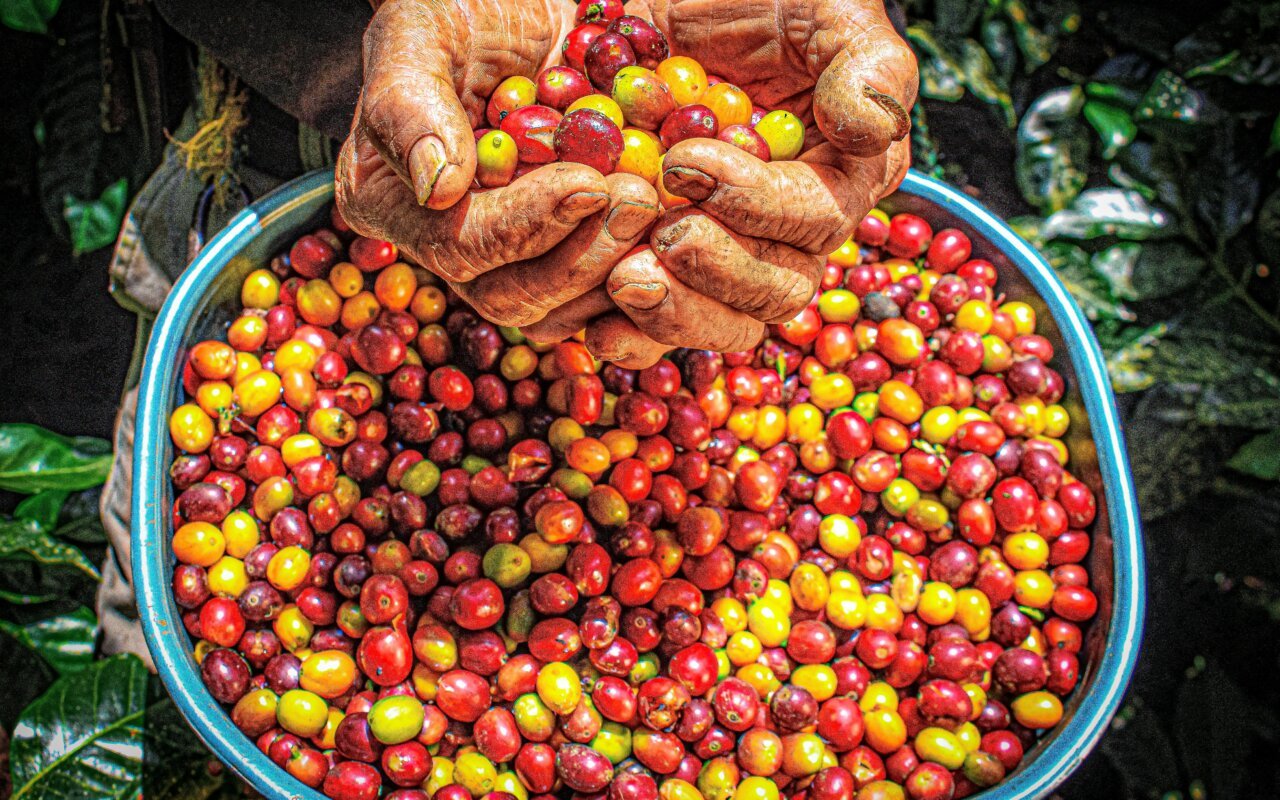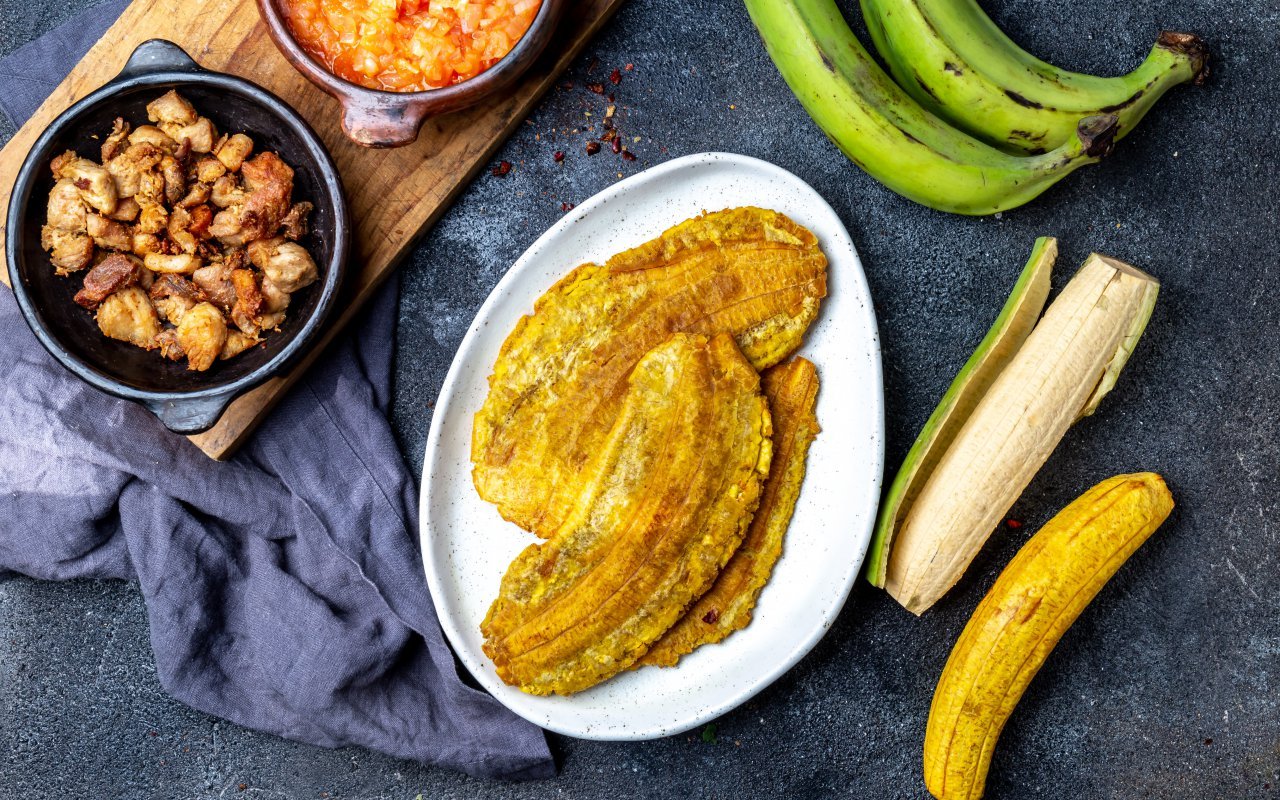
¡Barriga llena, corazón contento! or “When the belly is full, the heart is happy”! It’s a leitmotif that fits perfectly with the costeños, the inhabitants of Colombia’s Caribbean coast. Renowned for their epicureanism and joie de vivre, in a region as fabulous as it is torrid, the caribeños are above all true cooks, and when it comes to cooking, they don’t mince their words when it comes to delighting onlookers who have come to eat in the shade after sunbathing. We’d like to take you on a little tour of the rich and varied tropical flavors that will undoubtedly take you on a journey… ¡Buenprovecho!
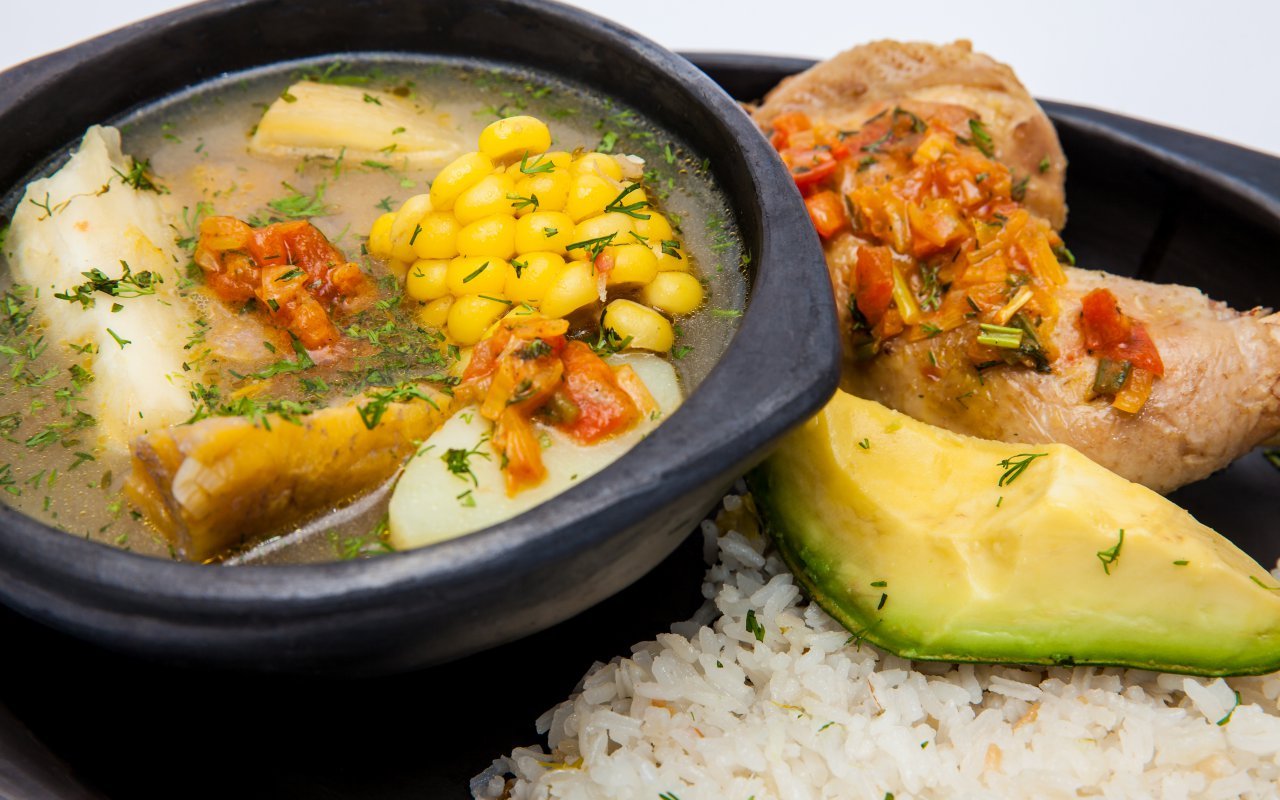
El sancocho colombiano
A varied cuisine with multiple influences Unlikely as it may seem, the most typical and widely consumed dish on the Coast is a soup, a stew called sancocho. Most often prepared with freshwater fish (bocachicos, bagre) or seafood (sea bass, sea bream, crabs and other seafood), it’s a delicious composite stew, combining vegetables and herbs, that simmers under the watchful eye of the cook.
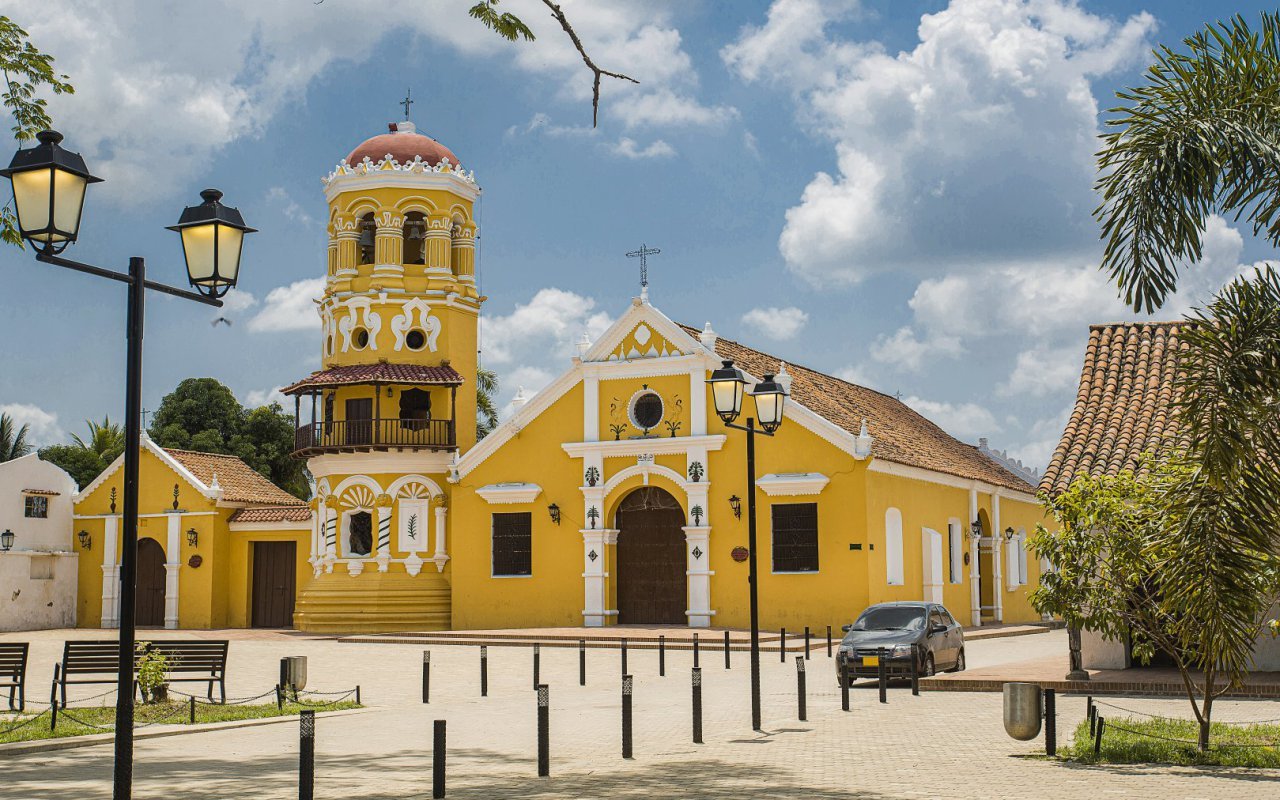
Beyond the fact that you’re bound to try it during your trip, you’ll also often hear Colombians say that “Colombia is a sancocho”, illustrating the idea that the country is a veritable melting pot of diverse influences, languages and cultures. Indeed, the Caribbean coast was historically the land where the first settlers set foot. This was followed by a succession of heterogeneous arrivals withvaried influences: black slaves from Africa, Arab traders (notably Syrian and Lebanese), Sephardic and Asian Jews, as well as the Portuguese, English and French who called at the ports of Cartagena, Barranquilla and Santa Marta.It can therefore be said that, like its inhabitants, Caribbean cuisine, ” la costeña “, is the fruit of many mixtures. If corrientazos ( typical dishes of the day) were time machines, we could trace the origins of the many products that make up Colombian and particularly Caribbean cuisine today. First of all, there’s the indigenous heritage, which brings together corn, yuca (a type of cassava), potato and sweet potato, ajies (chillies), tomato and avocado. From Africa, the costeños picked up ñame, candia or guandul (types of bean), sorgo (cereal), the tradition of cooking with coconuts, and so on. From the Arabs: culinary know-how based on eggplants,albondigas (meatballs), pastries and spices. From Europeans: citrus fruits, carrots. From the Asians: mango, rice, platano (plantain)… In addition to cooked dishes (some of which are described in detail below), Caribbean gastronomy also includes many small fried fritters , which are eaten on the go and at any time of day. Arepas ” are small corn cakes found all over the country, but can be particularly tasty on the coast. Carimañolas are succulent yuca fritters filled with meat and vegetables. Last but not least, don’t miss the seafood or shellfish empanadas , very tasty at aperitif time.
A paradise of fruits and juices of all kinds
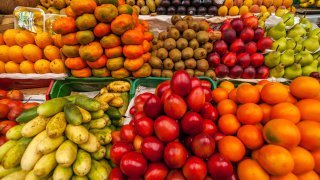
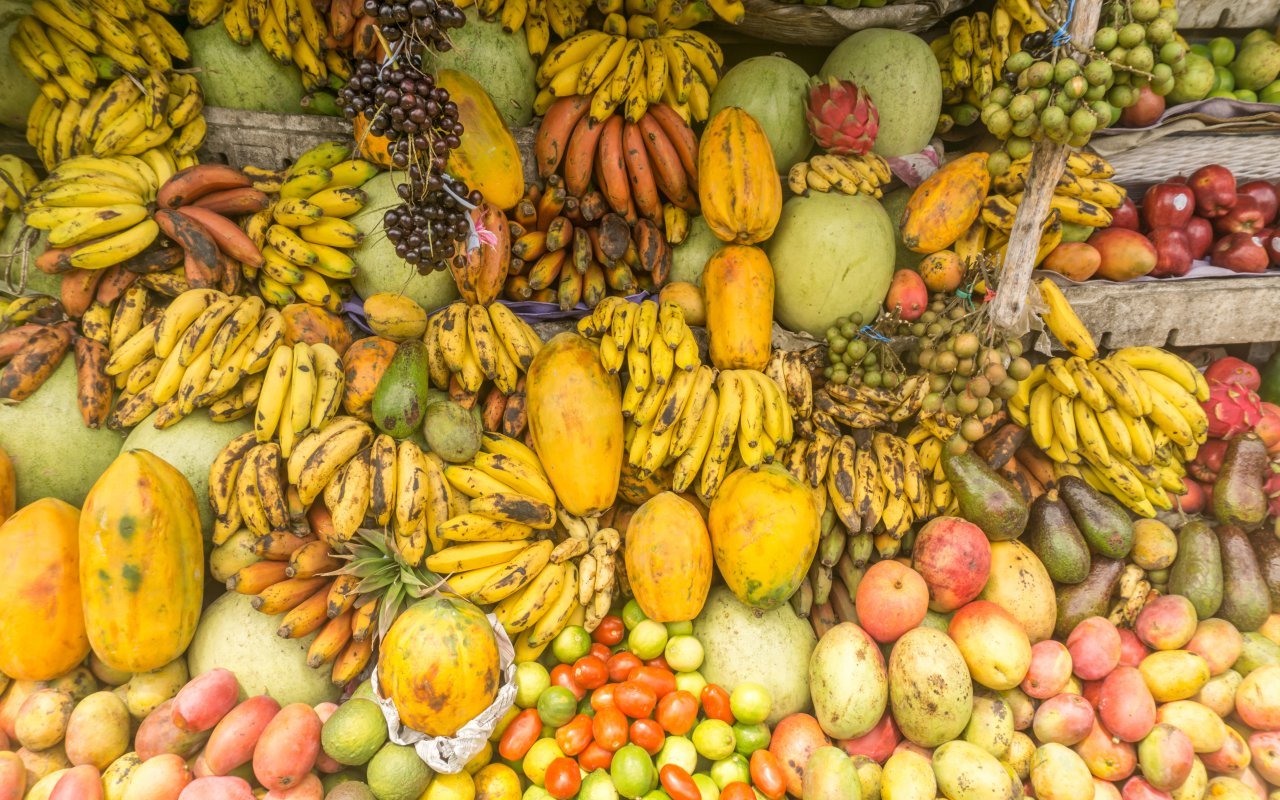
If in Colombia the expression ” No dar papaya ” (don’t give the papaya away) means that you sometimes have to be careful, on the coast you need have no fear when it comes to fruit. Yes, Colombia is an El Dorado for lovers of all kinds of fruit. In the Caribbean, you’ll find everything: zapote, lulo, curuba(edible banana passionflower), mamoncillo, uchuva (gooseberry), feijoa, sweet passionflower, mamey, guama, tree tomato, borojó (which gives an aphrodisiac juice), pomarrosa, anón, chirimoya, guanábana, maracuyá (passion fruit), granadilla, chontaduro, mora (similar to blackberries), cocota, carambolo, corozo, guayaba manzana(hybrid between guava and apple), small sweet bananas (called murrapos), níspero and pitahaya..
The list is long but not exhaustive, and the costeños are masters in the art of concocting fruit juices, each more delicious than the last. These refreshing beverages will wake up your taste buds.
Cuisine and peace
In a region that still bears the scars of Colombia’s armed conflict, some chefs and producers, costeños and otherwise, met in August 2016 at the Sabor Gastronomic Festival in Barranquilla and then in Bogotá at the ” Gastronomy and Peace ” Forum, to reflect on culinary initiatives that could help unite the Colombian people around their cuisine.
“Cuisine must be one of the tools to bring the country together, with which we can also recognize our diversity, see that we have a common history that represents us all,” explains committed chef Eduardo Martinez. “The idea is to promote local products and dishes, so that gastronomy can truly serve the cause of peace, by encouraging the small farmers who previously farmed on the payroll of armed groups. The Peace Accords signed in Havana also provide for support for local agriculture in the face of large multinationals. Celebrity chef Leonor Espinosa explains:“The more Colombian products we consume, the greater the impact on the local economy. Chefs like Juan Manuel Barrientos have also set up reintegration programs in their kitchens for young people demobilized from the guerrillas, as demonstrated by the creation of the El Cielo Foundation.
Let’s get cooking!
Here are a few recipe ideas to try out before you leave
- Fish sancocho
- Arroz con coco (Rice with coconut)
- Chicken fillet with mango and passion fruit
- Seafood cazuela
- Arepa with cheese
- Pineapple chicha (typical fermented drink)
Text by Eliott Brachet