Every year in January, San Juan de Pasto hosts a major event symbolizing Colombia’s cultural and ethnic diversity: the Carnaval de Negros y Blancos, classified by Unesco in 2009 as a Masterpiece of the World Cultural and Intangible Heritage.
Qué vivan los Negros! Qué vivan los Blancos! The slogan of this colorful carnival resounds from every street corner, chanted at every turn by the thousands of Colombians and foreigners who make the trip to experience an unforgettable moment. Running from December 28 to January 7, culminating on January 5 and 6, Black Day and White Day respectively, this carnival transforms the capital of Nariño into a huge, colorful, musical and family-friendly open-air party.
A look back at the history of a popular festival that has become a symbol of Colombia's social and cultural syncretism
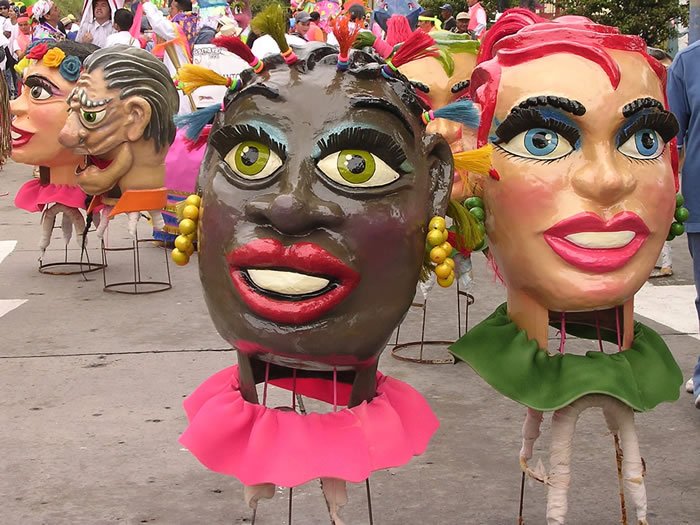
Although the Carnaval de Negros y Blancos itself has been held since 1926, its origins go back much further, and it is the result of various festivities stemming from the country’s multicultural history. The event is a confluence of cultures from the Andes, the Amazon and the Pacific, as well as being strongly influenced by Spanish colonial rule.
As far back as can be traced, Carnival has its origins in the traditions of the Pastos and Quillacingas Indians, who at this time of year celebrated the moon goddess to protect their harvests. In 1607, following a revolt by black slaves in the Antioquia region, the Spanish Crown declared January 5 a day of freedom and festivities to guarantee social peace. The tradition continued, and gradually spread to whites and mestizos throughout the region.
One January 6, 1912, the story goes that the tailor in the town of Pasto, on the day after Black Day, sprinkled white foundation and talcum powder on the customers of a hairdressing salon, shouting “Long live the Whites”; the second highlight of Carnival was born, the tradition of the “Juego de Blancos” (White Game).
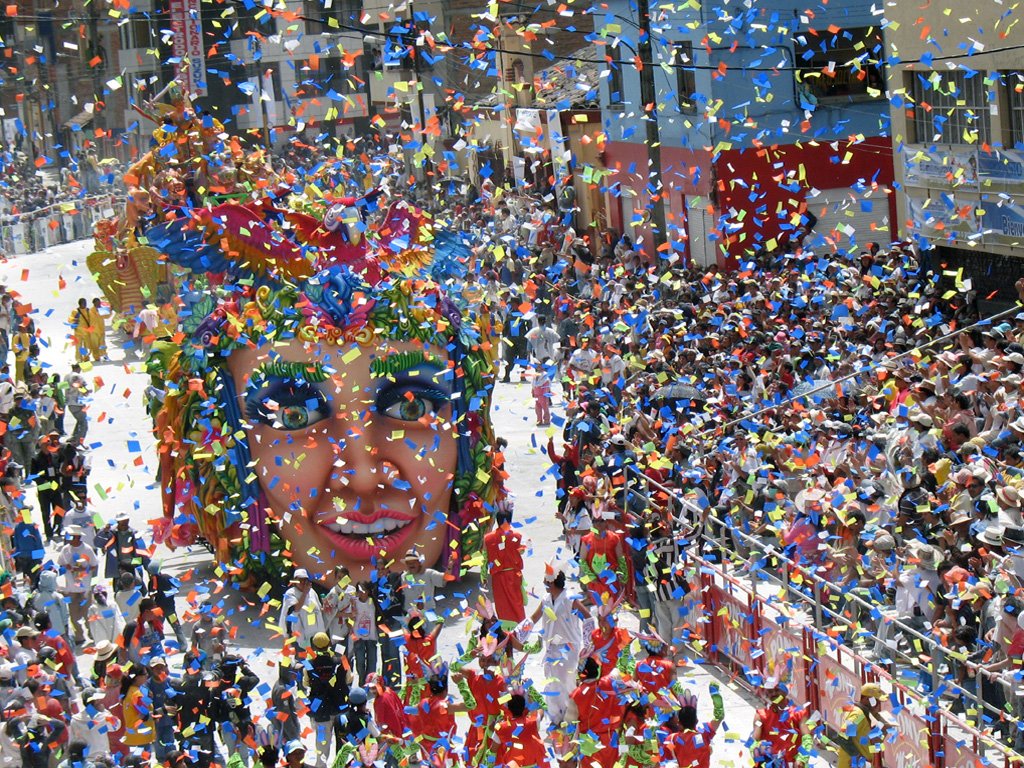
Consecrated as Cultural Heritage of the Nation in 2001, Carnival today represents Colombia in all its many facets. The event is prepared almost non-stop by some 9800 craftsmen, 2000 dancers, 1200 musicians and more than 2200 children each year. Carnival is a moment of conviviality without equal in the country, where a spirit of tolerance and sharing reigns, mixing social classes. Pastusos” from Pasto and the surrounding region organize themselves into collective workshops to present and transmit their values and traditions, embodied in the carnival arts. This great gathering of joy became a space and a time of peace for a population that had long been a victim of conflict.
A family celebration where music is king
From pre-Carnival onwards, the festivities bring together young and old alike. On December 28, it’s traditional to sprinkle oneself with water to “purify” oneself. On the evening of the 31st, the Año Viejo (Old Year) parade takes place, where puppets made of wood or papier-mâché are burned at the stroke of midnight, atoning for the year’s unfortunate events. On the same evening, the sky lights up with fireworks. January 3 sees the Carnavalito, the children’s version of the big parade that’s just around the corner.
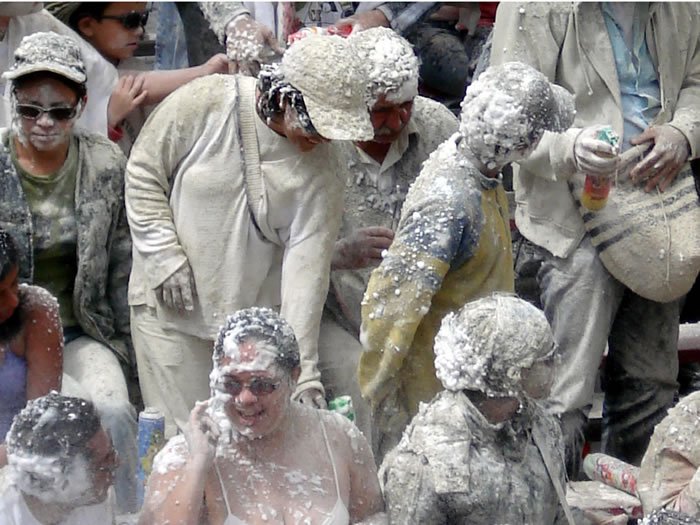
Every night, concerts resound on every street corner, because yes, Pasto Carnival is above all musical. Brass bands follow one another, and various renowned Colombian groups share the stages for free concerts, including the Herencia de Timbiqui (Pacific music), Lucho Bermudez’s orchestra (carnival cumbia), and Daniel Calderon’s (vallenato), featured in previous editions.
Andean music takes center stage on January 3 at the “Canto a la Tierra” (Song to the Earth), where trios of pan flutes, quenas and gaitas delight the audience. Fans of international music will be delighted by the Pastorock (January 2), then by the Chilean and Canadian bands who will be on hand to perform in the alleyways, before continuing into the wee hours of the morning in the city’s many nightclubs!
Carnival highlights
Carnival really gets underway on January 4 with the Castañeda Family parade. This procession opens Carnival, echoing the arrival in the city in 1929 of a large colonial family from Amazonia. This good-natured event embodies the legendary hospitality of the “Pastusos”. It’s also an opportunity to depict the habits and customs of the colonial era through satire.
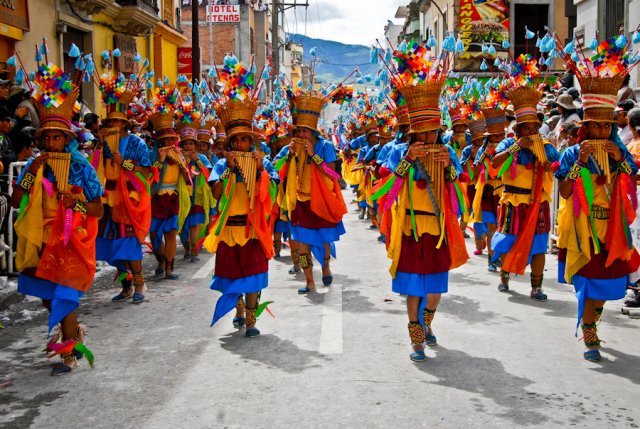
On January 5, Dia de Negros (Black Day) marks the start of the festivities. The “Juego de la Pintica” involves everyone smearing their faces with black paint. A true day of celebration and, historically, of freedom, the whole city is seduced by the lively rhythms of Afro-Colombian music. Its sounds and dances, such as the Currulao, fill the streets and squares with a joyous atmosphere to the sound of marimbas, guasas, tambores and other traditional instruments from the Pacific coast.
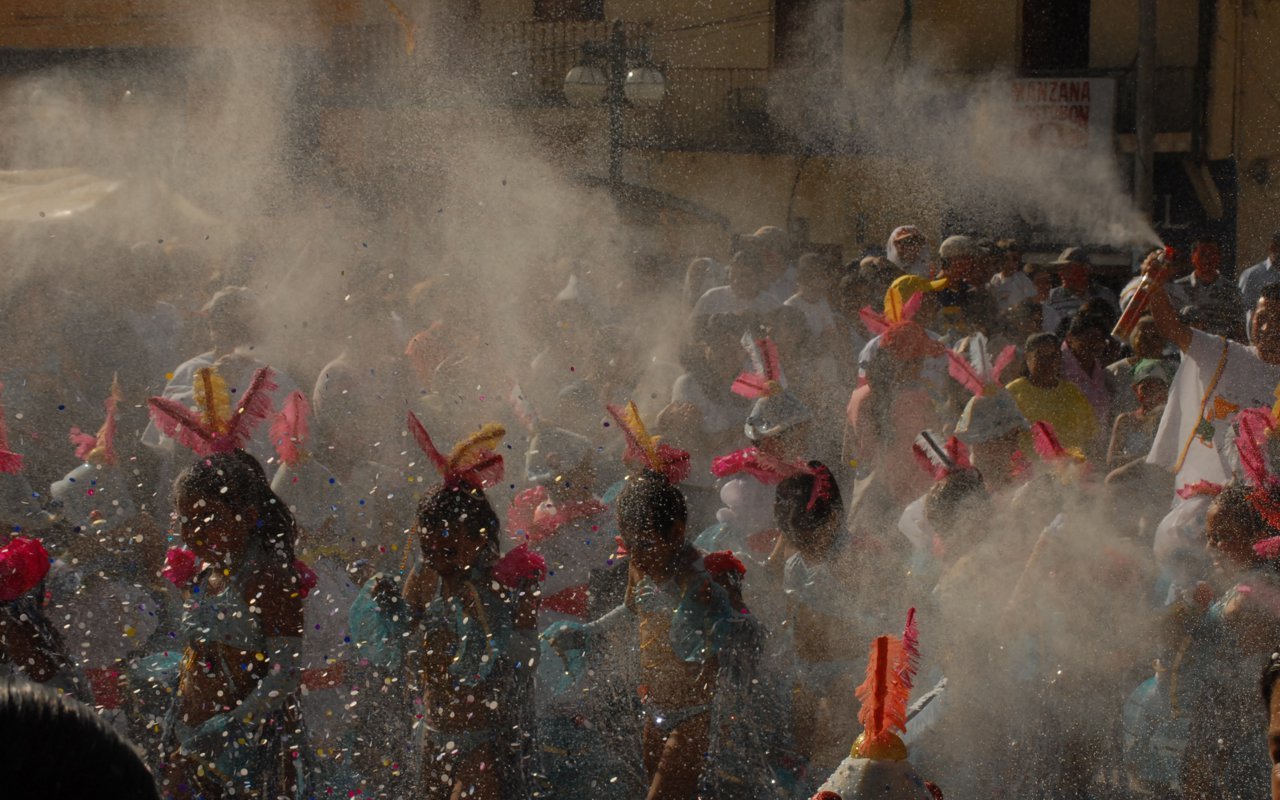
The following day, January 6, el Dia de Blancos (Day of the Whites) is the highlight of Carnival. The day begins with the long-awaited Desfile Magno (Grand Parade). Huge floats (carrozas) line the main avenue, followed by brass bands (murgas), individual disguises (disfraces) and finally group choreography (comparsas). The whole procession is the target of confetti and streamers of all kinds. Spectators take part in huge battles of white talcum powder, flour and foam (carioca). Everyone wears a white cotton poncho (ruanas), a wacky pair of glasses, an eccentric hat – any original protection is welcome. The Pastusos are happy to paint you from head to toe, and won’t be at all offended if you make them whiter than snow.
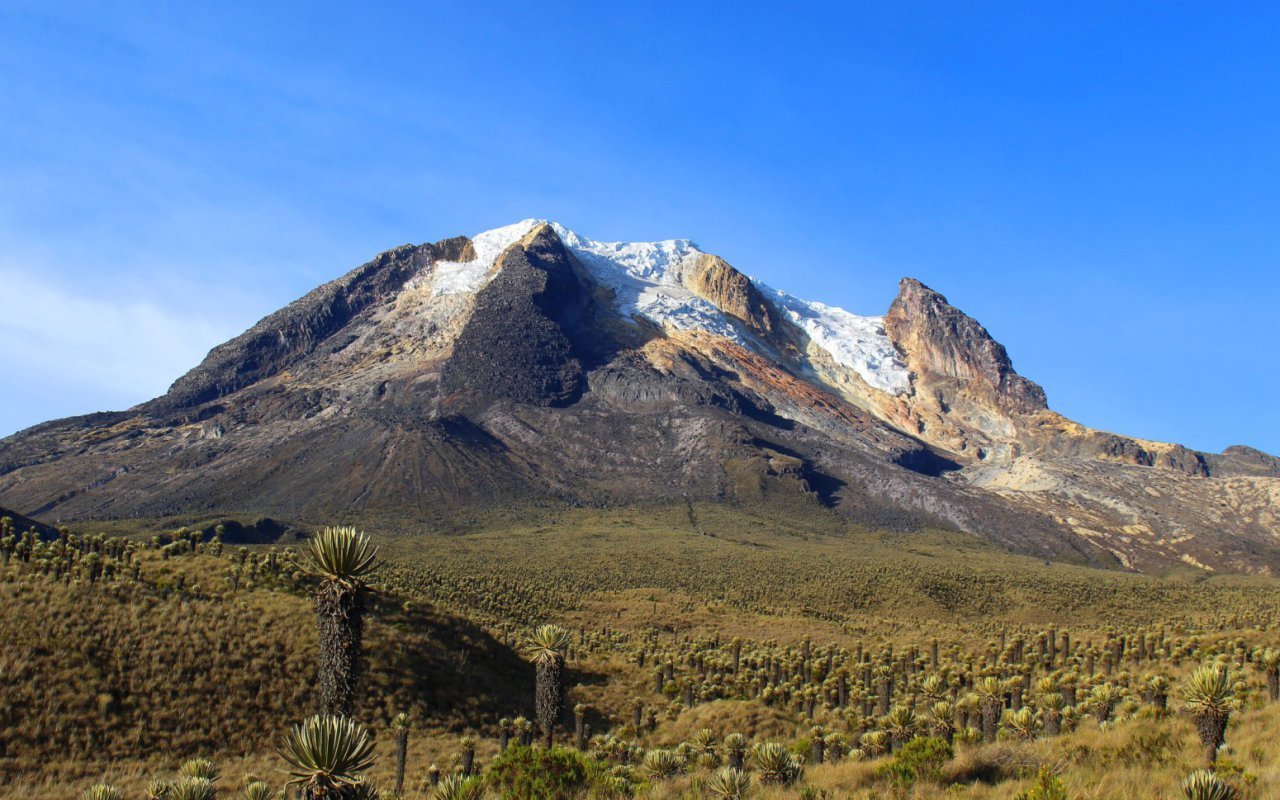
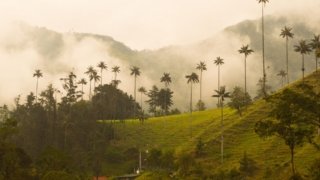
The Carnaval des Noirs et des Blancs is an unmissable event in every respect. On a human scale, it’s also more family-friendly than the famous Barranquilla Carnival in February, and offers a wonderful snapshot of contemporary Colombia. A trip to Pasto is also an opportunity to discover a breathtaking region and landscape, in the heart of the Andes.
Text by Eliott Brachet