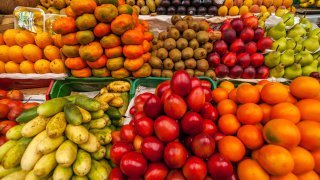
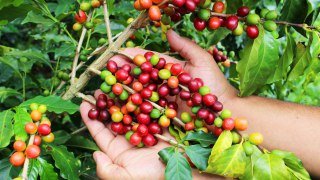
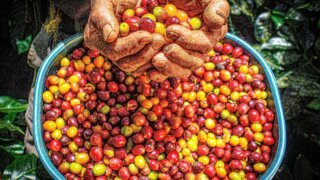
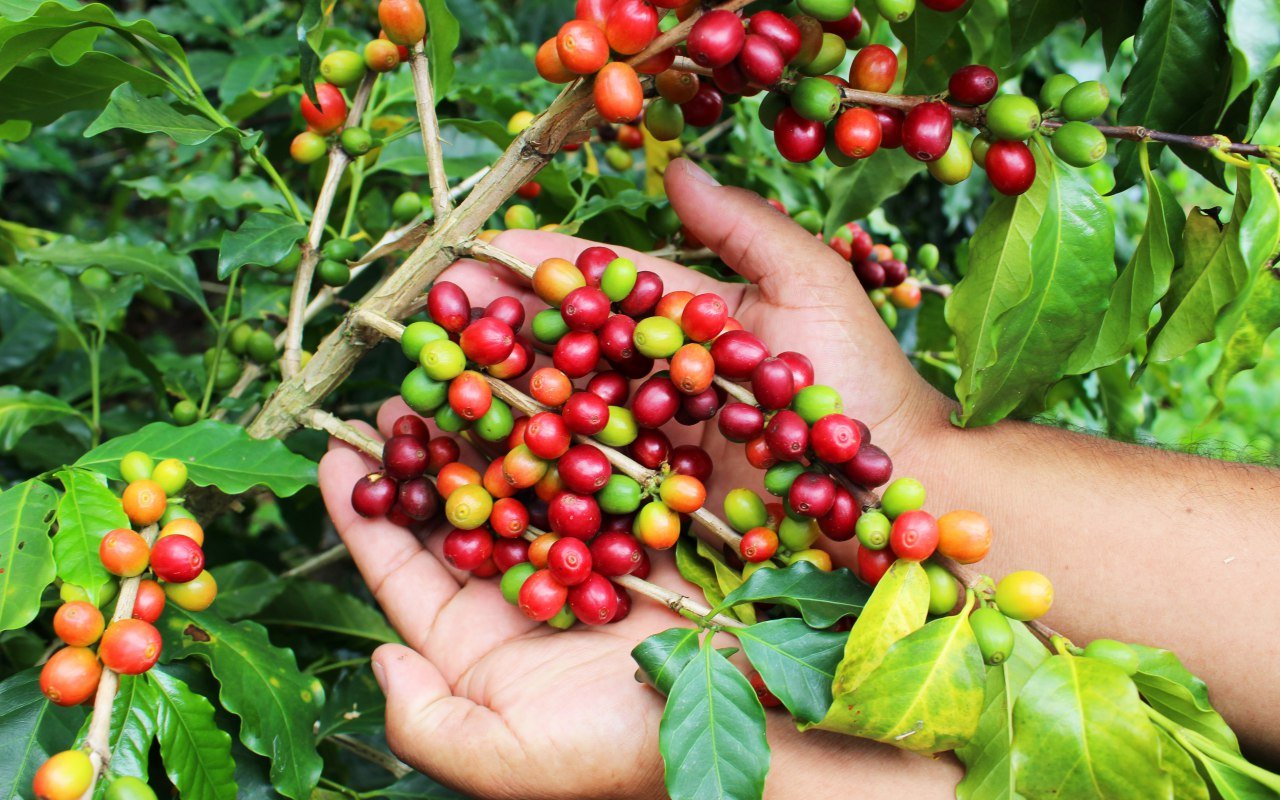
Red, green, orange, yellow, white, round, oval, light, thorny, leafy, thick, smooth… It’s impossible to miss them in Colombia! At every street corner, street vendors are sure to offer you delicious fresh fruit juices prepared before your very eyes. During meals or simply to refresh yourself in the middle of the afternoon, exotic fruit juices are a real specialty in the country, and Colombians are crazy about them. Mixed with water or milk, they can be found on every restaurant menu. Of all the countries in South America, Colombia certainly has the greatest diversity of exotic fruits, followed by Peru. Here’s a selection of some of them.
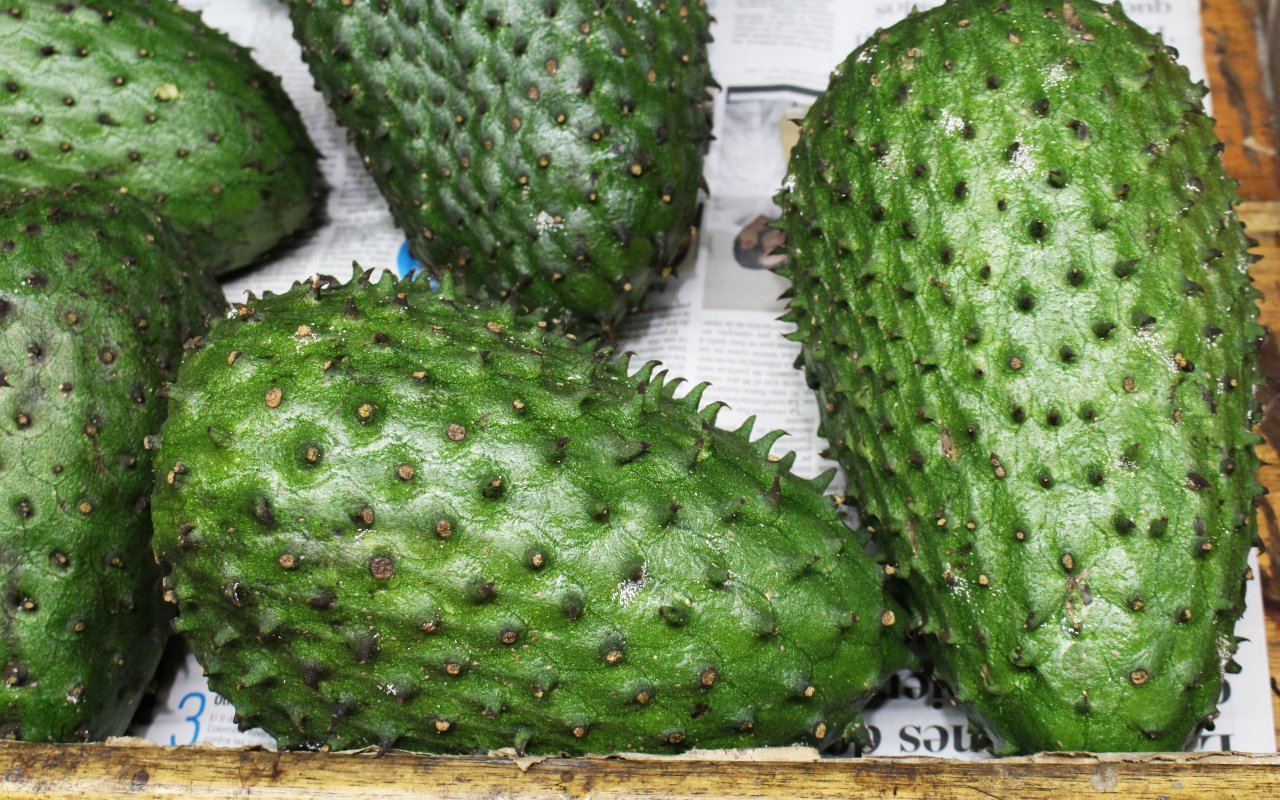
Guanabana
A large green fruit, the Guanabana measures up to 15 cm wide and 25 cm long. Strongly flavored, this fruit with its white flesh and spiny green skin is very juicy. Guanabana is much appreciated iced or in juice. A real treat!
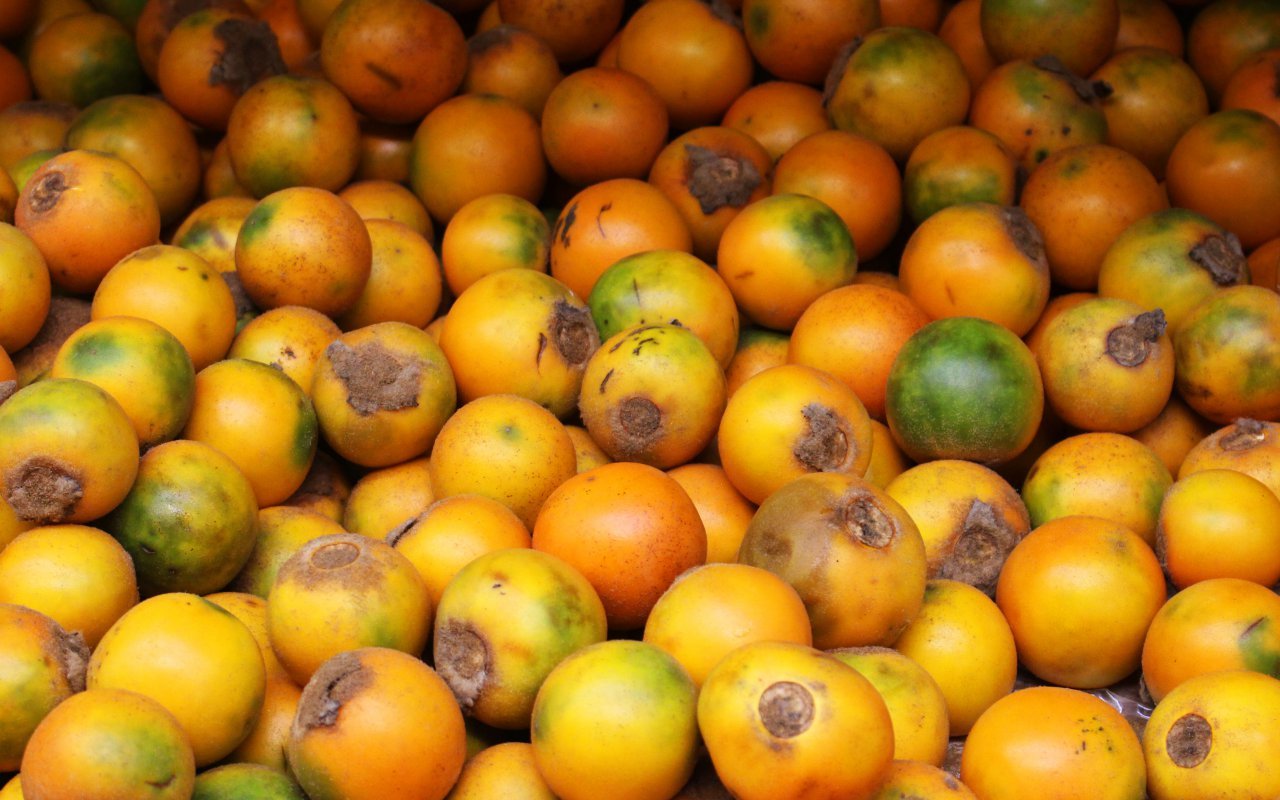
Lulo
One of Colombia’s star exotic fruits! Its appearance is reminiscent of an orange, its texture is a cross between a kiwi and a tomato, and its taste is sweet, fresh and delicious. Delicious in juice to accompany an arepa or empanada, Lulo is just as good in fruit salad or simply enjoyed with a spoon.
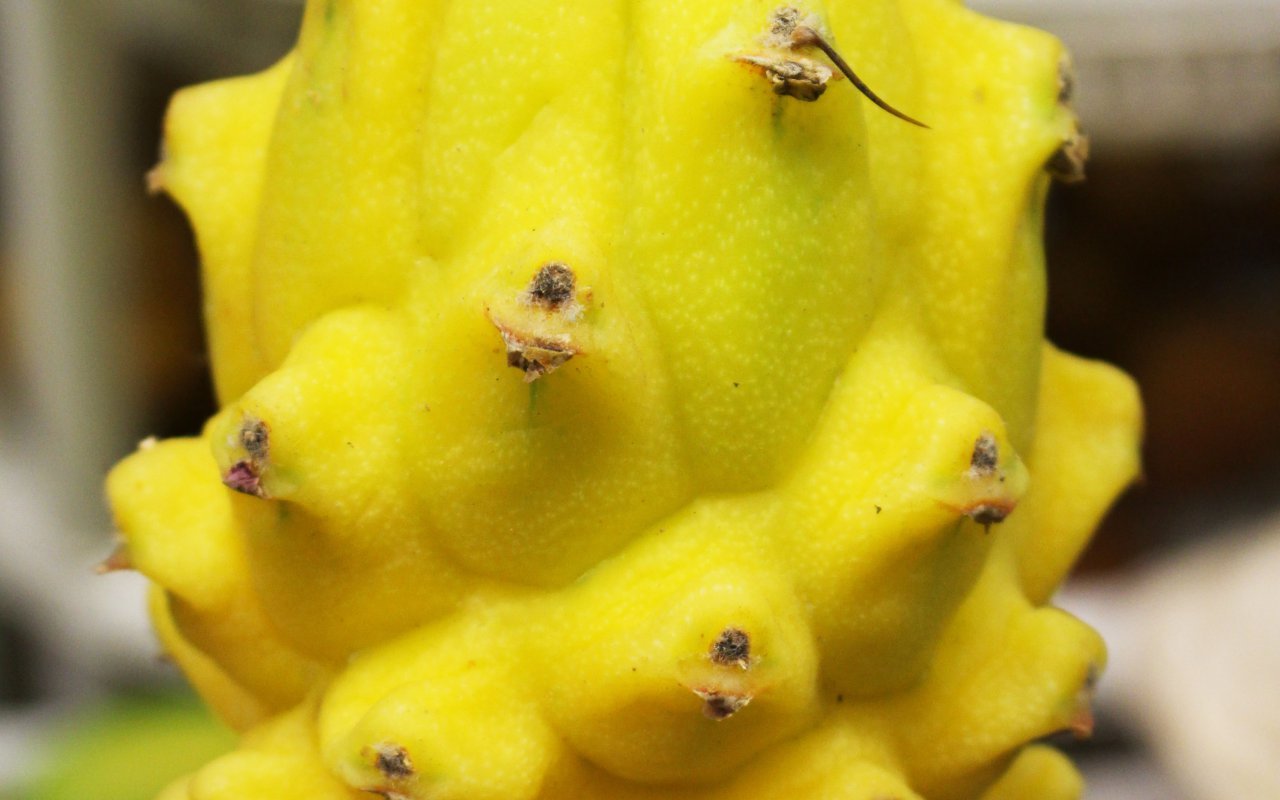
Pitaya
In Asia, it’s red. In Latin America, it is yellow. In both cases, called dragon fruit, Pitaya has a tough, inedible skin. A ripe pitaya is one whose skin yields slightly when palpated. The inside is made up of small black seeds and smooth white flesh resembling that of the Kiwi. Delicious with a spoon or yogurt.
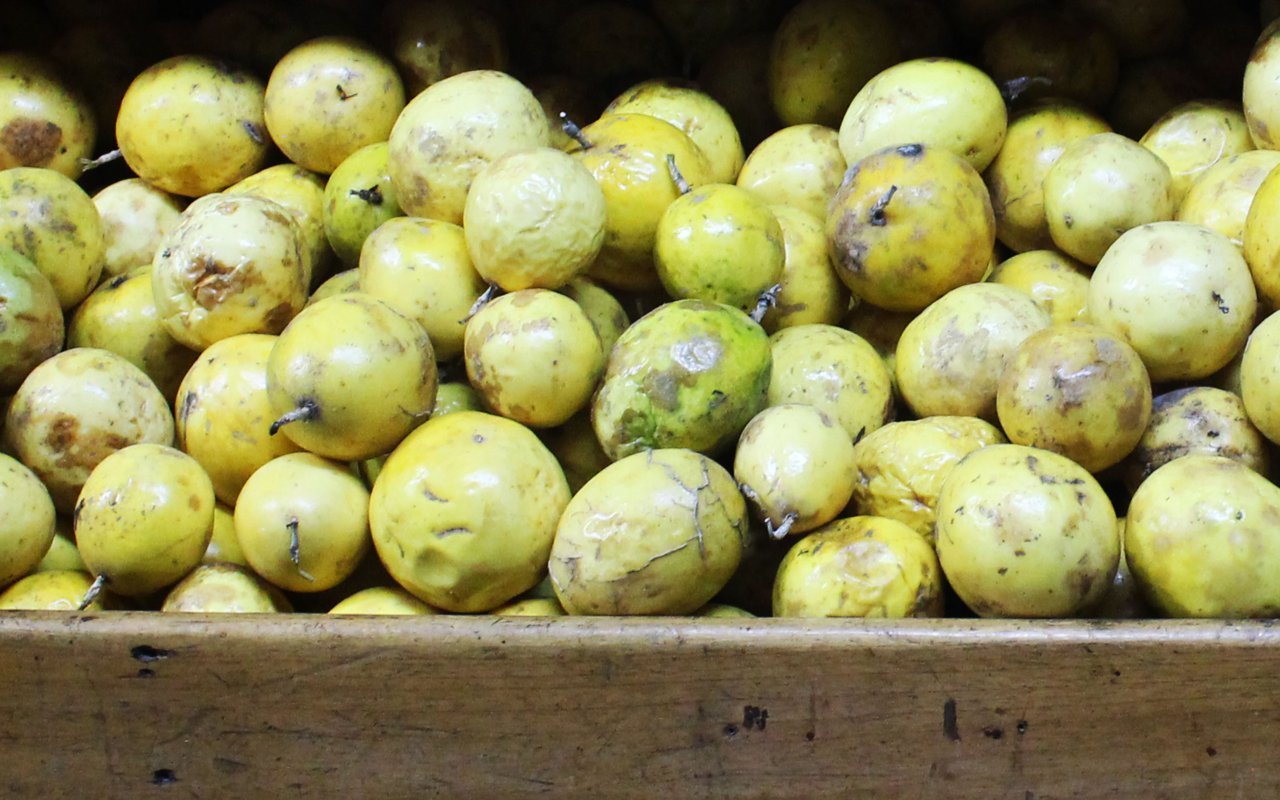
Maracuya
Better known as Passion Fruit, the Maracuya is THE fruit of Colombia and many other South American countries. To choose a good Maracuya, weigh it and shake it close to your ears: it has to be heavy and the seeds have to sound like maracas! The best way to enjoy it is in juice: smooth and refreshing. It can also be found in jams, creams and cakes. Maracuya tart is a real delight!
Curuba
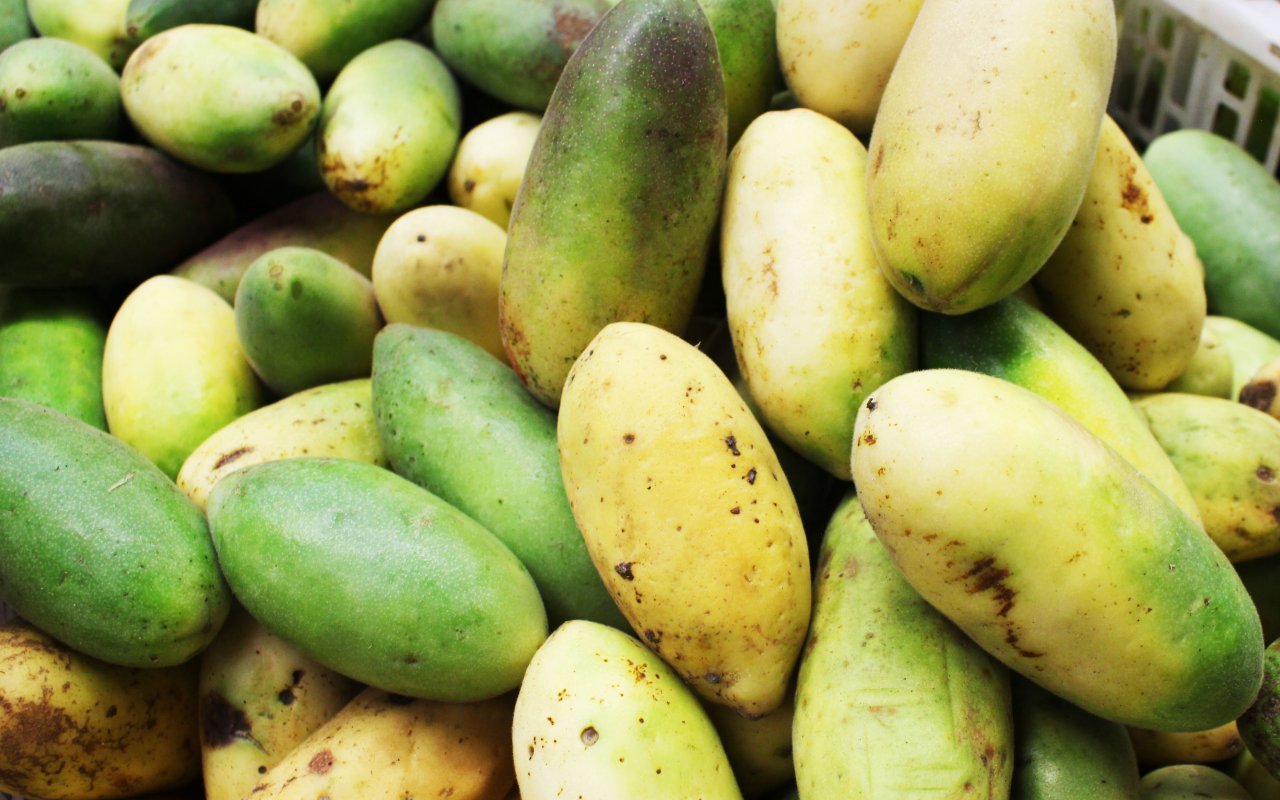
Curuba is also a member of the passion fruit family. It is shaped like a small banana, averaging around 10 cm in length, but not very attractive in appearance. The fruit keeps for a relatively long time. Its yellow-toned skin is not edible, but the orange gelatinous seeds inside are full of flavor.
Tomate de arbol
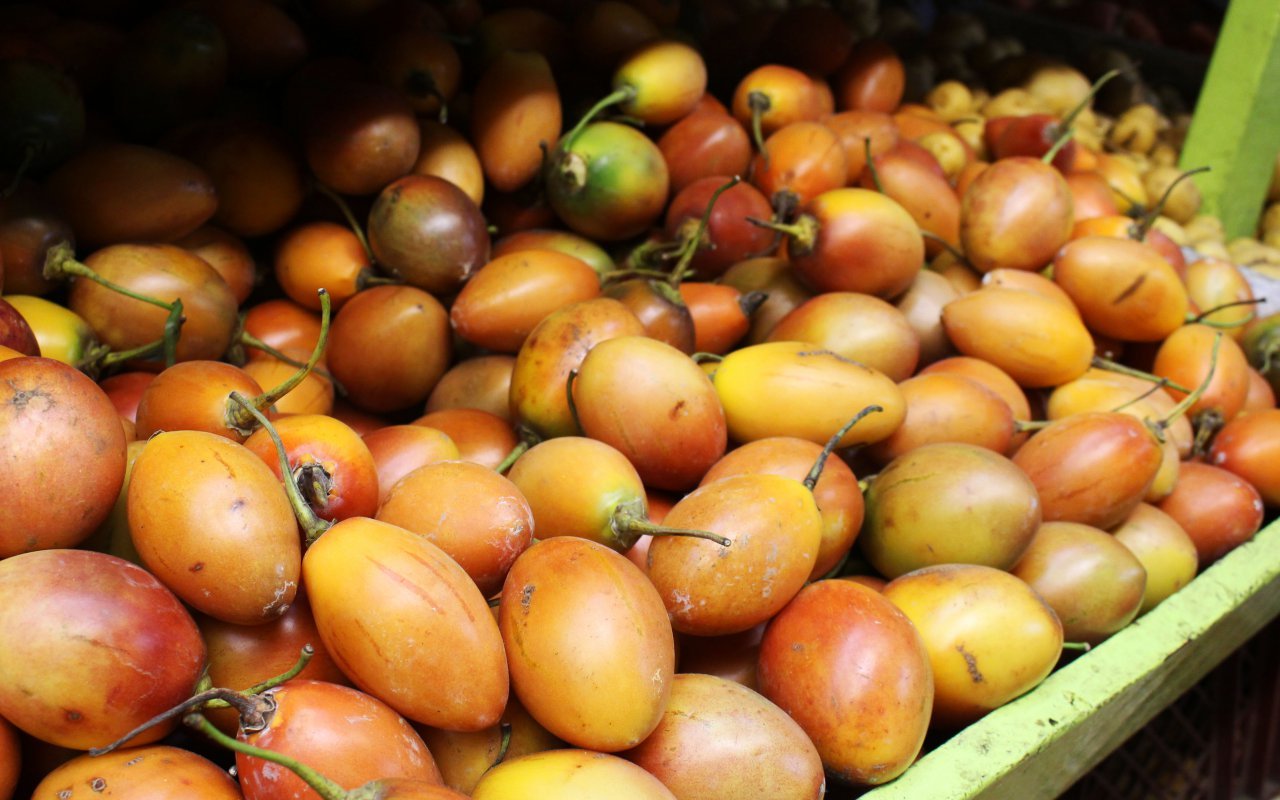
Yes, the tree tomato is considered an exotic fruit! From the same family as the tomato, it has an elongated shape and a rather red color. However, its taste is not comparable to that of a tomato. When ripe, it can be eaten in juice, preserves or even fresh. They also make good jams.
Carambolo
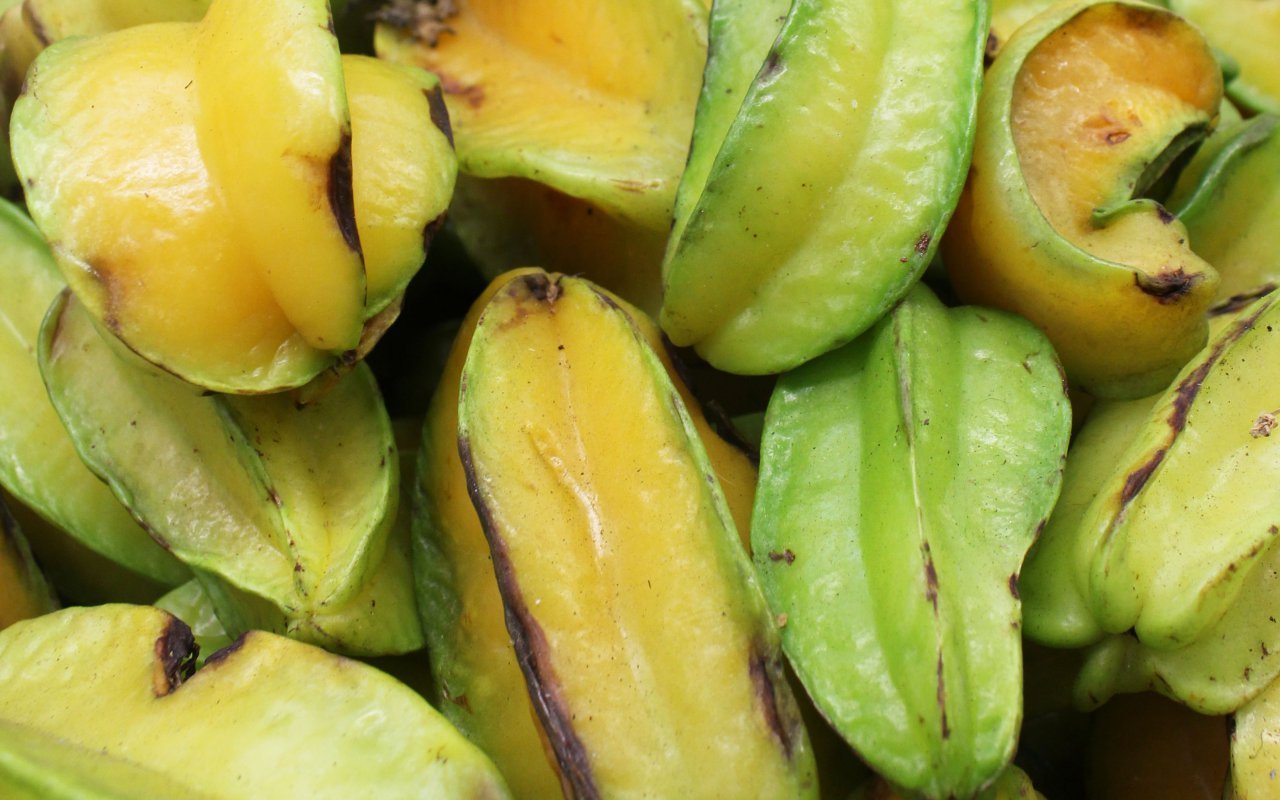
Often used in France to decorate a dessert or cocktail, the fruit of the carambola tree is frequently found in Colombia. Its skin is edible, and you can recognize a ripe Carambolo when it turns greenish-yellow. The fruit has 5 ribs and, when sliced, takes on the shape of a star.
Granadilla
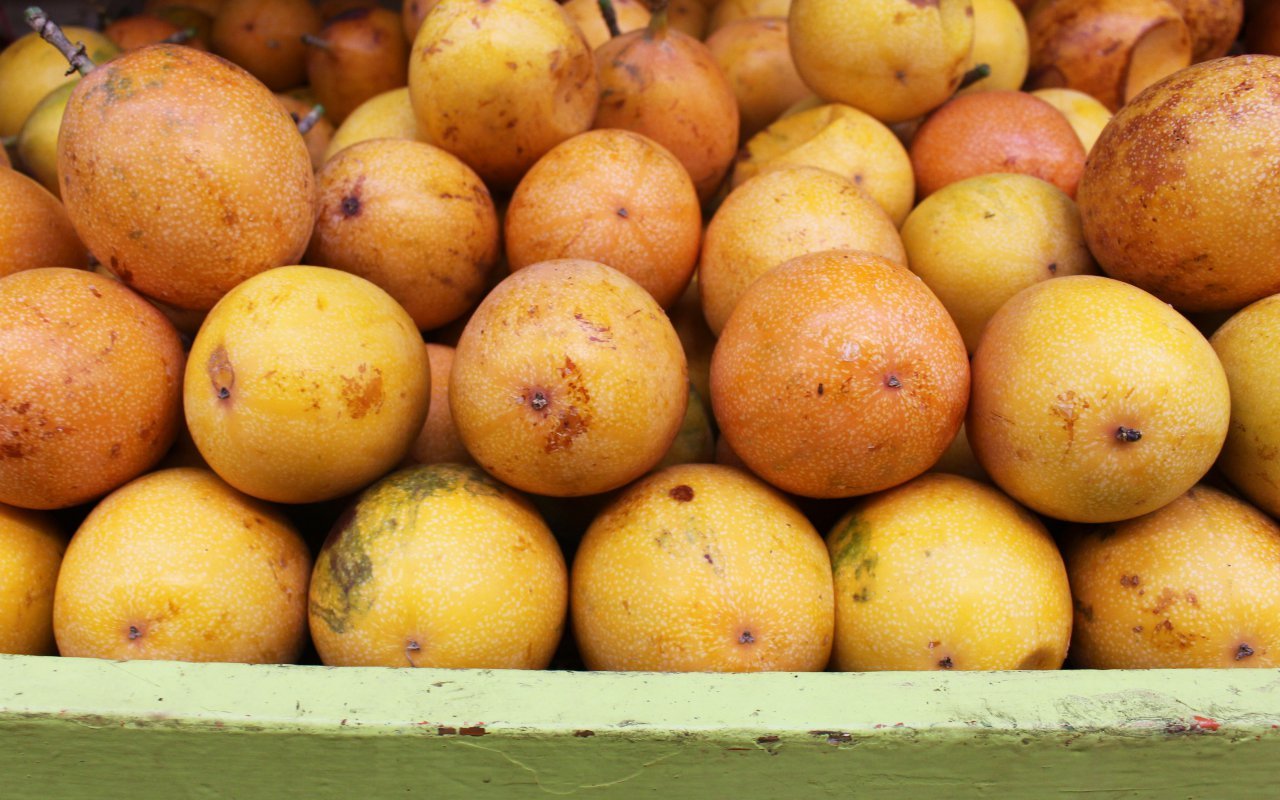
Grenadilla is a member of the passion fruit family. Mild and sweet, it’s ideal for eating with a spoon. To eat it, you need to break the fruit in half with your fingers or a knife, as the skin is thick. The inside is full of gelatinous seeds. The most common variety has a gray interior, but yellow and orange varieties are also available.
Cherimoya
Cut it in half and eat it with a spoon! Cherimoya certainly wins the prize for most delicious exotic fruit. Fleshy skin, creamy white flesh and a sweet, mild taste. Exquisite would be the adjective to describe this fruit.
In conjunction with our local contacts, we have developed exotic fruit tasting workshops in Bogotá and the coffee region. These “catación” workshops are organized privately at the market or directly at your hacienda in the coffee region. Don’ t hesitate to ask your consultant about them.