The importance of language in Colombia: more than just vocabulary
Before delving into expressions, it’s essential to understand that language in Colombia is a true marker of cultural and social identity. The way you speak reveals not only your region of origin, but also your social class, level of education and willingness to connect with others.
Today, we’re teaching you some Colombian expressions that you absolutely must know before your trip to Colombia! They’ll enable you to express yourself like a Colombian and easily blend in… All you’ll need is an accent ;)So for all those interested in human contact, here’s the article that will help you throughout your trip.
Why master these expressions?
Colombian vocabulary is a social passport. Using the right expressions at the right time shows :
- Your respect for local culture
- Your open-mindedness and adaptability
- Your genuine desire to understand the country beyond tourist clichés
Colombians are particularly sensitive to the linguistic efforts of foreigners. Unlike in other Spanish-speaking countries, using their local expressions immediately creates a warm connection and opens doors that simple “standard Spanish” will never open.
Regional variations: a wealth of language
Colombia is characterized by an extraordinary diversity of regional accents and vocabularies. The Spanish spoken in Bogotá (considered the most “neutral”) differs radically from that of Medellín (paisa), the Caribbean coast (costeño) or Cali. This diversity reflects the country’s complex history and centuries of geographical isolation, where the Andes mountains created distinct linguistic pockets.
The most common Colombine expressions in Spanish
“¿Me regalas…?”
Literally: “You’re offering me…?”Actual use: Polite way of ordering in a restaurant, café or store
This expression is fundamental in Colombia and can be confusing for foreigners. It reflects the extreme courtesy of Colombians. Rather than directly saying “I want” (like “Quiero un café”), we use this gentler formulation that transforms the purchase into a symbolic gift.
Example: “¿Me regalas un tinto?” (You’re offering me a coffee?)
“¡A la orden!”
Literally: “À vos ordres!”Actual usage: “How can I help you?” / “À votre service” (At your service)
Expression used by shopkeepers and waiters to welcome customers or thank them after a purchase. It embodiesColombian hospitality and service culture. You’ll hear it dozens of times a day in the shops.

“Parcero/Parce”
Meaning: My buddy, man, brother
Derived from “pareja” (pair, couple), this is the term of friendship par excellence in Colombia. Used overwhelmingly between men, more rarely between women. The diminutive “parce” is even more familiar and affectionate.
Example: “¿Qué hubo, parcero?” (What’s up, buddy?)
Cultural note: Using it with someone creates instant closeness. Be careful, however, not to use it in a formal business context.
“Pola
Meaning: Beer
An essential term in Colombian social life. Its origin comes from “Pilsen Polar”, a brand of beer.
Example: “Vamos a tomarnos unas polas” (We’re going to have a few beers)
“¡De una!”
Meaning: Of course, without hesitation!
An expression ofenthusiasm and total agreement. It reflects the warmth and spontaneity of Colombians.
Example:
- “¿Vamos a la finca este fin de semana?” (Are we going to the farm this weekend?)
- “¡De una, parce!” (Totally, man!)
“Rumbear
Meaning: To party, to go out and dance
Derived from “rumba” (party), it’s the verb of Colombian nightlife. The culture of partying and dancing is central to Colombia, and this word is the perfect expression of it.
Example: “Anoche rumbeamos hasta las 5 de la mañana” (Last night we partied until 5 a.m.)
Variants: “rumbero/rumbera” (party), “una buena rumba” (a good party)

“¿Qué más, pues?”
Meaning: What’s up? What’s up?
Typical expression from Medellín and the paisa region. The “pues” is a language tic characteristic of the paisas, who punctuate almost every sentence with this word.
Regional variations:
- In Bogotá: “¿Qué más?”
- On the coast: “¿Qué lo qué?” or “¿Quihubo?”
“Dar papaya
Literally: “To give papaya”Meaning: To stretch the stick to be beaten, to create an opportunity to be robbed
This expression is crucial to understanding Colombian security reality. It reflects the mentality that one must be vigilant and not facilitate opportunities for theft or swindling.

“Un tinto”
Meaning: A black coffee
Caution! In the rest of the Spanish-speaking world, “tinto” means red wine. In Colombia, it’s exclusively filtered black coffee, usually served in small cups. Coffee culture is ubiquitous, and “tinto” is a social institution.
“¡Qué chévere!” / “¡Qué bacano!”
Meaning: Great! Génial! Cool!
Two very common expressions ofenthusiasm. “Chévere” is used throughout Colombia, while “bacano” is more specific to certain regions.
Variant: “Chimba” (slang, more vulgar but widely used, especially among young people) also means “great”
Colombian idioms: popular wisdom
“Duerme más que un gato con anemia”
Translation: “You sleep more than an anemic cat”
Humorous expression to tease someone who sleeps a lot. Reflects Colombian humor, often based on exaggerated animal comparisons.

“A mal tiempo, buena cara”
Translation: “Par mauvais temps, bon visage”French equivalent: “Faire contre mauvaise fortune bon cœur”
A saying that reflects Colombian resilience in the face of hardship. Despite the country’s tumultuous history, Colombians have developed a remarkable ability to remain positive.
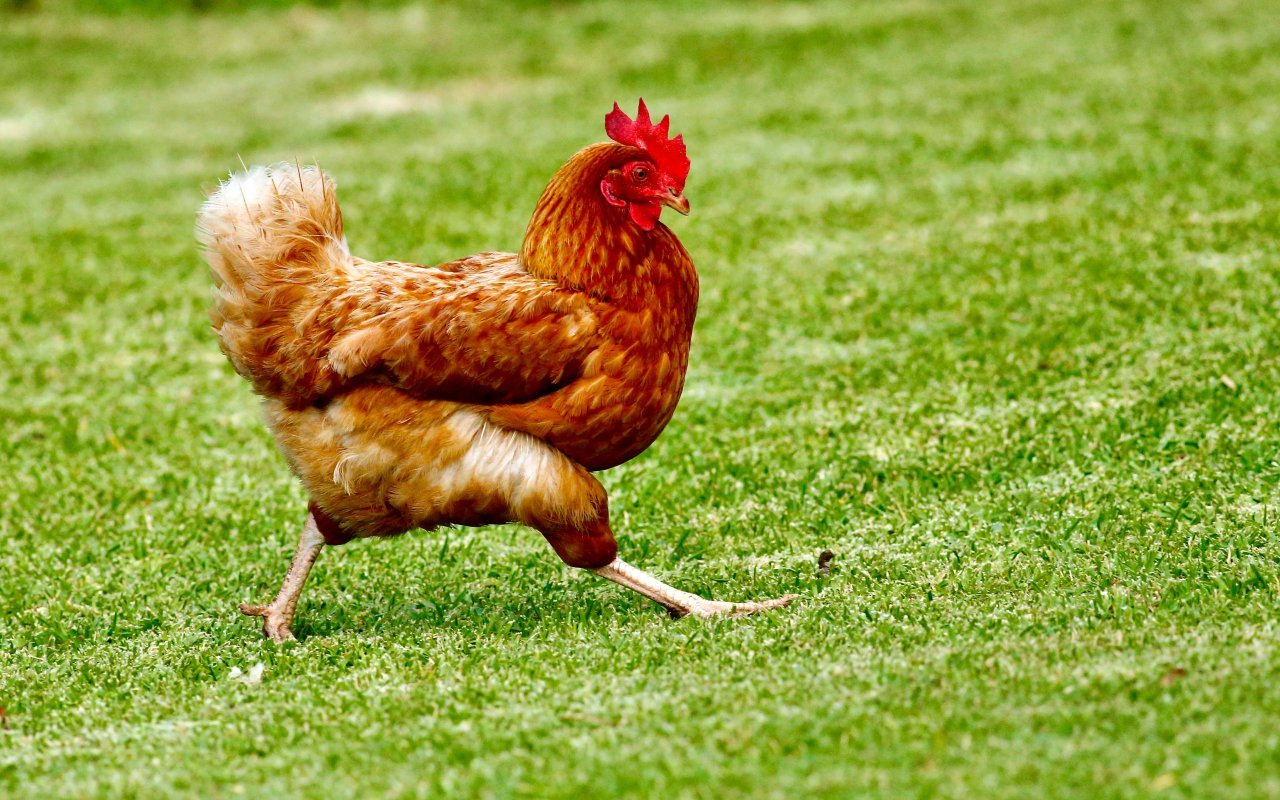
“Grano a grano, la gallina llena el buche”
Translation: “Grain by grain, the hen fills her crop”Meaning: Little by little, the bird makes its nest
This expression embodies the Colombian work ethic. Colombians are renowned for their diligence and ability to persevere despite the odds. It’s a philosophy of life that values constant effort over spectacular results.
“Son como uña y mugre”
Translation: “They’re like fingernails and dirt”Meaning: They’re inseparable, like the two fingers of a hand
Expression to describe a close friendship. It may sound unflattering, but it’s used affectionately!
“Ser más paisa que una arepa”
Translation: “To be more paisa than an arepa”Meaning: To be authentically Medellín/Antioquia
To understand this expression, you need to know that:
- “Paisa” refers to the inhabitants of the Antioquia region (including Medellín)
- Arepa is THE emblematic culinary specialty of this region
- To say that you’re “more paisa than an arepa” means that you perfectly embody the paisa cultural identity: the singing voice, hospitality, entrepreneurship, regional pride..
Cultural note: paisas have a very strong regional identity, often more important than the Colombian national identity itself.

As for this last expression, we can now say that the whole team has become “more paisa than an arepa” by living in Medellin. If you want to go further, here’s a video talking about some Colombian expressions
A few more must-have expressions
“¡Ojo!” or “¡Pilas!”
Meaning: Watch out! Watch out!
“Pilas” (literally “batteries”) means to be alert, vigilant, “on the alert”.
“¿Sí o no?”
Usage: Tic of language added at the end of a sentence to seek approval
Example: “Hace mucho calor, ¿sí o no?” (It’s very hot, isn’t it?)
“Listo”
Meaning: All right, that’s it, finished
A ubiquitous word in all Colombian conversations. It marks agreement, conclusion, or simply serves as verbal punctuation.
“Estar mamado/estar mamando gallo
Meaning: To be fed up / To make fun of someone, to joke
“Mamado” = exhausted, fed up “Mamar gallo” = to tease, tease (very common expression!)
Accent and intonation: the final secret
Beyond vocabulary, Colombian accents vary enormously from region to region:
- Bogotá: accent considered neutral, clear pronunciation
- Medellín (paisa): lilting accent, systematic use of “pues
- Caribbean coast: fast, relaxed accent, “s” often disappears
- Cali: Afro-Colombian influence, distinctive rhythm
Mastering these expressions is much more than learning vocabulary: it’s immersing yourself in the Colombian soul, understanding its values (human warmth, resilience, humor), and showing your respect for this rich and nuanced culture. Colombians will greatly appreciate your efforts, and you’ll discover an even more authentic and welcoming country.
So, ¿listos para rumbear en Colombia? ¡De una, parceros! 🇨🇴
If you’d like to put your new knowledge of Colombian Spanish into practice, find travel inspiration right here