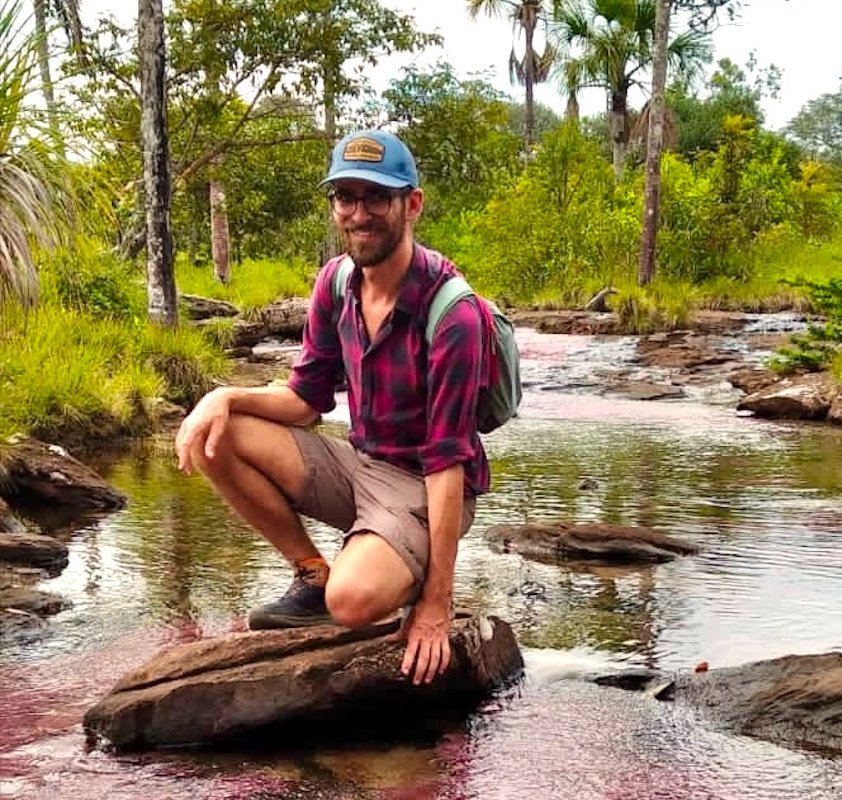
marius set off to explore a little-known region that has only recently been opened to visitors: the Guaviare. A real “coup de coeur”, from which he shares his most beautiful discoveries.
Guaviare… No tourist guidebook really mentions it, hardly anyone can locate it on a map and, unlike Tayrona, Salento or Cartagena de Indias, it’s not on any traveler’s wishlist. This hidden region between the Cordillera Oriental and the Amazon basin is easy to overlook. However, there’ s nothing that attracts me more than a buried treasure, especially as I’ve heard all about its wonders: magnificent wild landscapes, teeming wildlife and, above all, strange prehistoric paintings… Let’s get on with the adventure!
nº1: The delicious sensation of being alone in the world
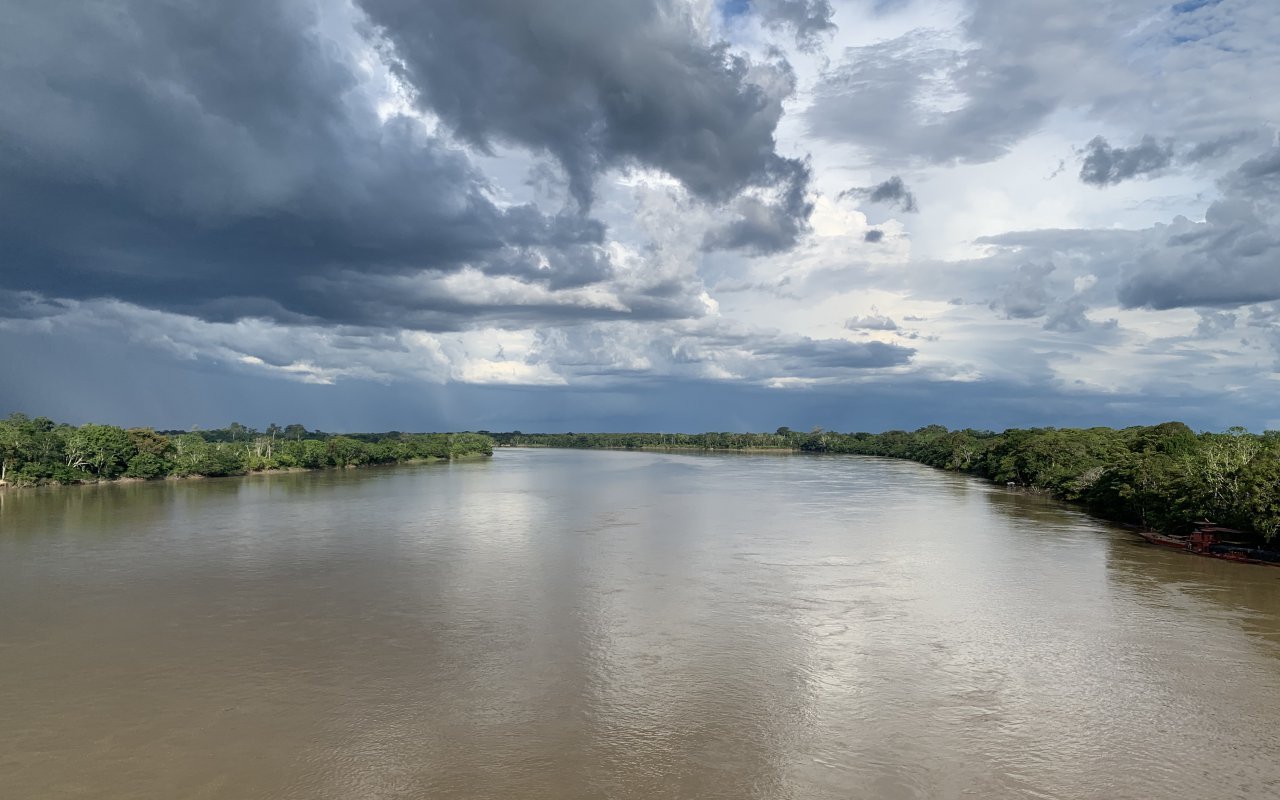
It’s a tiny plane that takes me to the Guaviare. There is a road – only one – from Bogotá, but it takes ten hours to get there, whereas by air, the journey takes just 40 minutes. From the window, the mountains give way to a vast green horizon criss-crossed by winding rivers. In this natural immensity, San José suddenly appears, a tiny town on the banks of the languidly meandering Guaviare River. This is the starting point for exploring the region, with little more than small hamlets for hundreds of kilometers around – and jungle, lots of jungle.
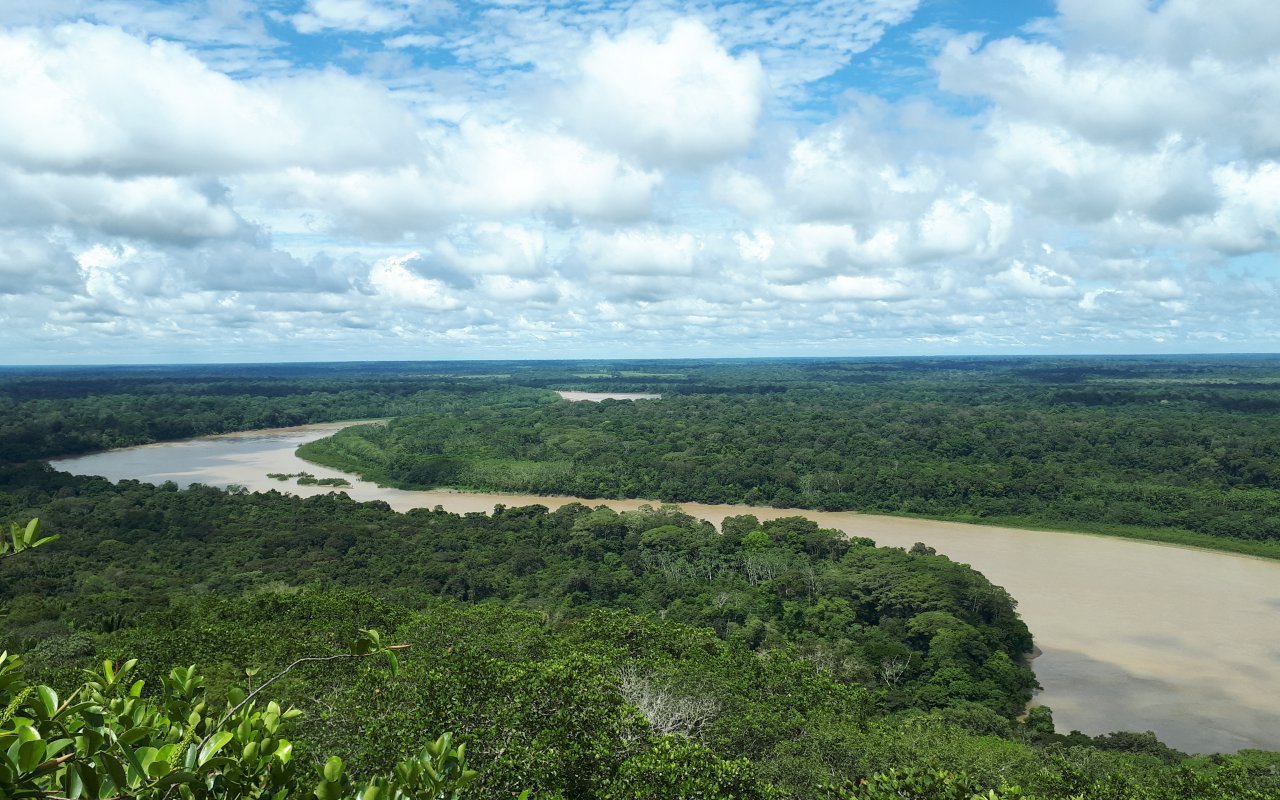
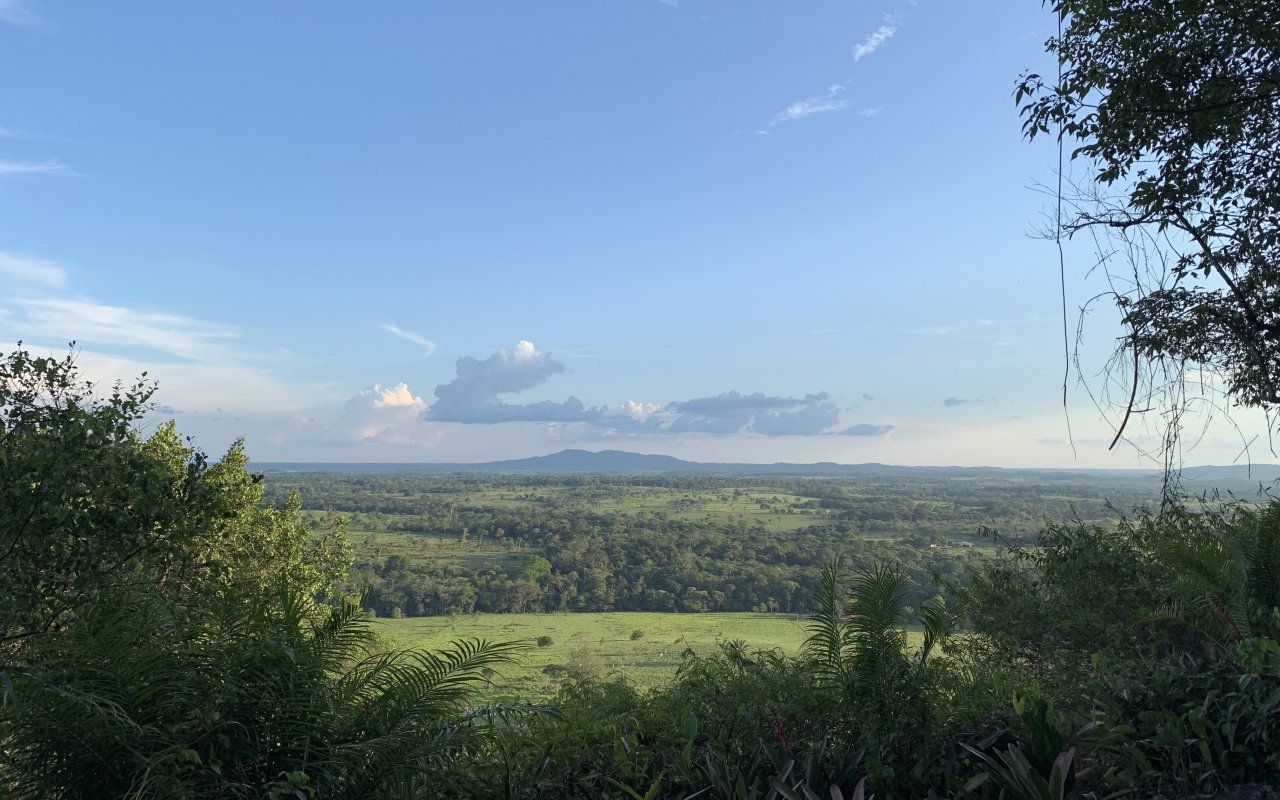
In the streets of San José, where Llanera music and the clamor of vendors resound, you meet only locals, with their wide-brimmed hats and big smiles. Not a single tourist, no flashy stores, nothing but bubbling, sincere local life. In the days that follow, this feeling is confirmed more and more. Even at natural and archaeological sites, no one disturbs these exceptional moments. It’s a real tête-à-tête with the Guaviare, a privileged intimacy with this extraordinary region.
2: An incredibly generous nature
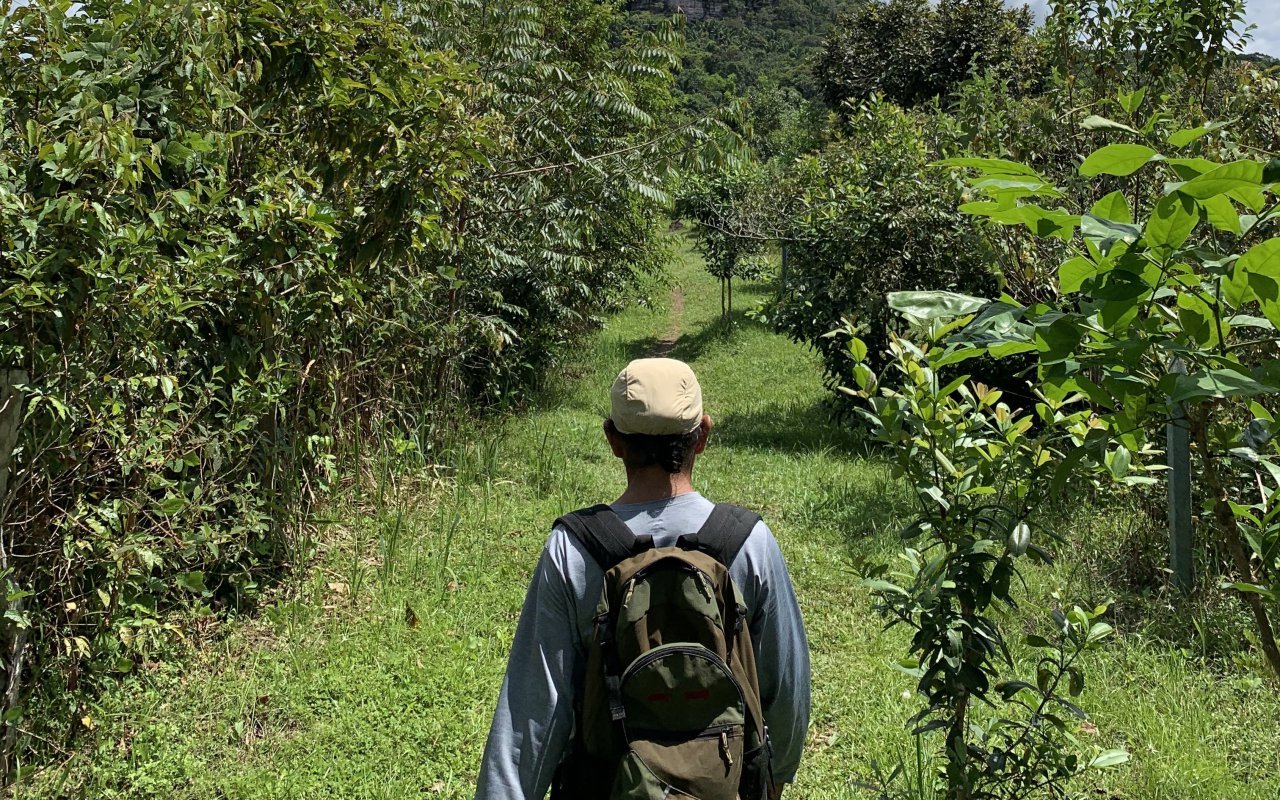
I put my bag down at my hotel and set off to explore the jungle with my guide. Once out of San José, nature takes over completely, much to my delight. We headed for Nuevo Tolima, a small mountain overgrown with vegetation and home to some superb cave paintings.
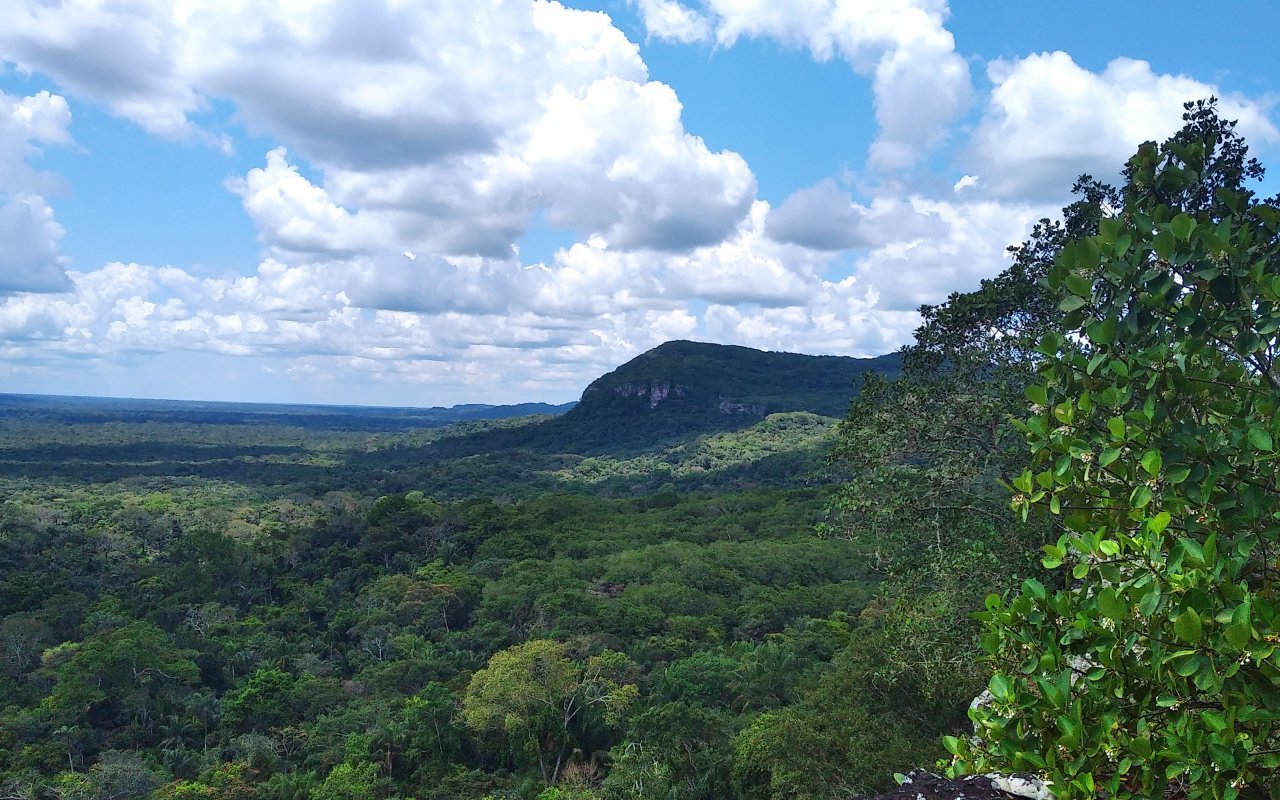

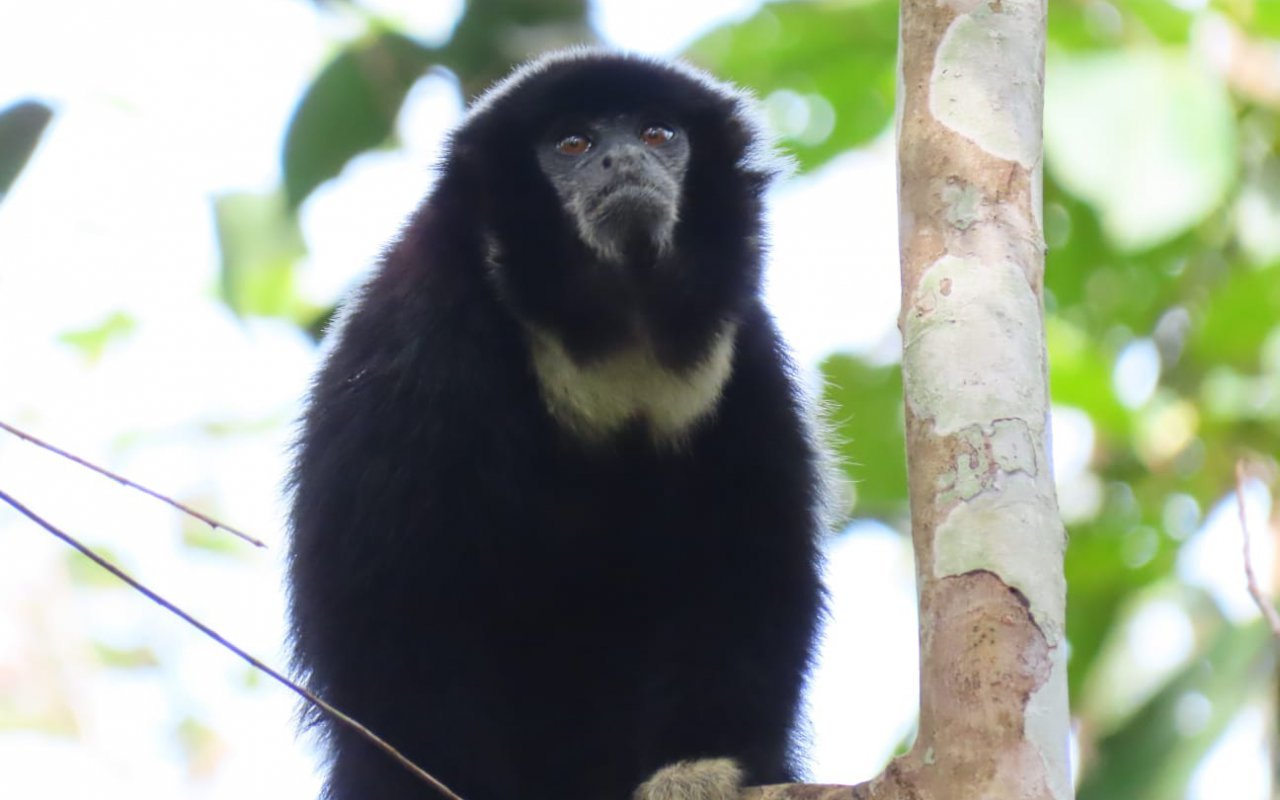
All around me, nature rustles: the tall foliage of the trees sways in the warm wind, birds large and small answer each other from afar, a family of red-furred monkeys converses overhead, leaping from branch to branch. As night falls, the squeaking of bats populates the forest.
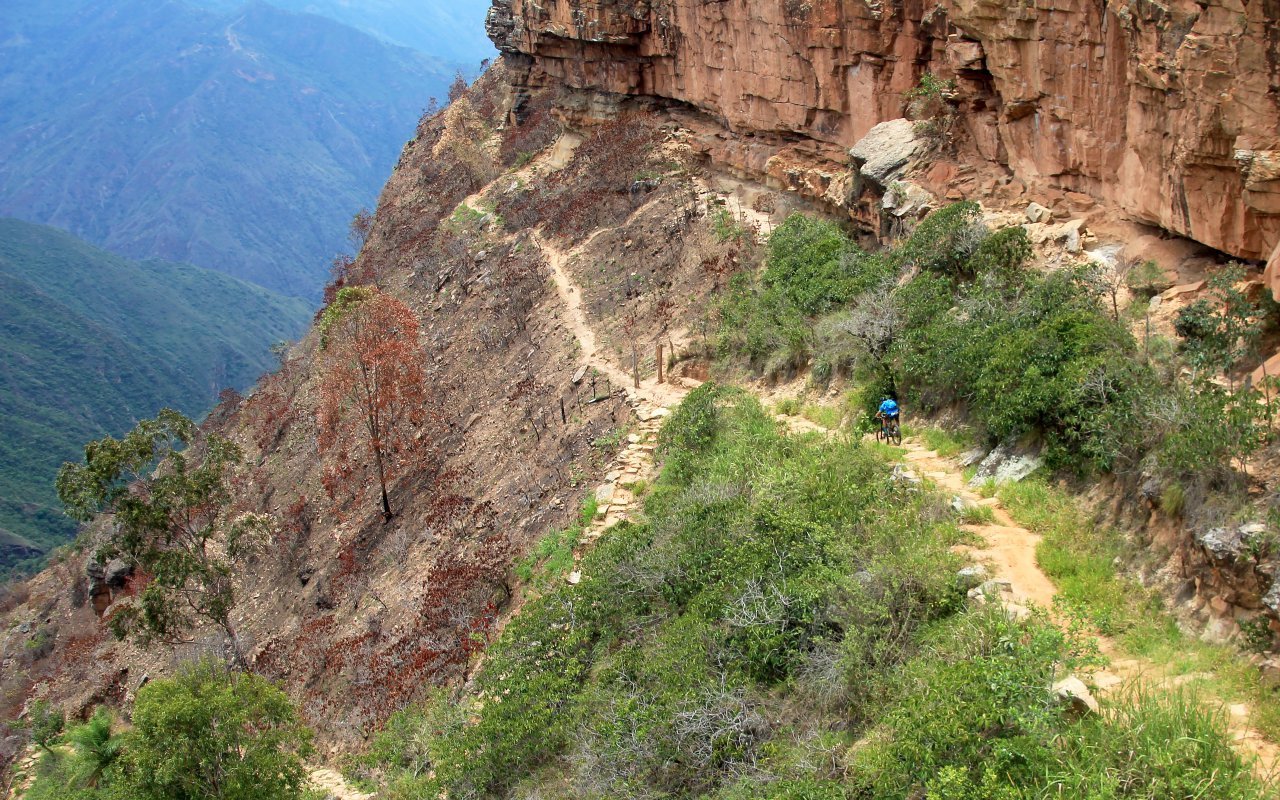
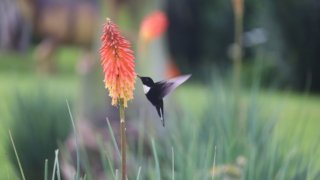
In the days that followed, the jungle became ever more present. As I hike through the forest, clouds of yellow butterflies fly overhead, and shy hummingbirds come to watch me. I cool off on the banks of an unlikely stream with pink algae dancing in the current.
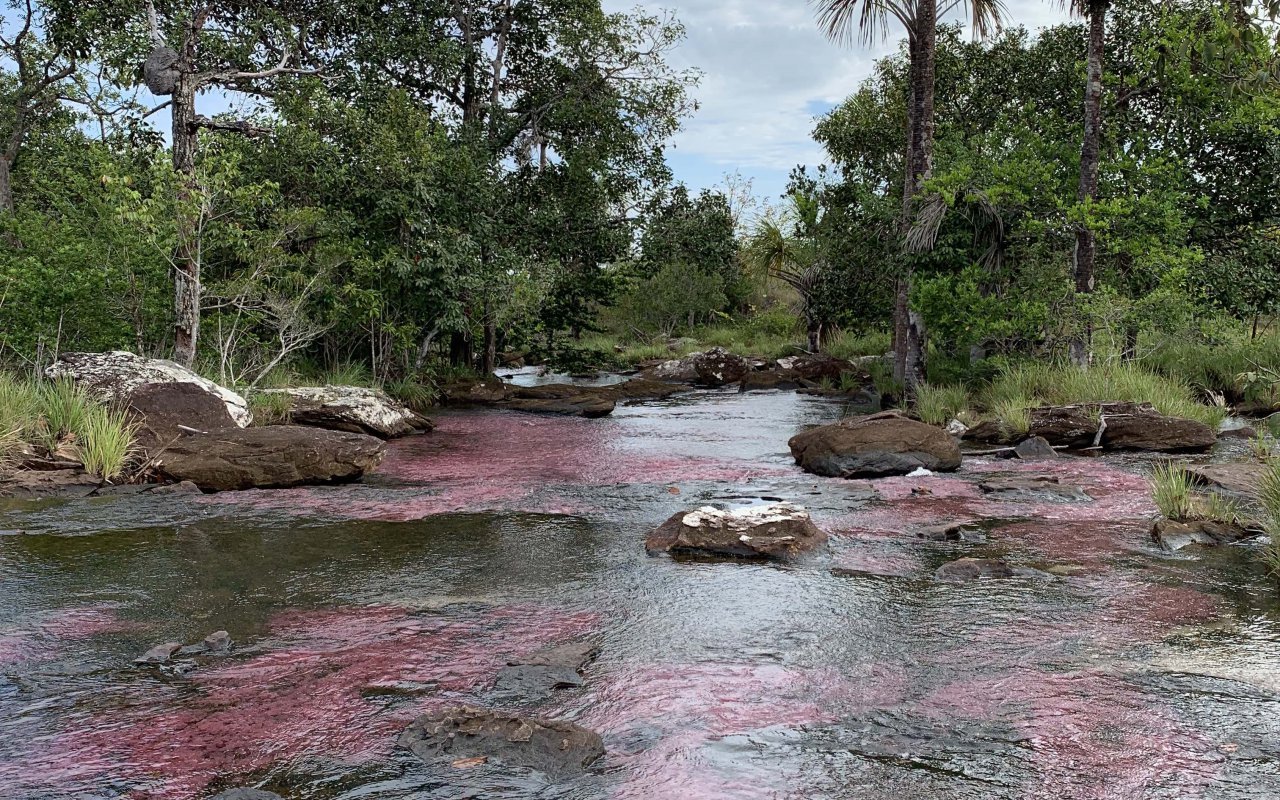

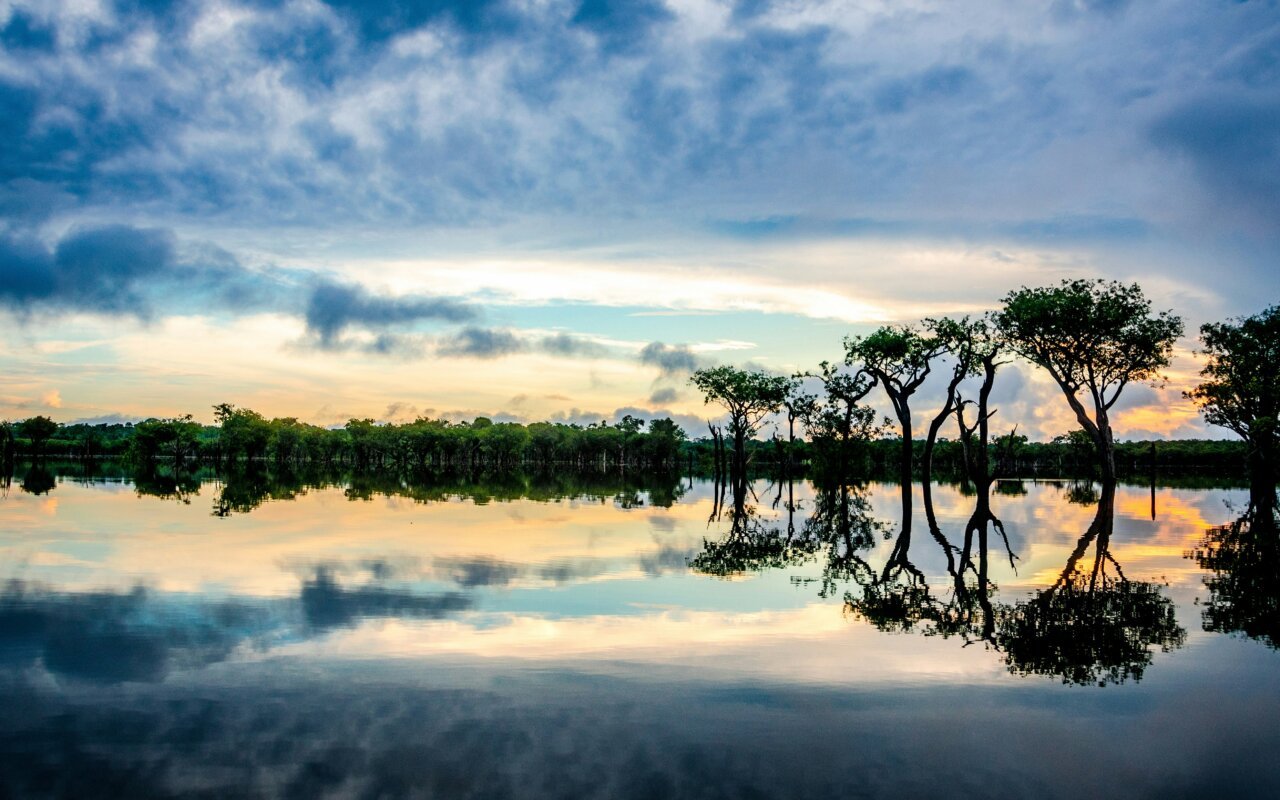
Sunsets are spectacles in their own right, filling the sky with purple and orange, and bringing a welcome freshness. All this plant and animal life is in its place here, nourished by the sun, heat and abundant rain of the Guaviare, carefree and generous, far removed from the modern world. A true delight!
nº3: A meeting with humanity's ancestors
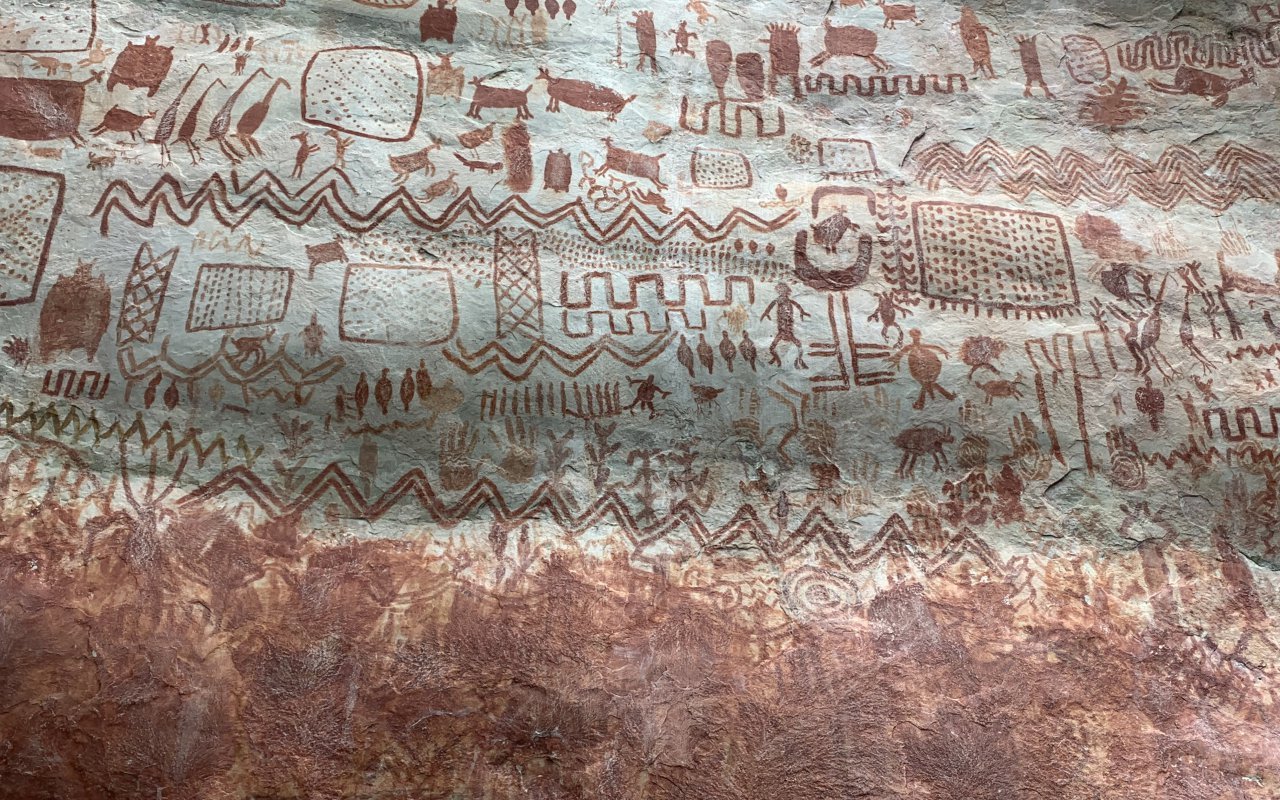
During my visit to Cerro Azul, my guide tells me that the first humans to populate the South American continent were dated at around 8,000 years ago. At least, this was the case before the discovery of rock art sites such as those that abound in the region. More recently, archaeologists have turned their attention to the impressive walls covered with red drawings and symbols, estimating some of the paintings to be over 12,000 years old. These discoveries, which call into question everything we thought we knew about the first settlements in America, are still in their infancy, as the Guaviare gradually reveals its secrets buried in the jungle.
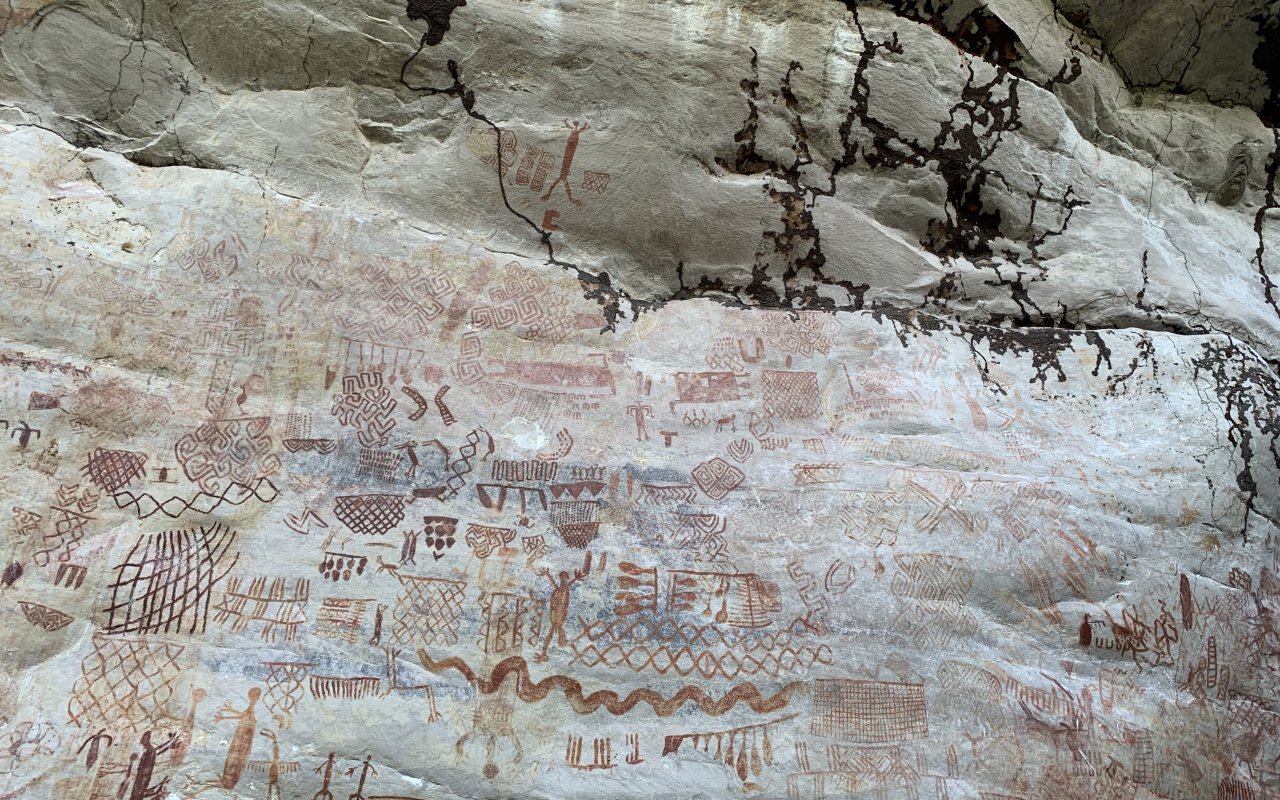
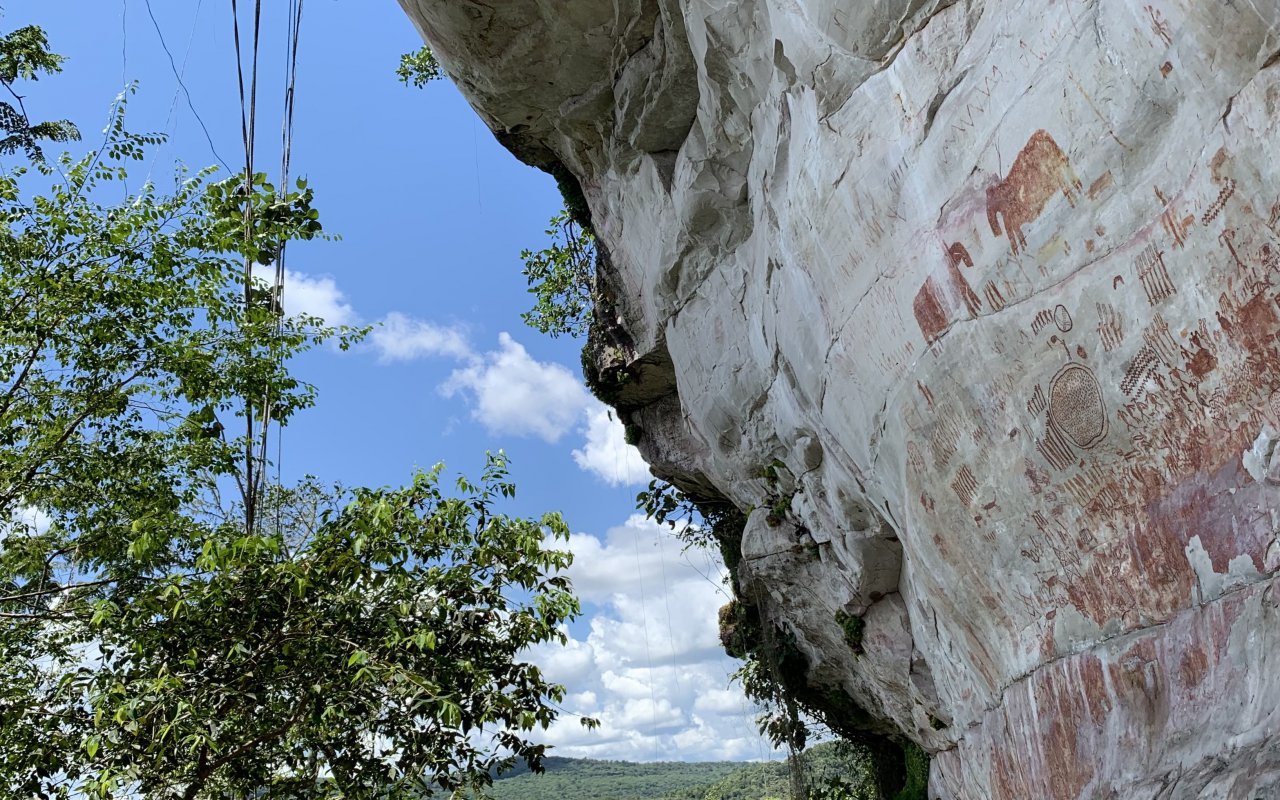
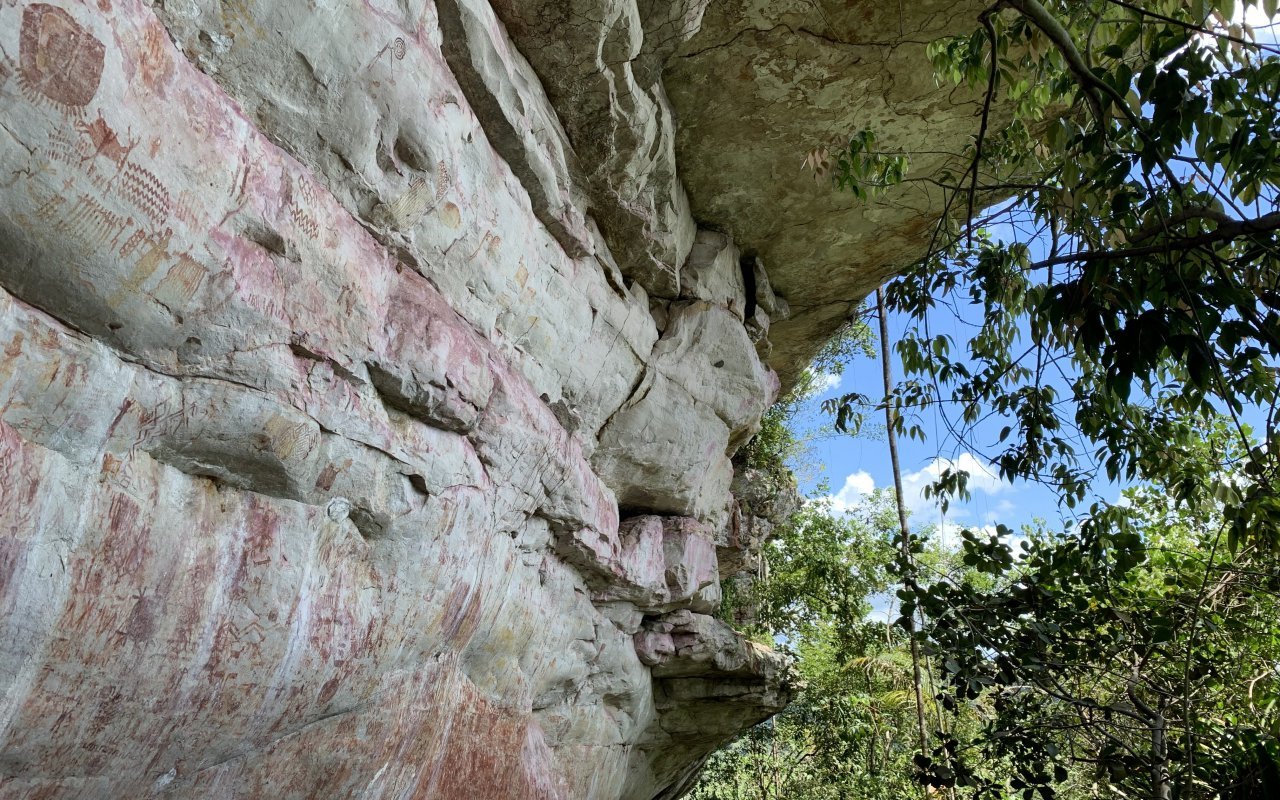
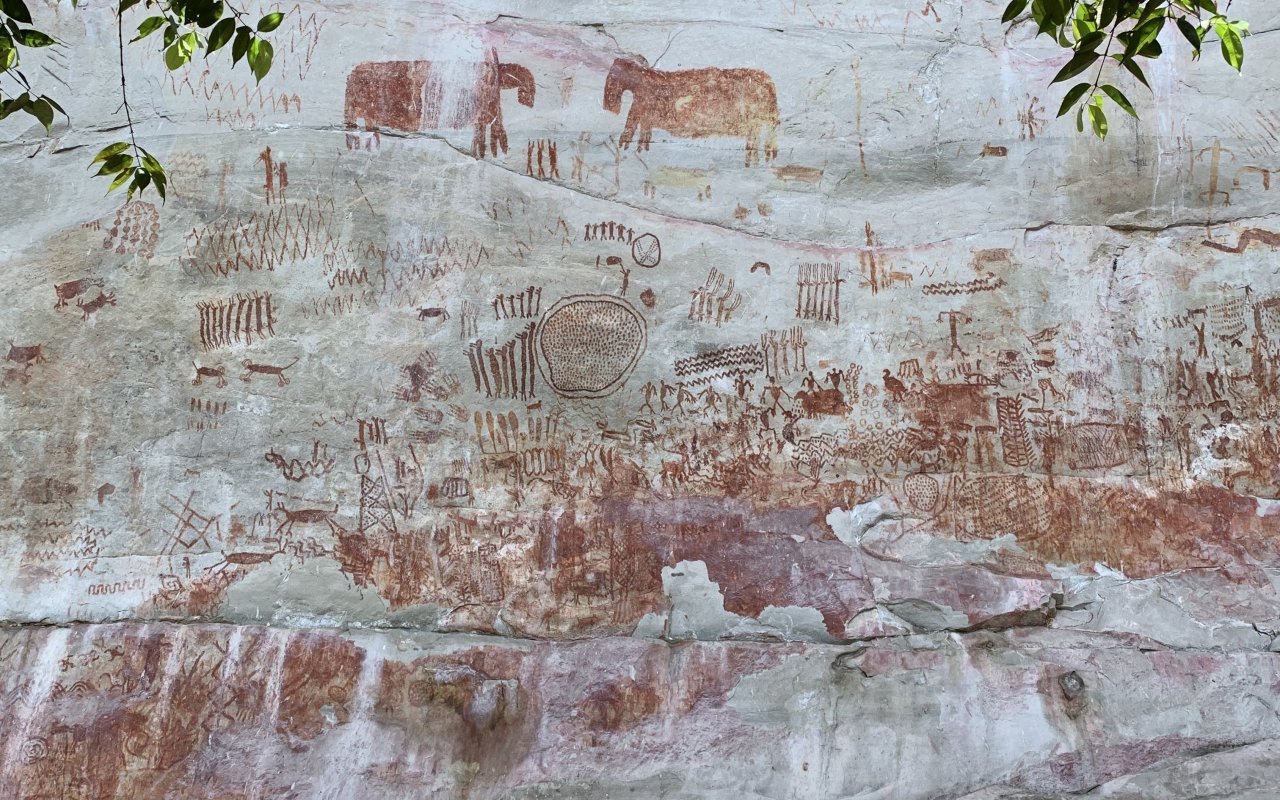
Cerro Azul is just one of many archaeological sites in the region, but it is undeniably the most beautiful. Featuring numerous frescoes on natural walls dozens of meters long, all set in a natural setting, this site is absolutely fascinating. If some of the paintings of these vanished civilizations are recognizable – monkeys, deer, tapirs, birds, caimans, women and men – others are still completely mysterious . These messages from bygone eras, traced in purple paint on these immense walls, are like an enigma, one of the oldest in existence. They lend a strange atmosphere to these places, which seem to be inhabited by ancient spirits – no wonder the locals, while taking great care of these sites, sometimes consider them cursed…
nº4: A breath of air after difficult times
Between two Indiana Jones-style expeditions, a rest in San José is very welcome. The village may not be particularly pretty, but its tranquillity and authenticity more than make up for it. This is the real, unvarnished Colombia, and once again the Colombians live up to their reputation for hospitality and kindness. Strolling through the narrow streets, strolling along the river or lounging on the restaurant terraces, it’s hard to believe that just a few years ago the region wasn’t so welcoming.
If Guaviare has only just opened its doors to visitors, it’s because the region has recently recovered from a difficult situation. But here, as in many parts of Colombia, the insecurity associated with drug trafficking has given way to a more peaceful context, much to the delight of the local population whose daily lives have improved dramatically. One of the springboards for this incredible transformation is tourism: as well as representing a great opportunity and a source of cultural pride for the locals, it contributes directly to the preservation of natural and archaeological sites, and to maintaining peace in the region. Today in Guaviare, the atmosphere is totally relaxed, and you can feel it!
5: Everything Colombia has to offer
It’s already time to leave, and I leave San José with regret. It‘ s hard to believe that in just four days I’ve had the chance to enjoy so many unforgettable experiences. I’ve been to many, many parts of Colombia, yet none has seemed as rich and diverse as Guaviare. The people here are unfailingly friendly, the Llanera music livens up the streets of San José and the local culinary specialities are delicious.
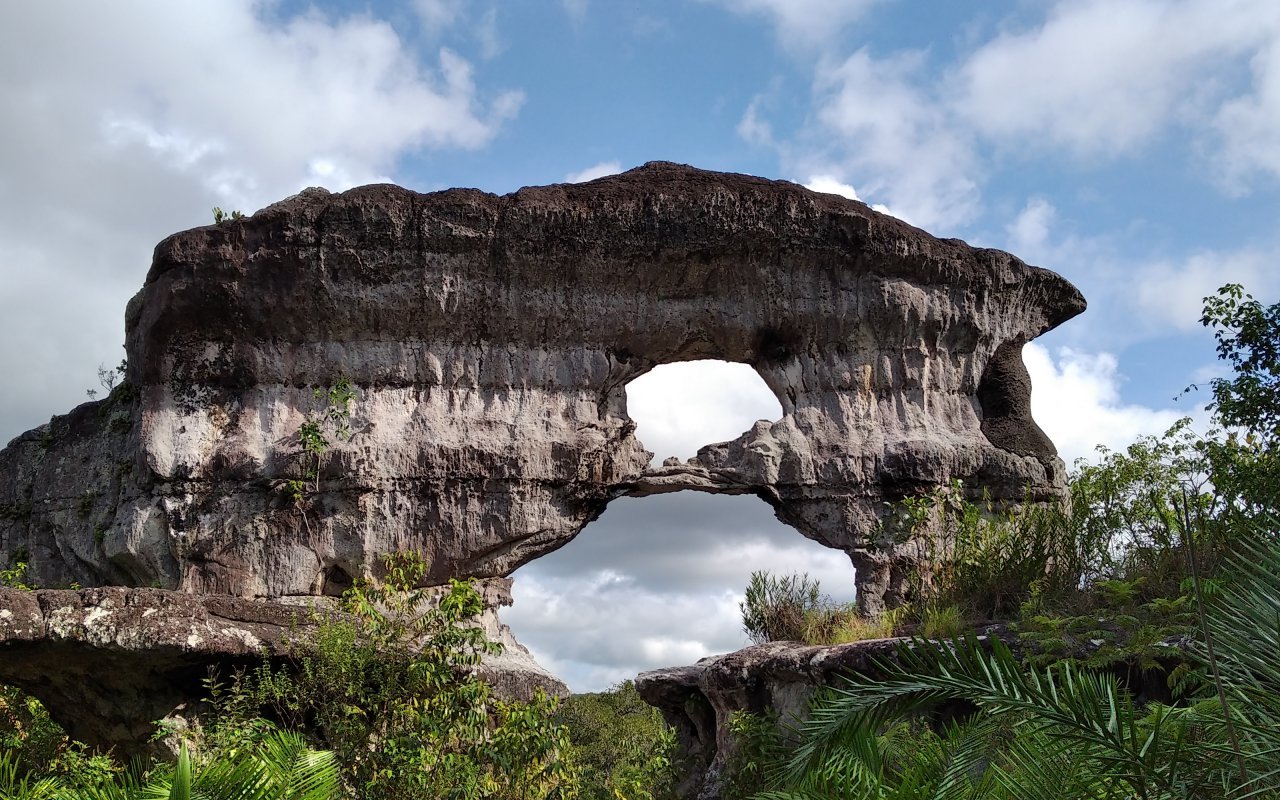
For the hiking enthusiast that I am, this region is a little tropical paradise, even if more relaxed travellers will also find something to their liking. The biodiversity is unsuspectedly rich, and I can easily imagine the pleasure a photographer or ornithologist would have in a place like this. Present-day culture and ancient history mingle, with amazing archaeological sites just beginning to reveal their secrets.
Back at home, this interlude almost seems like a made-up story, one of those legends of faraway lands you can’t find, a Bermuda triangle in the middle of the jungle. I think I’ll treasure my memories of those strange figures in red paint, straight out of another era…
Looking for adventure? Discover the Guaviare: