For several years now, Colombia has been undergoing major changes that have turned this Andean country into a land of opportunity. The political, economic and social situation is constantly improving, particularly since the end of the armed conflict with FARC guerrillas and the opening up of the country to the rest of the world. Above all, tourism is growing by leaps and bounds. However, a number of obstacles still stand in the way of the road Colombians aspire to follow.
Economic indicators in the green
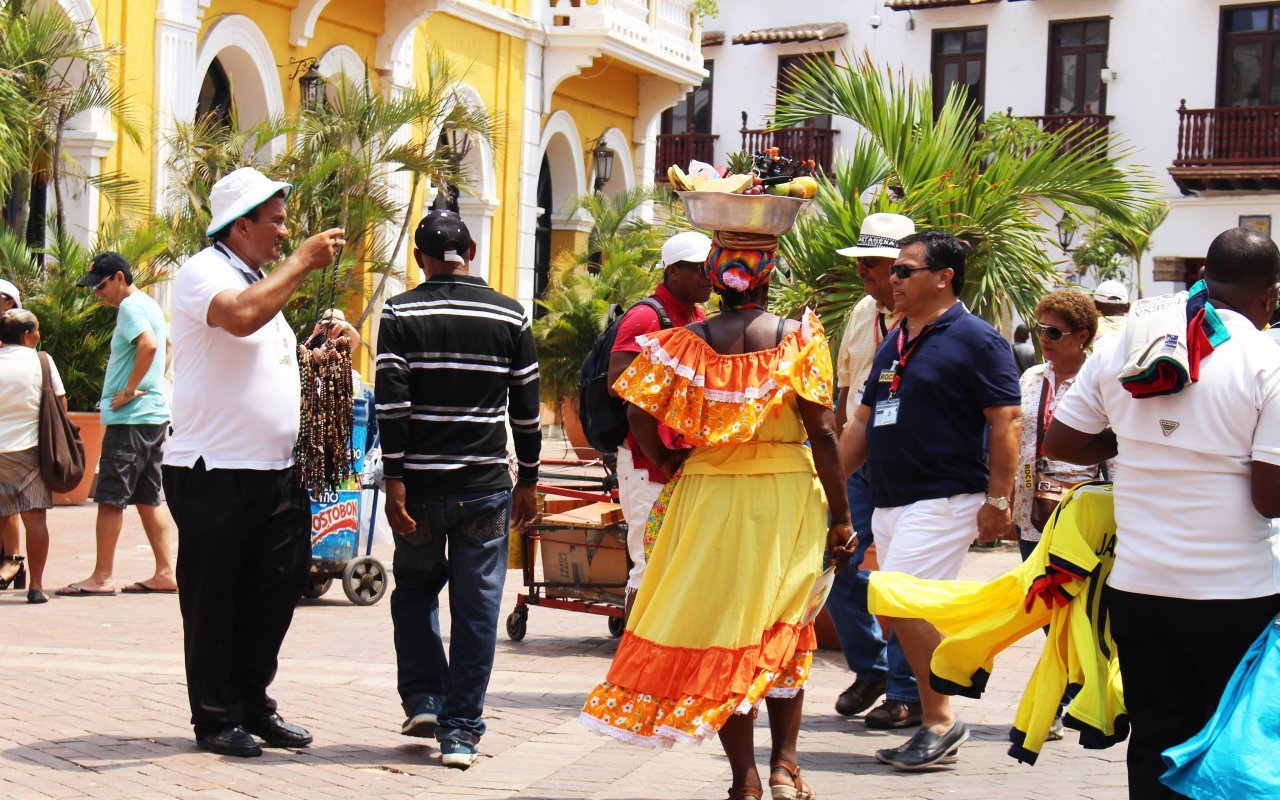
Today’s Colombia is a forward-looking country, determined to put its dark days behind it. Long off the radar, it is now increasingly attractive. In 2017, 6.5 million tourists visited this territory bordered by the Pacific Ocean and the Caribbean. A record figure that has tripled since 2010 and generated the creation of nearly 2 million jobs, according to the Ministry of Commerce, Industry and Tourism. This development is directly linked to the improvement in security throughout the country since the demobilization of FARC. In 2017, violence was at its lowest level for more than half a century and the start of confrontations between the state, guerrillas and paramilitary groups. “We reached a homicide rate of 23 per 100,000 inhabitants. This year will go down in history as the safest in four decades,” declared Defense Minister Luis Carlos Villegas.
What’s more, in recent years, tourism infrastructure has multiplied to accommodate this steady stream of travellers. Foreign direct investment in the tourism sector totaled $751 million last year, and the domestic private sector invested nearly $2 billion in hotel infrastructure.
The peace agreements have also triggered investment from the international community to help with reconstruction. With around 120 companies present, France is the leading foreign employer (120,000 direct jobs), and one of Europe’s leading investors. The formation of the Pacific Alliance with Mexico, Peru and Chile, as well as Colombia’s application to join the OECD, attest to the country’s unprecedented development. An economic health that would almost make its South American neighbors swoon. Average per capita income is rising, poverty rates are falling, and access to healthcare and education is becoming more democratic. Above all, a genuine middle class is emerging. All the indicators seem to be in the green. Yet the country remains far too unequal, and development is not benefiting all sections of society.
Cultural influence
This undeniable openness has enabled Colombia to showcase its cultural riches, its intellectual and artistic wealth and its traditions to the world . The weight of conflict has long weighed heavily on the country’s shoulders. Today, civil society is trying to overcome it in all areas. The result is a creative effervescence in art, music, innovation, urban planning and more.
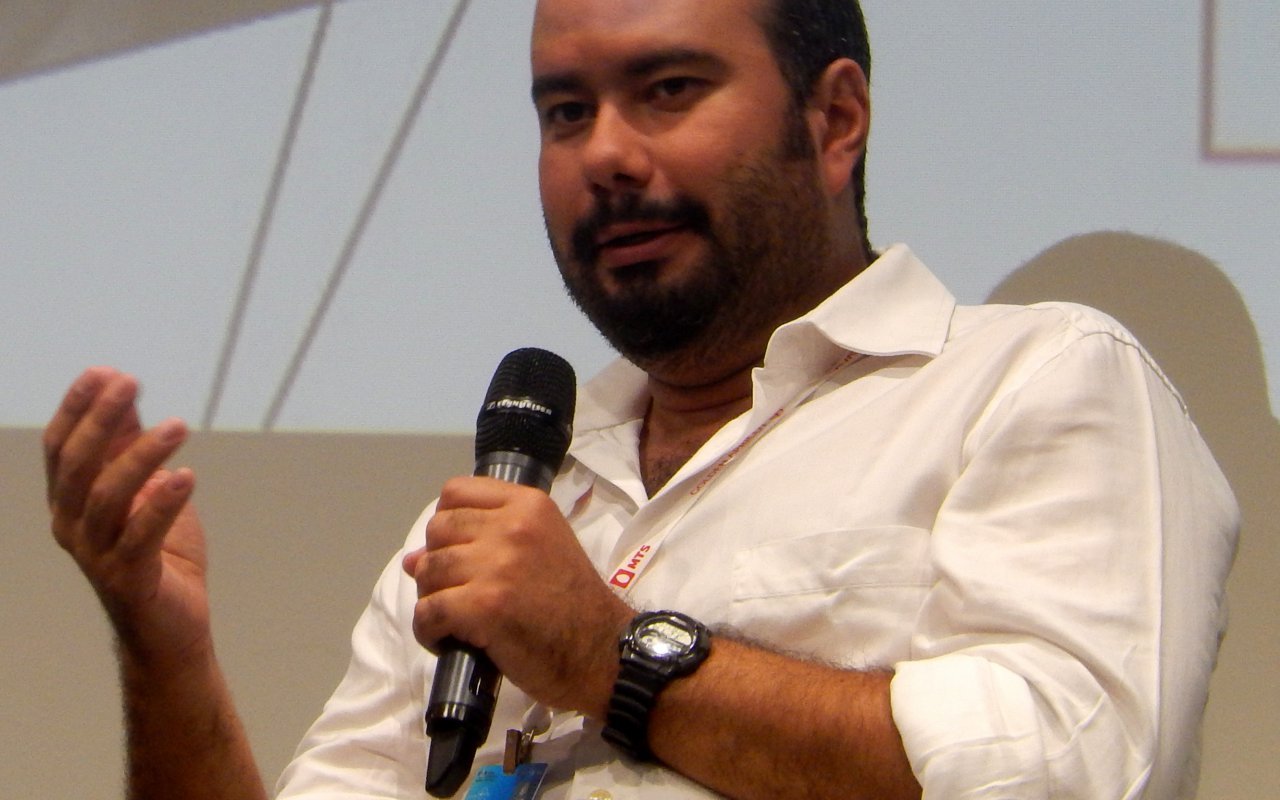
Colombia is home to an abundance of artistic production. This year, for example, it is once again present at the Cannes Film Festival. Ciro Guerra’s “Les Oiseaux de Passage” is presented in the Directors’ Fortnight. In 2015, César, Augusto Acevedo was awarded the Caméra d’Or for his feature film “La Tierra y la Sombra”. Ciro Guerra was also honored for “El Abrazo de la Serpiente”
This craze for Colombian cinema is characteristic of the country’s openness. These filmmakers produce a cinema that blends modernity and tradition through the themes it touches upon: indigenous communities, ancestral beliefs, narcotrafficking, the question of land. A Colombian Film Commission was set up in 2012 to promote filming and attract filmmakers to this vast and varied territory. Originally endowed with 12 million euros, it has helped make Colombian cinema attractive. To achieve this, it was necessary to change the perception and image of Colombia abroad.
Cultural initiatives, such as last year’s France-Colombia Year, have been instrumental in changing attitudes. Omnipresent in this corner of the world, music and the urban arts constantly connect Colombians with their traditions. Through their diversity of rhythms and colors, they embody the ethnic and cultural melting pot that characterizes them.
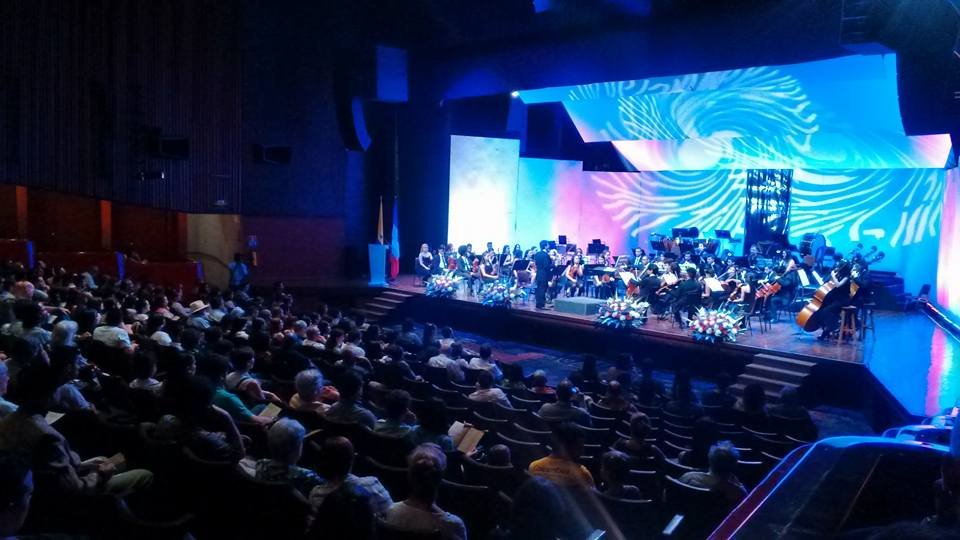
Colombia is the cradle of internationally renowned artists who, proud of their mixed origins, have exported their art all over the world. Colombia’s major cities are creative laboratories. In Bogotá, Cali and Medellin, numerous festivals take place every year, attracting crowds from all horizons. Bogotá’ s Parque Bolivar, for example, hosts free rock, jazz and regional music festivals.
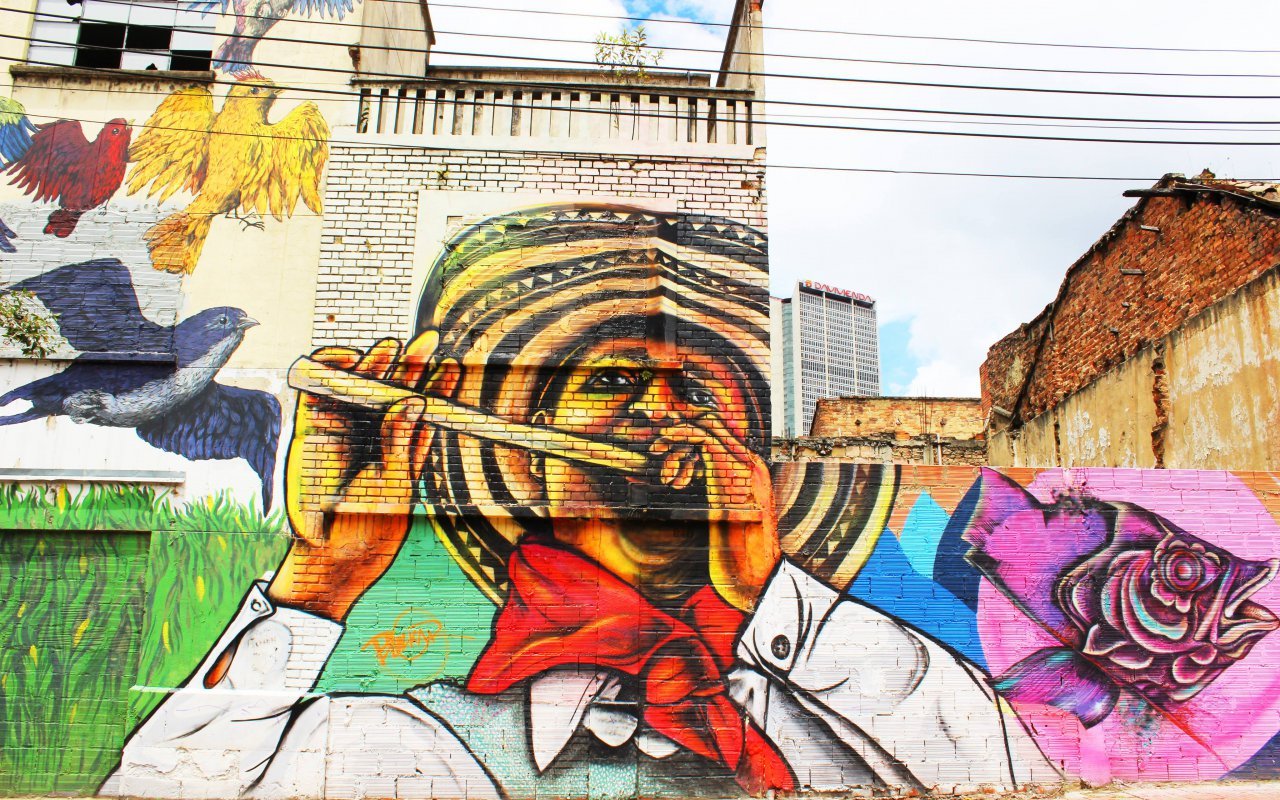
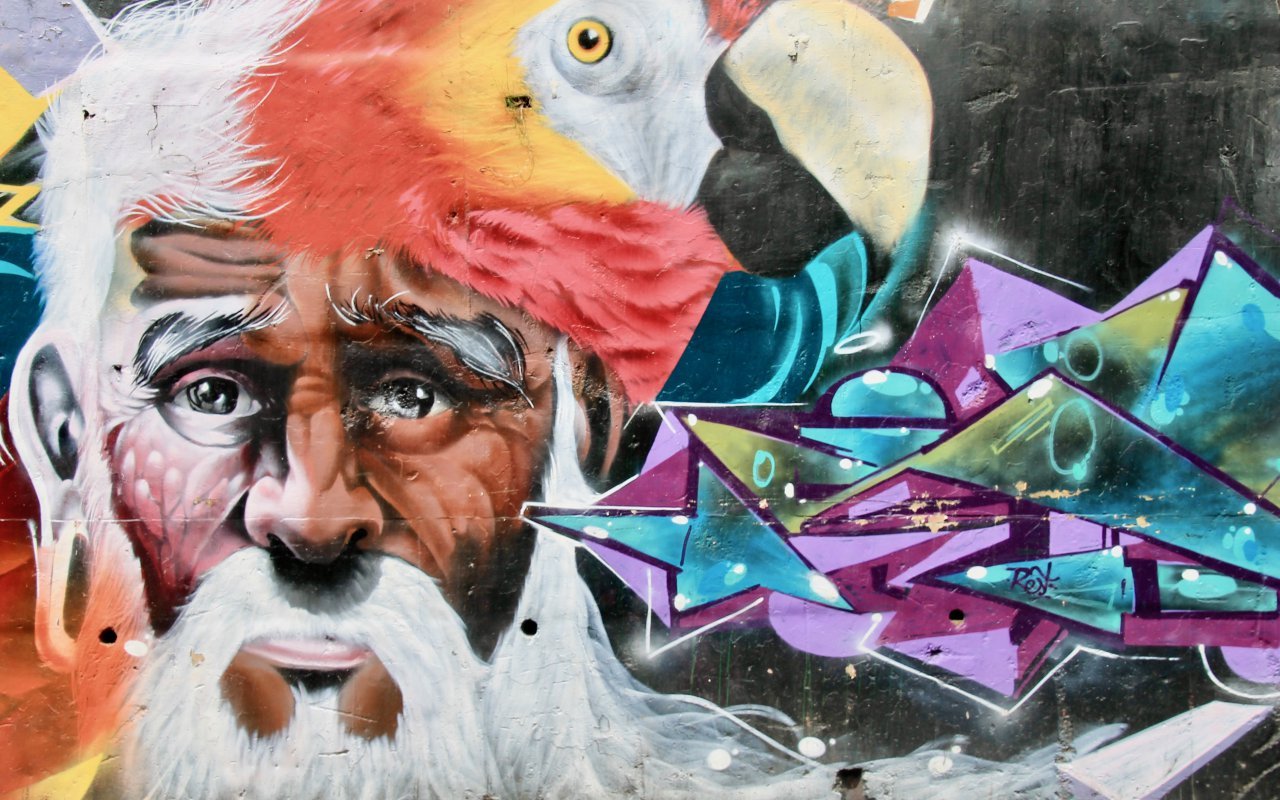
The issue of cities in Colombia is currently undergoing an extraordinary revival. Marked until recently by a negative imagination, linked to risks and violence – real or fantasized – they are currently undergoing profound changes: fighting crime through social urban planning, innovative architectural projects, renovations and reconversions of entire neighborhoods. Medellin appears to be spearheading these urban innovations: in 2013, it was named the world’s most innovative city by the Wall Street Journal, with its public transport and metro-cable (a cable car designed to open up disadvantaged neighborhoods). However, while these urban policies have made Colombian cities more attractive, they have also led to gentrification and the expulsion of the poorest inhabitants, often peasants displaced by armed conflict or expansionist agrarian development policies.
The other side of the coin
2018 is an election year in Colombia. Time to take stock, more than a year and a half after the signing in Havana of the peace agreements with the FARC (Revolutionary Armed Forces of Colombia). The implementation of these agreements is still a long way off, but remains at the heart of the country’s current situation. They embody the contradictions of Colombian society. While the peace process initiated in 2012 has seen a marked reduction in violence and put Colombia in the spotlight, the polarization of the population towards it (which rejected the agreements by a narrow majority in the October 2016 plebiscite) as well as that of the political class could call these advances into question. On March 11, Colombians elected their deputies. The right-wing parties, largely opposed to the agreements, won the majority of votes in Parliament. The people have returned to the polls on May 27 and June 17 to elect a new President of the Republic. But so far, abstention rates are at record levels. Colombians no longer trust their leaders, who are often implicated in corruption. In one of the world’s most unequal countries, a gulf is widening between cities and rural areas, and between certain underprivileged districts of the metropolises and the more attractive centers.
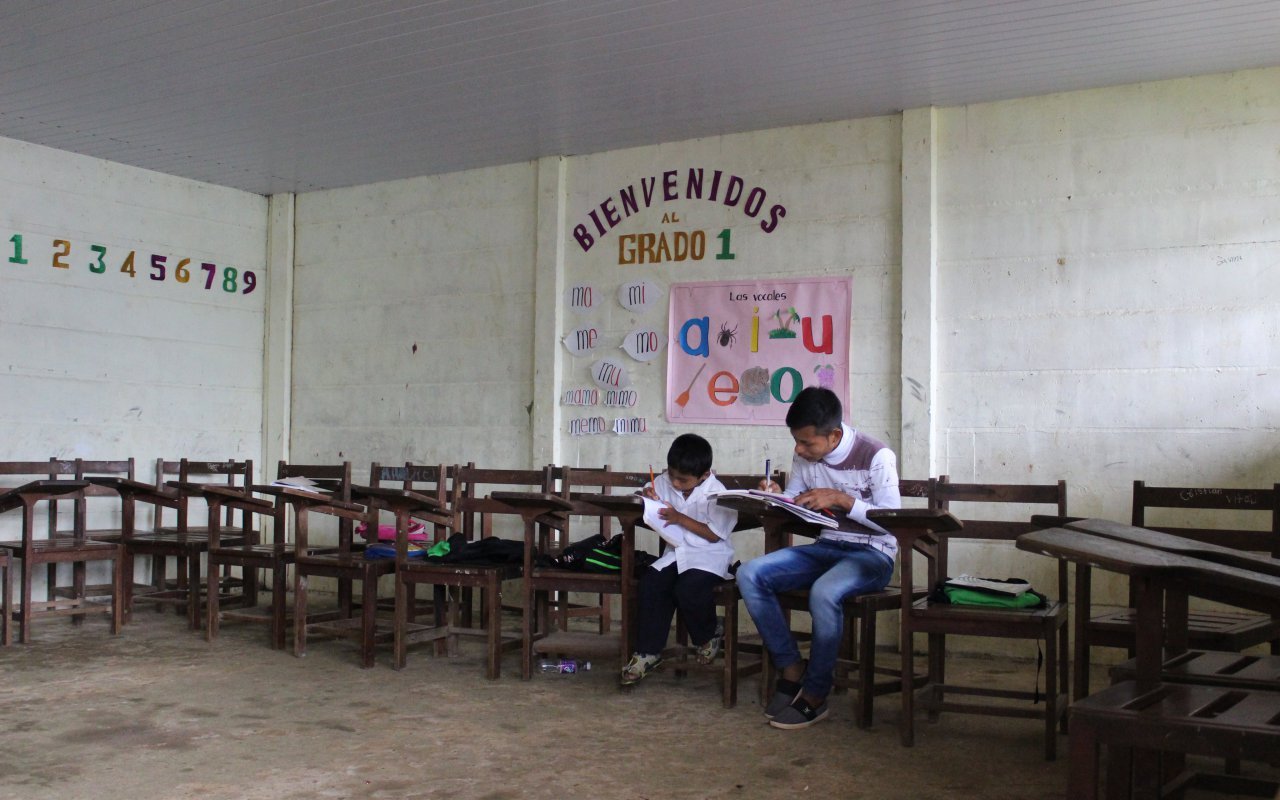
In Colombia, overall economic development is undeniable, but masks major disparities. Many regions, such as Choco and Guajira, are marginalized and survive in total ignorance of the authorities. The rural development requirements laid down in the peace agreements have not been honored.
On the contrary, numerous extractive industries (mining, coal, hydrocarbons) are jeopardizing entire regions of the country, which are home to unrivalled biodiversity. The people who live there, whether peasants or indigenous communities, are often targeted by mafia groups, particularly in areas vacated by FARC. Colombia’simmense assets make it a popular destination for travellers from all over the world. The country changes at breakneck speed, offering a range of different landscapes and atmospheres depending on the region. Colombians are extremely welcoming, and will show you the contradictions of their daily lives. Today’s Colombia is full of them. As in the stories of Garcia Marquez, the sublime can rub shoulders with the sordid. When traveling there, keep in mind that the reality of this country is not always rosy, but it often helps to break down barriers with the locals.