Guajira is one of Colombia’s most fascinating departments. Imagine extraordinary landscapes: immense plains dotted with cactus, a succession of sand dunes jutting out into the Caribbean Sea, and little houses lost amid miles of ochre-colored desert.

La Guajira is all about adventure, but the greatest promise of any trip is also, and above all, the encounter with its people: the indigenous Wayuu community. Terra Colombia invites you to discover this extraordinary experience..
Guajira essentials
This is the country’s most northerly department, located on the peninsula of the same name, which juts out into the Caribbean Sea and surrounds it to the north and west. Located around 3 hours’ drive from Santa Marta, the La Guajira desert stretches right up to the Venezuelan border. As well as being the most northerly point in Colombia, it is also the most northerly site on the South American continent, making it seem like the “end of the world”. A mystical land inhabited by the country’s largest indigenous people: the Wayuu
The Wayuu
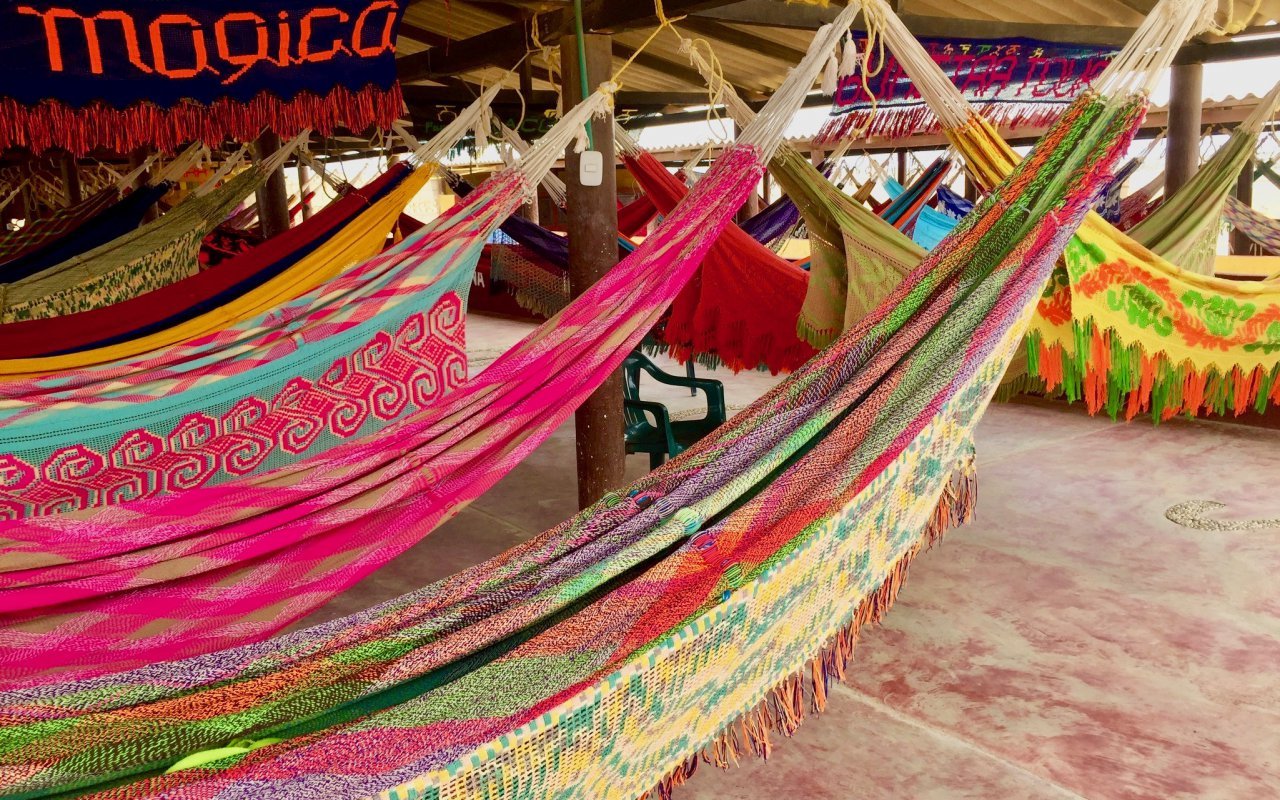
The Wayuu make their living from weaving, fishing and farming, particularly goat-breeding. Handicrafts are very much a part of their culture, as we can see from the manufacture of traditional clothing and the famous “Mochilas”, a colourful bag typical of the region, which has become a popular fashion item among Colombians, and therefore the ideal souvenir to impress your friends back home and participate in local trade! These bags are crocheted by Wayuu women. They are woven in tight stitches and take between 15 and 30 days to complete. A true local art and know-how.

The Wayuu speak their own language of the same name: Wayuu, which has official status in both Venezuela and Colombia. The strength of this community is undoubtedly due to the fact that they are the only people not to have been conquered by the Spanish – in fact, they are the only ones to have repelled them! As a result, they have maintained a degree of independence in the two countries in which they live (Colombia and Venezuela), claiming their own territory. Their legal system was declared an intangible cultural heritage site in 2010, and along your journey you’ll discover the succession of villages that the Wayuu call “rancherías”.

The climate in La Guajira
The department of La Guajira has a predominantly hot desert climate, at least in the area of our tour packages. The northern half of the department is occupied by the La Guajira desert, with extremely hot days (up to 38 degrees) and cooler nights.

History of La Guajira
English privateers, Dutch arms dealers and Spanish pearl seekers all tried to conquer this territory, but none succeeded in defeating the Wayuu! The latter responded to the invaders either with trade or with arms… and not least; the Wayuu had a very solid defense: they knew how to ride a horse perfectly and possessed a whole artillery system enabling them to defend themselves. This came as a great surprise to the Spanish troops of the 18th century, who were repulsed by the community. To this day, the Wayuu continue to lead a peaceful life with their own rites and traditions.

What not to miss in La Guajira
As you can see, a trip to La Guajira is above all a great adventure, and we’d like to share with you some of the keys to your next visit:
Riohacha
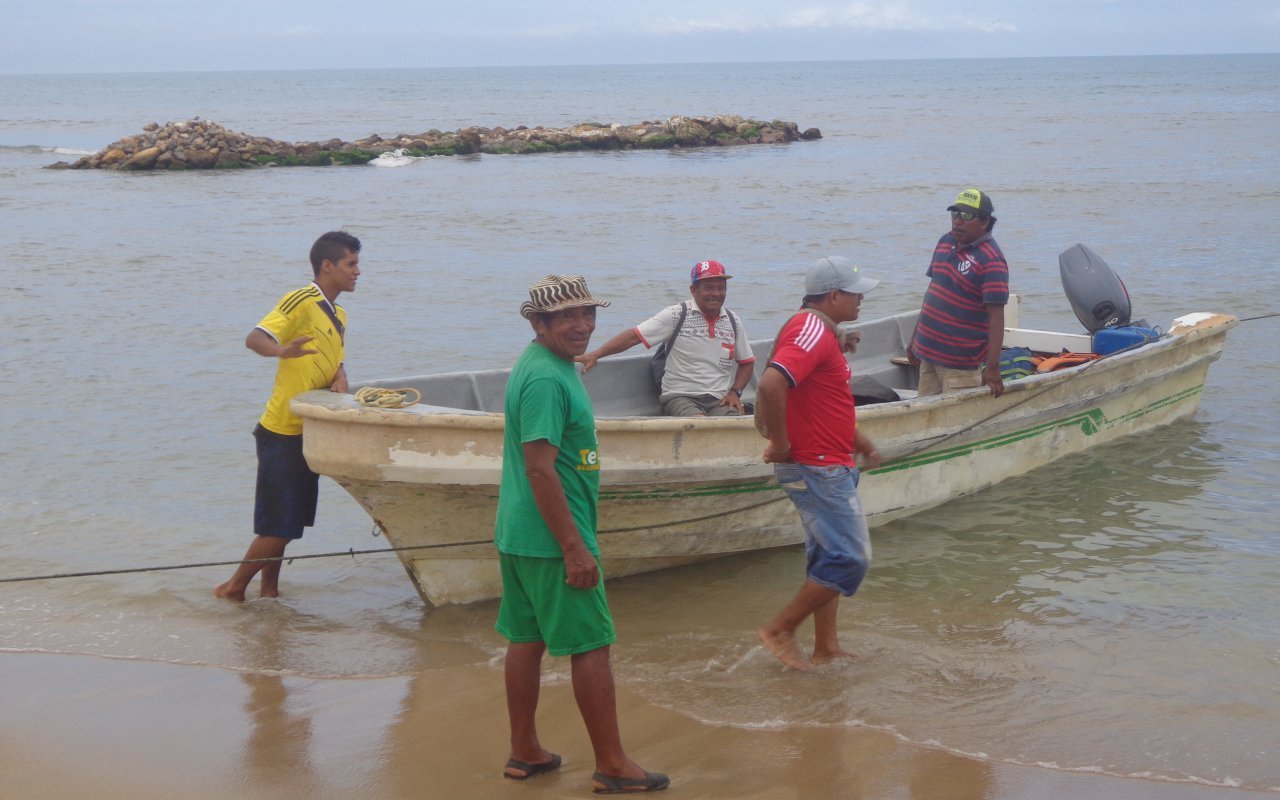
This is the capital of La Guajira and also the gateway to the department’s northern semi-desert region. The town is often a stopover for travelers, usually spending a night here at the beginning or end of a trip. There’s not much going on, but the town is pleasant, with a 5km palm-fringed beach and a long jetty ideal for evening strolls.
Santuario de Fauna y Flora
This nature reserve is located 25km from Riohacha, in the town of Camarones. During the rainy season (September to December), this peaceful sanctuary welcomes up to 10,000 flamingos, which gather in groups of up to 2,000 individuals. An incredible spectacle!
The Manaure salt mines
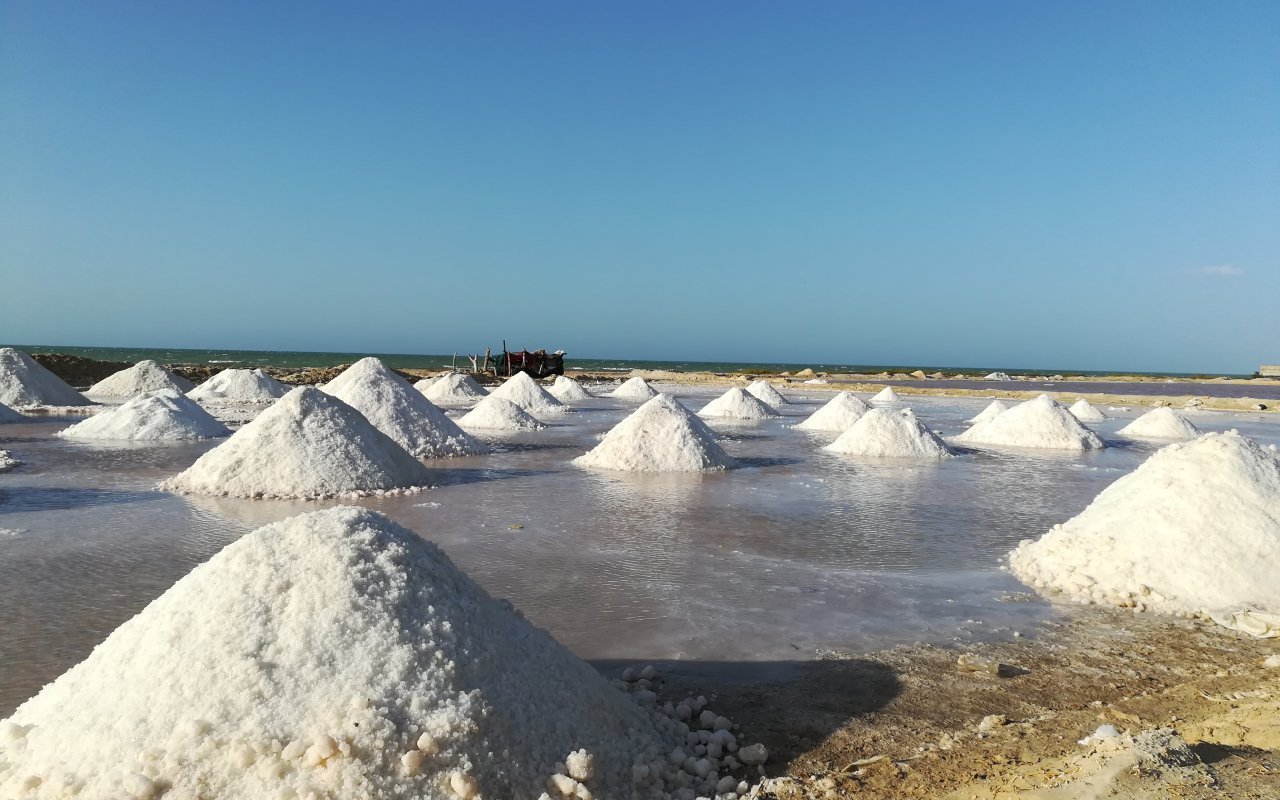
Our tours usually include a stop at the Manaure salt mines, an area of several thousand hectares of salt hills that constitute the largest salt production in the whole of Colombia. Here you can observe a unique landscape whose colors vary according to the time of day.

Discover Cabo de la Vela
Cabo de la Vela is a Wayuu fishing village around 180km from Riohacha. Renowned for its kite-surfing, Cabo de la Vela offers many surprises: Playa del Pilon, Pilon de Azucar, El Faro… several beaches and viewpoints to discover.
The mysterious and remote Punta Gallinas
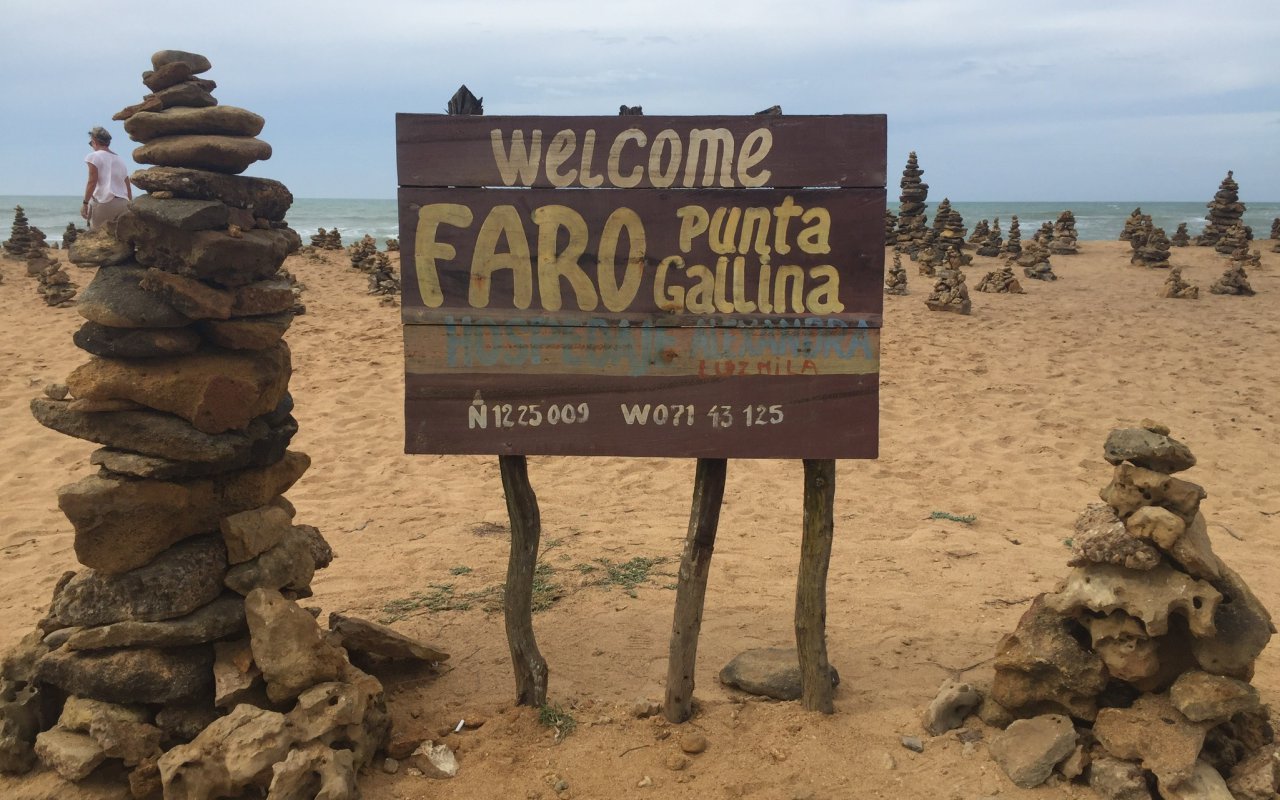
Here we are! At the northernmost tip of South America, Punta Gallinas offers one of the continent’s most impressive landscapes. We arrive via Bahia Hondita, an emerald bay surrounded by burnt orange cliffs… simply breathtaking! The imposing sand dune of Playa Taroa or Duna Taroa perfectly illustrates the fact that the desert flows into the sea… once again, grandiose, “end of the world” sensation guaranteed!
Our practical advice to visit La Guajira
To make the most of the La Guajira desert, we advise you to
- Bring light clothing and a little wool for the evening. The climate is very hot all day long, but the air can cool off in the evening or at night if you sleep in a hammock.
- Travel light: 4×4 vehicles won’t be able to carry all your suitcases, so pack a small 20 or 30-liter bag for added comfort during the trip. Bulky luggage can be left at the Riohacha office.
- Take sun cream, hats, good walking shoes and flip-flops.
- Buy water and bread rolls to distribute to children in the desert.