With over 50,000 species of plants and animals in 300 different ecosystems, Colombia is one of the countries with the greatest biodiversity in the world. We’re going to introduce you to some of the most astonishing and atypical animals you’ll come across while wandering through Colombia’s mountains, jungles or wild plains. Let’s set off on an unusual journey to the heart of South America’s fauna.
These "Wow" animals:
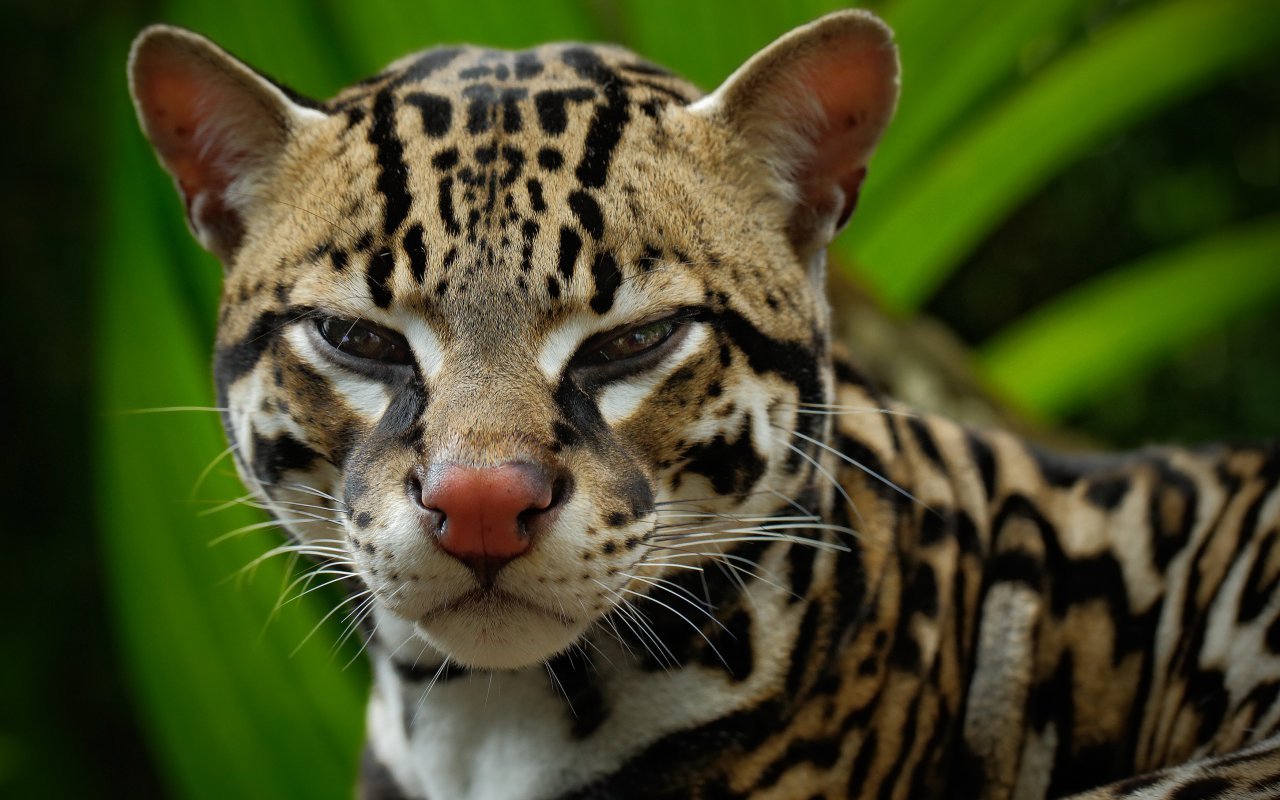
The oncilla (otherwise known as the Leopardo tiger)
Half cat, half tiger, this adorable-looking little animal is halfway between a tiger and a cat. Its tiger-like appearance gives it an elegant, graceful look, with leopard-like fur that is unfortunately much sought-after by poachers.
Nevertheless, the cat’s agility enables it to move very quickly, climbing trees in particular. This enables it to feed on rodents and small birds alike. Although we’d all like to adopt one, the oncille is a wild animal. It reproduces very poorly in captivity, and its infant mortality rate is quite high, which explains its low presence in zoos. However, it can be found in the wild in Colombia, mainly in the tropical forests of the southeast, but also in the rainforests of the Andean highlands.
The Boto or Amazon pink dolphin
An ancestral freshwater dolphin? And pink above all? Yes, this aquatic mammal does exist, and has for a long time! Scientific research has concluded that it appears to have appeared and begun populating the course of the Amazon River several million years ago.

Present even before the formation of the Andes, it is said to be the birthplace of the Amazon. Gray on the back, it’s its pink abdomen that gives it its distinctive name. This dolphin swims much more slowly than its ocean-dwelling cousins, but its flexibility and agility enable it to turn 90 degrees and slalom between trees in mangroves, for example. With bigger teeth than other dolphins, it can hunt larger fish, such as those living on the bottom of rivers. It is possible to see it rising from the water of one of the many rivers in the Amazon basin, in the south of the country.

The Greta Oto
A pretty little marvel nicknamed Mariposa (Spanish for “crystal butterfly”), the Greta Oto is a species that stands out from the rest thanks to a unique physical characteristic. As an adult, this butterfly has transparent wings.
To have the chance to contemplate this butterfly flying through the air, you first need to find the plants that support it. You can start by looking for a Lantana, the flower it forages on, or go in search of a stand of night jasmine (Cestrum) on which it lays its eggs. If you come across one in one of Colombia’s many botanical gardens or natural meadows, don’t try to catch it – it’s a pretty little insect, but it’s fragile, like crystal.
The ones that make us say "what the hell?" :
The anteater
The giant anteater is certainly one of the continent’s most atypical-looking animals. A member of the sloth family, the giant anteater lives on the ground, can measure up to 2 meters in length and weigh up to 40kg.

Nevertheless, this animal has a very long, narrow mouth and no teeth. Consequently, it uses its 60cm-long slimy tongue, tucked into its proboscis, to swallow its food, which consists mainly of insects such as ants and termites. Despite its poor eyesight and hearing, it has a hyper-developed sense of smell that helps this insectivore to hunt. This big eater has an overflowing appetite, and although it spends most of its day in its burrow, it can still swallow up to 30,000 ants a day. The anteater lives in Colombia on the Pacific and Caribbean coasts, and is found as far north as the Guajira region.
Olinguito
The new kid on the block. He’s so cute! With his big eyes, little round ears, brown coat and little claws at the end of his paws… It was only in 2013 that scientists discovered and certified the existence of this little mammal. It was the first time in 30 years that a new carnivore had been discovered on the South American continent. Like its cousin the koala, the Olinguito likes to live in trees and move from branch to branch. Despite its teddy bear-like appearance, this little animal lives alone, right in the heart of the Andean rainforests.
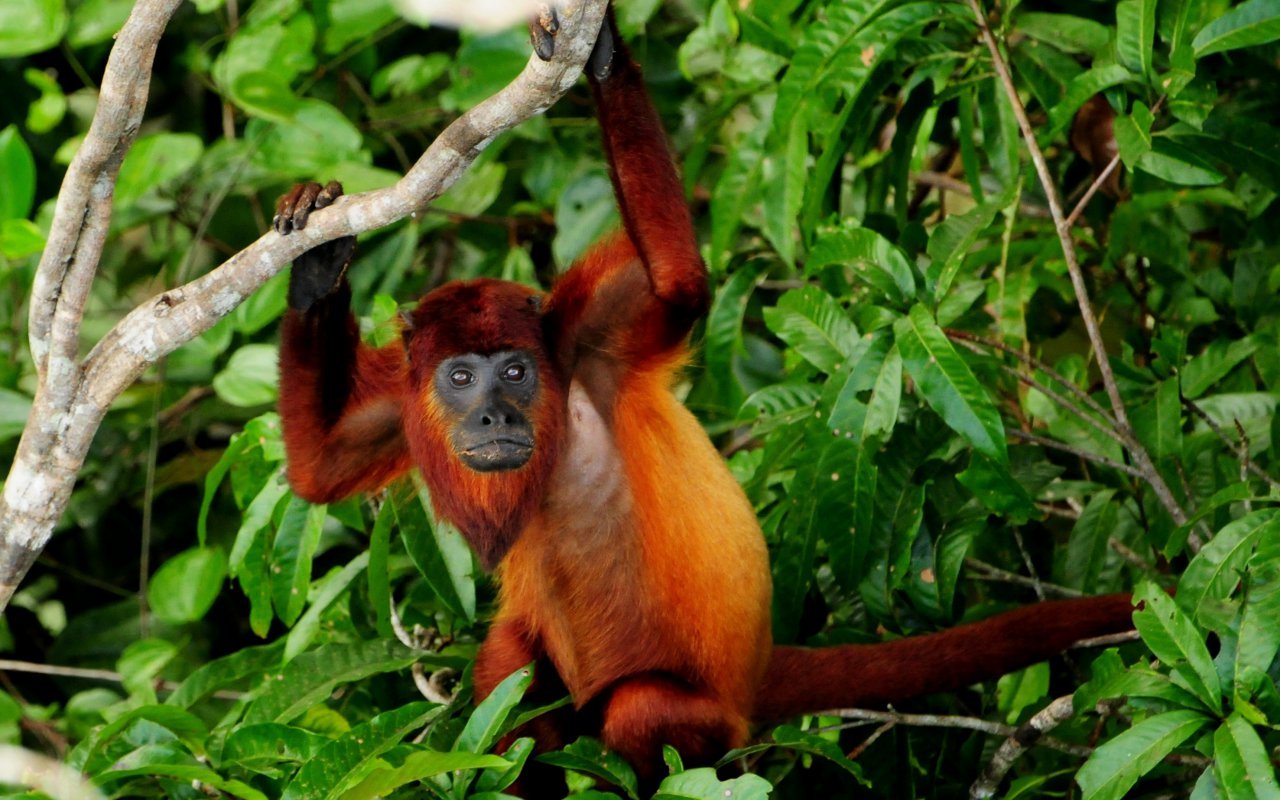
Howler monkeys
Watch out for eardrums, the howler monkey is a species of primate that’s easy to spot in the jungle, because it has a special characteristic: it can howl. Its howl can travel up to 3km through the jungle.
But why does he howl? It’s still difficult to explain the precise reason for each howl. While research is currently underway to understand and translate the messages transmitted by these calls, the majority seem to be intended to signal their presence to other groups, or to mark out a territory. Nevertheless, we are now able to discern different types of howl in terms of sound, but we still need to understand their meaning.
All these animals are just a sample of the many wonders of nature to be discovered when wandering through Colombia’s wildest and most remote regions. Amazing species, aren’t they?