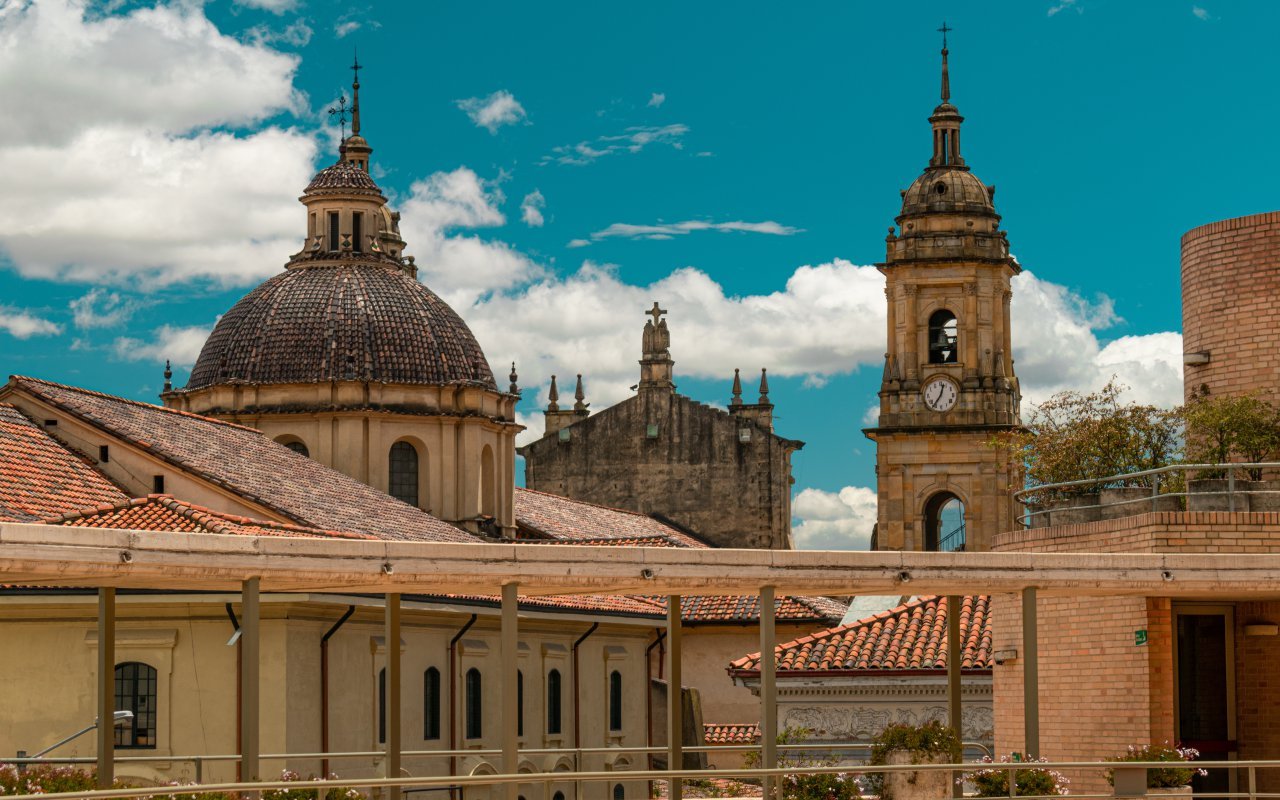
Bogotá is often considered sprawling, congested and cold, compared to exotic Cartagena or Medellín, the city of eternal spring. Some travelers overlook the Colombian capital, and wrongly so: the city boasts a rich historical and cultural heritage and offers its visitors endless possibilities for outings and activities.
Bogotá essentials
Bogotá, an Andean city
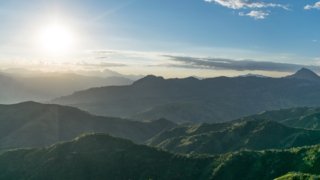
Nestled in the Cordillera Oriental in the northern Andes, Colombia’s capital lies at the foot of a mountain range in the center of the country. At an altitude of 2,640 metres, it is the 3rd highest capital in the world after La Paz and Quito.
To the east of the city, two cerros (hills) rise like ramparts to watch over the city: Monserrate and Guadalupe, on which a basilica and a chapel, respectively, are perched, making the two hills veritable pilgrimage sites.

The climate in Bogotá
Perched at over 2,600 meters above sea level, Colombia’s largest city enjoys a temperate, high-altitude climate. The average temperature over the year is around 14°C, but on any given day it can fluctuate between 9 and 20°C, so T-shirts and sweaters are a must. Bogotá has two rainy seasons, from March to May and from October to November, but you’ll often have to reckon with the fog that invades the plateau on which the city is situated.
History of the Colombian capital
The main pre-Columbian civilization to have lived around present-day Bogotá was the Muiscas, a branch of the Chibchas who occupied the northern Andes from the 3rd century onwards. In search of El Dorado, the conquistador Gonzalo Jiménez de Quesada invaded the region in 1536 and founded the city in 1538.

It gradually grew to become the capital of Gran Colombia, a large country comprising present-day Colombia, Ecuador, Venezuela and Panama, which was formed after part of South America gained independence from Spain. Following its dissolution in 1830, Bogotá became the capital of present-day Colombia
What to do in Bogotá
Museums: Colombian art and culture
There’s no shortage of museums in Bogotá! If you only have a short time in the Colombian capital, we recommend you concentrate on the following 3: the Gold Museum, the Botero Museum and the International Emerald Museum, all located in the historic Candelaria district.
The Gold Museum , reopened in 2009, boasts some of the world’s most unique pieces, giving you a glimpse of the incredible goldsmithing skills of pre-Columbian civilizations and, above all, the importance of this precious metal in their belief system.

The Botero Museum presents 123 works by the world-famous painter and sculptor Fernando Botero. A native of Medellín, the artist’s voluptuous, round figures are the pride of Colombians today.Did you know that Colombia was the world’s leadingemerald-exportingcountry? The International Emerald Museum, located a stone’s throw from the Gold Museum, is dedicated to this Colombian treasure. Inside, a real mine has been reconstructed to enable visitors to discover the process of emerald formation and extraction.
Candelaria: a stroll through the historic quarter
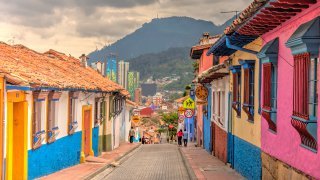
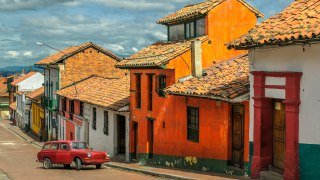
If you decide to visit the three museums mentioned above, it’s time to take a stroll through the pretty Candelaria district. With its colonial-stylearchitecture , one colorful house after another takes you back 300 years. Here, the past also rubs shoulders with the present: as you stroll along the streets, you’ll come across works of street art in which artists recount the country’s recent evolution and the incredible resilience of its inhabitants, who are resolutely looking to the future. A perfect blend of historic buildings and urban art!Our favorite spot in the neighborhood? The Plazoleta del Chorro! Here, in the evenings, the square is the scene of street shows that Bogotanos watch from a bench with a hot drink in hand. Anecdotally, this is where the city is said to have been founded… Around the corner, Calle del Embudo is packed with small bars and cafés, craft stores and murals. A visit to this part of Bogotá is also an opportunity to stroll through Bolívar Square, flanked by important monuments: the Palace of Justice, the City Hall, the National Capitol and the Primada Cathedral.
Monserrate: the best view of Bogotá
Another of the city’s must-sees is Monserrate Hill, located to the east of the city and rising to an altitude of 3152 metres. At its summit is the Señor Monserrate Basilica , built in 1925 after an earthquake destroyed the chapel that had stood there since the 17th century. If it’s not religious fervour that brings you to this hill, it’s the view over Bogotá. From up here, the immensity of the Colombian capital is obvious: on all sides, buildings rise up and spread out across the plateau. The city seems to go on forever, with no limits!

There are three options for getting there. If you’re not afraid of the 600m-high hiking trail, it’s open from 5 a.m., so you can watch the city wake up… If you’re not up for the climb, you can reach the summit by funicular or cable car, and enjoy the sunset over the Colombian city.
Markets: shopping in Bogotá
Bogotá has almost twenty markets, some of which are veritable institutions. Our favorite, the Paloquemao market, is highly recommended for gourmets. Housed in a former railway warehouse, this fruit and vegetable market is the ideal place to sample exotic Colombian fruits and discover the incredible diversity of what grows in the country. An explosion of flavours and colors guaranteed!

Just a stone’s throw from Bolívar Square is Pasaje Rivas, the city’s main shopping thoroughfare. Here, you’ll find a large number of merchants selling handicrafts. Pottery, hammocks, jewelry, hats, wicker baskets – this is the place to go if you’re looking for souvenirs to bring back to your loved ones.If you’re in Bogotá on a Sunday, the San Alejo flea market is a must. With up to 300 exhibitors, it’s the place to be for families who like to stroll in search of antiques and small treasures. In this eclectic market, you’ll find everything from shoes and crockery to antique furniture, books and other curiosities of all kinds!
Parks: a nature break in the city
If you fancy a little nature break while exploring the city of Bogotá, there are several options open to you.

To familiarize yourself with the different ecosystems and varied flora you’ll encounter during your trip to Colombia, there’s nothing like spending half a day in the José Celestino Mutis Botanical Garden to the north-west of the city.
In its greenhouses, hundreds of species of plants and flowers from different regions of the country, from the Amazon to the Caribbean, via the Andes and the paramo. Among the collections, don’t miss the one on orchids: Colombia’s national flower, there are over 4,000 species in the country!For a picnic, to read a book, do some sport or simply enjoy a siesta in the sun, the ideal place is Parc Bolívar. At over 113 hectares, it is the city’s largest park. It boasts some 16 kilometers of paths for strolling, running or cycling, a large lake for paddling, and hundreds of trees under which you can sit back and forget for a moment that you’re in the middle of buildings.
Events: when to visit Bogotá?
If the Colombian capital can be visited all year round, you may be lucky enough to stumble across one of the cultural events that punctuate the city’s life. Every year in April, since 1988, the Feria Internacional del Libro de Bogotá (FILBo) has taken place . For two weeks, the Colombian capital becomes one of the world’s largest bookstores, promoting the development of reading in the country. In 2020, the focus will be on Nordic literature, andin June, the Parc Bolívar is transformed into an open-air concert hall as it hosts the Rock al Parque Festival, a free event featuring national and international artists. This popular festival has been extended to include Hip Hop al Parque in October and Salsa al Parque in November , while August sees the Alimentarte Festival, a 5-day gathering of Colombia’s top chefs. During the first part of the festival, a guest country is featured, before the final days are devoted to a different region of the country each year. Buen provecho (Enjoy your meal!)The Festival Iberoamericano de Teatro de Bogotá takes place every two years in July, and the Bogotá Film Festival in October.
Our tips for visiting Bogotá
When to go to Bogotá?
The Colombian capital is best visited at the beginning of your stay (international flights often arrive). You can also add an extra half-day at the end of your stay, before catching your return flight
Our practical tips
To get the most out of the city, we recommend that you
- Bring warm clothing. Bogotá lies at an altitude of 2,600 m, so it can get a little chilly.
- Wear good shoes. If you’re planning to explore the city’s markets, museums and parks, you’ll need comfortable shoes.
- Pack sunscreen and… an umbrella in your backpack! At such a high altitude, the sun is beating down, so a cap, sunscreen and sunglasses are much appreciated. On the other hand, in Bogotá, you’re never safe from a sudden downpour..
- Keep well hydrated. The altitude may surprise your body at first if it’s not used to it. Drink plenty of water and lighten your schedule for the first few days to allow yourself a little rest if necessary.
- Follow the guide! To fully understand the history of the city and all its treasures, we strongly advise you to discover it with a guide. Contact us to arrange your stay in the capital.
What to do around Bogotá
Visit Zipaquirá Salt Cathedral
Close to the city and still in the department of Cundinamarca, you can stop off in Zipaquirá to visit its Salt Cathedral , one of Colombia’s most visited sites.
Carved out of the walls of the salt mines of the same name, 180 metres underground, the Salt Cathedral is a replica of the first one built in the 1950s, which was in danger of collapsing. Access is via a tunnel depicting the Stations of the Cross, and you wind your way through enormous caverns until you reach the cathedral’s naves.

In addition to discovering a unique site, this visit is an opportunity to learn more about the conditions under which a monument of this scale was built, thehistory of the region’s mines and the work of the miners.
Spend a day in the Nemocón salt mine
Just a 30-minute drive from Zipaquirá, you’ll find the Salt Cathedral’s little sister: the Nemocón salt mine. Just like its elder sister, it’s well worth a visit: accompanied by a guide, you’ll dive to a depth of 80 metres and follow the same path as the miners who worked the mine for centuries. In one of its large chambers, you’ll be able to observe the “Heart of Colombia”, a salt crystal sculpted in the shape of a heart.
This unique site was also the setting for the Chilean-American film The 33, starring Antonio Banderas and Juliette Binoche, which tells the story of the 33 Chilean miners trapped in a copper mine in the Atacama Desert in 2010.
Discover Guatavita Lagoon
Still north of Bogotá, at an altitude of 3,000 metres, lies the Guatavita Lagoon. This perfectly round lake, whose origin is still unknown today, was sacred to the Muiscas, the pre-Columbian people who inhabited the region before the arrival of the conquistador Gonzalo Jiménez de Quesada.

Around this lagoon, to honor their gods, they performed ceremonies in which offerings, including gold, were thrown into the water. These rituals contributed in part to the creation of the myth of El Dorado, which led the conquistadores to these lands.
Accompanied by an official park guide, you can stroll around the lagoon and learn more about the region’s ecosystem, Muisca culture and the history of this very special lake.
Hiking in Chingaza and Chicaque National Parks
To stretch your legs and get a complete change of scenery, we recommend hiking in Chingaza National Park, 1h30 from Bogotá.
Situated between 3,000 and 3,800 metres above sea level, the park offers exceptional paramo landscapes, including frailejones, shrubs found only at high altitude. Fauna includes the famous spectacled bear, the puma and the Andean condor. To preserve this great biodiversity, access to the park is controlled and reservations are compulsory.

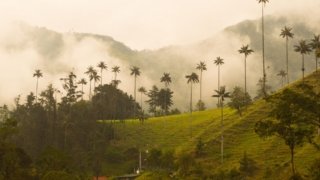
If you prefer a lower altitude, head south of the capital to Chicaque National Park. This cloud forest covered in constant fog will plunge you into a unique mysterious atmosphere. Here, too, you may catch sight of spectacled bears, armadillos or hummingbirds. The park boasts 18 km of ecological trails, allowing you to discover this very special ecosystem. Ifyou’d like to discover Bogotá and the surrounding region, contact our local experts.