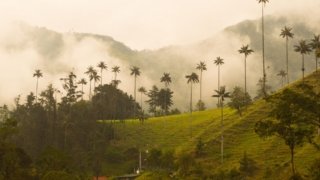
Situated at an altitude of 1,538 meters in the heart of a valley, Medellin is the capital of the department ofAntioquia. Nicknamed the “city of eternal spring”, it is the birthplace of painter Fernando Botero.
Despite dark years marked by Pablo Escobar’s drug cartels, Medellin today is a sophisticated, green and prosperous city that is the pride of its inhabitants. The pedestrianized streets of the chic, residential El Poblado district offer the opportunity to enjoy fine boutiques and restaurants.
Medellin at a glance
Medellin, the city of eternal springtime
With an area of 376.22 square kilometers, the City of Eternal Spring, also known as the “Capital of the Mountains”, the “City of Flowers” or the “Capital of Orchids”, enjoys a subtropical climate. The weather is mild and sunny all year round, with temperatures hovering around 22°C, rarely dipping below 16°C and rarely rising above 28°C. Medellín is also known for the human warmth of its inhabitants, the “paisas”. The city has a population of 1,845,529, of whom only 5% live in rural areas. Its territorial neighbors are the municipalities of San Jerónimo, Bello and Copacabana to the north, La Estrella, Envigado, Itagüi and Angelópolis to the south, Ebejico and Heliconia to the east and Guarne and Ríonegro to the west. Today, each of these towns has almost been absorbed by Medellín, the border having disappeared over the years, even if they all retain their very special characteristics. Medellín is a city located in the heart of the Aburrá valley, between two branches of the Andes mountain range. The many hills offer beautiful panoramic views over the city, and some of these mountains surpass the others in size. These include Cerro del Padre Amaya (3,000 metres above sea level), Cerro del Pan de Azúcar and Cerro El Picacho.

Medellin, a dynamic metropolis
Capital of Antioquia, Medellin is Colombia’s second most populous city after Bogotá, and the third most visited destination by foreign visitors. For a long time, Medellin was considered one of the world’s most violent cities, largely due to events linked to drug trafficking. After a dark past of violence and crime, the city gradually transformed itself to become one of the most dynamic cities in the country and one of the most innovative cities in the world, winning numerous awards for its radical transformation and positioning itself today as an exemplary model of urban planning and dynamism.
Among its distinctions are its modern transport system, thanks to the metro, tramway and cable car that have enabled the most working-class districts to connect with the rest of the city; its environmental policy, with its emphasis on green spaces and parks such as the Botanical Gardens; and the creation of cultural centers, museums, libraries and public schools that have encouraged the integration of the most disadvantaged into society. Medellin’s cultural heritage is fascinating. The Museum of Modern Art, the network of municipal libraries, the great artists Fernando Botero and Pedro Nel Gómez and the literature of the poets León de Greiff and Epifanio Mejía are just some of the most important cultural attributes of the capital of Antioquia.

History of the paisa capital
Around 1,500 years ago, the Aburrá valley was inhabited by indigenous tribes of hunters and corn and bean growers.the valley was called Valle de Aburrá by the indigenous inhabitants and was later renamed Valle de San Bartolomé by the Spaniards.The valley was discovered on August 24, 1541 by Jerónimo Luis Tejelo, considered the conqueror of Antioquia, who founded the town of Santa Fe de Antioquia the same year.1826 saw Medellin named capital of Antioquia, with a population of 6,050. The Medellín Cartel was created in 1976. In the late ’80s and early ’90s, the city bore the brunt of the struggle between drug traffickers and the government. The death of Pablo Escobar in 1993 marked the end of the Medellín cartel, but gave way to profound social conflicts between guerrillas and paramilitaries in the region. Thirty years on, Medellin has become a trendy place. Tourists from all over the world are discovering the city’s incredible beauty. Today, the city is calm and there’s no reason to shudder. As proof, this crime index places Medellín well below Paris, London or Bogota.
What to do in Medellin
Medellin, a balance between history and architecture
Plaza Botero
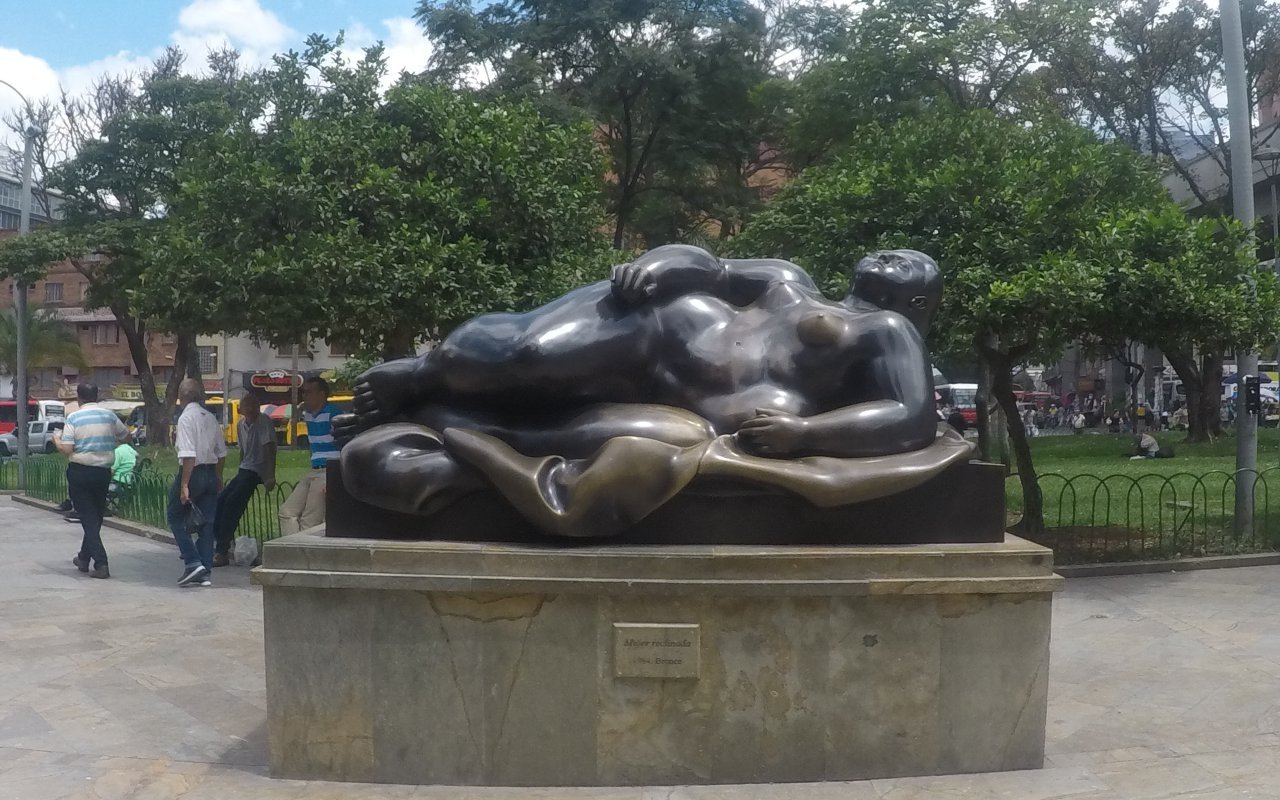
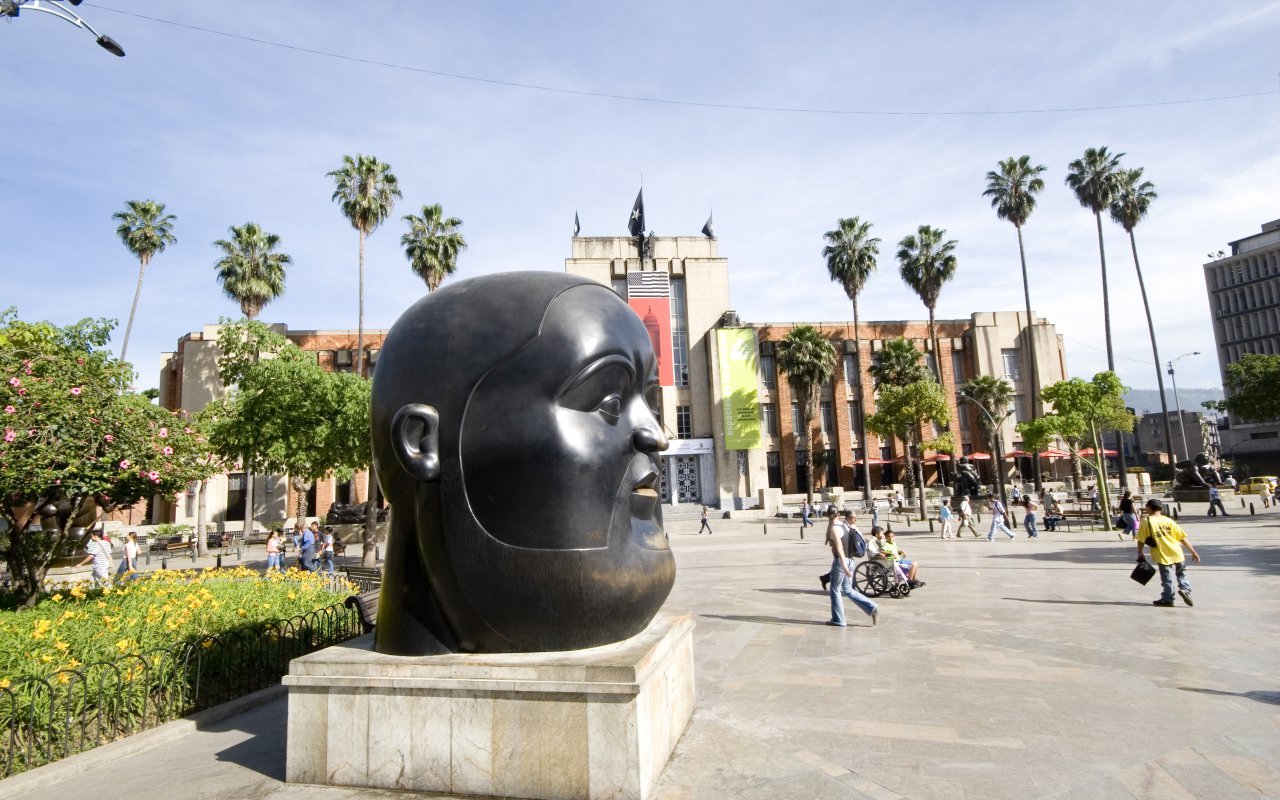
The Plaza Botero, in the heart of the historic center, is a veritable open-air art gallery, featuring 23 large-scale sculptures in the recognizable style of the artist Fernando Botero. On the same square is the Rafael Uribe Uribe Palace of Culture. This is one of the city’s most beautiful buildings. We recommend climbing up to the open terrace on the top floor, from where you can enjoy a magnificent view of the city.
Parque Berrío
One of the most important meeting points for the people of Medellín is the Parque de Berrío, considered the soul of Medellín. A stroll through the pedestrian streets of the surrounding Quartier Carabobo will allow you to discover different styles of architecture, from the Palacio Nacional to the Basilica Nuestra Señora de la Candelaria.
Parque de las luces
The Parque de las Luces is a forest of 300 towers up to 24 meters high, which are illuminated every night. Visit it during the day too, and climb up to the terrace of the EPM library for a beautiful view of the city.

Medellin and itsmuseums
The Antioquia Museum
The Museo de Antioquia is one of Medellin’s most important museums. It is housed in Medellín’s former municipal palace and boasts a collection of over 5,000 pieces, including indigenous objects and paintings by Botero.
La Casa de la Memoria
La Casa de la Memoria is a must-see if you want to learn more about the dark years of the Colombian conflict. Here, the victims are brought to the fore and the story is told as it was, far from the Hollywood (or rather Netflix) schema.
Explora Park
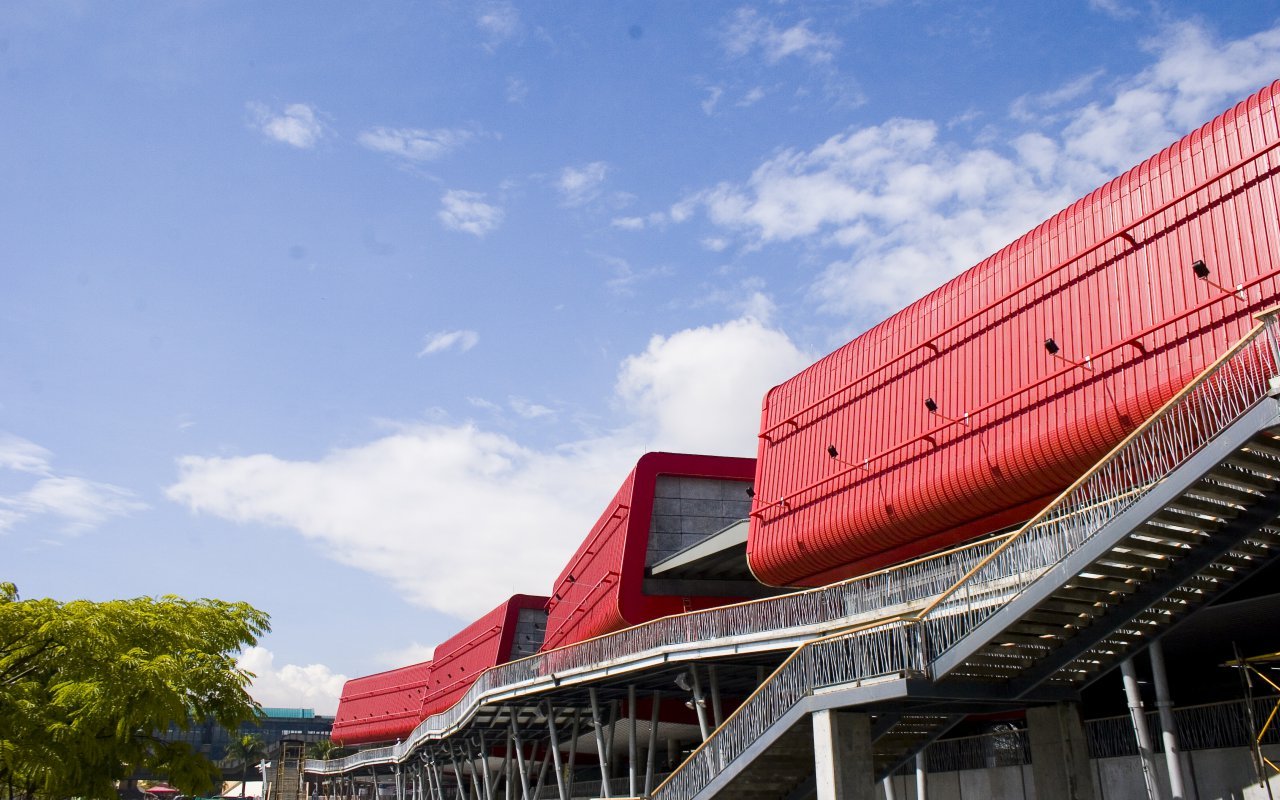
An ideal place for families and children. This museum is a perfect blend of science and culture. On the menu: vivarium aquarium, exhibitions, laboratories, planetarium, 3D theater… Enchanting for young and old alike!
Museum of Modern Art
Medellin’s Museum of Modern Art, also known as MAMM, is dedicated to research, conservation and dissemination in the fields of modern and contemporary art. The museum holds 233 works by the antioque painter Débora Arango, as well as works by other important artists of national and international renown
Medellin: nature & views
Pueblito Paisa
Pueblito Paisa is another must-see in Medellin, especially if you don’t have time to visit the villages of Antioquia. It’s a reproduction of a traditional paisa village. You’ll have the impression of strolling along the cobblestones of the main square of a typical village, with its colorful facades. It’s also a great place to sit on a vantage point and admire the breathtaking view over the city.
Metrocable
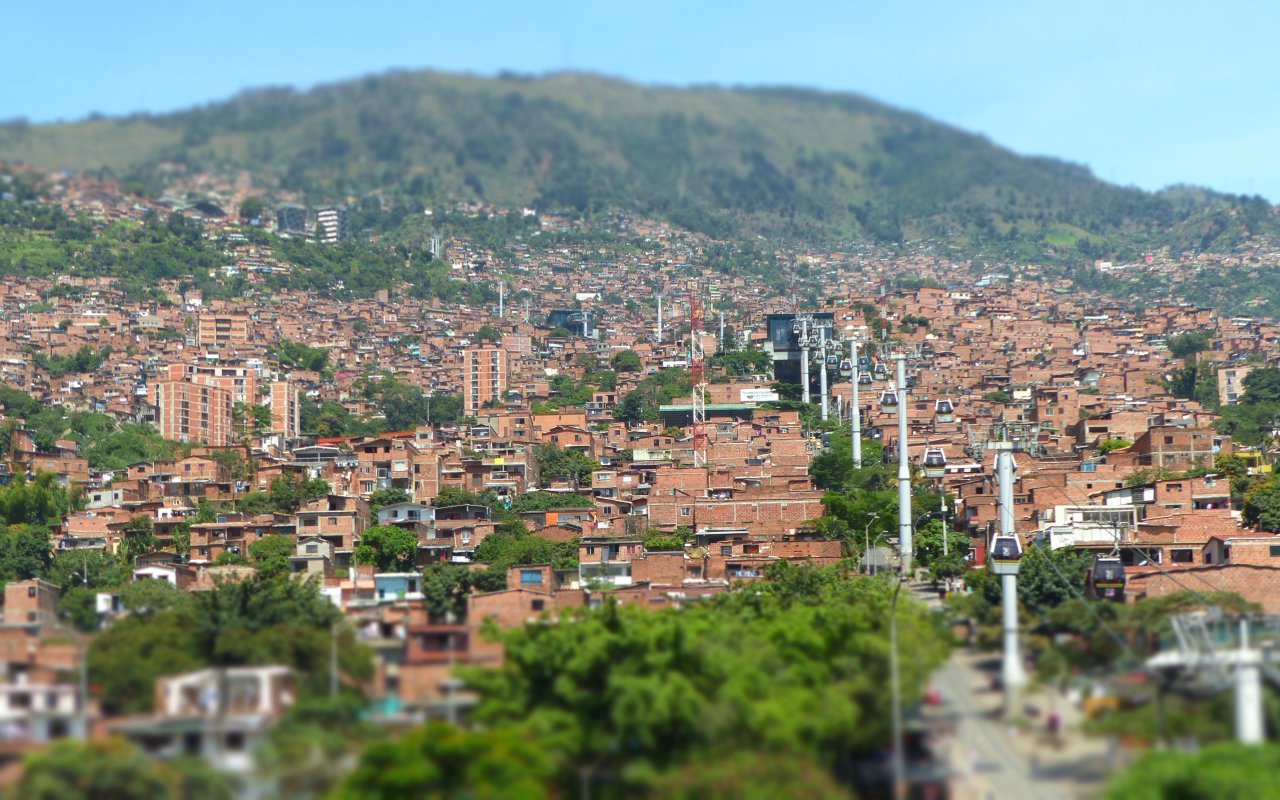
Speaking of views, the best view of Medellin is from its cable cars. The best thing to do is hop on the metrocable and head for the Santo Domingo district, one of Medellín’s highest neighborhoods.
Parque Arvi
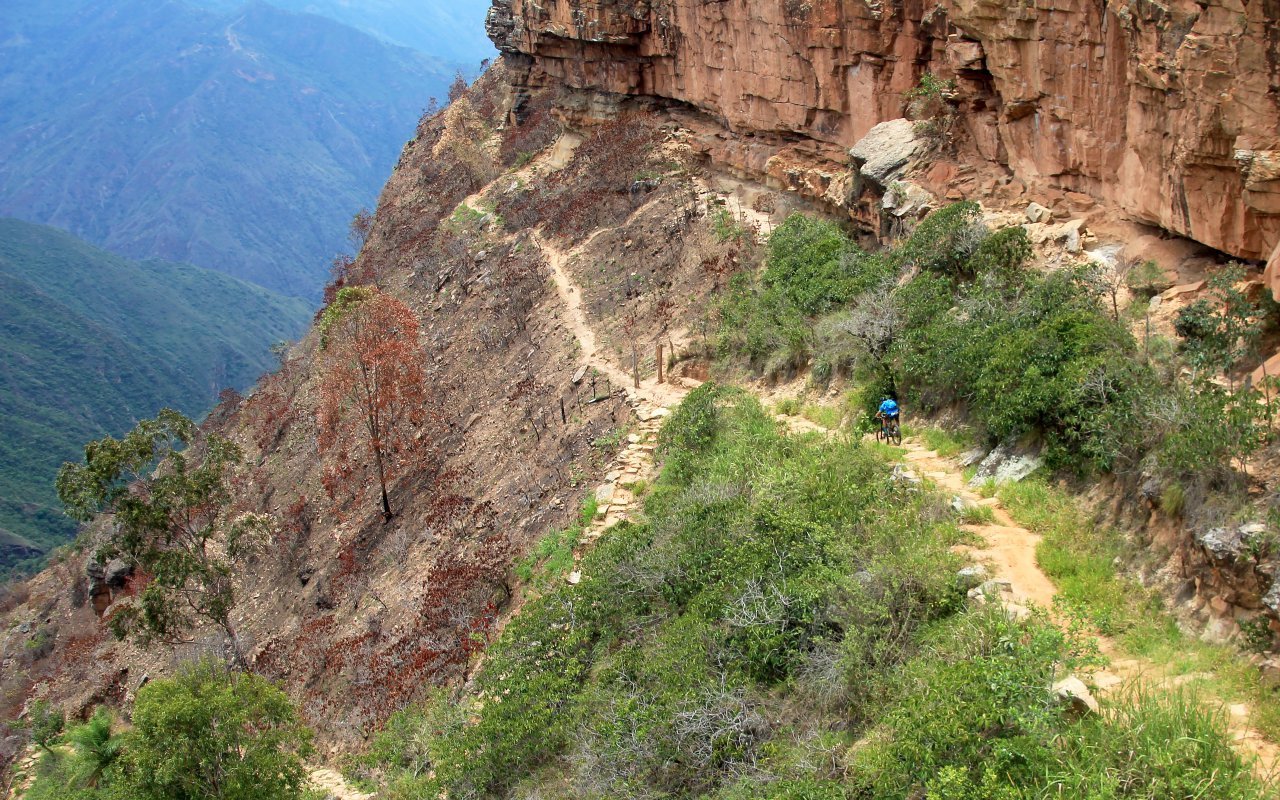
Birdwatching, cycling and hiking are just some of the activities you can enjoy, in harmony with nature, during your visit to Parque Arví, accessible by cable car through over 1700 hectares of natural forest
Botanical garden
If you’re looking to relax and unwind, there’s no better place in Medellin than the Botanical Garden. Located in the heart of the city, this flower-filled garden is a true haven of peace
Medellin and urban art
Comuna 13
Comuna 13 used to be one of Medellin’s most dangerous neighborhoods. Fortunately, today the face of this neighborhood has completely changed. You’ll discover a district steeped in art and history. Here, pistols have been exchanged for spray cans. A social inclusion program for the underprivileged has brought color and life back to this amazing neighborhood. Fans of street art will not be disappointed!

El Poblado
El Poblado is Medellín’s trendiest district. Home to bars, hotels, designer boutiques, cafés and restaurants offering a wide choice of cuisine from all over the world, this elegant, chic district is also home to some of the city’s most beautiful buildings.
Moravia
The history of Moravia is shaped by the history of Colombia as a whole. Moravia was Medellin’s former garbage dump, and was also a huge shantytown, a direct result of the violence and displacement that affected many people in rural areas. Today, the district is the very symbol of the city’s urban transformation. The majority of residents have been relocated, and the landfill site has been transformed into one of Medellin’s most beautiful gardens.

The surrounding area
Colonial village of Santa Fe de Antioquia
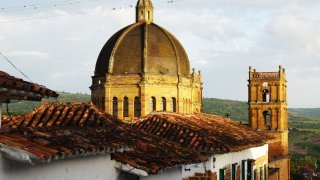
About 80 km northwest of Medellín, Santa Fe de Antioquia is a small town founded in 1541 by gold miners who exploited a nearby gold mine. The town is distinguished by its well-preserved colonial architecture, which is listed as a national historic monument: cathedral and churches (La Ermita, Santa Barbara, San Ignacio), Spanish mansions (La Casa Negra)..
Village of Guatapé and the piedra of El Peñol
In the heart of the Antioquian countryside, the El Peñol stone is an impressive granite monolith on the shores of an artificial lake. Just a few kilometers away is the colourful village of Guatapé. Guatapé is famous for its “zócalos”, colorful friezes (in the Spanish tradition) decorating many of its buildings.

Meet the silleteros of Santa Elena
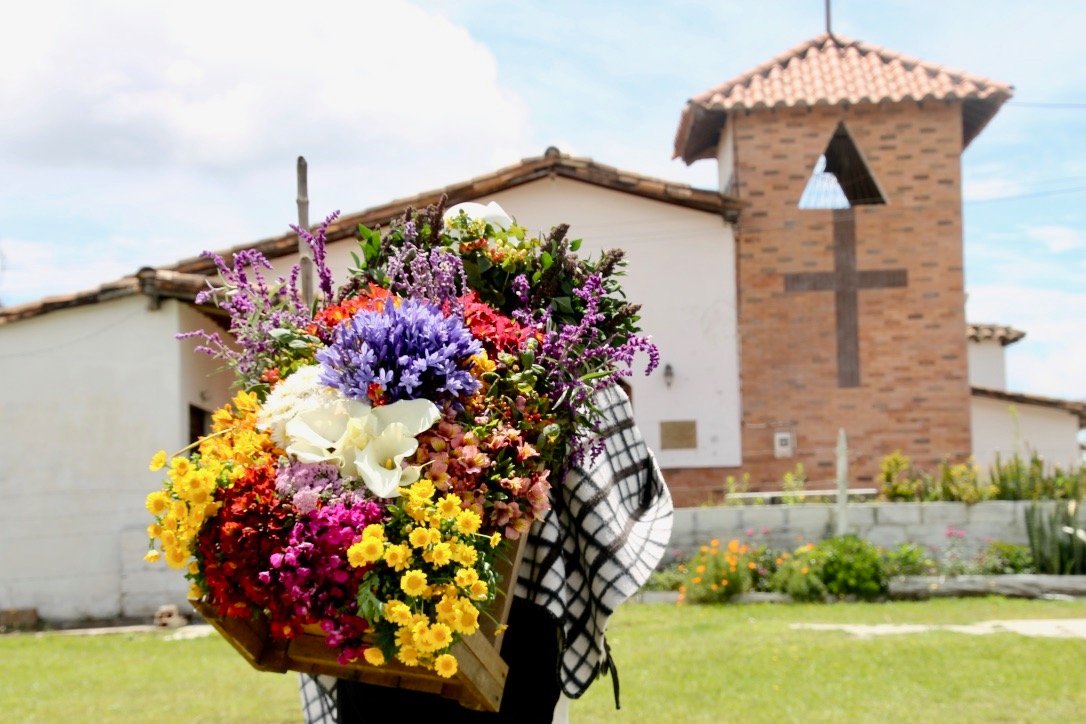
Close to the city, the hills of Santa Elena are home to several farming communities that can be explored on a day trip. As you pass through the hamlets, you can stop off at the homes of the silleteros, traditional flower growers who take part in the Feria de Flores every year (making bouquets and “silletas”).
Salgar and Finca El Diamante
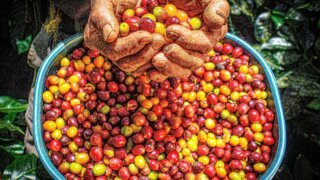
Located in the heart of a 160-hectare coffee reserve in southwest Antioquia, Finca el Diamante is a haven of peace that invites you to discover the Antoquia coffee-growing region in an authentic, high-quality setting far from the touristy fincas. On the program: visit the plantations and learn about the coffee-making process, go horseback riding, relax by the pool or in the Jacuzi, enjoy an aperitif at sunset on the mountain tops..

Jardin
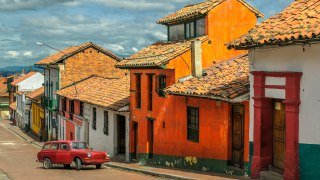
Jardin is a pretty, typical village in the heart of the Antiochian countryside. The charm of this village lies in its narrow streets and colorful facades, its lively central square and the nonchalance of its inhabitants. We recommend a “tinto” coffee in one of the typical, colorful cafés in the central square.

Ecotourism and adventure in Rio Claro
The Río Claro Canyon Nature Reserve is a 500-hectare natural paradise of canyon, river and tropical forest. Here, hike through the lush landscape of the nature reserve and enjoy a choice of rafting, caving or canopy tours.
Events: when to visit Medellin?
Medellin is the epicenter of major fashion and design events, concerts and fairs. Here’s our selection of the city’s top events
Colombiamoda
Colombiamoda is a fashion fair held annually in the city of Medellín, Colombia. Inaugurated in 1990, the fair has grown over the years to become one of the most important fashion events in Latin America, attracting nearly 30,000 visitors to each edition and showcasing the work of renowned designers from the four corners of the globe
Flower Festival
Every year since 1957, the streets of Medellín are adorned with thousands of flowers for ten days. Take a stroll around the parade sites and learn about the history of this legendary festival, which features the silleteros, men with flowers on their backs. There are parades of old cars, floats, horses and flower competitions.

Christmaslights
Medellin is world-renowned for its Christmas illuminations. Discover the main illuminated sites (parque norte, parque de los deseos, avenida de la playa, Envigado or Sabaneta). You’ll also have the chance to sample the gastronomic specialities cooked for the occasion, such as buñuelos, and discover all the local traditions. An urban adventure rich in flavours and colors, at the heart of Colombian traditions!