Colombia is one of the most biologically rich countries in the world. The diversity of the Colombian ecosystem is due in no small part to a climate that varies from region to region. It also allows us to observe contrasting landscapes in close proximity to one another. But what’s so special about Colombia’s climate? ?
First of all, the country’s geographical location on the Earth’s equator means that its temperature is constant throughout the year. Consequently, there are no hot or cold seasons. Only altitude and rainfall cause temperatures to vary from one region to another. Here’s an overview of 6 different climates you may encounter on your trip to Colombia.
The Caribbean climate

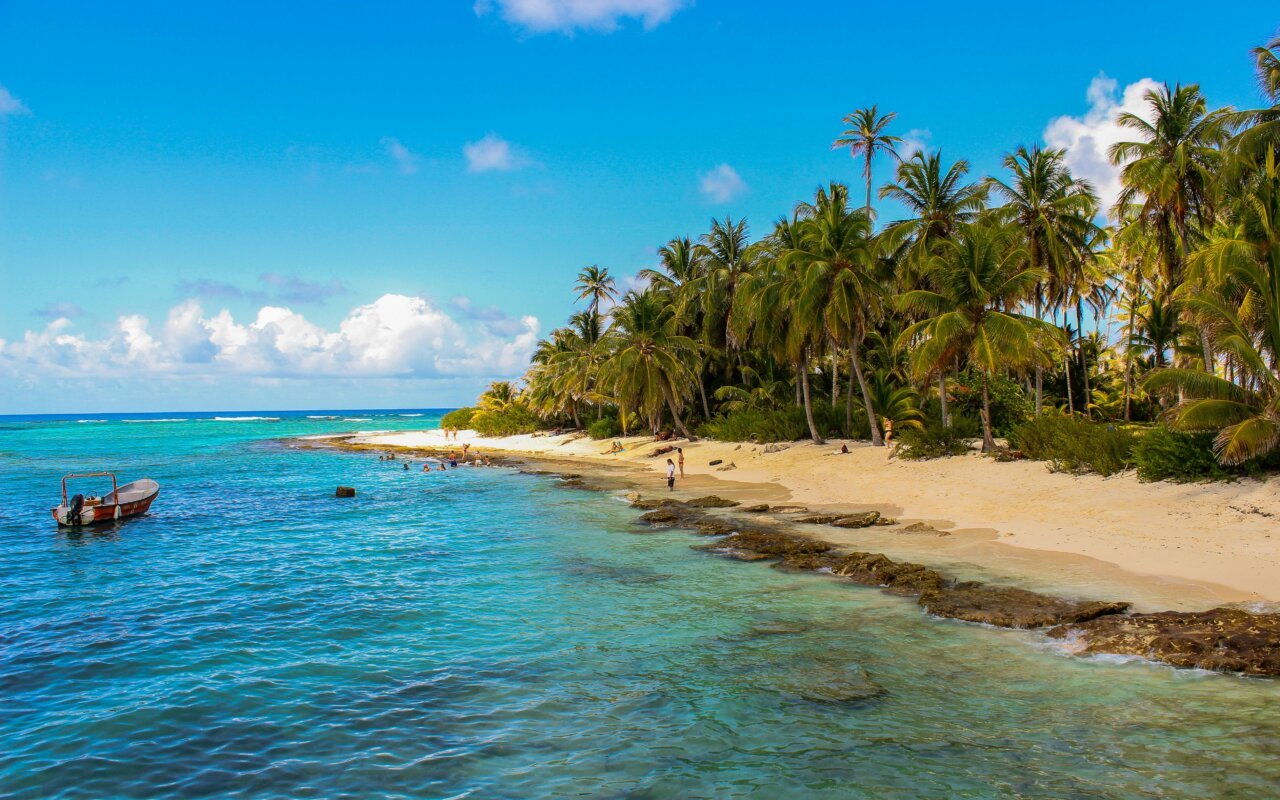
As for the sea, the coastal region on the Caribbean Sea offers a warm climate, with temperatures ranging from 24 to 30 degrees year long. This rather dry region offers plenty of sunshine, ideal for relaxing on its white sandy beaches, coconut palms and crystal-clear waters.
Tropical climate
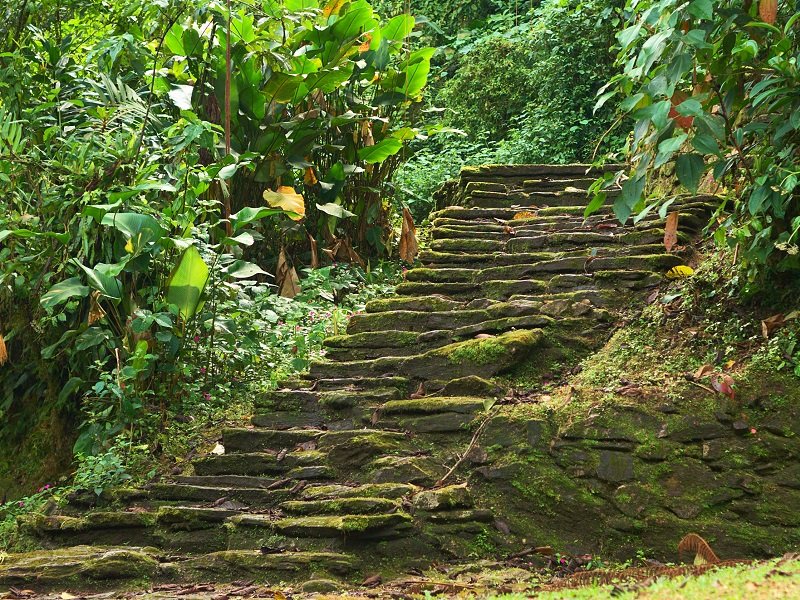
Most of Colombia has a humid tropical climate, known as “equatorial”. Rain is continually abundant, and as a result, lush vegetation grows uncontrollably. The Pacific coast, the Amazon basin and certain central regions all live in this climate, which is very humid for humans, but ideal for wildlife. Rest assured, it never rains for very long, just a few short showers a day.
Andean climate
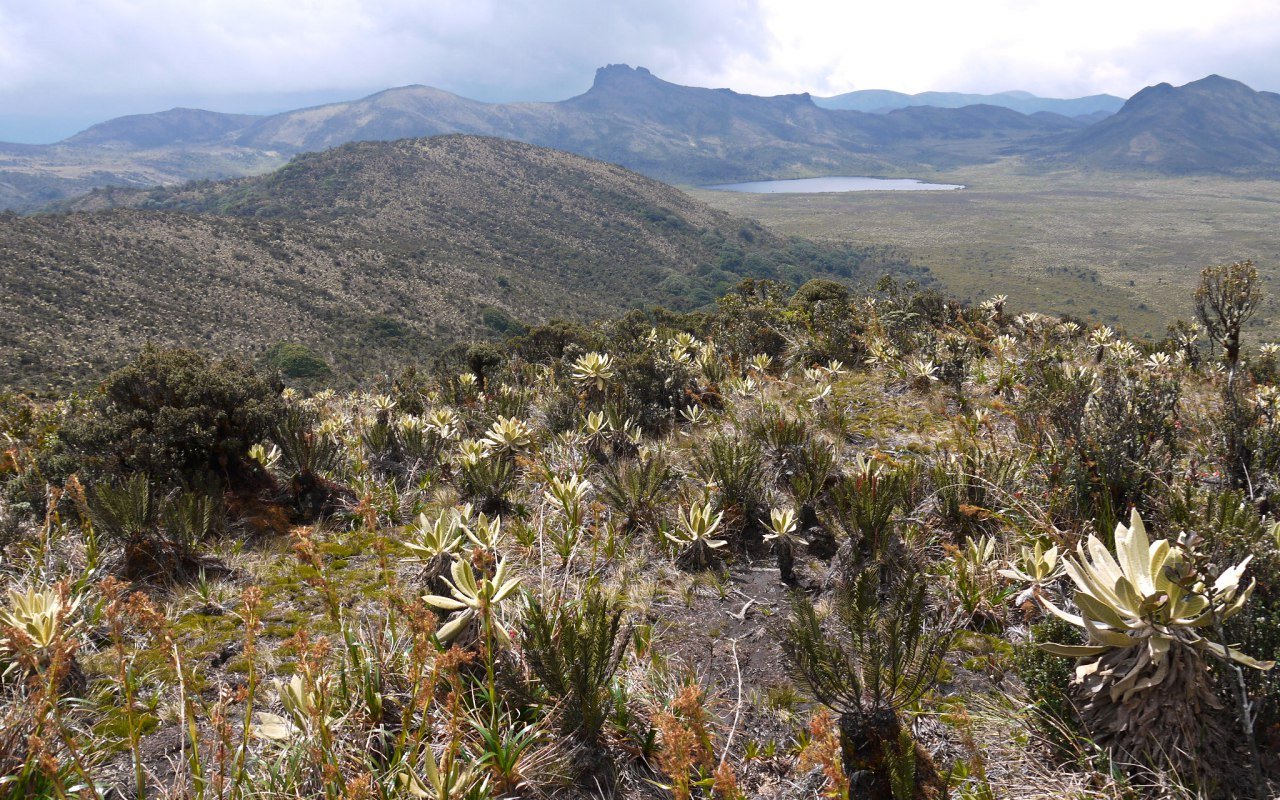
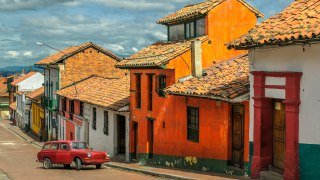
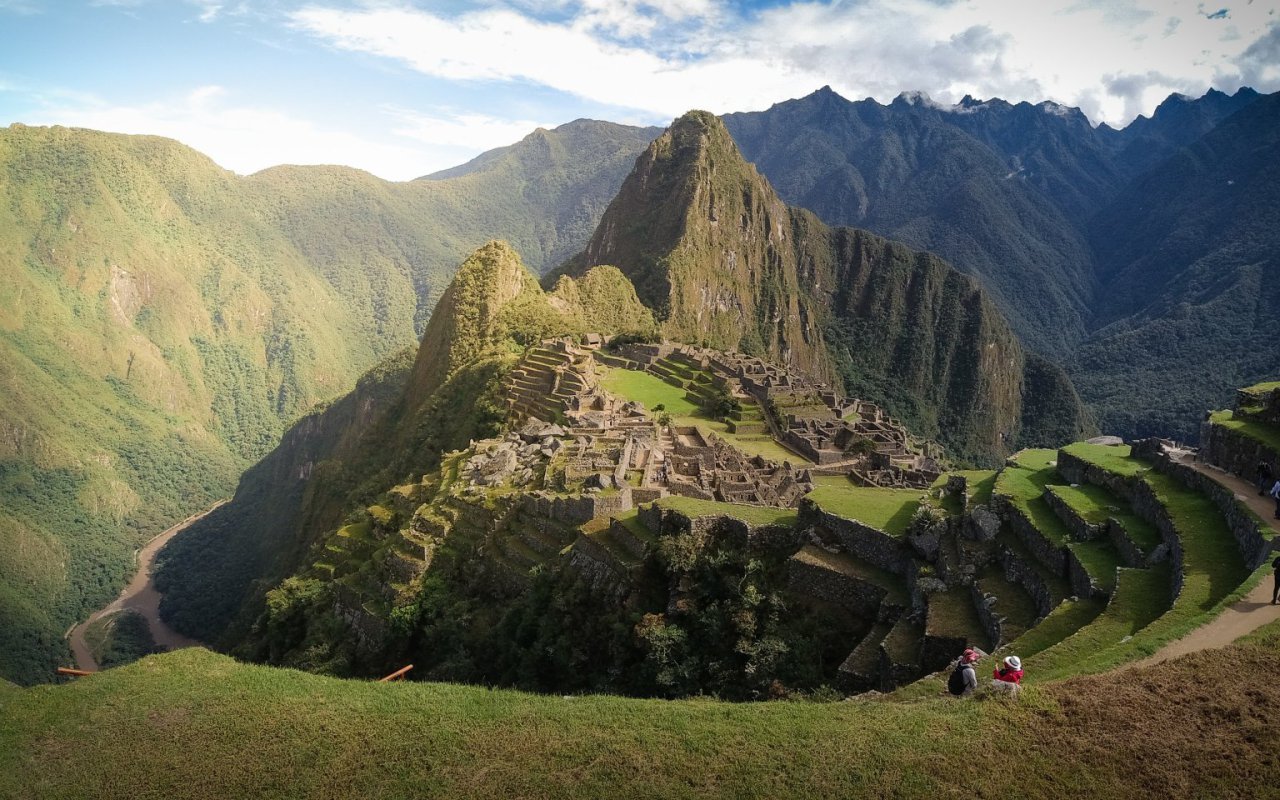
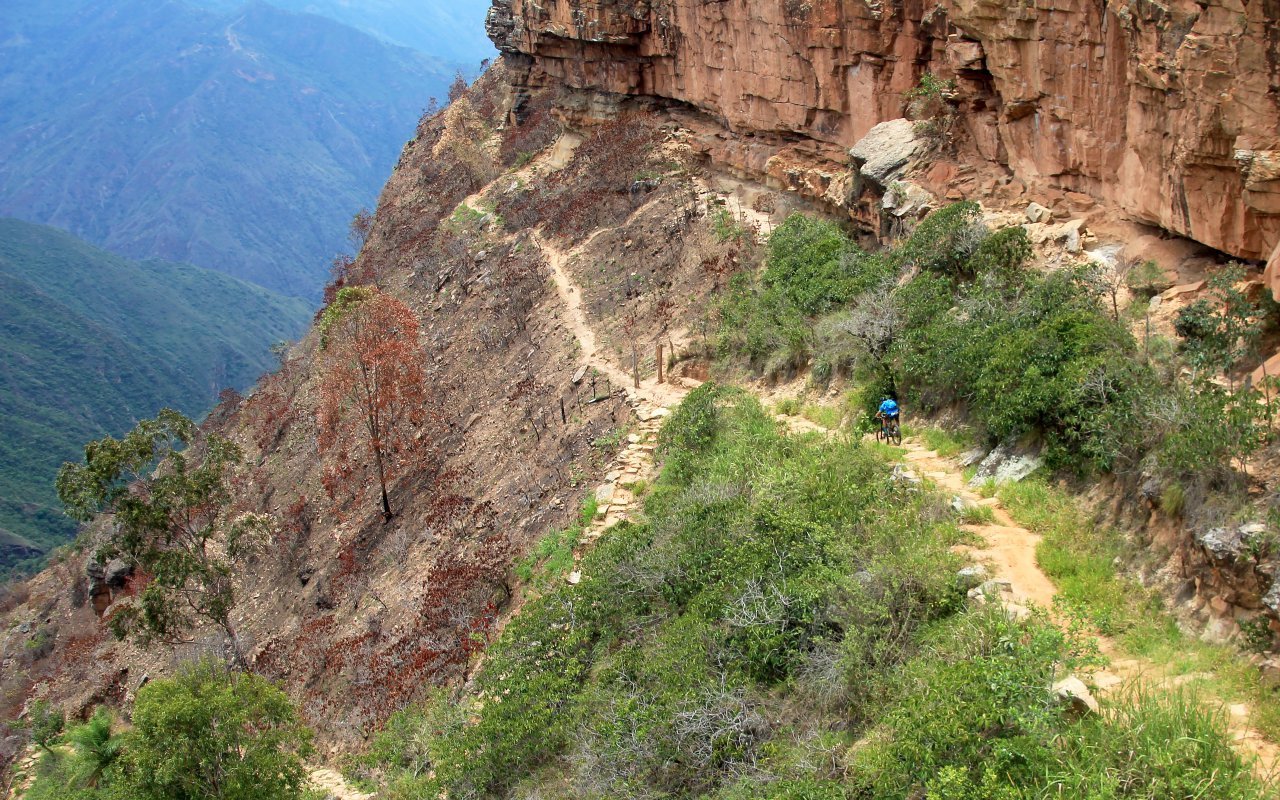
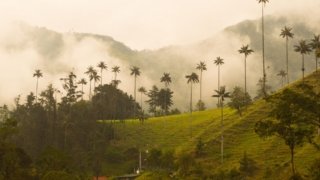
Given the country’s geographical make-up, with the Andes mountains running right through it, the tropical mountain climate is very present in Colombia. In these regions, the climate varies greatly according to altitude. The lowest floors, between 1,000 and 2,000m, offer pleasant, temperate temperatures (as in Medellin, nicknamed the “city of eternal spring”). Rainfall is seasonal, with high levels from September to December and April to June, and low levels the rest of the year. The higher the altitude, the lower the temperatures, reaching a cold, wet climate known as “paramo” on the Andean high plateaus, at around 3,000m.
The icy climate
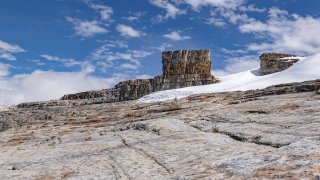
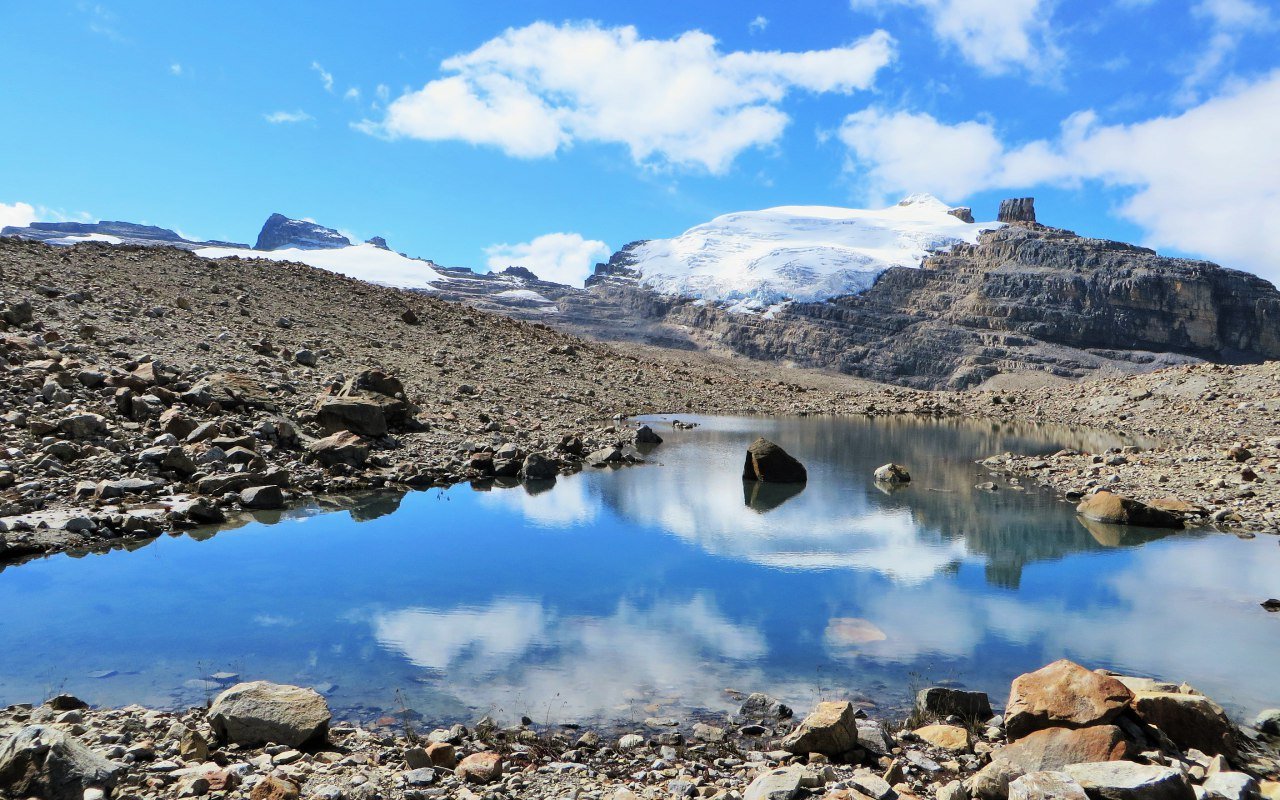
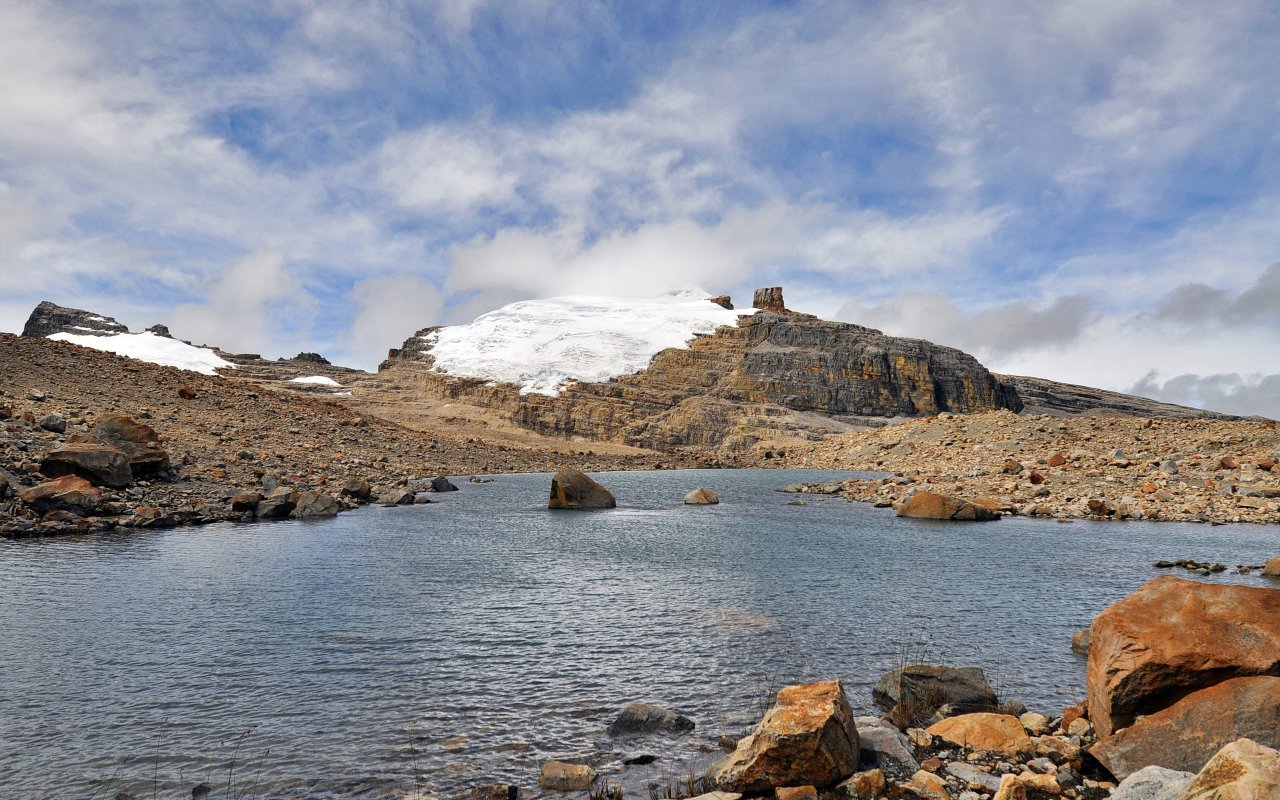
Above 4,000m, an icy climate prevails on the peaks of the Andes Cordiere and Sierra Nevada mountains. What’s more, these glaciers are on the brink of extinction due to global warming, and if they were to disappear, they could well pose water supply problems for the surrounding valleys.
Semi-arid climate
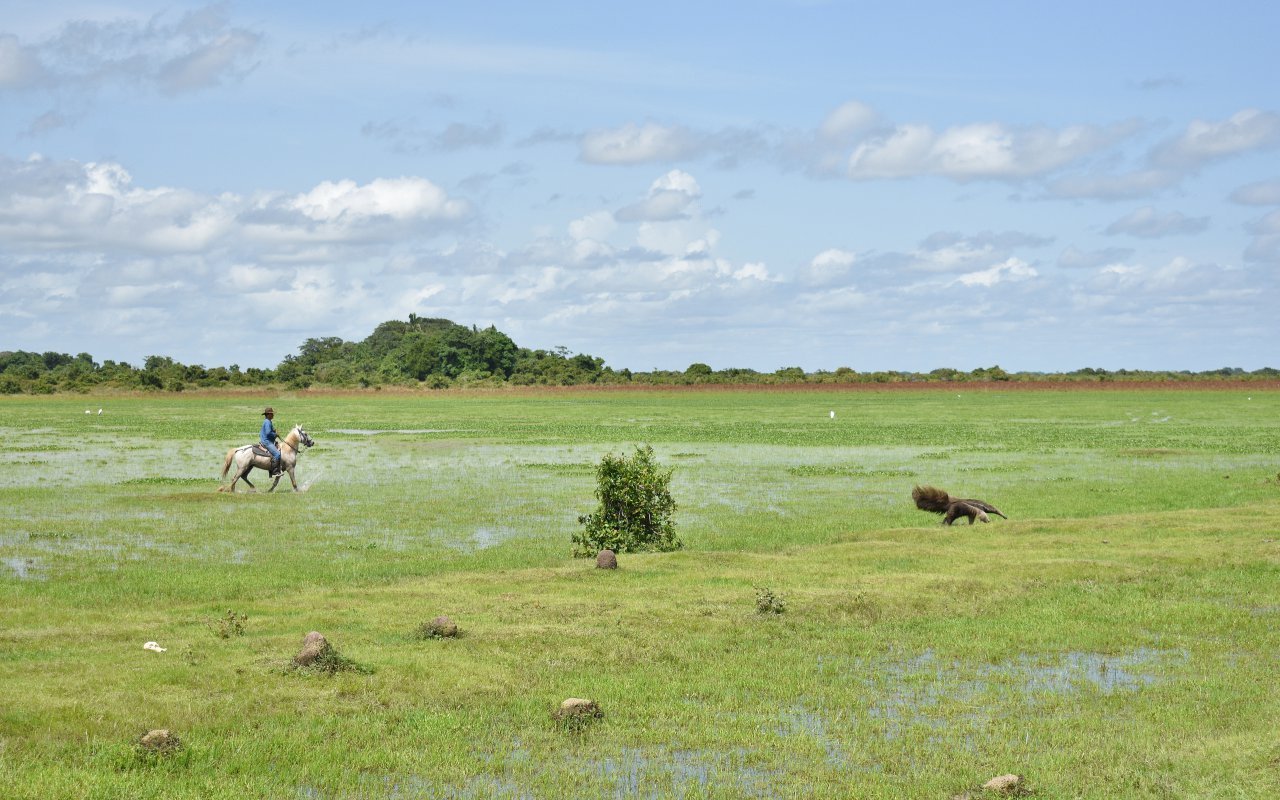
This climate can be considered that of the tropical steppes. This rather dry climate is home to little vegetation due to low rainfall. It is found in the Bolivar and Llanos plains, where many wild animals live peacefully far from urban life.
The desert climate
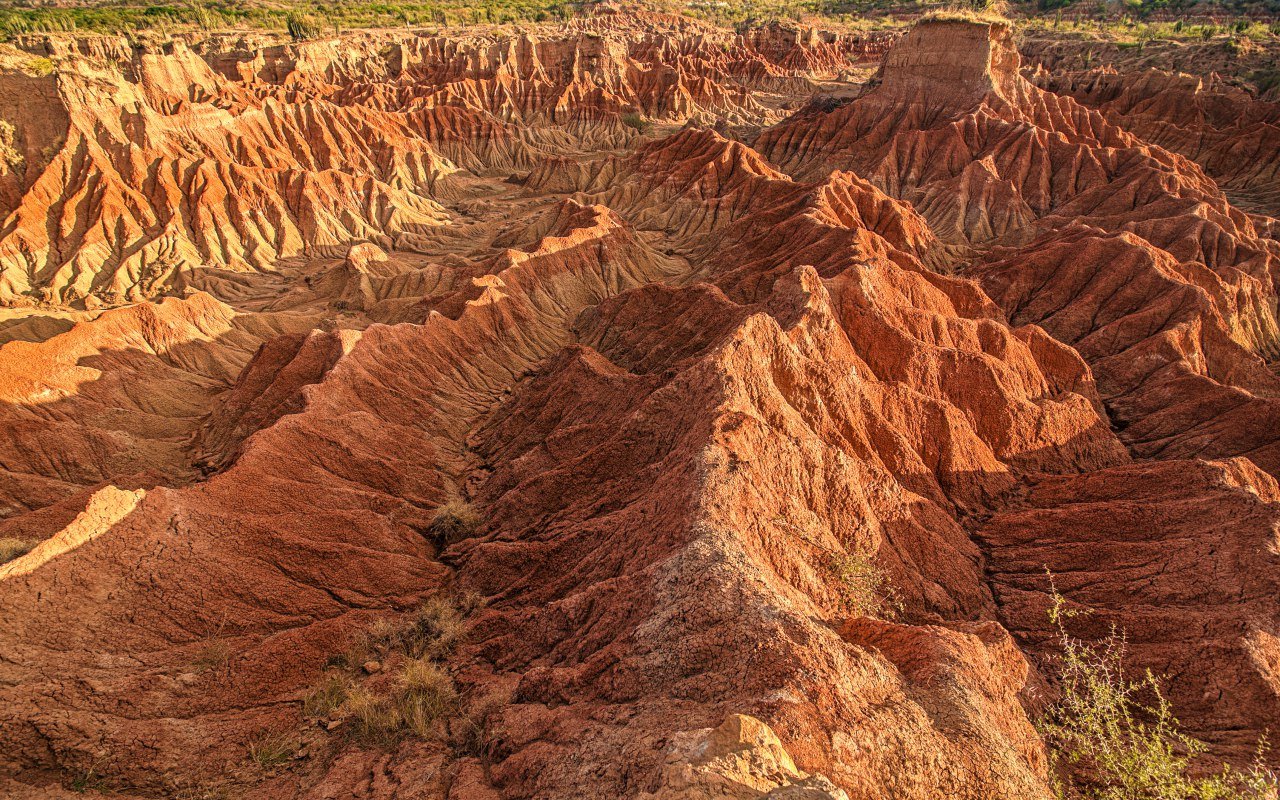
High temperatures at low altitudes and very low levels of precipitation have created desert microclimates in some parts of the country. Life becomes very scarce on these dry lands devoid of vegetation. This phenomenon can be observed in the Tatacoa desert and the Guajira region.
Despite the clear identification of these different climates, the weather in Colombia remains generally uncertain and difficult to predict on a day-to-day basis. You can sometimes be surprised by heavy thunderstorms, especially in the Andean and tropical climates, where the weather during the rainy season can be particularly confusing. Nevertheless, the country’s relatively stable temperature makes Colombia a welcoming tourist destination all year round.