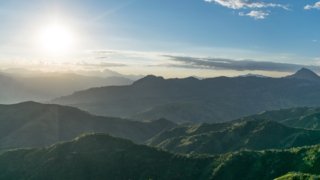
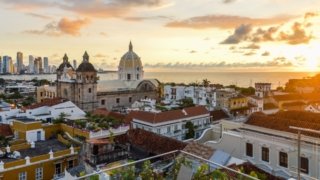
Among the many regions that make up Colombia, the coffee-growing area is a must, and the Coffee Route is an itinerary not to be missed. Characterized by coffee plantations as far as the eye can see, with snow-capped peaks as a backdrop, the “coffee triangle” can be discovered around the towns of Manizales (Caldas), Armenia (Quindio) and Pereira (Risaralda).
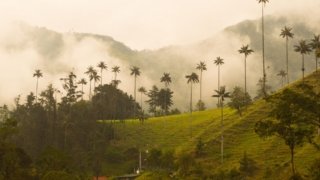
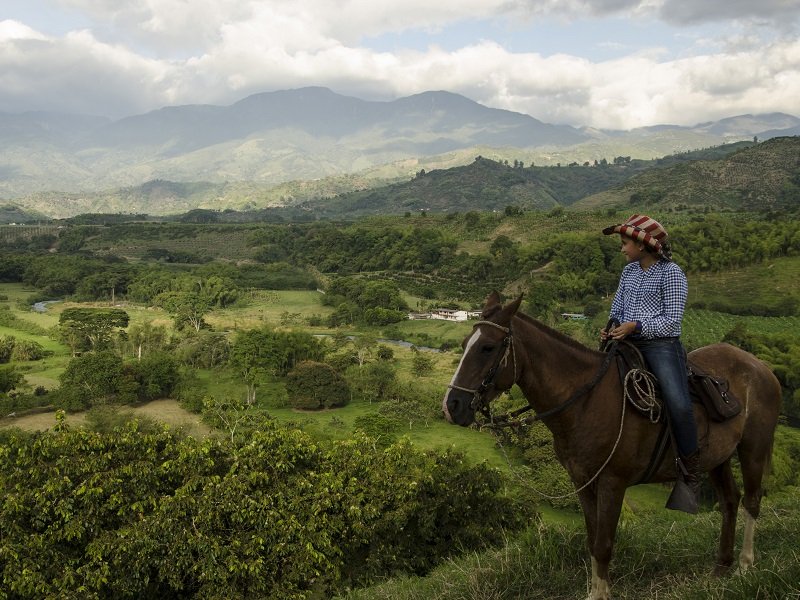
Here, you can visit or even stay in a traditional hacienda and learn all about the coffee culture, explore the Cocora Valley with its gigantic wax palms by Willys Jeep, on foot or on horseback, hike the glaciers of the Parc de los Nevados and stroll through the colorful village streets of Salento. The region is ideal for horseback riding, nature walks and relaxing breaks..
Some tours along Colombia’s coffee route
Andean and colonial Colombia : on the gold and coffee route
Family tour in Colombia: Coffee & Caribbean
Peru and Colombia tour : the coffee and cocoa route
Colombia must-see tour in 15 days
Introducing the Colombian coffee region
The coffee region, known as Eje Cafetero (Coffee Axis) in Spanish, is one of Colombia’s most emblematic destinations. Situated in the foothills of the Central Andes, between 1,200 and 2,000 meters above sea level, this mountainous area of green hills produces almost 10% of the world’s supply of Arabica coffee.
The coffee triangle comprises three distinct departments: Caldas with its capital Manizales, Quindío with its capital Armenia, and Risaralda with Pereira as its urban center. This region of some 13,000 square kilometers combines spectacular mountain scenery, preserved colonial villages, exceptional biodiversity and a living coffee tradition handed down from generation to generation.
In 2011, UNESCO declared Colombia’s Coffee Cultural Landscape a World Heritage Site, in recognition of the exceptional effort made by coffee growers to develop a coffee culture adapted to the difficult mountain conditions, while preserving the environment and the region’s architectural and social traditions.
The region’s climate, characterized by year-round temperatures ranging from 18 to 24 degrees and regular rainfall, creates ideal conditions for growing high-altitude coffee. These climatic conditions, combined with the fertile volcanic soils, enable us to produce an Arabica coffee renowned worldwide for its excellent taste.
Geography and climate: a land of mountains and valleys
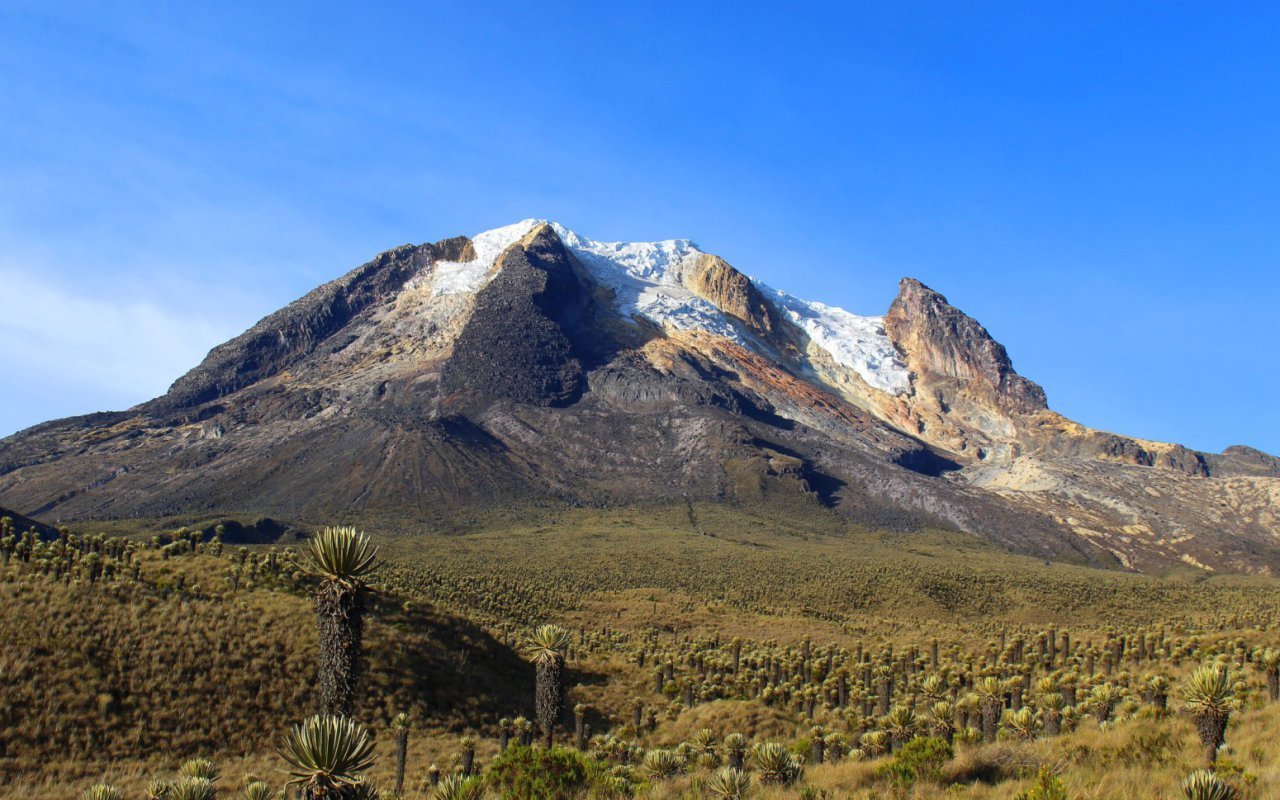
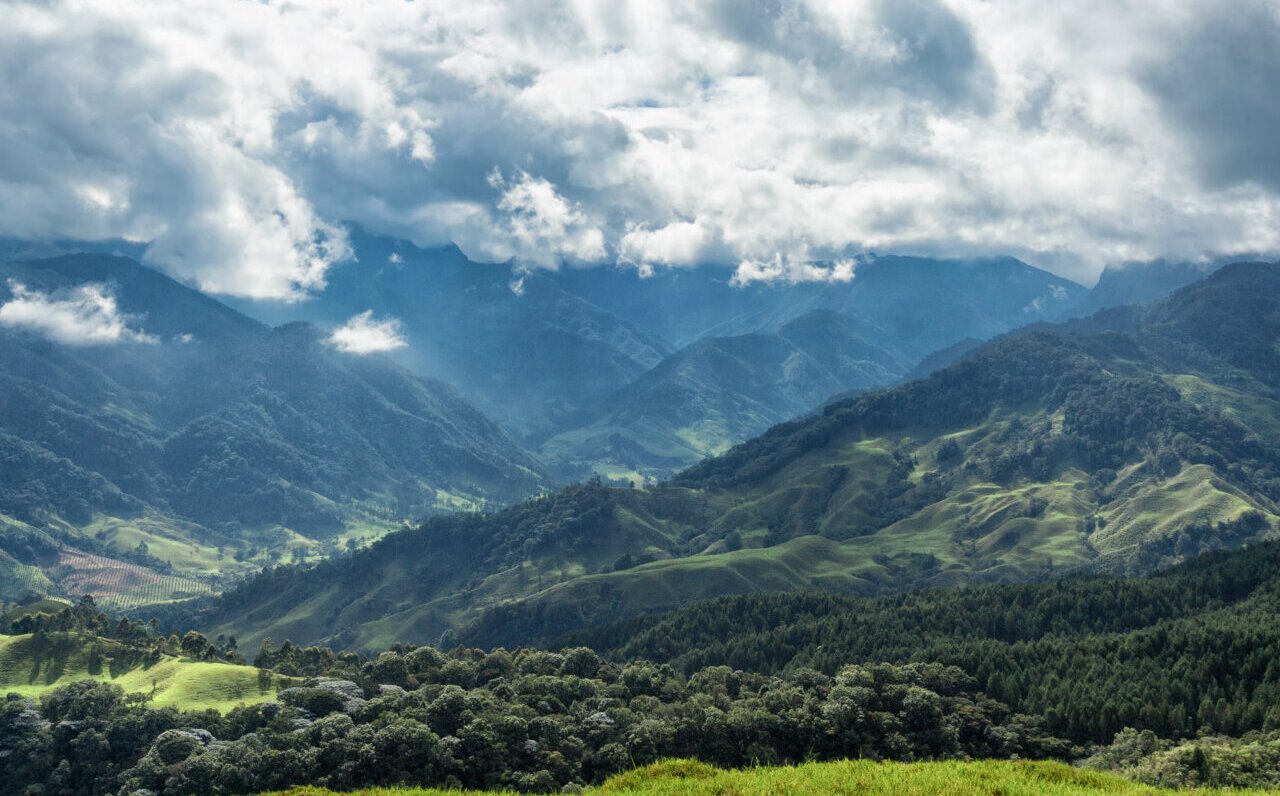
The geography of Eje Cafetero is characterized by rugged terrain shaped by volcanic activity. The Los Nevados National Natural Park, located in the heart of the region, is home to several peaks over 5,000 meters high, including Nevado del Ruiz (5,321 meters), Nevado del Tolima (5,215 meters) and Nevado de Santa Isabel (4,950 meters). These snow-capped volcanoes create a striking contrast with the green valleys covered with coffee plantations.
The region’s steep-sided valleys are home to a remarkable diversity of ecosystems. The Cocora valley, near Salento in Quindío, is the natural habitat of the wax palm (Ceroxylon quindiuense), Colombia’s national tree, which can reach 60 meters in height. These giant palms, among the tallest in the world, create unique landscapes where their slender silhouettes stand out against a backdrop of misty mountains.
The region’s climate varies according to altitude. The coffee-growing areas, situated between 1,200 and 2,000 meters, enjoy a temperate climate with average temperatures of 20-22 degrees. The higher zones, around 2,500-3,000 meters, have a cooler climate where the páramo, a high-mountain ecosystem typical of the tropical Andes, thrives. Above 4,000 meters, permanent glaciers cap the volcanic peaks.
The region has two drier seasons (December-March and July-August) and two wetter periods (April-June and September-November), although rainfall remains steady throughout the year. This distribution of rainfall allows two annual coffee harvests, a feature that distinguishes Colombia from other coffee-producing countries.
Cultural heritage: the paisa culture and coffee heritage in Colombia
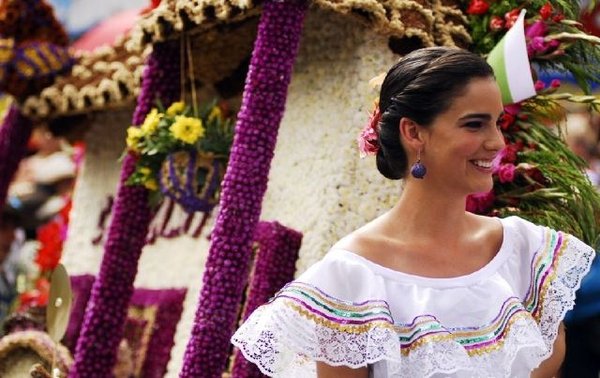
The coffee region embodies the heart of the paisa culture, the term used to describe the inhabitants of the departments of Antioquia, Caldas, Quindío and Risaralda. This strong cultural identity is reflected in the architecture, gastronomy, traditions and lifestyle of the local people.
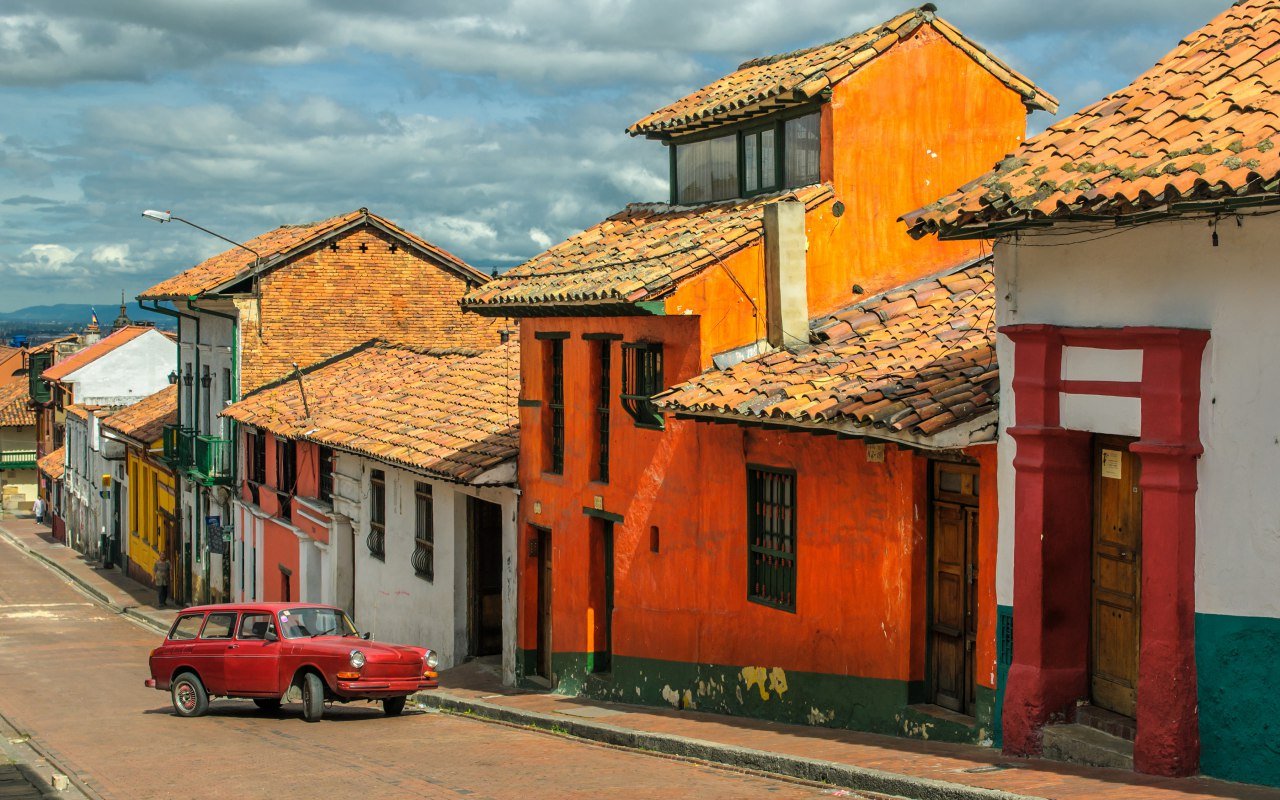
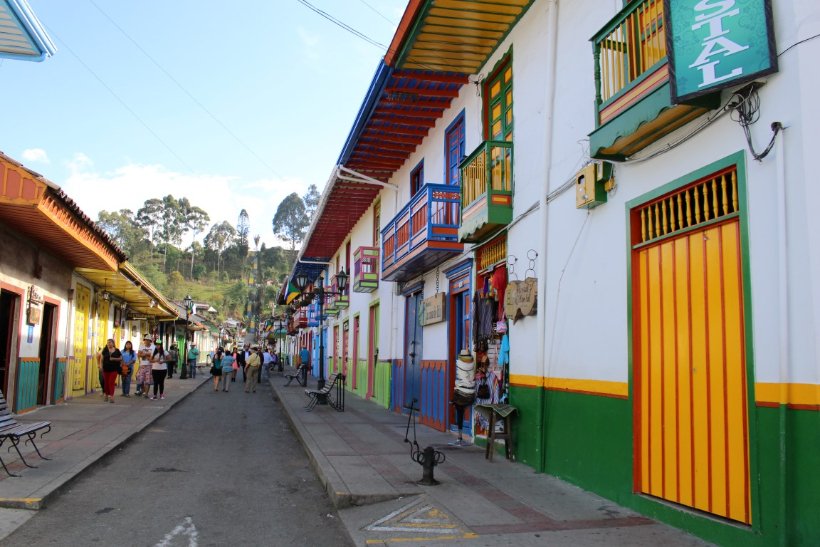
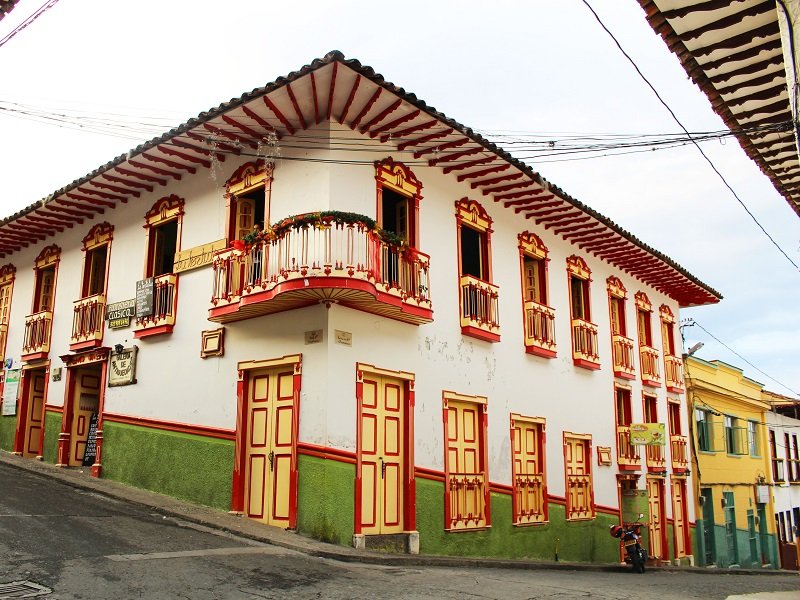
The region’s traditional architecture is characterized by houses built in bahareque (cob), a construction technique using a bamboo lattice (guadua) filled with earth. Red clay tile roofs, carved wooden balconies and colorful facades create a harmonious urban landscape that can be found in every village in the region. This architecture, developed in the 19th and early 20th centuries, is perfectly suited to the area’s climatic and seismic constraints.
The region’s heritage villages, such as Salamina, Pijao and Salento, have preserved their colonial urban layout, organized around a central square with a church and administrative buildings. These public spaces remain the heart of social life, meeting places where residents gather at the end of the day.
Coffee growing has had a profound impact on the region’s identity. Introduced to Colombia in the 18th century, coffee developed in this mountainous region during the 19th century, gradually replacing traditional crops. Unlike other coffee-producing countries, where large plantations dominate, the Colombian coffee region is characterized by the predominance of small family farms cultivating between 1 and 5 hectares. This agrarian structure has shaped a particular social model in which coffee growers own their land and pass on their know-how from generation to generation.
The National Federation of Coffee Growers of Colombia, founded in 1927, has played a crucial role in the development and promotion of Colombian coffee. The Juan Valdez character, created in the 1950s, has become the global emblem of Colombian coffee, embodying the producer’s commitment to the quality of his product.
Villages and towns: nerve centers of the eje cafetero region
The three main towns
Manizales, capital of the Caldas department, perches at an altitude of 2,150 metres on the flank of the Nevado del Ruiz volcano. Founded in 1849, this city of 400,000 inhabitants is the gateway to Los Nevados National Park. Its modern architecture contrasts with the surrounding colonial villages, the result of the fires that ravaged the city in the early 20th century. The Manizales Cathedral, built in concrete in a neo-Gothic style and completed in 1939, dominates the urban landscape. Every January, the city hosts the Feria de Manizales, a major bullfighting and cultural festival attracting visitors from all over Colombia.
Pereira, capital of Risaralda department, has a population of around 470,000 and is the economic center of the region. Situated at an altitude of 1,411 meters, the city serves as a transport hub with its Matecaña international airport providing daily flights to Bogotá, Medellín and other Colombian cities. Pereira has a more commercial face than its neighbors, but remains an ideal base for exploring the surrounding area, including the Parc Ucumarí, a nature reserve home to exceptional biodiversity, including the endangered spectacled bear.
Armenia, capital of Quindío, remains the smallest of the three main cities, with around 300,000 inhabitants. Founded in 1889, it was largely rebuilt after the devastating earthquake of 1999, which destroyed much of the city. Armenia is a natural gateway to Salento and the Cocora Valley, the region’s most visited destinations.
Colonial villages and pueblos patrimonio
Beyond the cities, the region boasts many unspoilt villages where time seems to stand still.
Salento, an emblematic Quindío village, attracts thousands of visitors for its colorful alleyways, craft stores and proximity to the Cocora Valley. Its well-preserved Bahareque architecture and lively central square make it an unmissable stopover, although the rapid tourist development of the last decade has somewhat transformed its authentic character.
Filandia, just a few kilometers from Salento, offers a quieter alternative. Perched on a hill at an altitude of 1,920 metres, this village with its colourful white facades boasts a mirador offering panoramic views over the Quindío valley and, on a clear day, the snow-capped peaks of the volcanoes. The town’s peaceful atmosphere is ideal for strolling along its cobbled streets and sitting on a café terrace to observe local life.
Pijao, less crowded than Salento, retains an authentic rural atmosphere. This small Quindío village has been awarded the title of Pueblo Patrimonio, a recognition granted by the Colombian government to localities of exceptional historical and architectural interest. Its traditional houses, quiet streets and friendly people will appeal to travelers in search of authenticity.
Salamina, in the department of Caldas, is perhaps the most beautiful village in the region. Declared a National Monument in 1982, Salamina retains a remarkable architectural heritage with its Bahareque houses adorned with carved wooden balconies, the legacy of master craftsman Eliseo Tangarife who developed a unique decorative style in the 19th century. Less touristy than Salento, Salamina offers an immersion in traditional paisa culture, enhanced by the presence of the neighboring village of San Félix giving access to the Samaria Valley, a forest of wax palms preserved from mass tourism.
Coffee economy and production: understanding Colombian coffee
The coffee-growing region generates around 10% of the world’s Arabica coffee production, making Colombia the world’s third-largest producer after Brazil and Vietnam. Unlike these two countries, which produce mainly Robusta, a lower-quality variety, Colombia grows only Arabica, giving priority to quality over quantity.
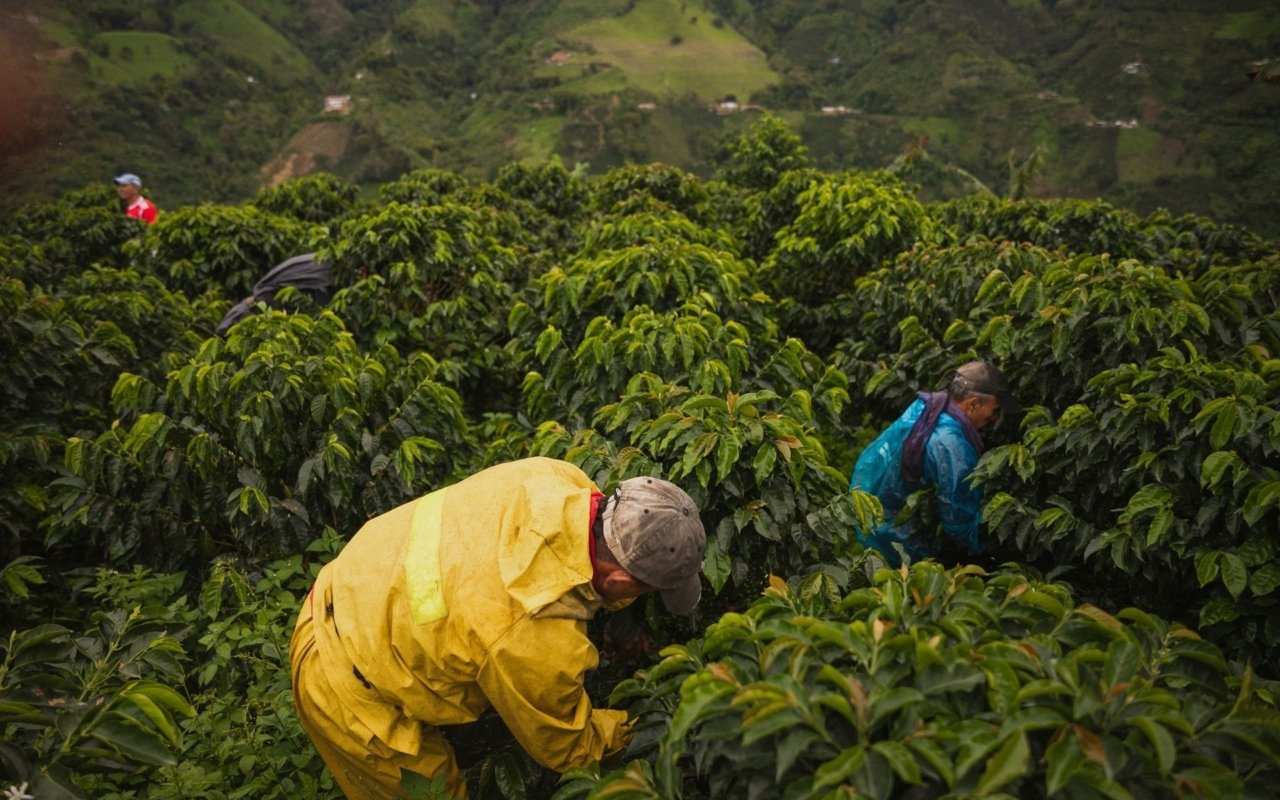
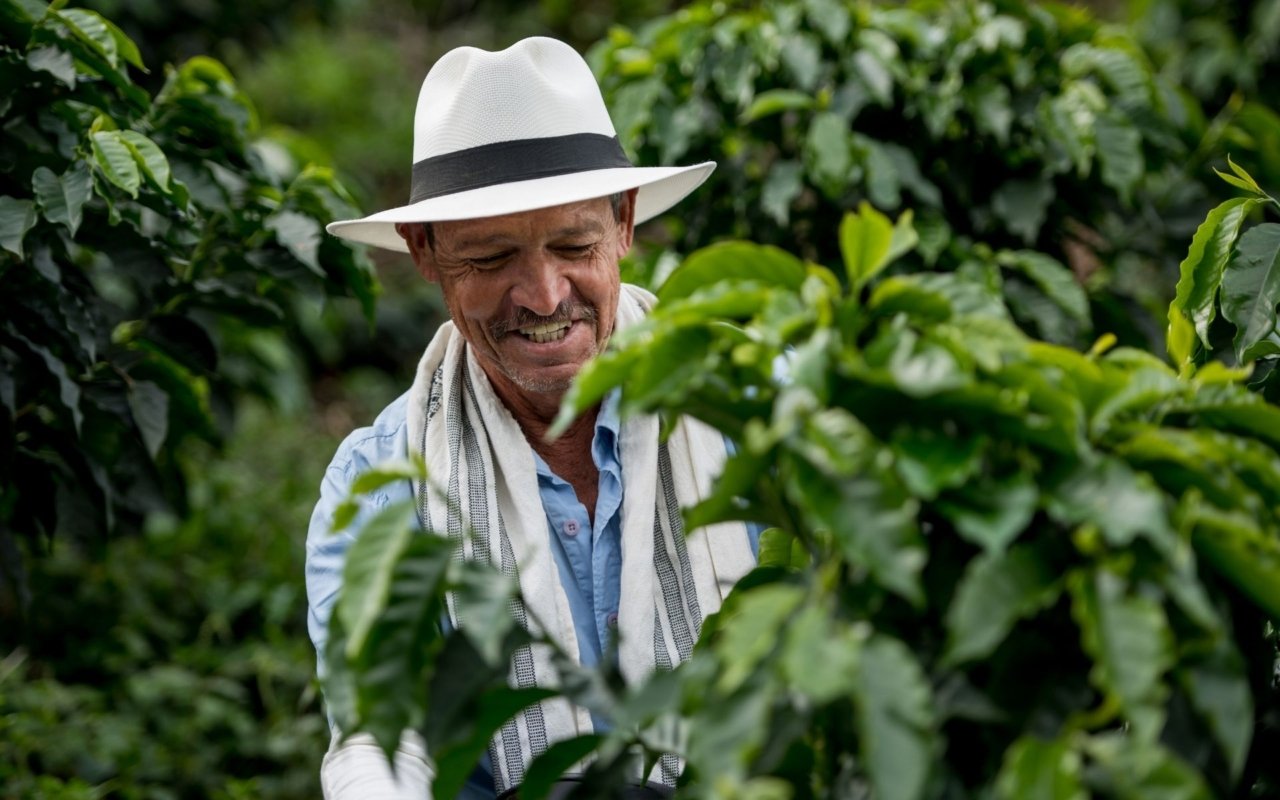
The region’s land tenure structure is characterized by the predominance of small family farms. Around 540,000 families make their living directly from growing coffee in the Eje Cafetero, cultivating an average of 1 to 5 hectares. These small fincas (farms) often practice traditional agriculture, with coffee trees growing in the shade of taller trees (plataneros, avocado), a system that promotes biodiversity and soil preservation.
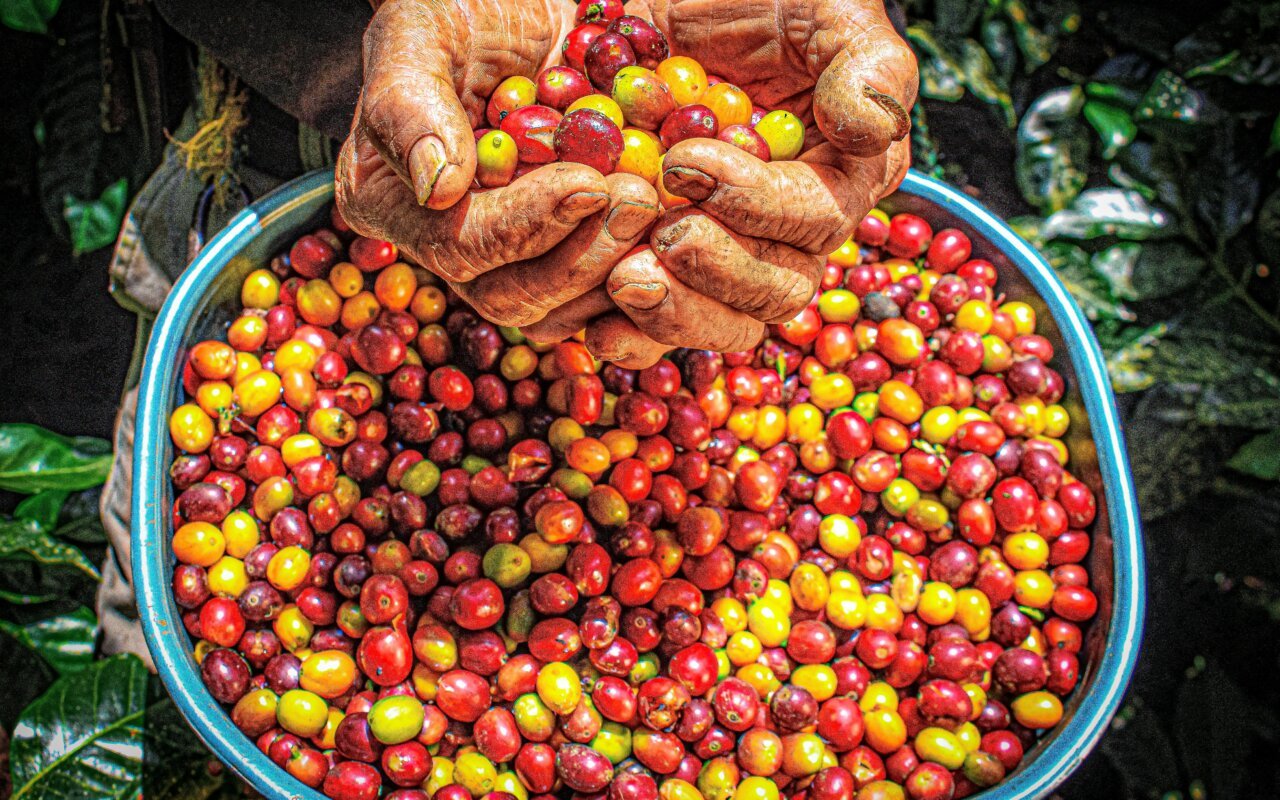
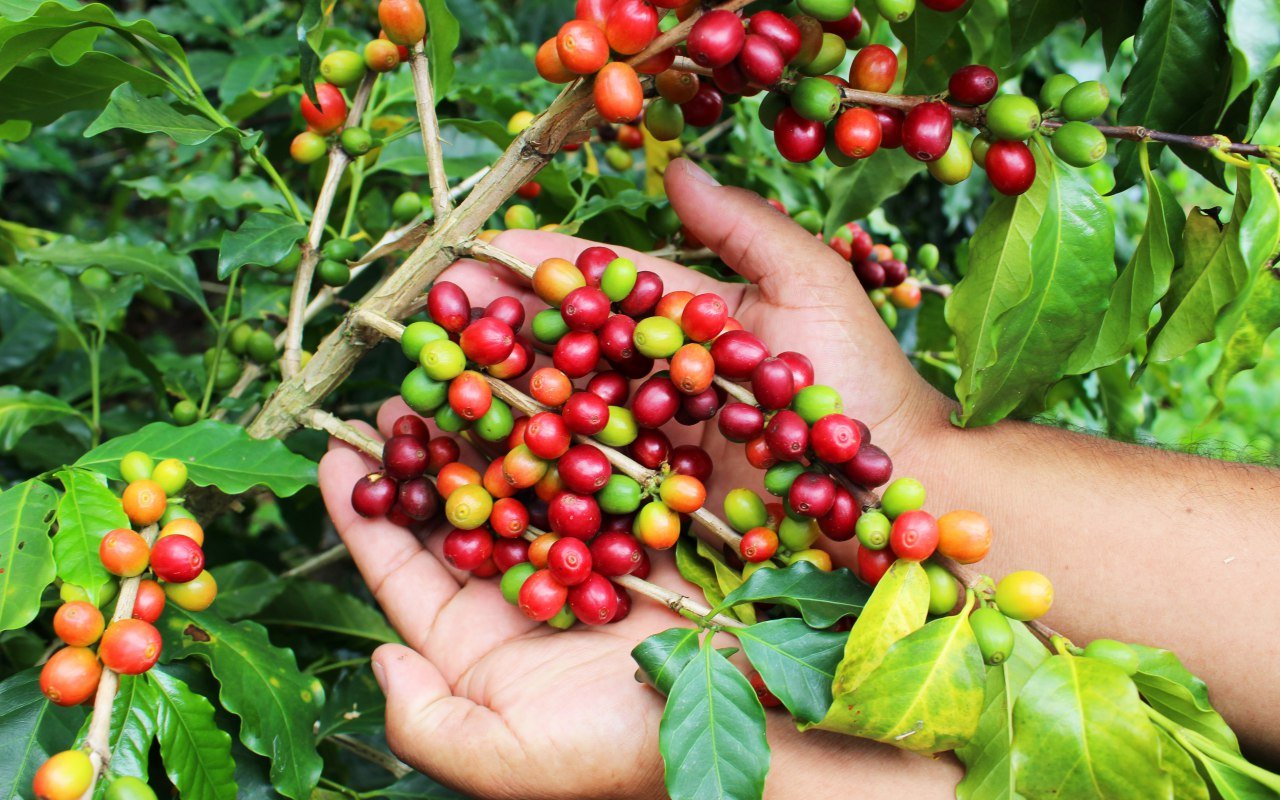
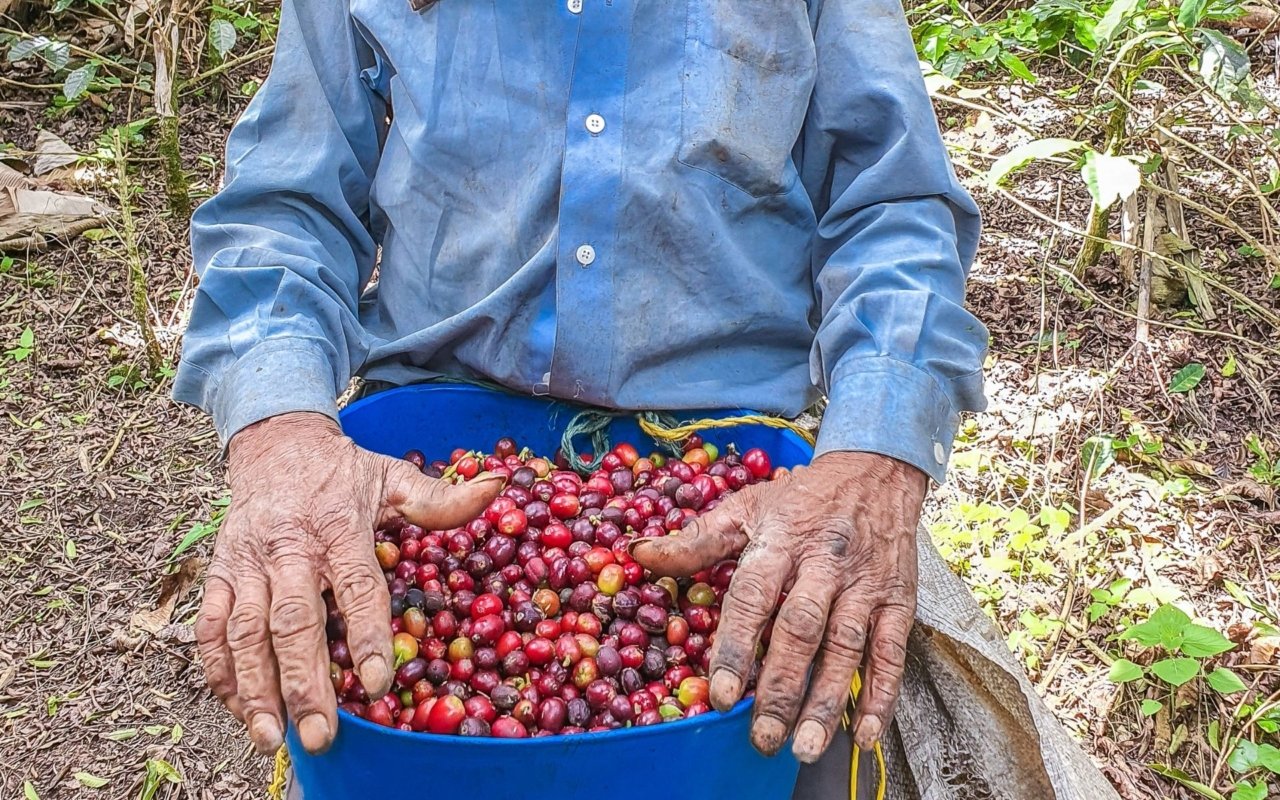
The coffee production process has been handed down from generation to generation. Harvesting is carried out by hand, selecting only the ripest cherries, recognizable by their dark red color. This manual selection, although more costly and labor-intensive, guarantees superior quality. After harvesting, the cherries are pulped to extract the seeds, then fermented, washed and sun-dried on specially equipped patios.
Nevertheless, the region’s economic dependence on coffee poses a number of challenges. Fluctuations in world prices have a direct impact on producers’ incomes, and climate change is altering growing conditions, forcing some growers to plant at higher altitudes. To diversify their income, many fincas have turned to tourism, offering guided tours of plantations, tastings and even accommodation.
In addition to coffee, the region also grows sugar cane, transformed into panela (traditional sugar loaf), plantains, avocados and a variety of market garden produce. Livestock farming, particularly dairy farming, rounds out the region’s agricultural economy.

Biodiversity and ecosystems: the natural wealth of the coffee region
The coffee-growing region is home to a remarkable biodiversity resulting from its geographical position, varied topography and the presence of multiple altitudinal levels creating distinct ecosystems.
The cloud forests, located between 2,000 and 3,200 meters above sea level, are the region’s most characteristic ecosystem. These humid forests, perpetually shrouded in mist, are home to an exceptional epiphytic flora: orchids, bromeliads, mosses and lichens cover the trees, creating an enchanting universe. Colombia is home to over 4,000 species of orchid, many of which thrive in these forests of the coffee region.
The region’s fauna includes over 500 species of birds, making the Eje Cafetero a birdwatcher’s paradise. The hummingbird, present in dozens of different species, is the region’s winged emblem. The toucan, with its distinctive coloured beak, populates the forest areas. More rare and threatened, the yellow-eared parrot (Ognorhynchus icterotis), endemic to Colombia, finds refuge in the wax palm forests, where it nests in the hollow trunks of dead trees.
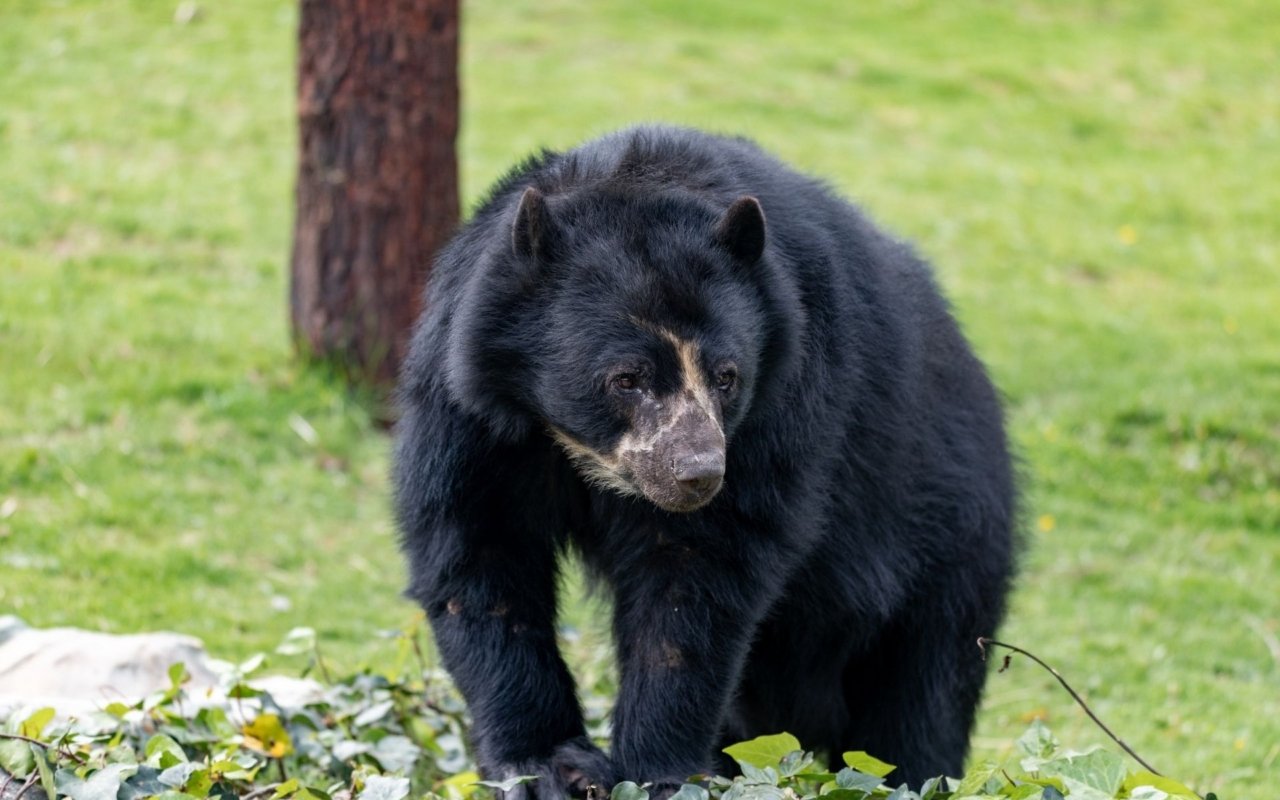
Mammals in the region include the spectacled bear (Tremarctos ornatus), South America’s only ursid, found in páramo areas and high-altitude forests. Shy and difficult to observe, this emblematic animal is the subject of conservation programs. The red howler monkey, the kinkajou, the paca and various species of bat complete the mammalian fauna.
The Colombian paramo
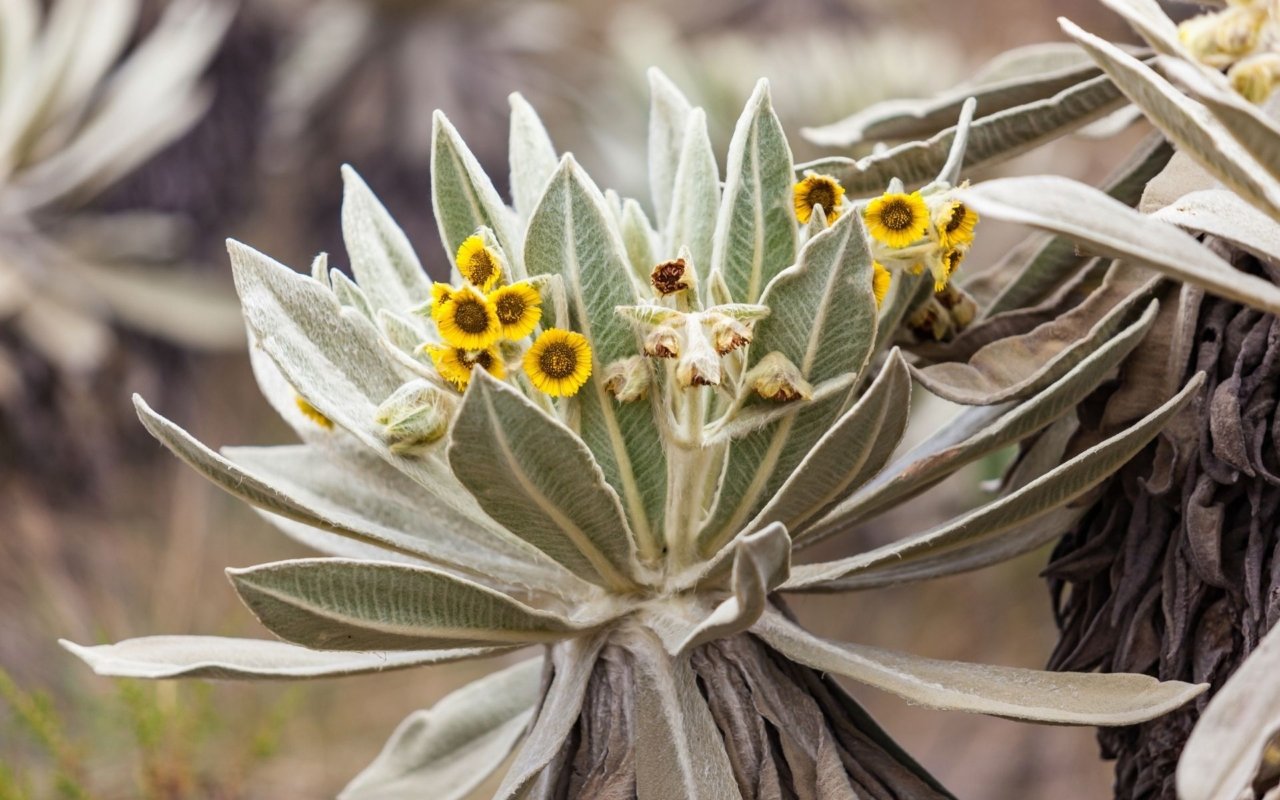
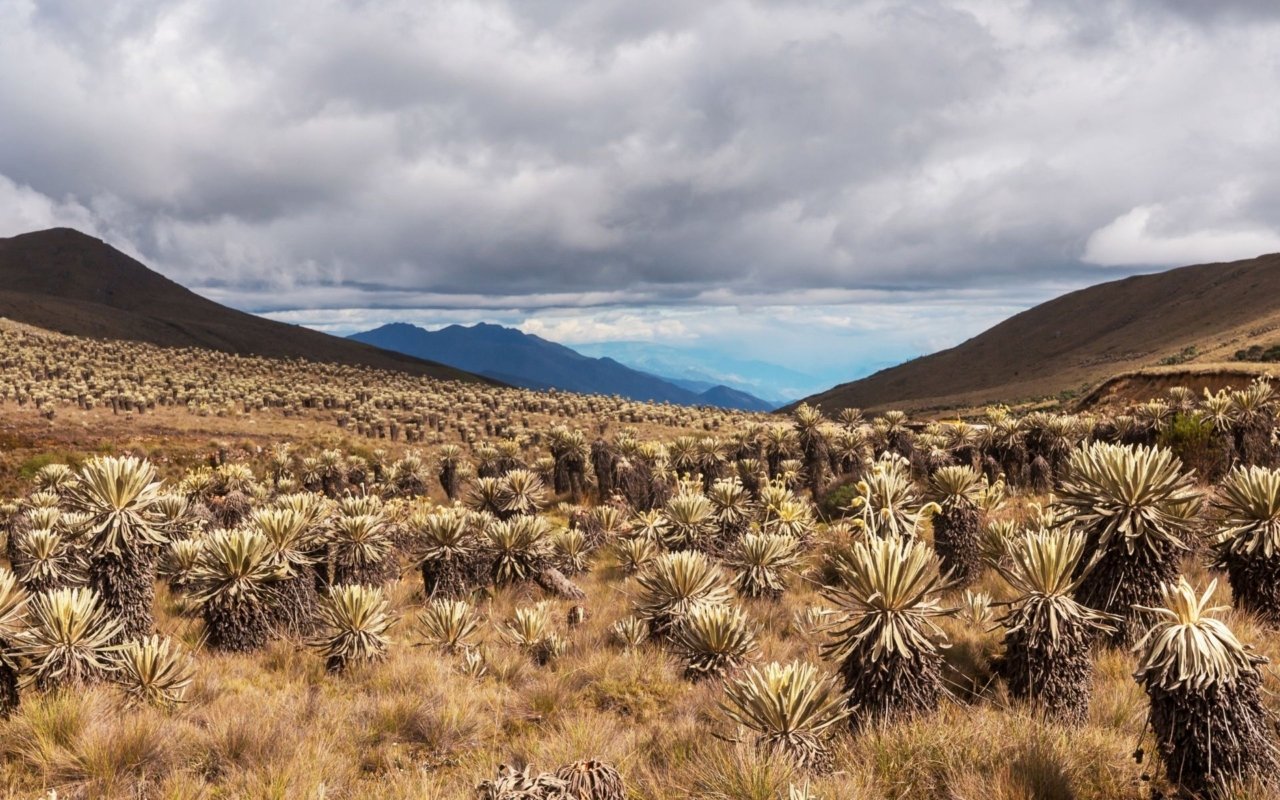
The páramo, a high-mountain ecosystem typical of the tropical Andes, develops at altitudes of between 3,200 and 4,000 meters. Characterized by low plant formations adapted to cold, wind and altitude, the páramo plays a crucial hydrological role, capturing and regulating the water that feeds the region’s rivers. Frailejones (Espeletia), endemic plants with hairy leaves forming giant rosettes, dominate the páramo landscape.
The preservation of this biodiversity faces a number of threats: deforestation to expand cultivation, the use of pesticides in conventional agriculture, and climate change altering high-altitude ecosystems. A number of conservation initiatives are underway, including private nature reserves created by landowners committed to environmental protection.
Discover Colombia’s coffee region
A visit to the coffee region allows you to immerse yourself in the paisa culture and the daily lives of the producers who perpetuate a know-how recognized worldwide.
Between the snow-capped peaks of the Los Nevados volcanoes, peaking at over 5,000 metres, and the verdant valleys covered with coffee plantations, the Eje Cafetero has a very specific geographical diversity. Colonial villages with colorful facades, forests of giant wax palms and high-mountain ecosystems make up a unique cultural landscape that UNESCO has rightly declared a World Heritage Site.
A visit to this region reveals how coffee has shaped not only the economy, but also the social, architectural and cultural identity of an entire territory. The 540,000 families who make their living from this crop pass on techniques adapted to the rugged terrain from generation to generation, prioritizing quality over quantity and preserving a model of small family farms that has become rare on a global scale.
Whether you’re staying in a traditional finca among the coffee trees, exploring the cobbled streets of Salamina or Filandia, hiking through the cloud forests of Los Nevados Park, or simply discovering the complete coffee production process from seed to cup, the coffee region offers a variety of experiences to suit all travelers. This territory harmoniously combines cultural heritage, natural riches and living traditions, creating a destination where time slows down and every encounter reveals the legendary warmth of the Paisa welcome.
Terra Colombia, a local agency based in Medellín, accompanies travellers wishing to discover the Eje Cafetero beyond standard tours.
Our in-depth knowledge of the region, our carefully selected partners from among the finest producers and accommodations, and our commitment to respectful tourism enable us to design tailor-made trips that reveal the true essence of this exceptional region.
Contact our advisors to prepare your immersion in the Colombian Coffee Cultural Landscape.