In northern Colombia, where the desert meets the Caribbean Sea, lies the region of La Guajira, ancestral homeland of the Wayuu. My journey through these wild landscapes plunged me into the heart of the culture of this indigenous community, where every gesture, every weave, tells a profound and vibrant story.
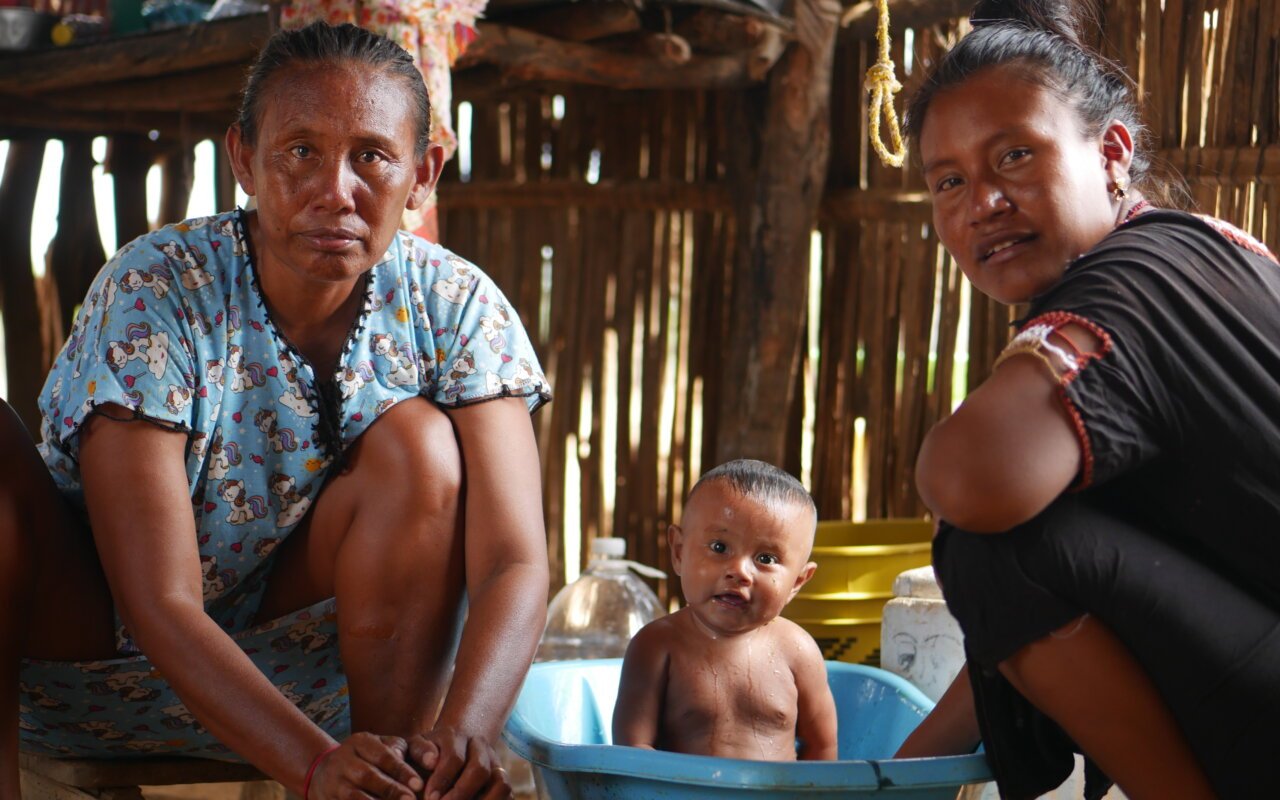
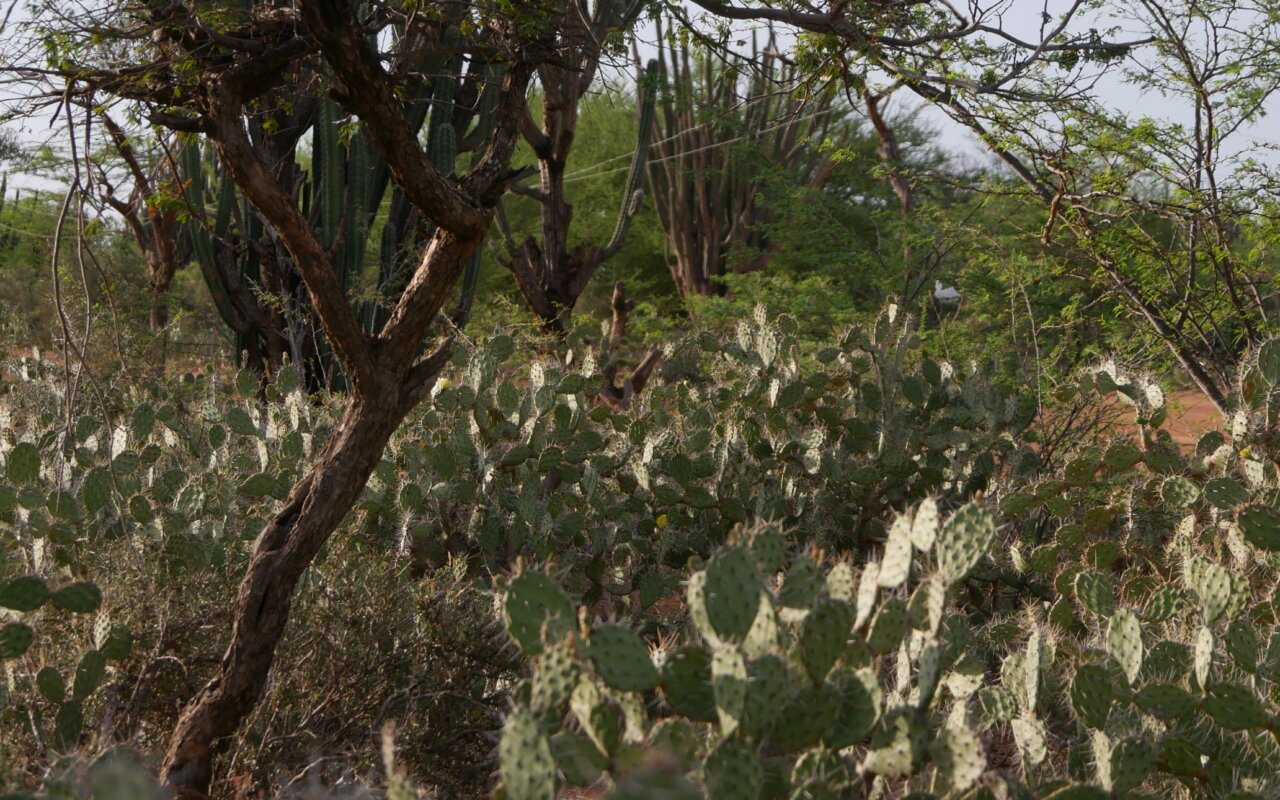
My journey begins in Riohacha , where I set off for several days in the Alta Guajira with my guide Julian. After leaving the jungle of the Tayrona region, we observe a more desert-like vegetation with numerous cacti and sand everywhere. We continue on to the Wayuu clan village of Manaure , where I spend my first night in the region. On arrival, I’m greeted by Miriam, the clan leader, and her family. She quickly takes us into the small house that serves as a kitchen to escape the sweltering heat. The rancherias, typical dwellings of the region, are basic, but have the advantage of keeping cool.Here, Miriam offers me a coffee or an aguapanela, a beverage made from cane sugar and lemon, and we start to talk about our life stories, our similarities, our differences and, above all, our understanding of each other’s cultures. It’s a very interesting exchange for me, discovering a new culture within the very heart of Colombian culture.


Discover the Wayuu way of life
I learn that the Wayuu clan is matriarchal, meaning that the woman is the head of the family. The mother then passes on her power or property to the daughters of the family to reproduce the structure of a female-dominated family.For example, if a man wants to propose to a woman, he must then ask her mother and her mother’s brother for her hand in marriage, but the father is not included. After marriage, the man joins his wife’s clan. If a clan has no female descendants, it is doomed. Within the Wayuu community, roles are divided. The women weave and take care of the household, while the men look after the livestock and ensure the tribe’s security. This complementarity is also evident in community decision-making, where women’s opinions are as much, if not more, respected than men’s.As in many indigenous communities, women are asked to marry at an early age. Miriam explains that, unlike in other indigenous communities, in order to marry a Wayuu woman, there is a ritual of dancing around the fire. Several suitors wait their turn, and to the sound of drums a suitor approaches the fire and begins a backward dance performed in a circle, with fluid, synchronized movements. Each dance step represents an animal, and if the man falls during the dance, it means he is not worthy of the woman. Participants are often dressed in traditional clothing to accentuate the movements, including the manta. Ritual dances are seen as a means of communicating with the spirits, celebrating important events and strengthening community ties.Indeed, Wayuu culture relies heavily on spiritualism and their ancestors. According to Miriam, death is not simply the end of life, but rather a transition to another state of existence. Their spirituality is based on a belief in ancestral spirits and supernatural forces that influence their daily lives. The spirits of the deceased thus continue to exist in the spiritual world, and can interact with the world of the living. This is why, at every ceremony or event, they include their ancestors in their thoughts.The most sacred place in Wayuu clans is the cemetery. They are considered sacred places where the spirits of the ancestors reside. The rituals associated with burials enable the living to maintain a link with their ancestors and preserve ancestral traditions and beliefs. After this very enriching exchange on the Wayuu way of life and their culture, Miriam explains the importance of weaving in the community.


The importance of traditional Wayuu weaving
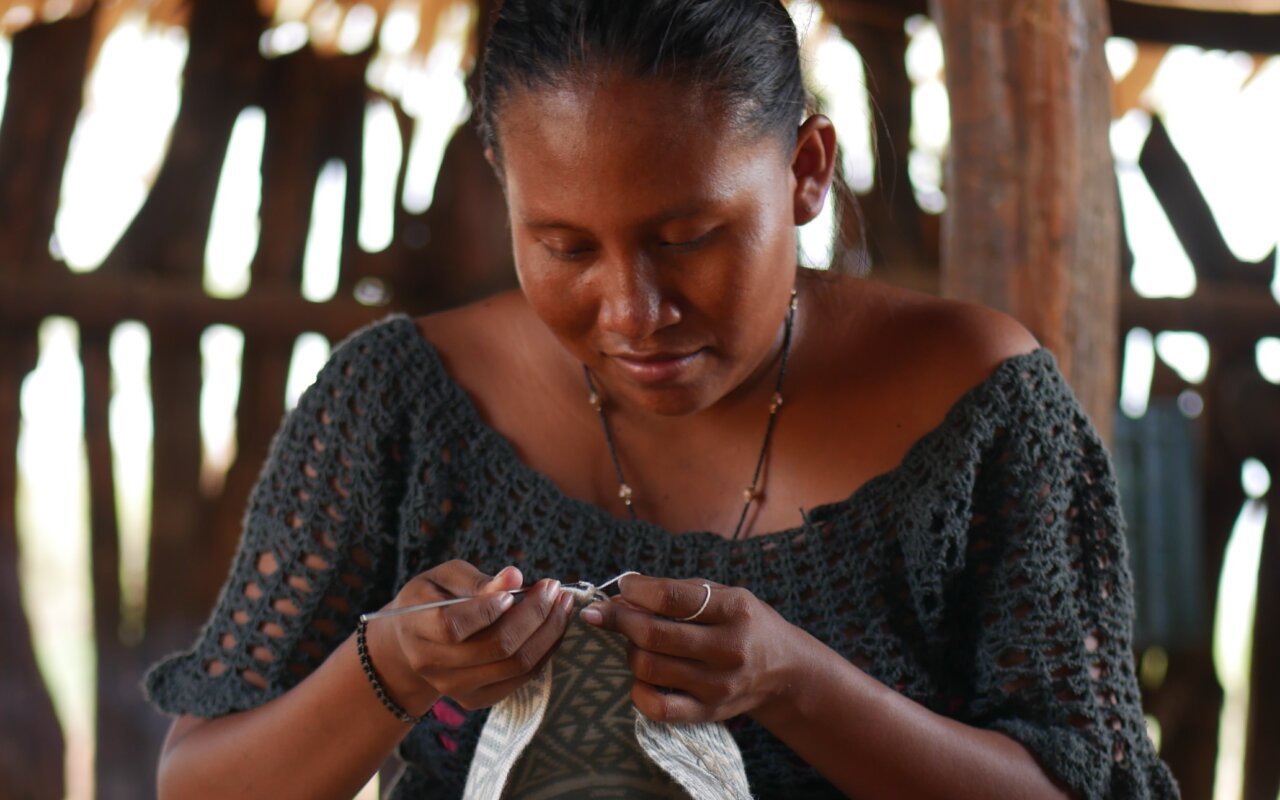
This is at the heart of the Wayuu women’s daily lives. Skilful and patient, they pass on this ancestral know-how from generation to generation. Sitting on the ground, on dry cactus wood or in a hammock, they weave for most of the day,while Miriam and her daughters teach me the art of weaving the typical Wayuu mochila. Ana Luisa, Miriam’s third daughter, helps me create my first little mochila while Miriam finishes hers. I choose the color and she gives me the hook. I learn that every color has a meaning. The most important colors are red, symbolizing passion, but also death, and black, symbolizing the night and therefore dreams, which are of great importance to the community.Each thread seems to carry within it the stories and beliefs of the Wayuu people, a window on their thousand-year-old history.
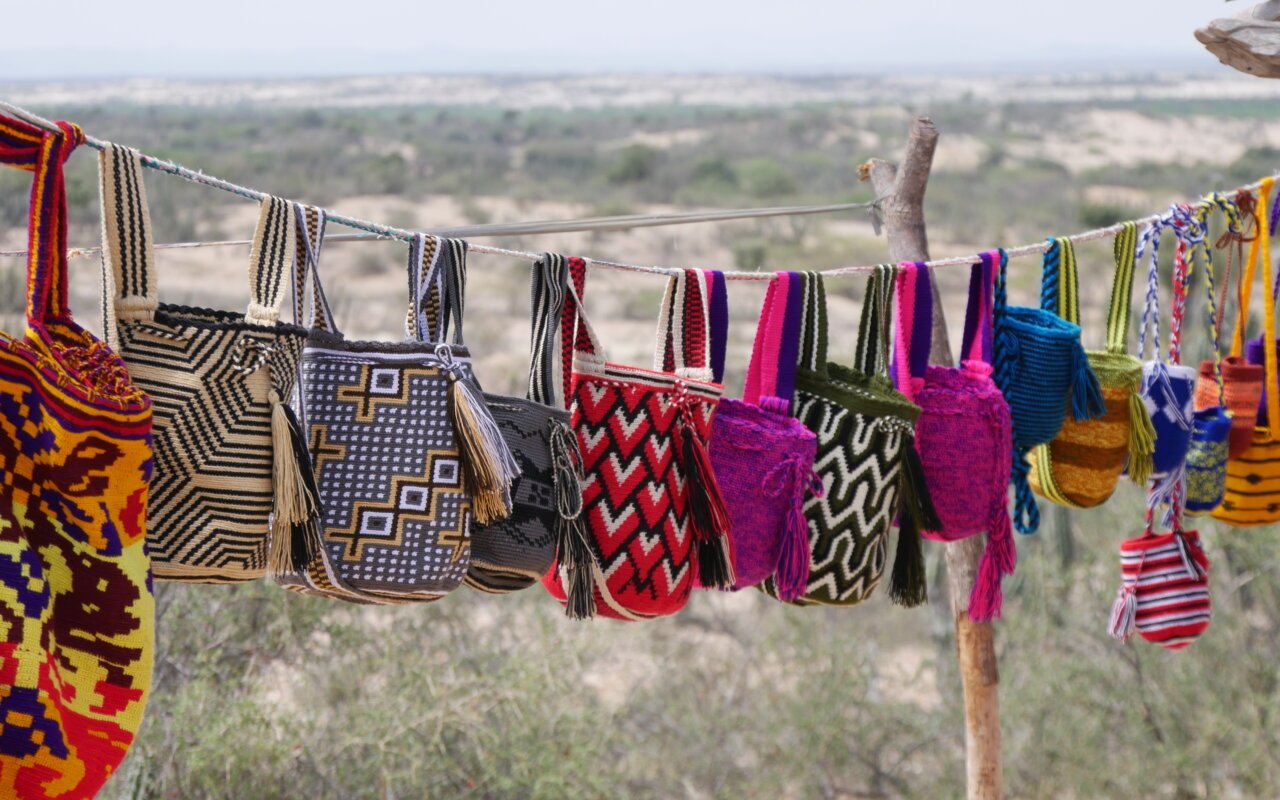
A walk through the Wayuu rancherias
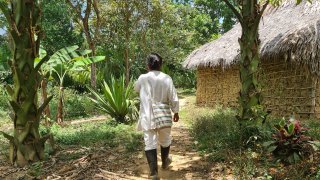
We end the day with a visit to the clan’s other rancherias. It’s a walk among the cacti and goats at sunset, with a refreshing breeze. I chat with Maria, who makes hammocks and other works from second-hand yarn. She collects sweater yarn and rolls it on her leg to make it thicker. We continue our visit and play soccer with Ana Luisa’s sons. The ball is made of torn clothes stuffed into a plastic bag and then sealed with fire. I feel like I’ve taken a break from my daily routine to appreciate these unique moments shared with Osmer and Jhonervis. When we return to our rancheria, I help prepare dinner, which will be based on carrot and tomato salad, rice, manioc and charcoal-cooked goat meat. We dine with a few lights as night falls, then listen to the legends and myths of the Wayuu community, which prepare me for the next day’s journey to Cabo de la Vela.


A night under the stars in Guajira
After our dinner, typical of the region, we set up our hammocks so we can sleep under the stars. Before going to bed, I’m reminded to remember the dreams I have, as they are of great importance in Wayuu culture. I’m awakened at sunrise by a rooster I hadn’t seen the day before, which allows me to observe the superb morning colors in the Guajira. We prepare breakfast by cooking charcoal arepas with pericos: scrambled eggs mixed with tomatoes and spring onions. After breakfast, we set off for Cabo de la Vela. On the way, I think back on this emotionally-charged experience and the enriching exchanges with Miriam that have given me a better understanding of Wayuu culture.


My trip to La Guajira introduced me to a rich and complex culture, where mochila weaving is just one facet among many. Each encounter with the Wayuu has taught me the importance of preserving one’s connection with one’s ancestors and remaining open to other cultures.Living to the rhythm of the seasons and natural cycles is at the heart of Wayuu life. By day, the desert burns under a relentless sun, but night brings welcome relief, with its starry skies and refreshing sea breezes. The villages seem to blend into the landscape, testifying to the harmony between man and his environment.If you too would like to immerse yourself in the discovery of Wayuu culture, see below for examples of holidays that include Guajira 👇