In Latin America, Colombia, more than any other country, is still a land to be cleared. Its nature forces it to do so. From the Chocó region in the west, where the coast is only accessible by air or boat, to the immense plains of the Llanos in the east, stretching as far as the eye can see to the edge of the world’s largest forest, the Amazon, in the south of the country. Colombia abounds in unusual places where the presence of man has been, and continues to be, the exception rather than the rule. These are often forgotten areas, sometimes with a violent history, but which today hold many treasures. By canoe, propeller plane or machete, you’ll have to find your way around, far from the beaten track.
A singular geography
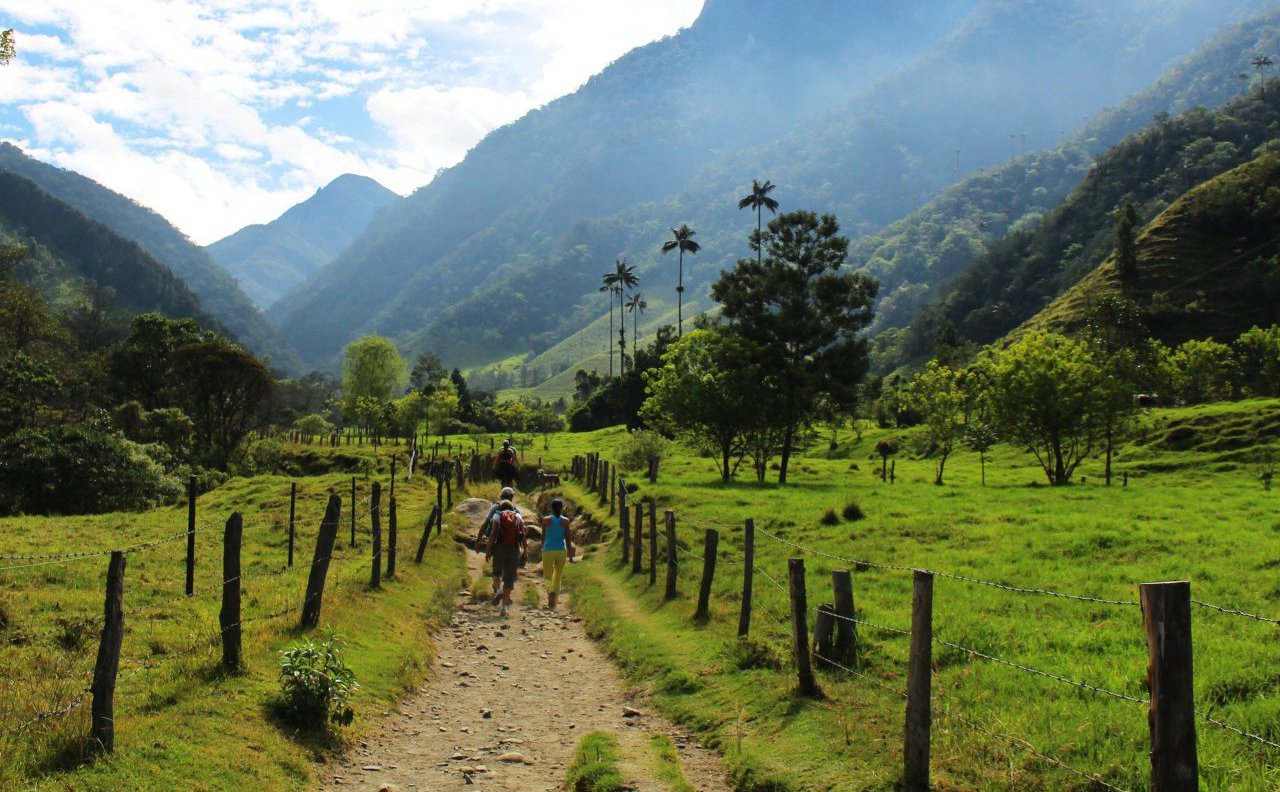
Covering an area of more than a million square kilometers (twice the size of France), Colombia is criss-crossed by the Andes mountain range, which divides into three sections, dividing the country into three parts. Whether in terms of climate, culture or population, Colombia appears very diverse as you move from one region to the next. Relief has played a dominant role in the organization of the territory. Many regions have remained totally isolated from the rest of the country. Even today, with the progress of the transport network, some areas are still preserved and the presence of the State, or anything associated with it, has always been marginal. Initially, the main communication routes were the seas or the great rivers: the Magdalena and the Cauca, for example. Gradually, roads began to develop, but the winding passes that have to be crossed on every journey make for longer journeys. For example, there are 400 kilometers of road between Bogota and Medellin, but it takes almost 10 hours to reach the country’s two largest cities. So imagine for a second what it’s like to reach villages in the southern Amazon? You have to take the back roads, and few tourists do. Terra Colombia takes you on a tour of the four cardinal corners…
Regions still off the tourist routes

Los Llanos
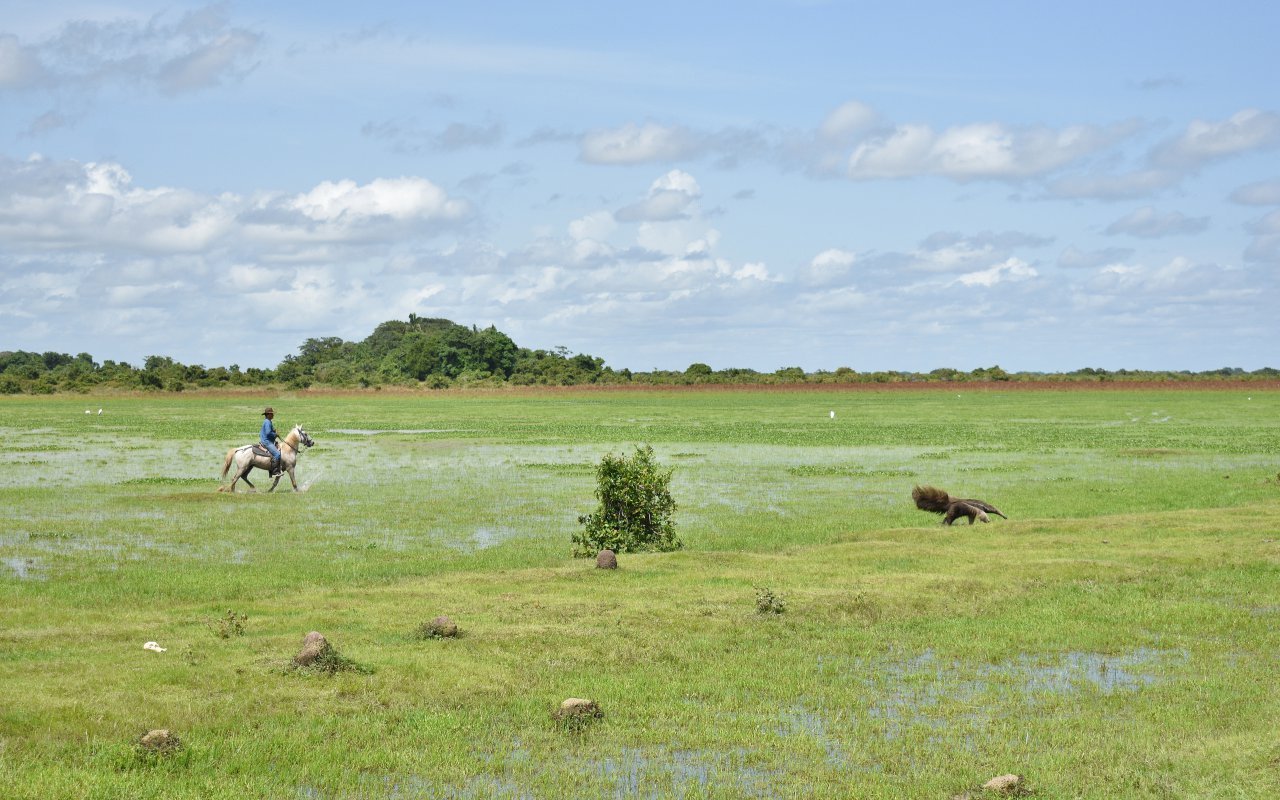
This region, named after the plains (llanos in Spanish), stretches as far as the eye can see into neighboring Venezuela. Los Llanos is an agricultural region straddling the departments of Meta, Vichada, Arauca and Casanare.
They are bursting with water and poetry. While major cities such as Villavicencio and Yopal are just a stone’s throw from Bogotá, it is possible to continue down the Cordillera Oriental to the very edge of this verdant plateau. El Tuparro National Park is a must-see for flora and fauna enthusiasts seeking a glimpse of the immense diversity that characterizes this region. The plains are criss-crossed by rivers such as the Rio Manacias, Guaviare, Orenoque, Inirida and Meta. Departing from Puerto Lopez, Puerto Gaitan or Puerto Carreño, villages stranded on the banks, numerous fishing trips are organized for the more adventurous. A land of cowboys, whose folklore is atypical of Colombia. The llanera music, the joropo (traditional dance) with its guitar and harp tunes, is imbued with nostalgia. The jewel of this region is becoming increasingly accessible: Caño Cristales. A river that turns a thousand colors for part of the year.

El Chocó
At the western end of the country lies a coastal region as fabulous as it is isolated: El Chocó. Extremely humid (with record rainfall), this region borders the Pacific Ocean with its black sand beaches, tinged by rivers.
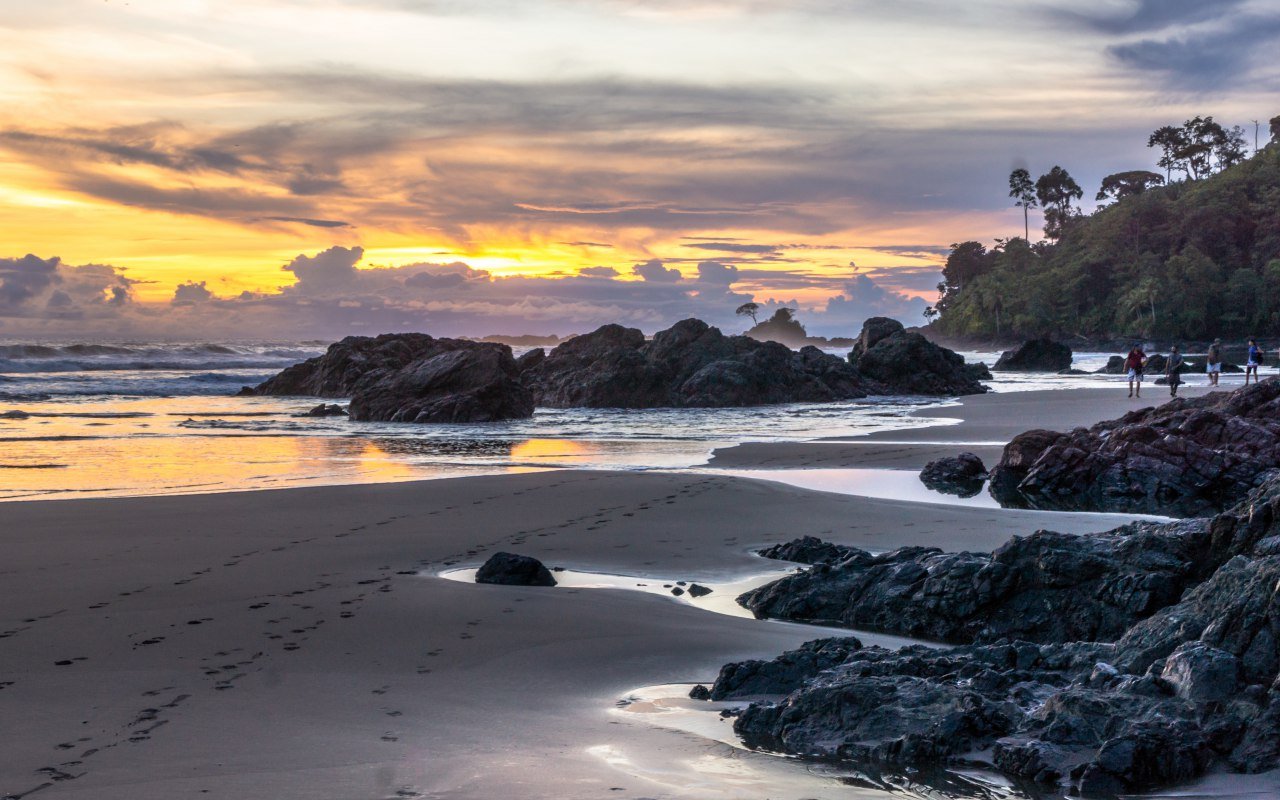
Long torn apart by conflict, Chocó is now increasingly opening up to the rest of the country. The particularity of this coast is that it is not easily accessible. There are no roads through the jungle. You have to get there by “cuckoo” from Medellin, Cali or Quibdo, or by boat from Buenaventura (a good adventure indeed). The area around Bahia Solano is, as its name suggests, very isolated. Tourism is developing slowly, particularly in the El Valle nature reserve. Depending on the season, it’s possible to observe whales, turtles and sharks. A land of Afro-descendants, the local culture is exceptional, rich in musical and ancestral traditions.

Las Lajas
In the south-west, the Putumayo and Nariño regions are not the most popular with tourists. Or those visiting Ecuador. And yet, they abound in little-known spots just as splendid as those in the rest of the country. San Juan de Pasto is the capital of Nariño.
Pastusos are renowned for their hospitality. Every year, the Festival de los Blancos y Negros celebrates Colombia’s mixed-race history and draws large crowds. A stone’s throw from Pasto, the La Cocha lagoon is home to a nature sanctuary on the volcanic island of Corota. For this region is the gateway to the majestic Alley of Volcanoes, which stretches across the Andes to Ecuador. Perched in the mountains towards the border at Ipiales, the medieval-style cathedral of Las Lajas is an architectural treasure. A Christian shrine to Our Lady of the Rosary, it is visited by thousands of pilgrims in September and at Easter. The road to Mocoa, in the Putumayo region, which descends to the edge of the Amazon, is reputedly dangerous but sublime, and is dotted with nature sites for lovers of the great outdoors…
El Darién
On the northern edge of the country, just a few kilometers from the border with Panama, in the north of the Chocó, the El Darien region also offers many possibilities for those who venture there. The region has long been under the yoke of guerrilla and paramilitary groups.
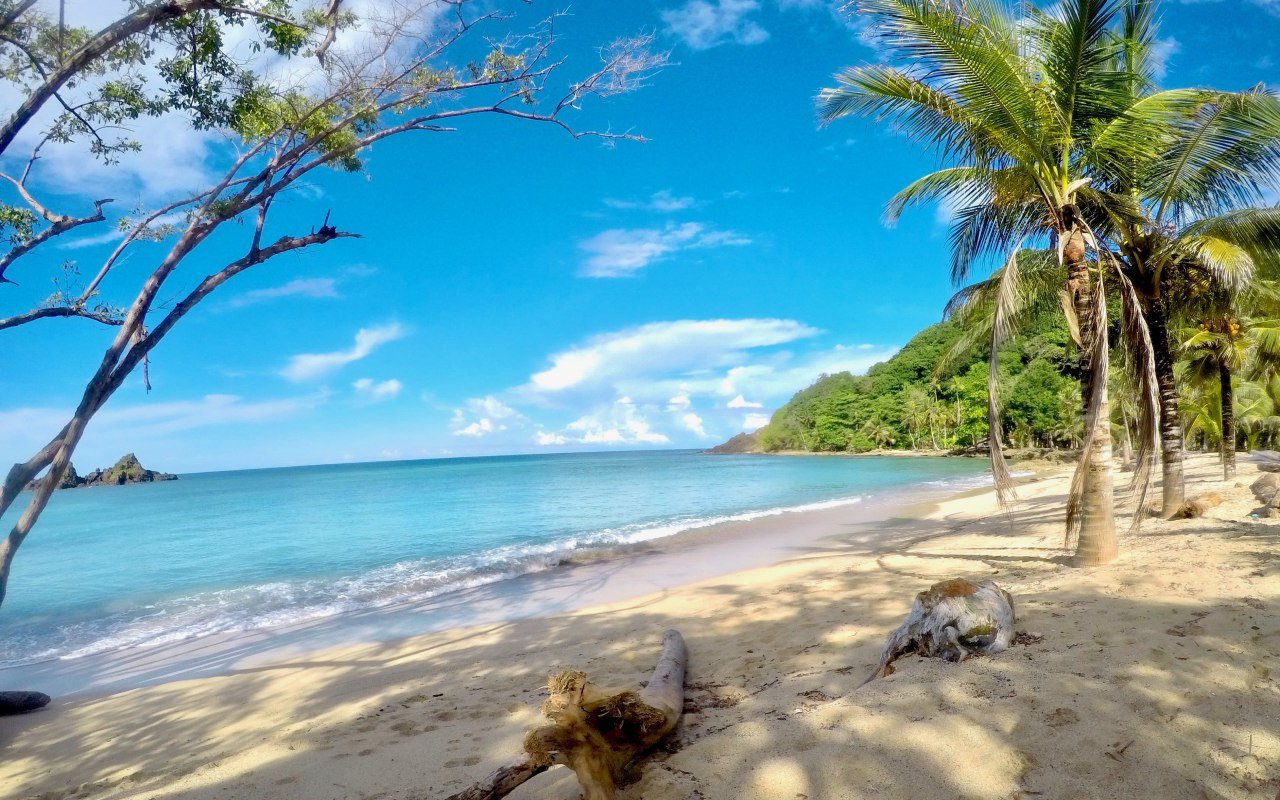
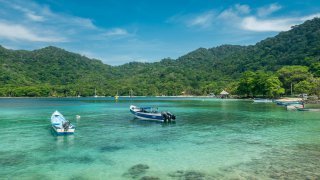
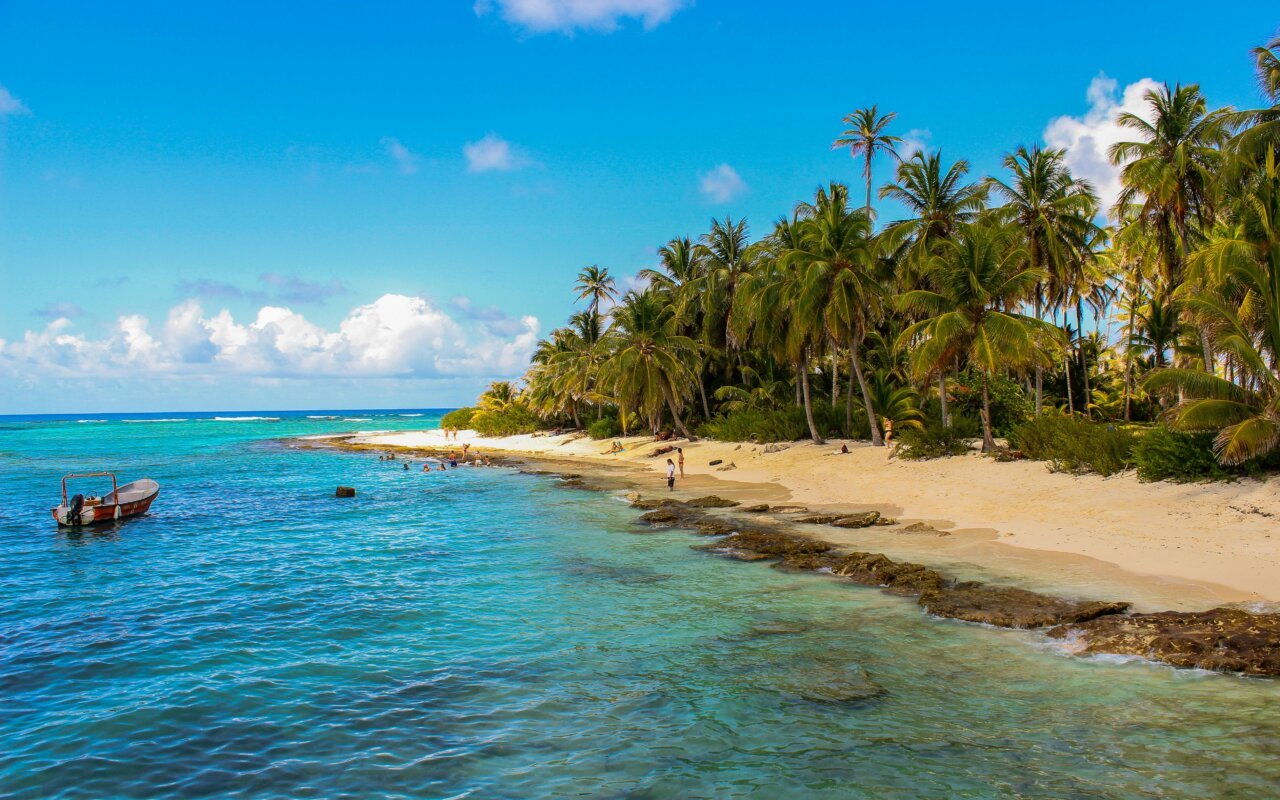
In some areas, this is still the case today. But in the Gulf of Uraba, a myriad of small villages are now accessible from Turbo. While it’s best to be careful who you ask, it would be a shame not to try the adventure. The beaches of Sapzurro and Capurgana, for example, are well worth a visit. A bumpy boat ride is a must. Once there, however, you’ll discover fishing villages where time passes slowly. Numerous excursions into the lush forest are also a good way to discover this region between jungle and Caribbean.
Off the beaten tourist track, areas once inaccessible due to armed conflict are now safe and accessible. Isolated, unspoilt and authentic destinations that will delight lovers of nature and unusual sites.
Text by Eliott Brachet