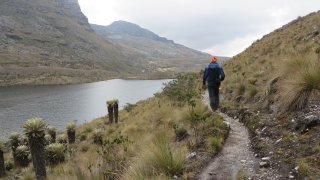
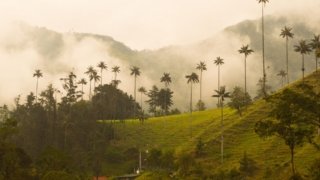
What a mystery it is to discover a forgotten city! What could be more exciting on a return trip than to recount such a journey? La Ciudad Perdida (The Lost City) disappeared into the jungle at the time of the Spanish conquest, completely forgotten for almost 400 years, and was only officially rediscovered in 1976 during an expedition organized by the Colombian government. La Ciudad Perdida, also known as ” Teyuna ” or “Buritaca 200”, is located in the majestic Sierra Nevada de Santa Marta in north-east Colombia. The hike to the Lost City is accessible only on foot, and is one of the most breathtaking hiking routes in the country. In 1986, the mystical Lost City was declared a Biosphere Reserve and World Heritage Site by UNESCO, making it all the more privileged and internationally recognized.

What you need to know about Ciudad Perdida
The Lost City
Located in the Sierra Nevada de Santa Marta, the Ciudad Perdida lies on the steep slopes of the upper Buritaca river valley at an altitude of between 900 and 1,200 metres. The starting point for the hike is usually “El Mamey”, just beyond the famous Tayrona National Park.

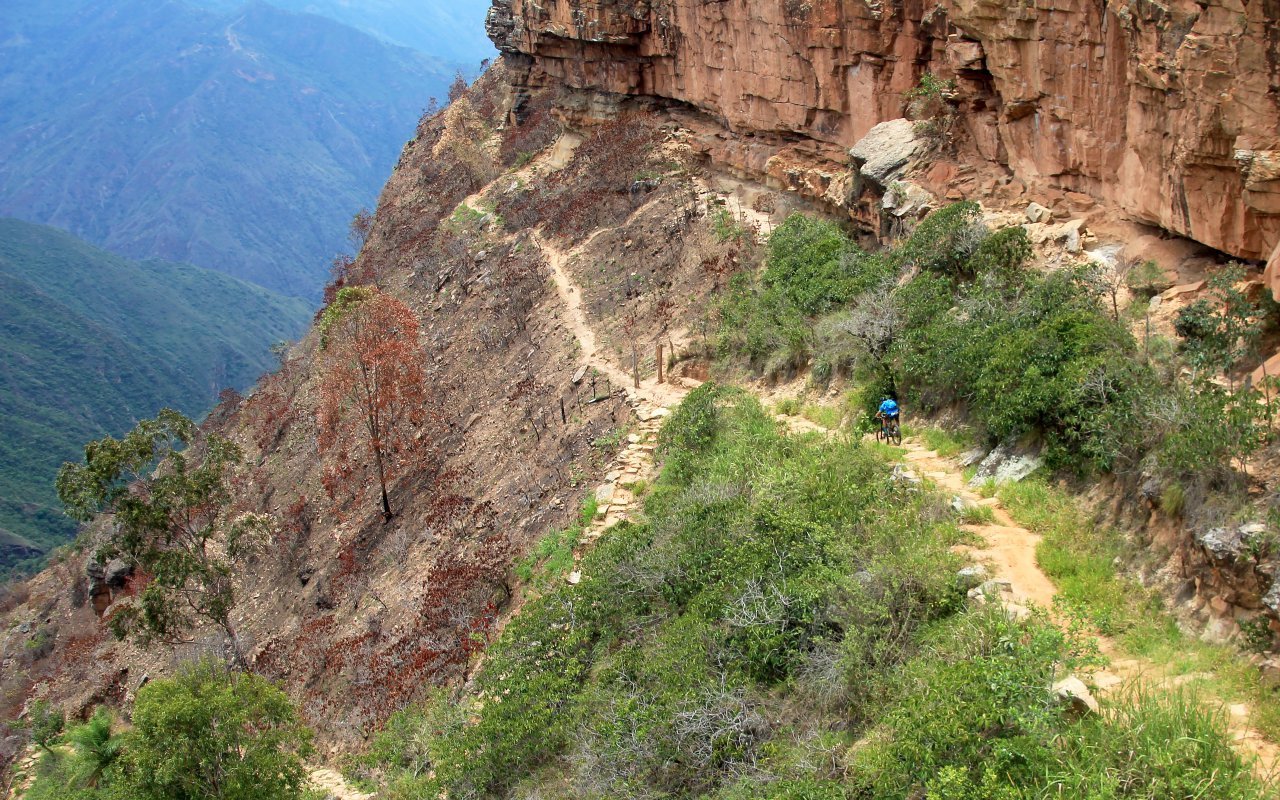
The ascent to Ciudad Perdida normally takes a day and a half; the morning of the third day marks the hikers’ discovery of the site, before heading back for two full days. It’s a challenging trek, but one that can be done by all types of hiker, covering just 5 to 8km a day, although the paths are almost always on very, very steep slopes, making the journey more intense. Doing this trek is an exceptional experience, and you don’t need to be an experienced hiker to do it – the landscapes you’ll cross will remain your fondest memories. The round trip covers around 44 km, even if it seems a lot more when you have to climb, walk, slide in the mud on the way down… adventure is the order of the day!

The climate in the Sierra Nevada de Santa Marta
This area has a humid climate, where the heat is often high and some climbs can become complicated in the absence of sunlight, as the terrain remains muddy and doesn’t allow good adhesion to the ground. Heavy rains are also common throughout the year. The driest, and therefore most favorable, period is from late December to late February/early March.

History of Ciudad Perdida
This city, called “Teyuna” by its inhabitants, was built by the Tayronas. At the time, this community was the dominant group in the area. Belonging to the Chibcha linguistic family, they had founded an extremely advanced civilization, based on complex social and political organization and various advanced engineering techniques. Ciudad Perdida is thought to have been founded around 800 AD. 650 years earlier than the famous Machu Picchu. There are some 170 terraces, most of which served as foundations for houses, while the largest were used for ritual ceremonies. The entrance can only be reached after climbing some 1,200 stone steps through dense jungle. With the natives opposed to further research, the vast majority of the site could not be uncovered, although we can imagine some 300 Tayronas villages spread over the slopes, of which Ciudad Perdida is the largest. Some archaeologists refer to it as the “capital” of this civilization.

The city lay dormant for a few hundred years before falling prey to guaqueros (grave robbers) in the early 1970’s. Word soon spread, attracting ever more guaqueros, and feuds between rival gangs broke out, claiming many victims. When ceramic figurines and urinals from the city began to appear on the local market, the government sent soldiers and archaeologists to protect the site and unravel its mysteries in 1976. Members of local tribes, including the Arhuacos, Kogi and Wiwas, reported that they had visited the site regularly before it was discovered, but had kept silent about its existence. According to them, Ciudad Perdida was probably the political and economic center of the Buritaca river region, and was home to between 2,000 and 8,000 people. It was apparently abandoned during Spanish colonization.
Not to be missed on your trek!
As you can see, Ciudad Perdida is a treasure trove of civilizational history in the middle of the rainforest, which demands physical effort, while keeping your eyes wide open to admire the breathtaking scenery on the trek. Rest assured, there are also special moments to savour in the heart of the Sierra Nevada..
Natural pools and refreshing waterfalls
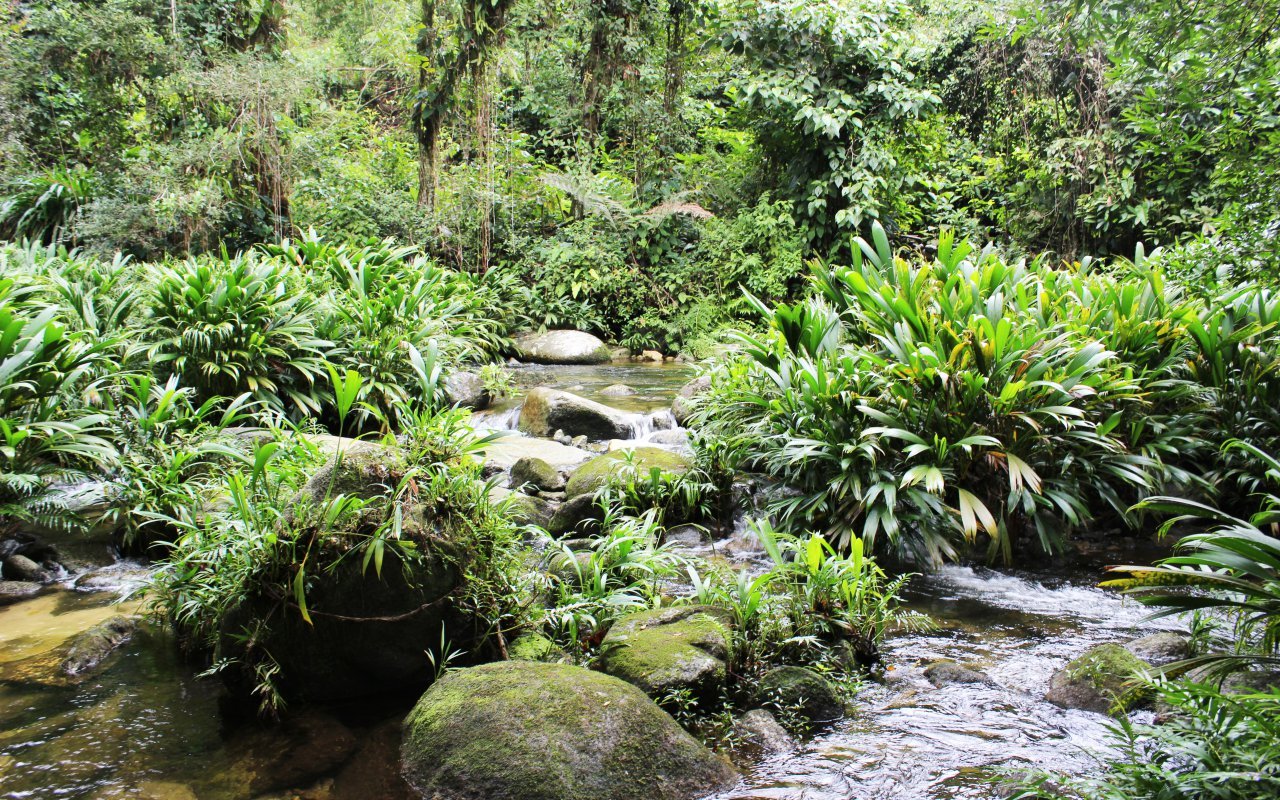
A number of campsites offer real relaxation gems close to their living quarters; take advantage of the Buritaca River and its natural pools to unwind, or treat yourself to a massage under one of the waterfalls.
Starry nights from your hammock
Nights on the trek are moments of rest and rejuvenation for body and soul. Take advantage of a night in your hammock to reconnect with nature and admire the sky, which often reveals thousands of stars. Far from the city lights, the Sierra Nevada offers a high-definition spectacle.
Discover Koguis villages
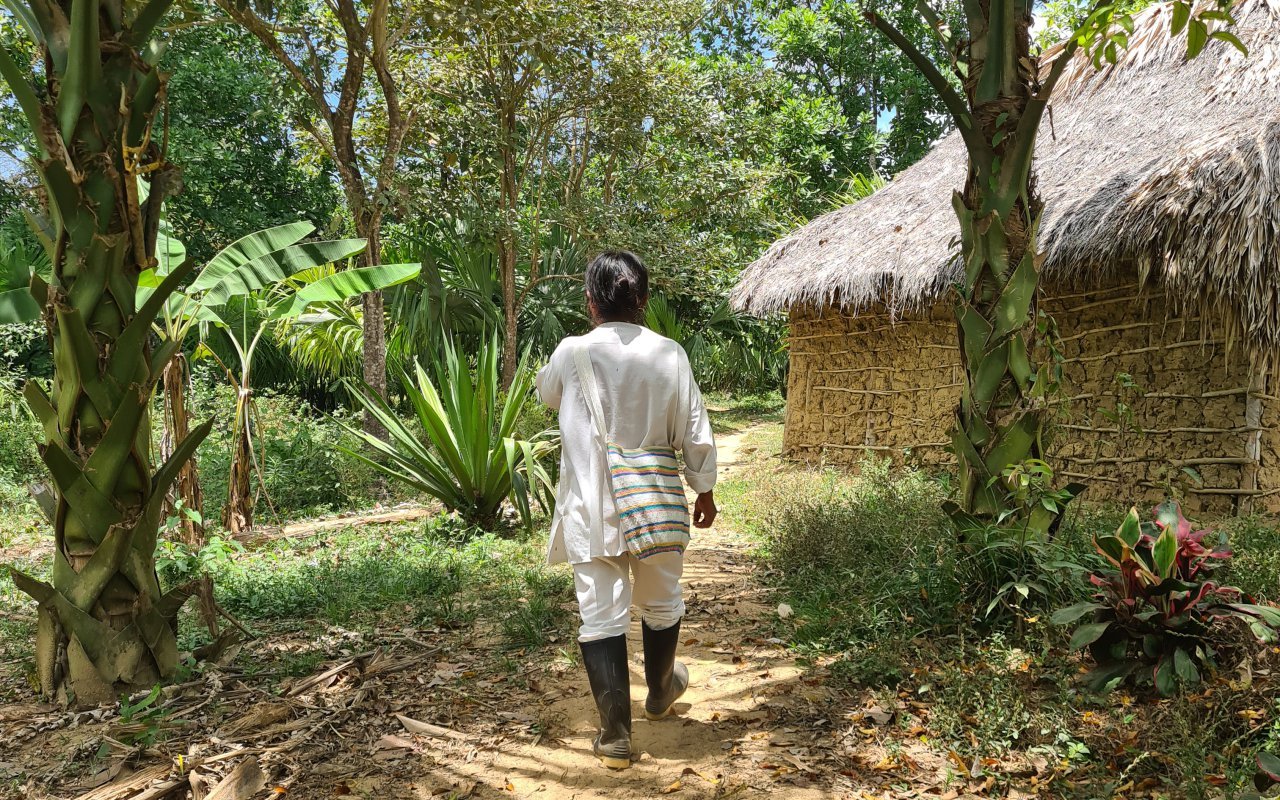
You’ll pass through indigenous villages, most of them Koguis on this stretch, and discover the typical houses known as “Mutanshi”.

Reconnecting with the essentials
No wifi, no telephone network, and even less television… Take advantage of the experience to reconnect with the essentials and enjoy the region’s unique flora and fauna, which you’ll discover along the way, accompanied by a few endemic hummingbirds and butterflies.
In a nutshell...
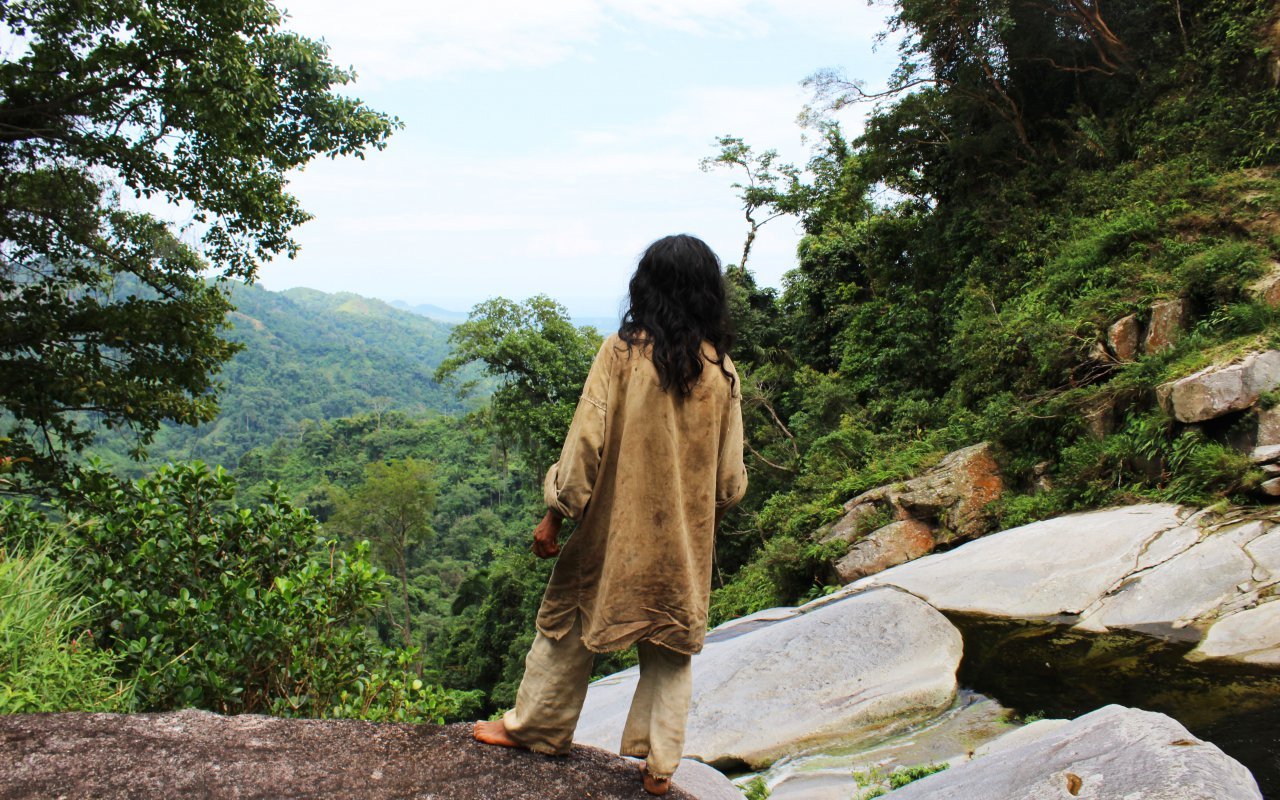
The grandiose site, a high plateau surrounded by a luxuriantly beautiful forest, is fascinating. The Ciudad Perdida trek is an extraordinary experience, and the Sierra Nevada de Santa Marta that shelters it is an energetic place filled with serenity. Bear in mind that the Sierra Nevada mountains are sacred to the indigenous communities, so take care not to leave any garbage behind, and behave with respect within this privileged place. You will certainly return changed, with that “something” from the Sierra Nevada..