Travel advice fot Colombia
Safety during your trip
Your safety is our priority, and while we don’t want to deny any risk in this area, Colombia is a fairly safe country today. After several years of major political instability, Colombia has entered the 21st century with a desire for change in a more secure context. The land of emeralds and coffee therefore no longer presents any particular danger for travellers who take a minimum of precautions and use common sense.
Who should visit Colombia?

Tours for everyone
Our tours are designed for everyone, including children, whatever your level of expectation. Contrary to popular belief, Colombia is in fact a well-developed tourist destination, with services and prices to match. The country is very pleasant and easy to discover, with no particular constraints, offering a wide variety of landscapes and activities, as well as quality services (hotels, guides, transport).
Please note that some activities (diving, water sports, climbs…) or even stages require a particular physical aptitude or adaptability (due to climate, accommodation or access conditions…).
How to enter Colombia
Passport and visa
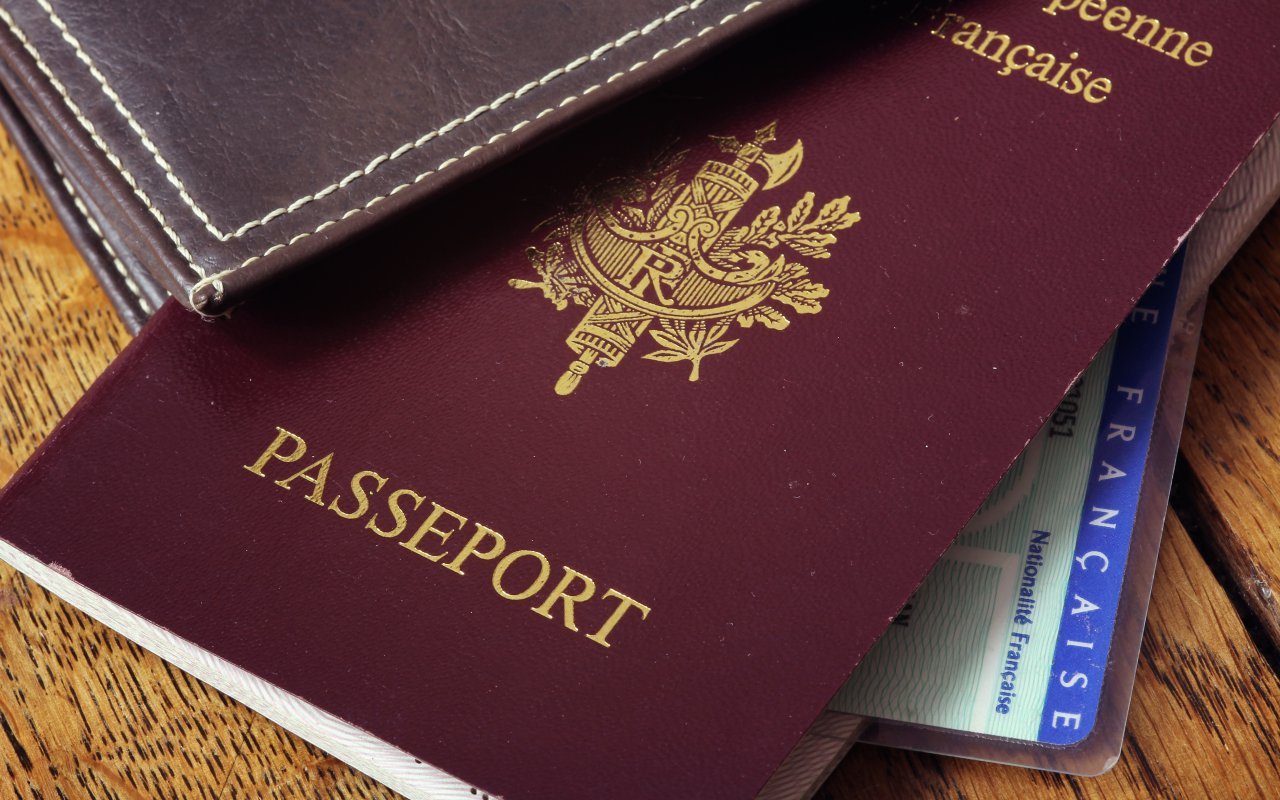
All you need to enter Colombia is a passport valid for more than 6 months from the date of entry into the country. Most French-speaking countries (France, Belgium, Switzerland and Canada) do not require a visa for stays of up to 90 days.
However, you must be in possession of a return or onward ticket. These conditions are subject to change. Check with the Colombian consulate before departure.
Travel insurance
If you pay for your plane ticket with a Visa-type credit card (Mastercard or Amex), you are theoretically covered by repatriation assistance insurance for the duration of your stay. However, be sure to check the limits of your coverage (duration, destination, activities, etc.) before you leave
Useful contacts in Colombia
Colombian Embassy in Paris: (+33) 01.42.65.46.08Colombian Consulate in Paris: (+33) 01.53.93.91.91
For comfortable travel

Physical condition
Good physical condition is required, as the trip can be tiring in certain regions due to distances, altitude and climatic variations.
Follow the usual rules: frequent hand washing, hot cooked food, hydration, bottled and capped drinks. Protect yourself against the sun, heat and mosquitoes.
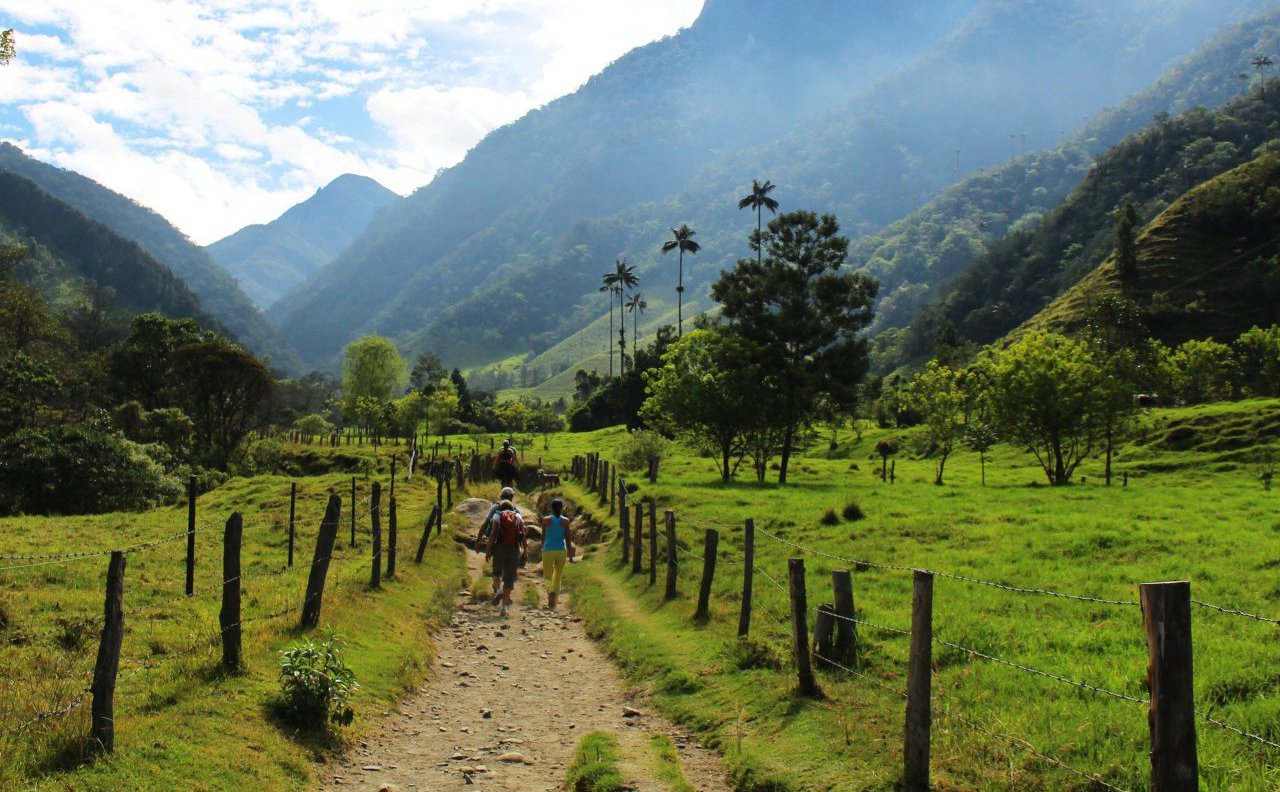
Rural tours, community and trekking
Some of our tours (treks, stays in rural communities, etc.) require us to adapt to the rusticity and unpredictability of local conditions. They do not involve any sporting feats, but simply require good physical condition and the ability to adapt. In all cases, comfort remains one of our top priorities when choosing hotels or sites for tented bivouacs. When we specify “basic comfort” for certain nights, we are generally referring to accommodation with local people (or in refuges) whose floors may be earthen or concrete, and in which collective dormitories equipped with basic beds (slatted base + mattress + blankets) are offered. Showers and round-the-clock electricity are less common. However, our field teams (locals and hut owners) will be happy to help you find accommodation in the best possible conditions.
Food in Colombia
Meals
Colombia is characterized by regional culinary variety. Specialties include bandeja paisa (a hearty dish from Medellin),ajiaco (a typical soup from Bogotá) and “hormiga culona” (ants, a must-taste in Santander)
Drinks
Tap water is rarely drinkable outside the major cities. The national alcohol is aguardiente, made from sugar cane, and rum (excellent) is also produced, along with a few beers, Colombians’ favorite drink. Rum is also produced (excellent), as well as a few beers, the Colombians’ favorite drink. Colombian coffee is delicious and varied, and a must.

Before you leave
Vaccinations
As a general rule, we advise you to keep your vaccinations up to date (Hepatitis A & B, Tetanus and Polio). The yellow fever vaccine is recommended for travel to certain regions and for access to certain national parks. Depending on your country of origin or the country you will be visiting after Colombia, certain vaccinations may be required. Terra Colombia is not a substitute for local authorities. For further information, we recommend
Luggage and equipment
Please note that not all international airlines allow the same baggage weight (please check your ticket). If possible, don’t take luggage that’s too heavy (two small, sturdy suitcases or bags can be transported and fit better in a bus or car trunk than one very heavy one). In Colombia, for domestic flights, baggage allowances are 20kg/person in the hold + 10kg in the cabin. If you’re a few kilos overweight, show us your international ticket offering a higher allowance, and that should do the trick. As a general rule, Colombians are very courteous and understanding towards foreigners. Upon confirmation of your trip, we will send you, on request, a list of equipment to bring with you
Money
Exchange rate1 USD = approx. 4,000 Colombian Pesos 1 Euro = approx. 3,900 Colombian Pesos (2023)Banks and paymentsInternational credit cards (MasterCard, American Express, Visa) are accepted throughout the country. Withdrawals in local currency can be made from ATMs. Traveler’s checks are not recommended.TippingMost restaurants add a 10% service charge (tip) to their bill, and in hotels, baggage handlers and chambermaids expect a tip of around 2,000 pesos
Some off-the-beaten-track trips and regions to inspire you…
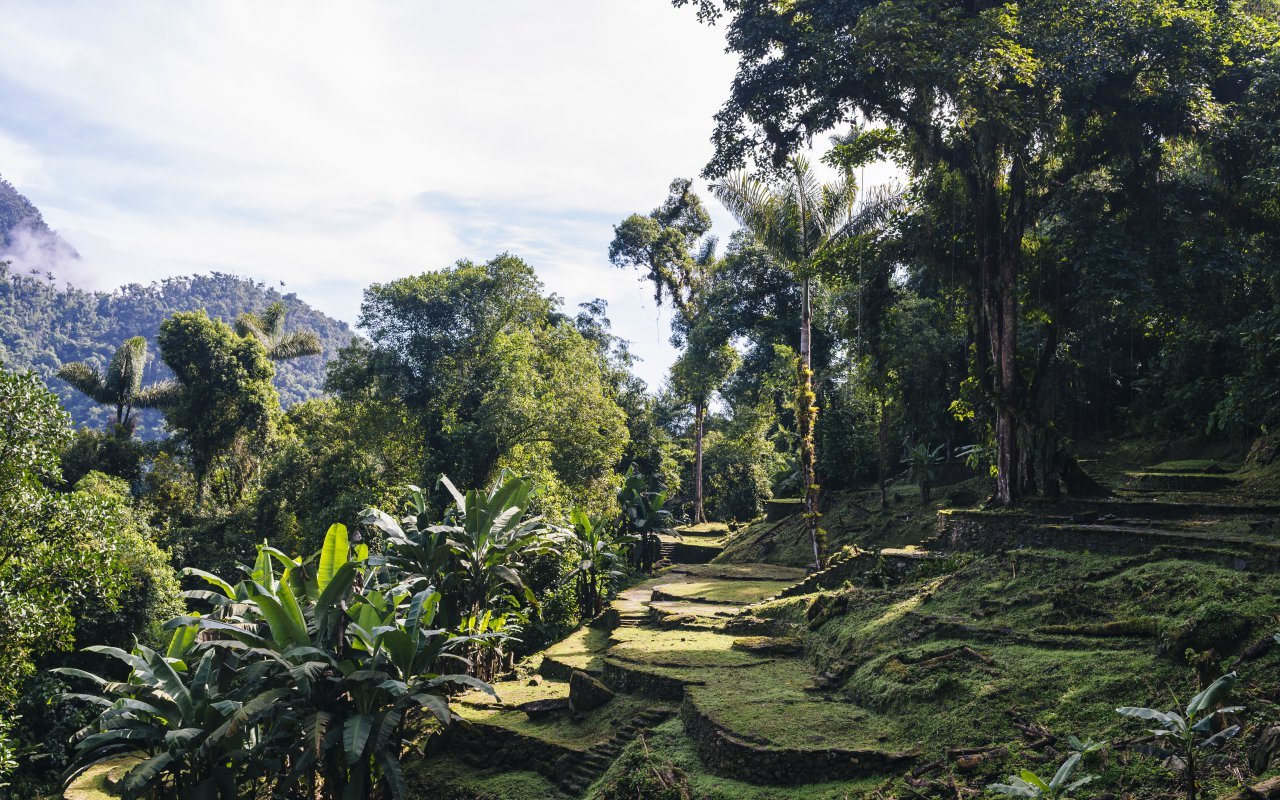
A different kind of Colombia : Responsible travel
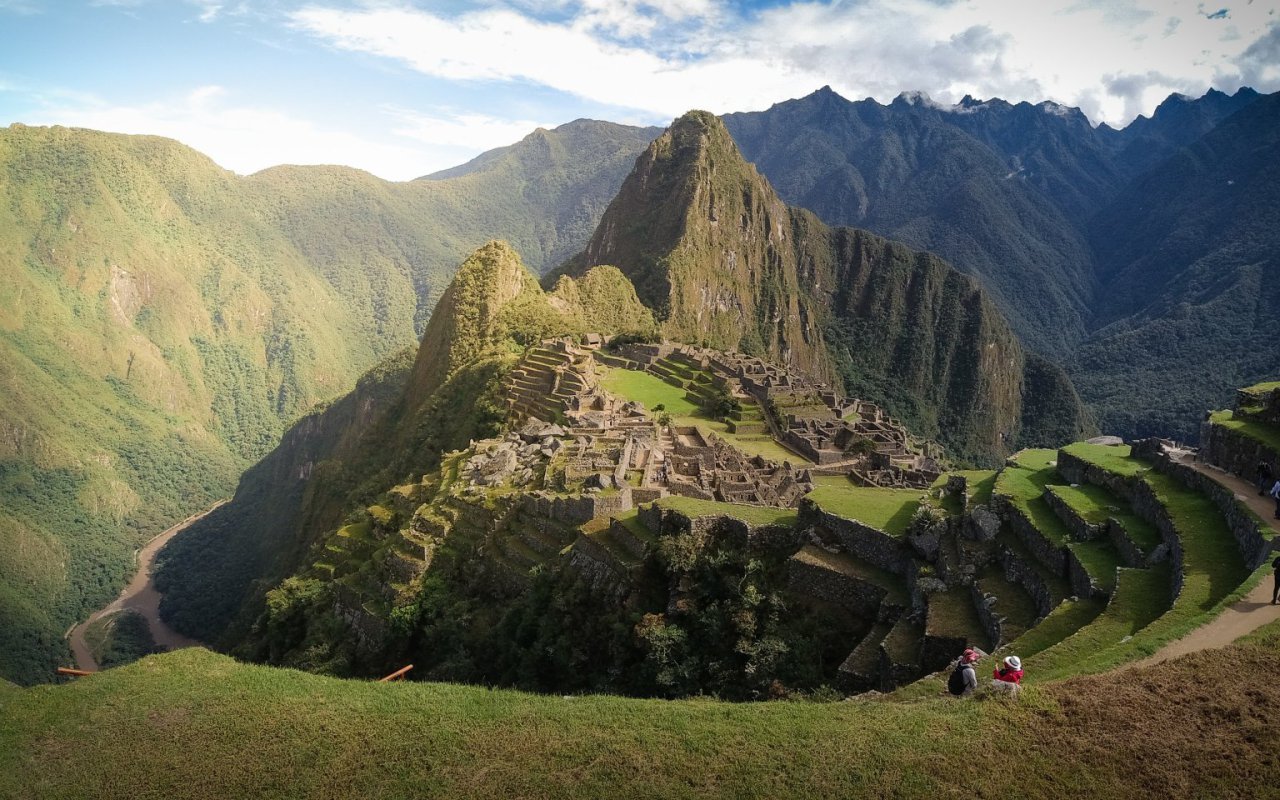
Peru and Colombia tour : the coffee and cocoa route
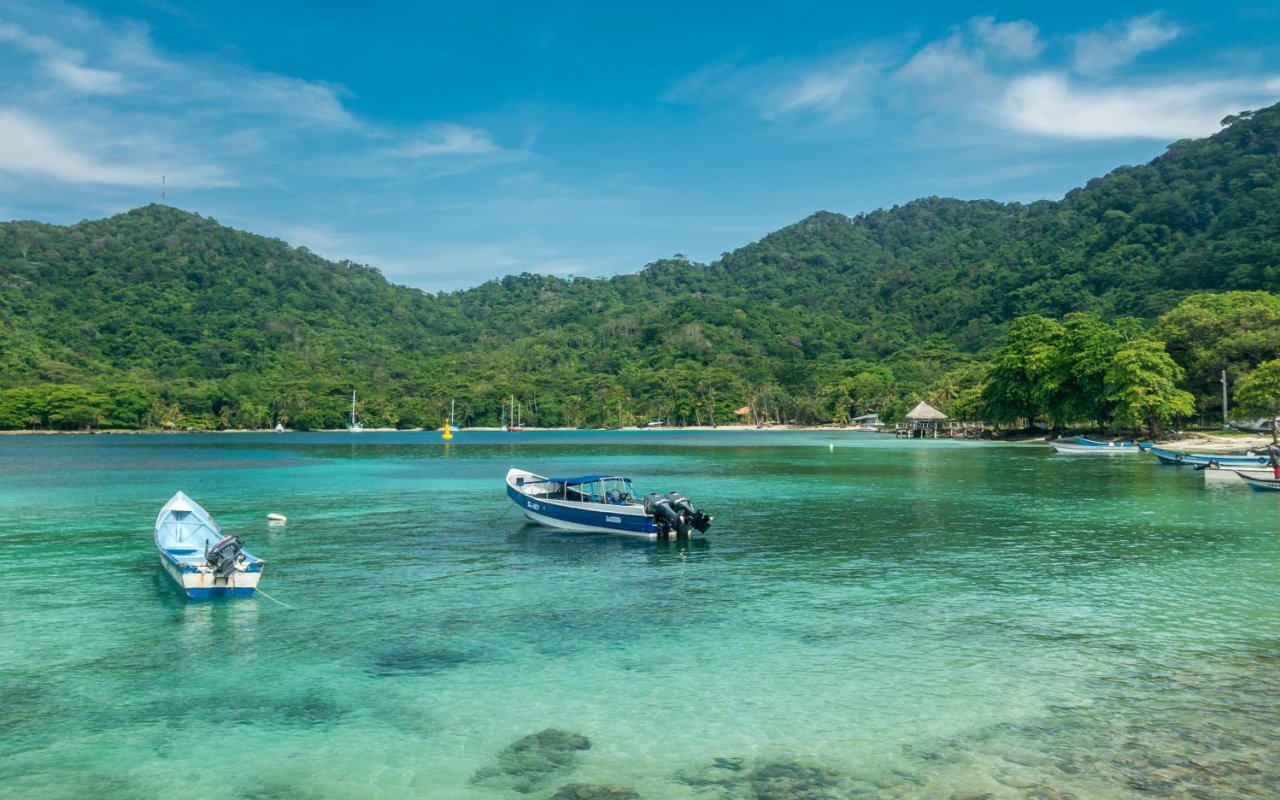
Secret Colombia : a tour off the beaten track