Santa Marta, nicknamed “La perla de America” (the pearl of America), is an incredibly engaging place for those who want to spend some time there. This town, nestled at the foot of the snow-capped Sierra Nevada de Santa Marta, offers the promise of local discovery to the sound of the “champeta”, a musical and cultural phenomenon unique to this region, whose frenetic rhythm should win you over. Despite its rich history and beautiful downtown, the city often gets a bad reputation among travelers for its chaotic urban fabric and heavy traffic.
Paradoxically, many end up staying for a while, while others wish they’d stayed longer… Terra Colombia reveals in this article the few secrets that will make you fall under the spell of “La Samaria” and its surroundings. In fact, Santa Marta Bay is said to be “la más bella de América”, which translates as “the most beautiful bay in America”, so are you ready for a trip?

Key facts about Santa Marta
Located in the Magdalena department of which it is the capital, Santa Marta was the first city built by the Spanish in Latin America in 1525, and the second colonial city on the Caribbean coast after the famous Cartagena de Indias.The city is situated in the bay of the same name, and is one of the main tourist destinations in the Colombian Caribbean. Its location, between the mountains of the Sierra Nevada de Santa Marta, the highest coastal massif in the world, and the Caribbean Sea, its many historical and cultural sites, the great diversity of wildlife in the surrounding area and its renowned beaches, make it an attractive city. Add to that the surrounding area, and you’ve got a city you won’t want to leave!

Santa Marta is well known in Colombian tourism, and is clearly developing to attract travellers from all over the world by showcasing its culture. In particular, the colonial center has undergone a major facelift, restoring the charm of Santa Marta’s past. It’s much less glitzy than Cartagena, but has a much simpler, more typical and more local charm… you’ll love strolling through its rougher but no less charming streets! The city also boasts a wide variety of excellent restaurants where you can discover the local Caribbean cuisine, including “cayeye”, a delicious plantain purée topped with local cheese… Santa Marta’s nightlife is just as enjoyable, especially on weekends, when you can discover the rhythms of salsa, cumbia and champeta. Dance fans (or not) will appreciate the relaxed, festive atmosphere. Santa Marta’s extraordinary surroundings are just minutes away from sites of interest such as the famous Tayrona Park, wild beaches such as Bahia Concha and hiking in the Sierra.
Santa Marta's climate
Santa Marta enjoys a constant breeze from the Caribbean Sea, which makes for pleasantly cool evenings. It’s hot, but drier than Cartagena. The rainy season can be intense, generally extending from May to November. The average temperature throughout the year is 28 degrees.

The History of Santa Marta
In 1525, Rodrigo de Bastidas planted the Spanish flag here, and with good reason: its location at the foot of the Sierra Nevada de Santa Marta mountain range provided a convenient base from which to explore the priceless treasures of the Tayrona people. Santa Marta was founded on July 29, 1525, the feast day of Saint Martha, hence its name. As soon as the Spanish began to exploit the area, the inhabitants began to rebel.
However, by the end of the 16th century, most of the Tayronas had been wiped out, with only a few managing to hide in the Sierra Nevada. During this massacre, many of their gold objects were looted and turned into raw materials for the Spanish royalty of the time. Santa Marta was also one of the first points of access to the interior of the colony. It was from here that Jimenez de Quesada set out, with great difficulty, for the Magdalena river valley to build Bogota in 1538.

Epicenter of the war against the Tayrona community and repeatedly besieged by pirates, Santa Marta’s colonial history was not a happy one, and it wasn’t long before it was eclipsed by its younger, more dynamic neighbor, Cartagena de Indias.
In 1830, Simon Bolivar died here, in the Quinta San Pedro Alejandrino, after bringing independence to six Latin American countries. Today, Santa Marta’s main sources of income are tourism, port activities, fishing and agriculture. The port of Santa Marta, created over 27 years ago, is one of the largest and most important in Colombia, as well as one of the safest. It is also the deepest in South America (from 18 to 60 meters in its access channel). Many cargo ships dock in Santa Marta, making a significant contribution to the economy of the entire department. In recent years, a great deal of work has been carried out to restore some of the city’s historic monuments, and several renovation projects are underway, such as that of the municipal colonial theater currently on avenue principalement, popularly known as “la Quinta”.
What to do in and around Santa Marta
Santa Marta is a city that encapsulates all the atmosphere of the Colombian Caribbean, a must-see if you’re curious about the local atmosphere. A visit to the surrounding area is also the key to a successful stopover, Terra Colombia will guide you.

Santa Marta :
Quinta San Pedro Alejandrino
It was in this hacienda that Simon Bolivar lived his last days in 1830. It’s an interesting site with an extraordinary sense of calm, in stark contrast to downtown Santa Marta. The superb grounds, which include the botanical garden, are well worth a visit, where you can stroll among majestic, century-old trees
Museo del Oro
Much smaller than its big brother in Bogotá, Santa Marta’s Gold Museum nevertheless houses a fine collection of Tayrona gold objects and crafts (pottery and jewelry), and we particularly recommend it if you want to visit the Ciudad Perdida afterwards, to soak up some history.
Sailing to the beaches of Tayrona
Terra Colombia invites you to discover the beaches of Tayrona in a private sailboat, just for you! Bahia Concha or Playa Cinto… the choice is yours.
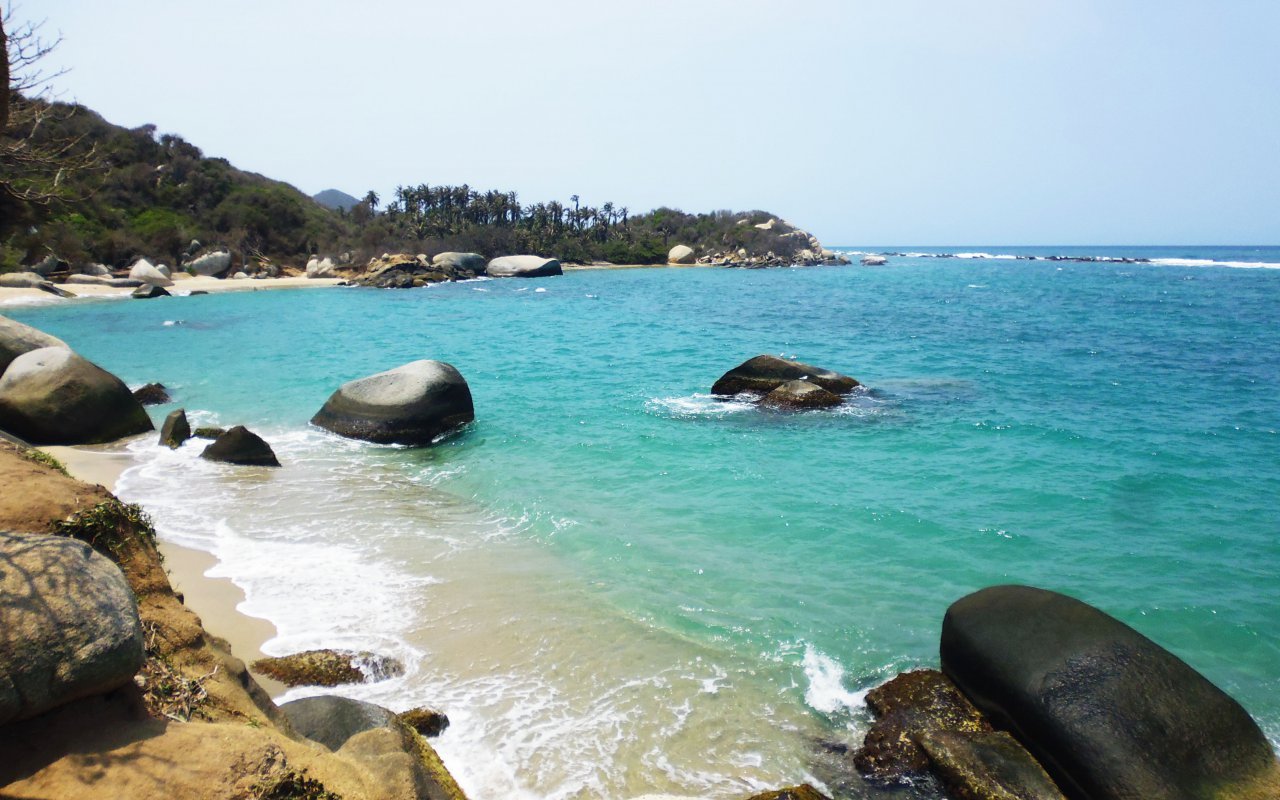
Scuba diving
Santa Marta is an ideal starting point for scuba diving, and the value for money is by far the best in the country and the world! The dives are of the highest quality and will enable you to discover the Tayrona Park… underwater! An original way to discover the marine flora and fauna of the famous national park. Experience guaranteed!
Surroundings:
The must-see Tayrona National Park
With its superb beaches and lush vegetation, Tayrona Park, renowned for its incredible flora and fauna and its ancestral history linked to its communities, is an essential visit. Through its dense forest, it offers a wide range of trails: hikes for all levels are accessible. Those who prefer to relax will also be delighted to discover Playa Cristal, Playa Cinto, Playa del Amor… Tayrona for all tastes!

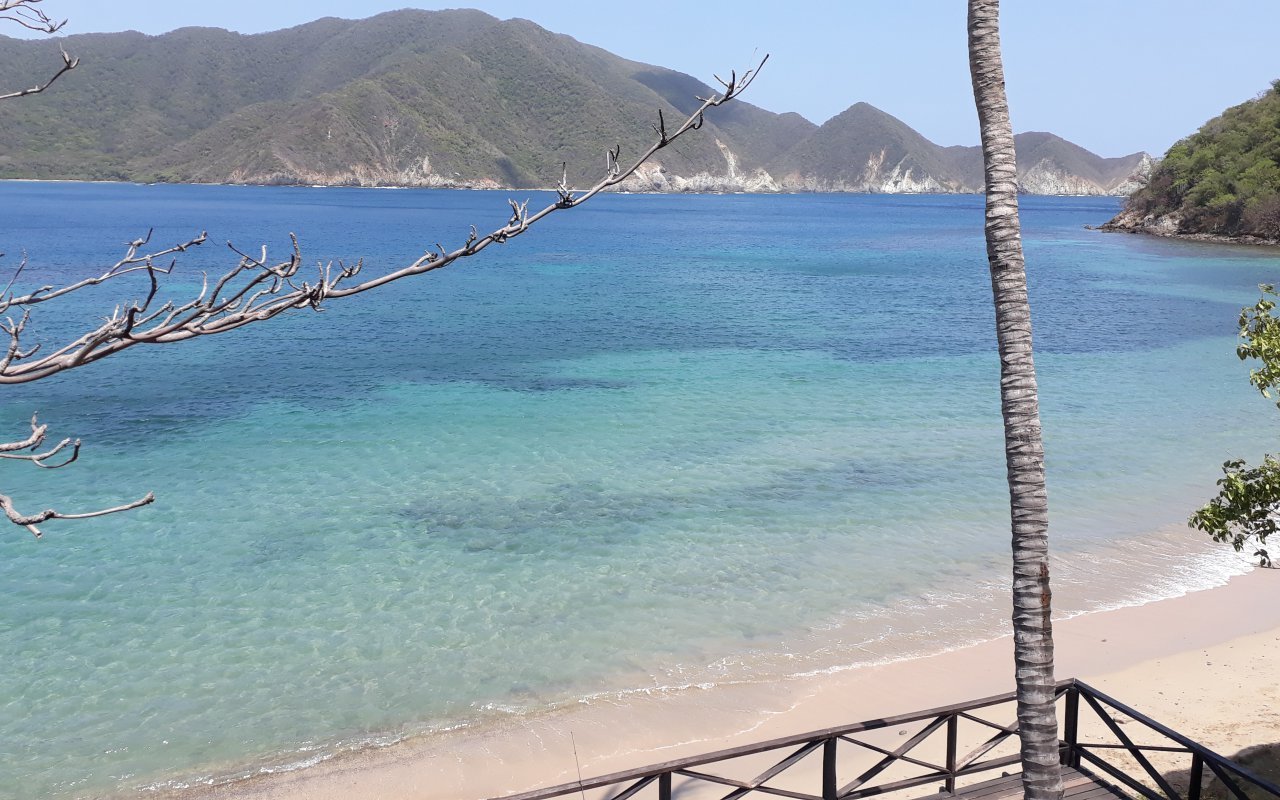
Beaches and snorkelling
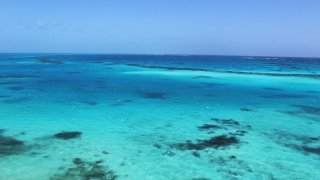
The area around Santa Marta offers a number of beautiful beaches, some of which are still untouched, such as Playa Los Angeles. Others are ideal for snorkeling: Playa Grande from Taganga or Playa Blanca from Rodadero.
Ciudad Perdida
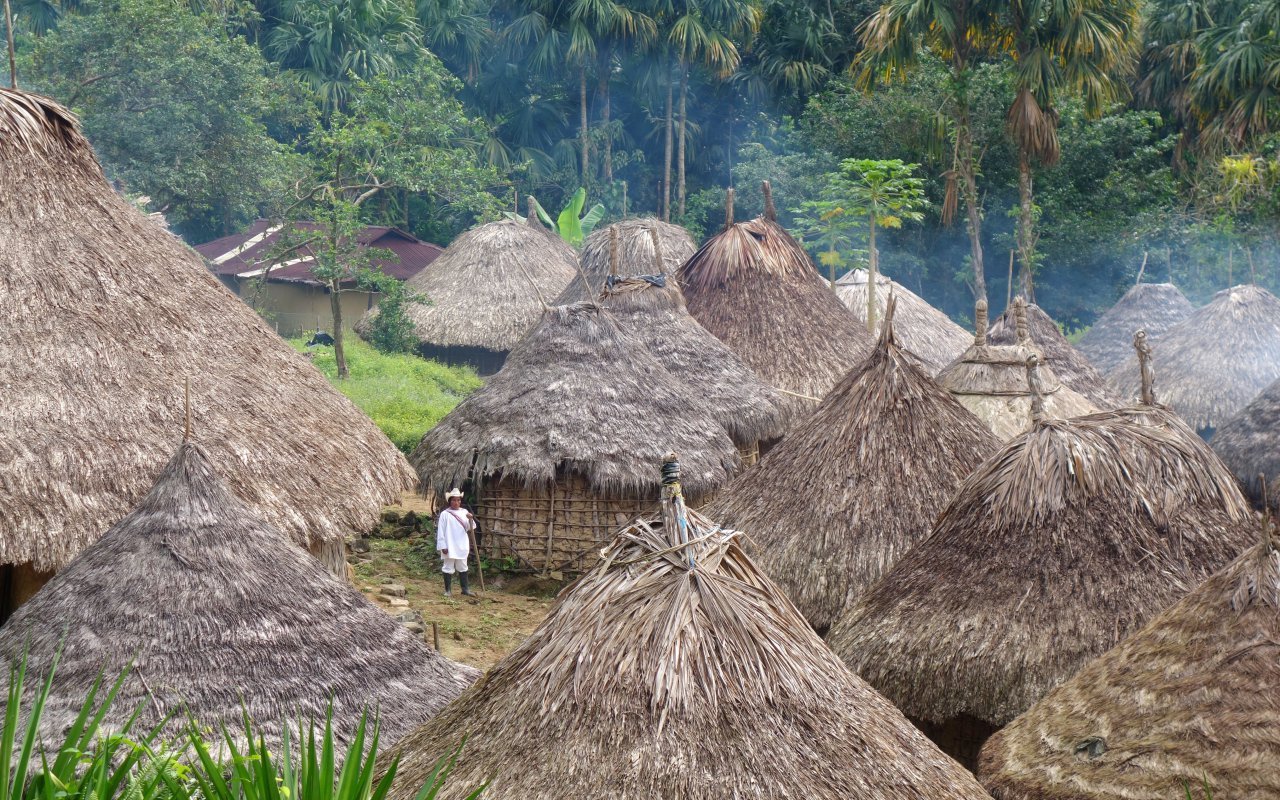
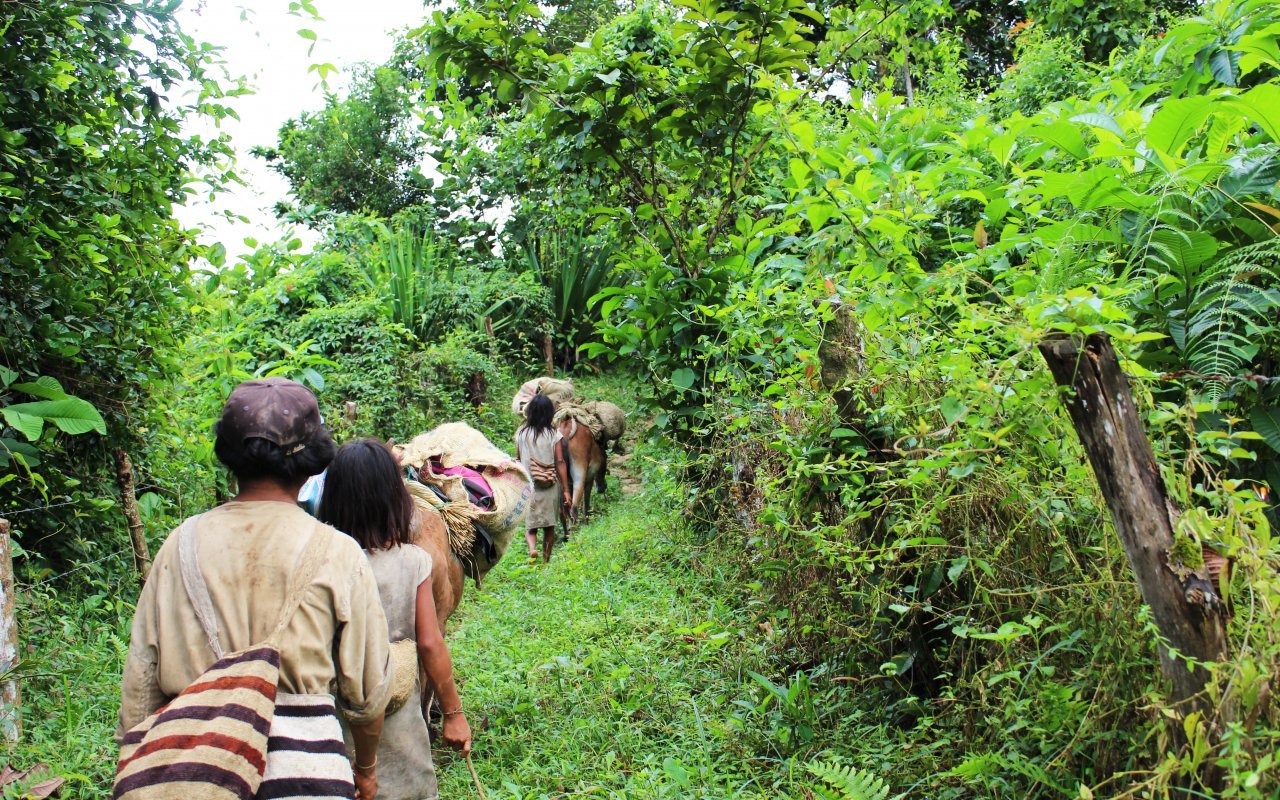
Discover the Sierra Nevada de Santa Marta and the Ciudad Perdida site on a complete 4-5 day trek. Breathtaking landscapes await you, and an adventure that will remain one of your best travel memories!
In a nutshell..
Wander the narrow streets by day and evening
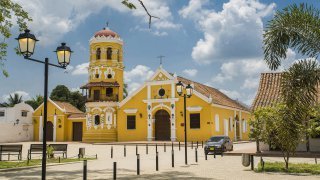
Santa Marta is all about immersing yourself in its atmosphere, especially in the historic center. Take the time to discover the Parque Simon Bolivar, the Parque de los Novios, the Parque San Miguel, the cathedral and, above all, don’t forget to stroll along the waterfront at sunset, which is always a spectacle.

Meet the locals
Early in the morning, take a stroll through the chaotic but very local market area – that’s what we love about the Caribbean. In the evening, take the time to relax on the lively terraces of the Parque de los Novios and enjoy a cool, typical “Michelada”, a beer served with lemon juice and a pinch of salt, a delight that will immerse you in the atmosphere of the “Samaria”!
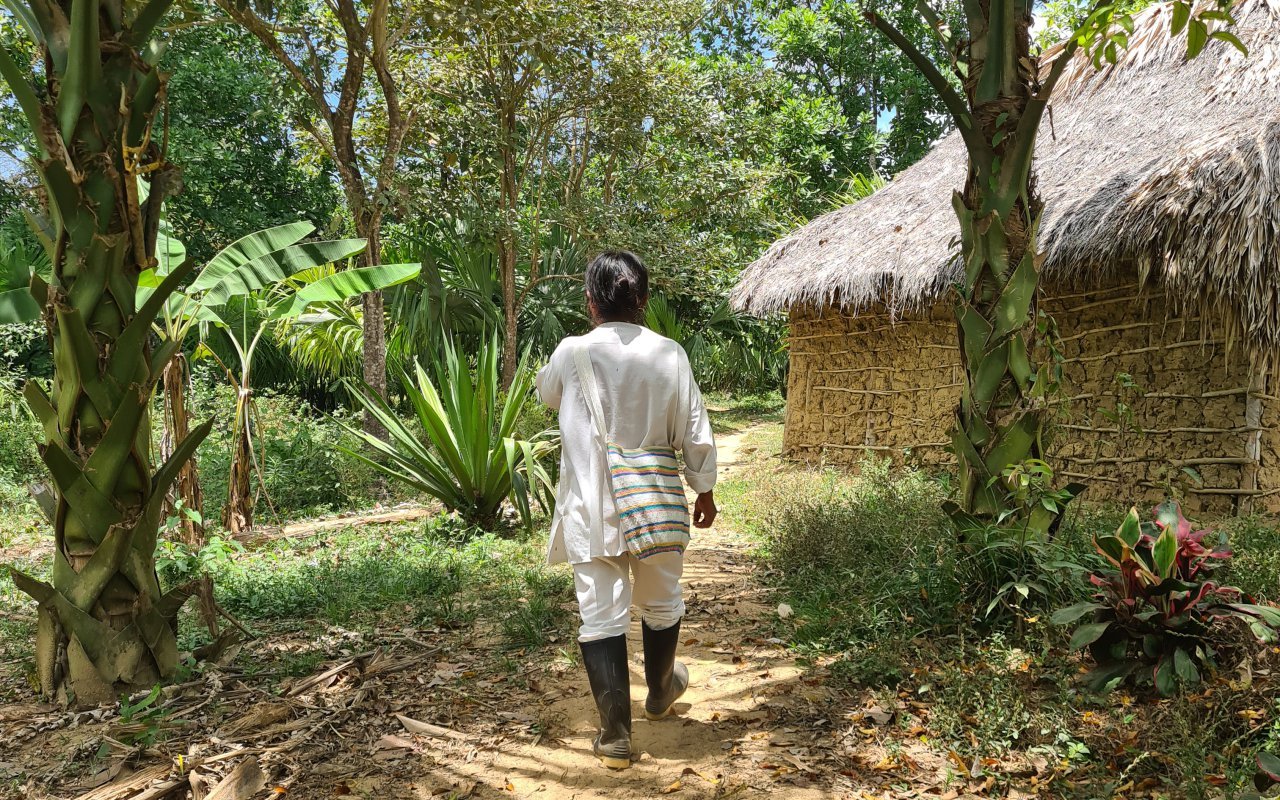
Hiking in the Sierra Nevada de Santa Marta
From Bonda, Paso del Mango or even from Minca, don’t hesitate to set off on the trails of these strikingly energetic mountains. We have many secrets to share with you..