Colombia boasts exceptional geographical diversity. From the snow-capped peaks of the Andes to the white-sand beaches of the Caribbean, from the Amazon rainforest to the lunar deserts and lush coffee valleys, each region offers a radically different experience. This natural wealth is accompanied by a vibrant culture, delicious cuisine and a spectacular transformation in tourism since the 2000s. Here are the destinations and activities not to be missed on a trip to Colombia.
The Andes: colonial towns and mountains
Bogotá: cultural capital perched at 2,600 m
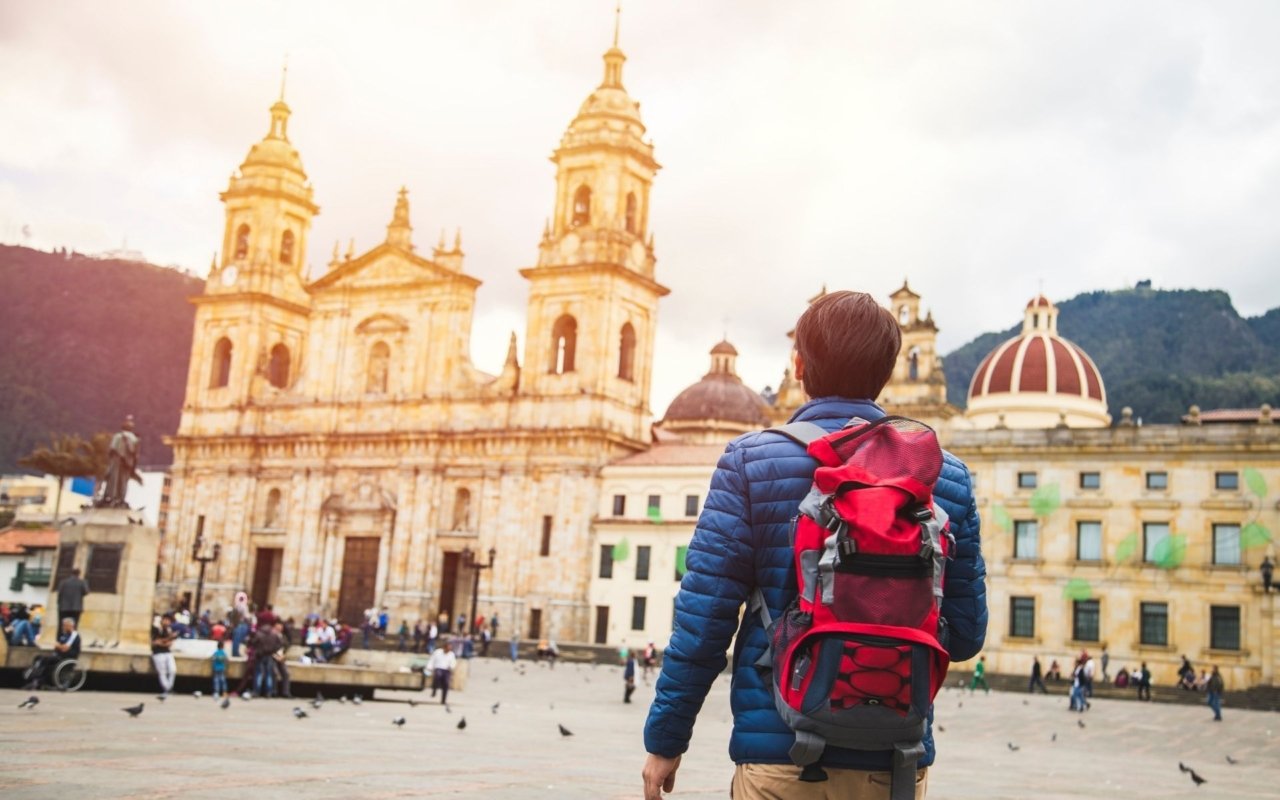
Bogotá surprises with its cultural vitality and well-preserved colonial architecture. The district of La Candelaria is home to most of the city’s historical heritage: cobbled streets, colonial houses with colorful facades and Baroque churches. The Gold Museum houses the world’s largest collection of pre-Columbian goldsmiths’ and silversmiths’ work, with over 34,000 pieces. The Botero Museum exhibits the works of the Colombian master and his personal collection (Picasso, Monet, Renoir) free of charge.
The Monserrate cable car climbs to 3,150 m, offering a spectacular panoramic view of the city stretching across the Andean savannah. At the top, the pilgrimage church attracts believers and tourists alike. The Zona Rosa and Usaquén districts offer gourmet restaurants, trendy bars and a lively nightlife.
Street art transforms working-class neighborhoods into open-air galleries. Guided tours decipher the frescoes that tell the story of conflict, collective memory and social demands.
→ Discover Bogotá in detail: Complete guide to Bogotá
Medellín: the city of eternal spring
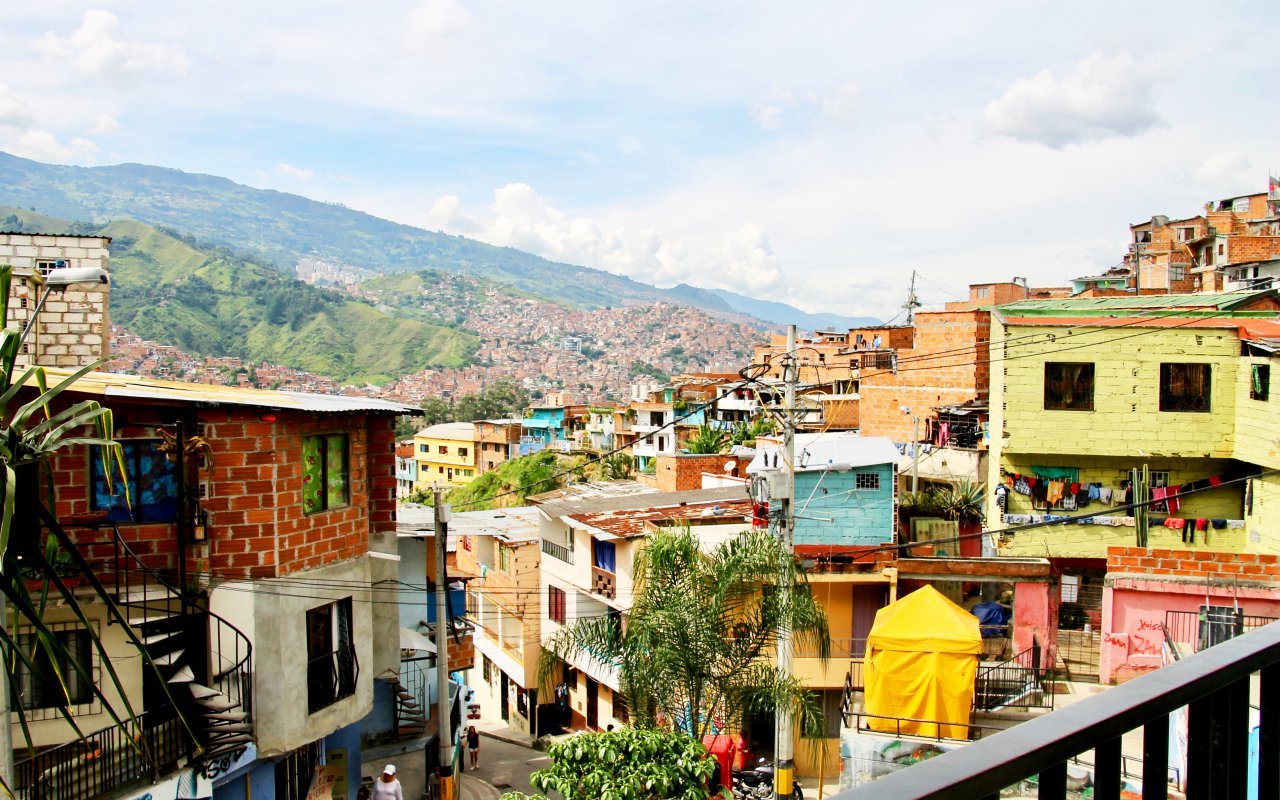
Medellín illustrates Colombia’s renaissance. Nestled in a verdant valley 1,500 m above sea level, this metropolis enjoys an ideal year-round climate (15-22°C). The metrocables, urban cable cars that climb the sides of the valley, offer spectacular views and connect the working-class districts to the city center.
Comuna 13, once the world’s most dangerous district, has been transformed into a tourist attraction thanks to urban art. The orange escalators installed in 2011 have changed residents’ lives. Today, giant frescoes tell the story of violence and resilience. Guided tours with former residents provide poignant, authentic testimony.
The Plaza Botero exhibits 23 monumental sculptures by the master. The Museo de la Memoria recounts the Colombian armed conflict through moving testimonies. El Poblado is home to restaurants, bars and nightlife. The Peñón de Guatapé, a 2-hour drive away, offers breathtaking views of a lakeside landscape after climbing 740 steps.
→ All about Medellín: Medellín Complete Guide

Villa de Leyva: a colonial jewel 4 hours from Bogotá
Villa de Leyva’s cobblestone streets are a reminder of colonial times. The Plaza Mayor, an immense 14,000 m² esplanade entirely paved with cobblestones, is one of the largest squares in Latin America. Whitewashed houses, carved wooden balconies and massive nailed doors create a timeless atmosphere.
Nearby sights include Casa Terracota, a house built entirely of terracotta without a single nail, the páramo of Iguaque with its sacred Muisca lake at 3,800 m altitude, the El Infiernito archaeological site with its pre-Hispanic phallic columns, and an Andean vineyard producing surprising wines.
→ Explore Villa de Leyva: Villa de Leyva Guide
The coffee region: verdant valleys and giant palm trees

The coffee triangle (Eje Cafetero) stretches across three Andean departments at altitudes of between 1,200 and 2,000 m. Listed as a UNESCO World Heritage Site, this region produces 10% of the world’s arabica and is home to the iconic images of rural Colombia: hills carpeted with coffee trees, multicolored colonial villages, vintage Willys jeeps and peasant hospitality
Salento and Cocora Valley
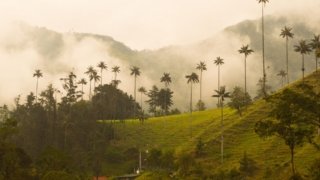
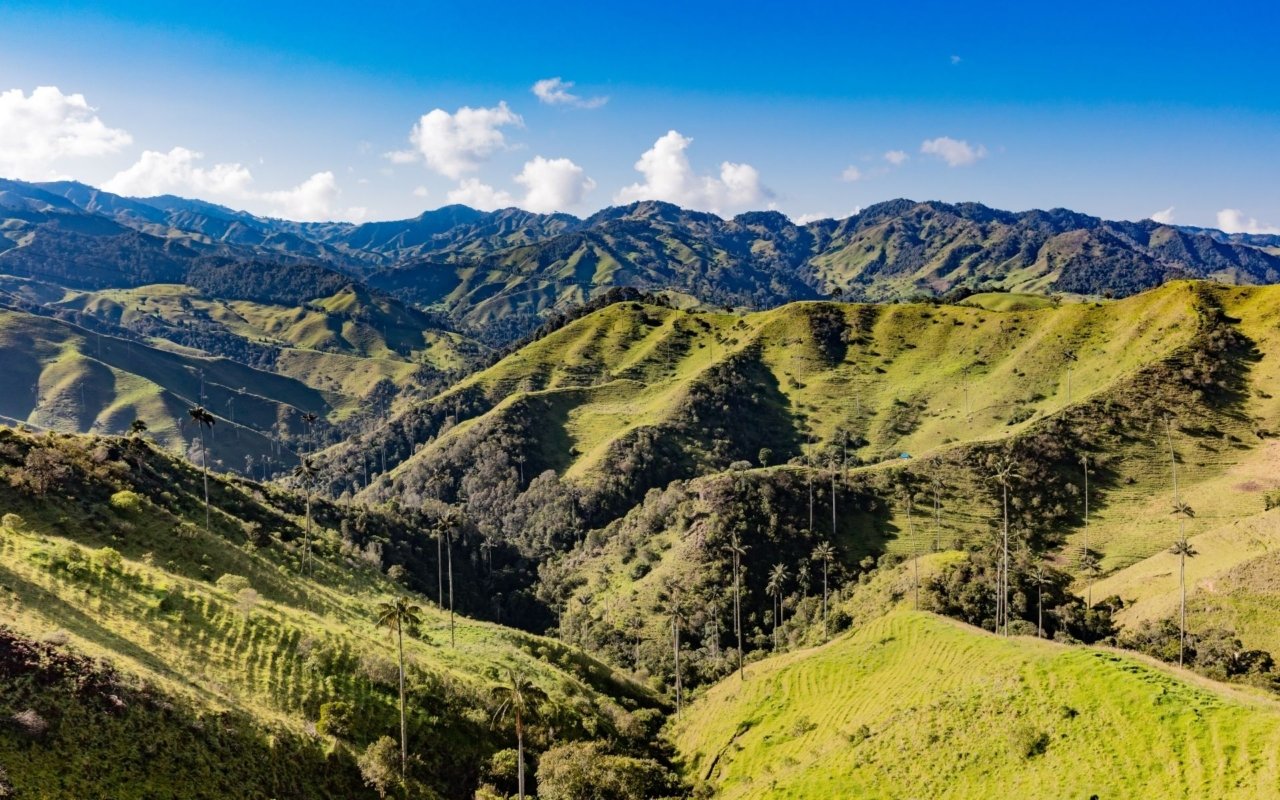
Salento is immediately appealing, with its yellow, blue and red facades, carved wooden balconies and relaxed atmosphere. The main street climbs to a mirador offering panoramic views of the valley and, on a clear day, the snow-capped peaks of Los Nevados Park. The Cocora Valley, accessible by Willys jeep (30 min. of colorful bumpy ride), is home to the wax palms, national trees that can reach 60 meters in height. These slender giants create a surreal landscape amid green meadows grazed by cows. The loop hike (4-6 hrs, 12 km) first crosses the valley of the palms, then climbs into the cloud forest, crosses suspension bridges, passes through coffee fincas and returns through the valley. Early morning departure essential to avoid clouds and afternoon crowds
Immersion in the coffee fincas
Family farms open their doors for tours of the entire process: planting, hand-picking of ripe cherries, pulping, fermentation, drying, roasting. Passionate producers pass on their know-how and pride. The final tasting teaches you to identify the aromatic notes (chocolate, red fruit, caramel, citrus) for which Colombian coffee is renowned. Some fincas offer bed and breakfast accommodation: wake up to birdsong, breakfast with freshly roasted coffee, help with the work, family meals. Authentic immersion guaranteed
Other villages to discover
Filandia retains its colonial authenticity with fewer tourists. Its mirador offers a 360° view of the Quindío valley. Salamina, declared a national monument, boasts sculpted balconies and the Samaria Valley, a less-frequented alternative to Cocora. Pijao, Córdoba and Buenavista reveal the peaceful rural pace of life far from the tourist circuits.→ All about the coffee region: The coffee region→ The coffee route in Colombia: Following the coffee route


The Caribbean: paradise beaches and colonial heritage
Cartagena: a fortified colonial gem
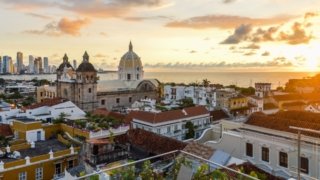
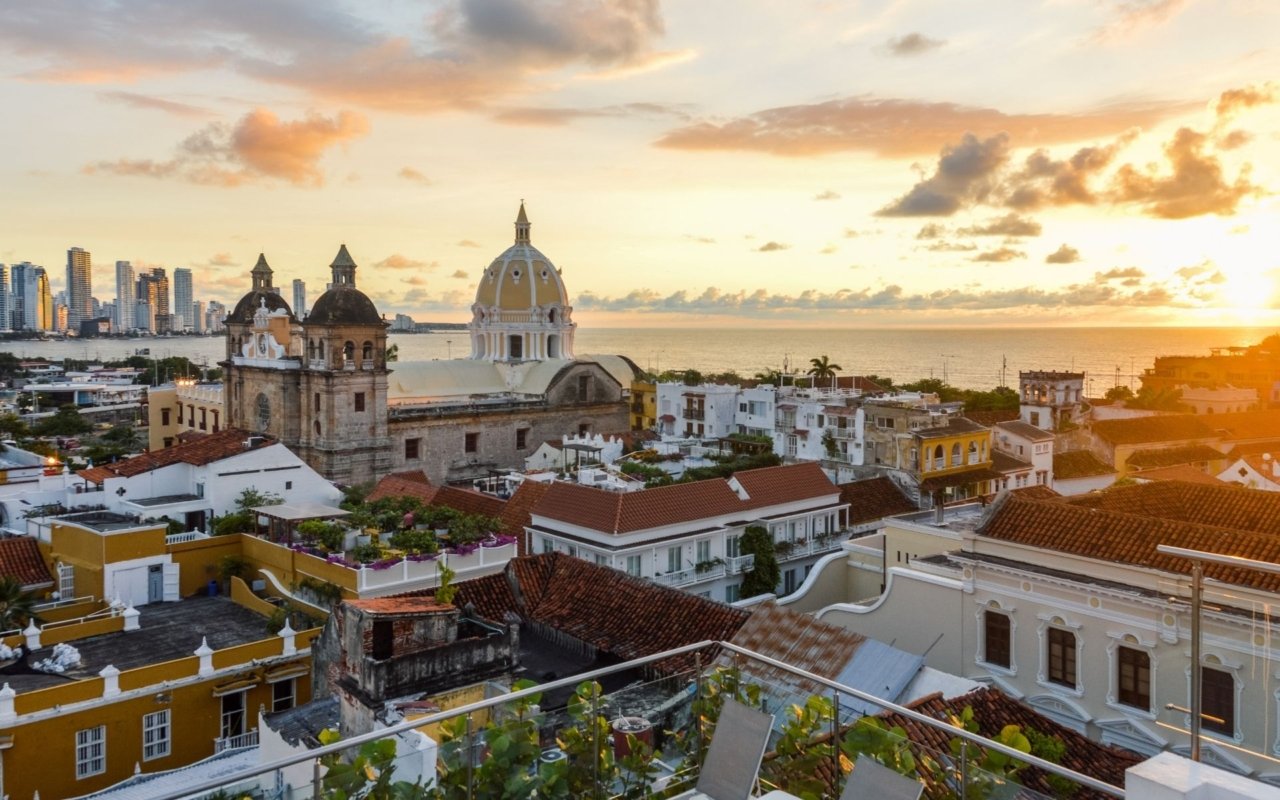
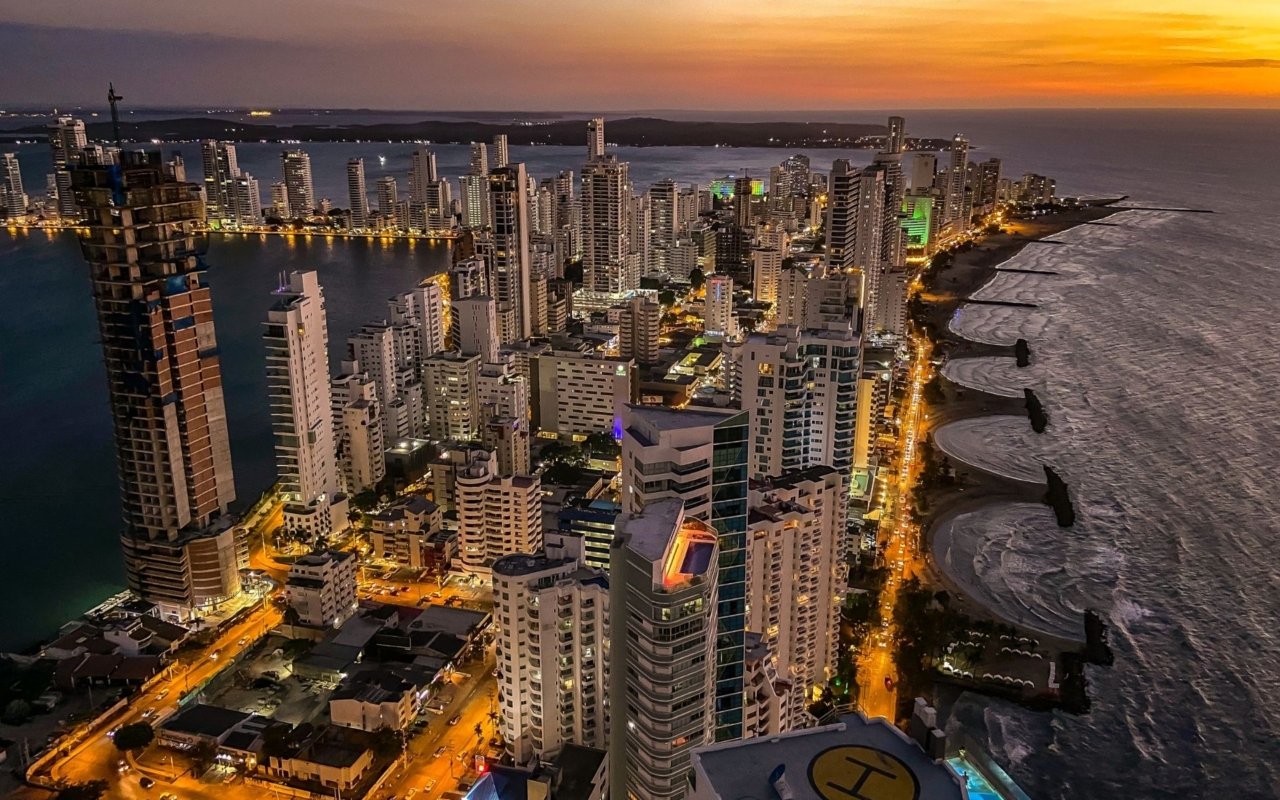
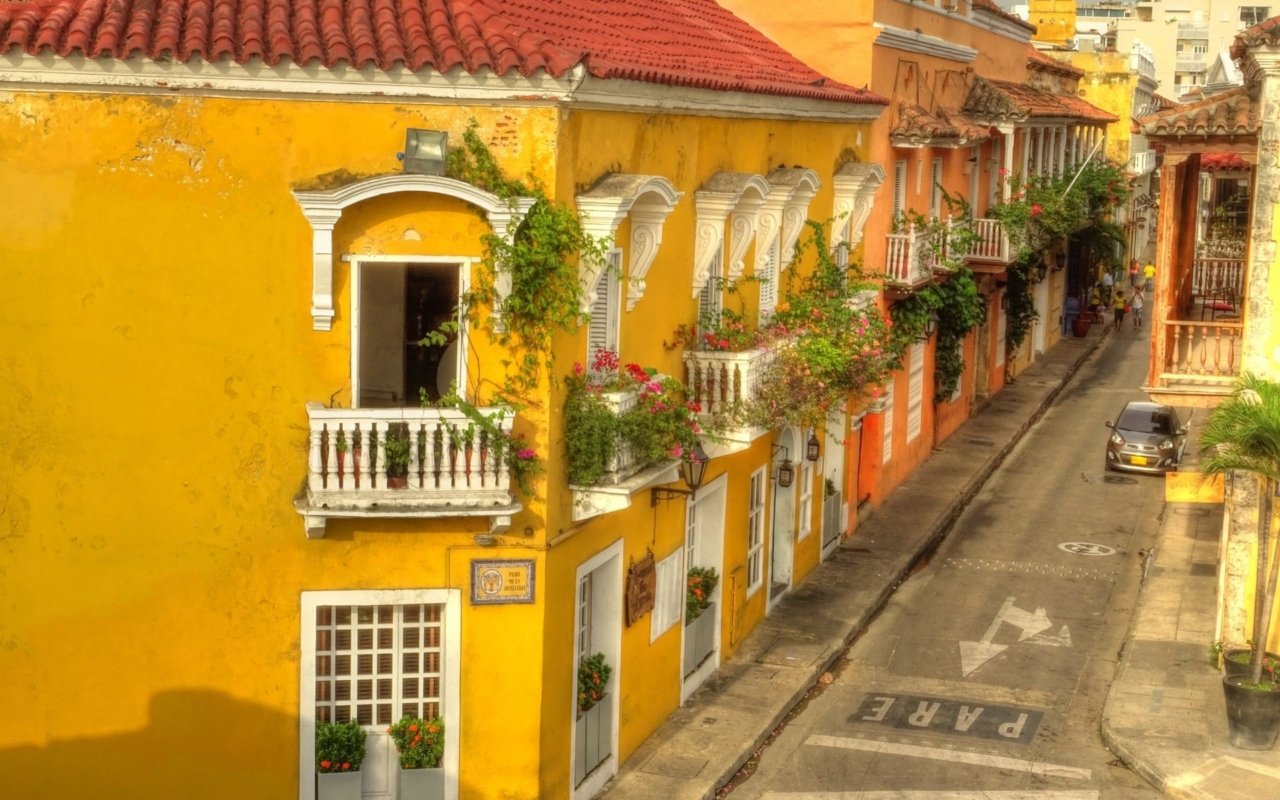
Cartagena is a UNESCO World Heritage Site for its exceptional historic center. Massive ramparts built in the 16th century surround the old town. The cobbled streets, flower-filled balconies, shady squares and colonial churches create a romantic atmosphere. The Castillo de San Felipe de Barajas, an impregnable fortress, dominates the city with its tunnels and ramparts.
The Getsemaní district, once a working-class suburb, vibrates to the rhythm of urban art, laid-back bars and live music. The Rosario Islands, a 1-hour boat ride away, offer picture-postcard beaches and turquoise waters for snorkeling.
→ Explore Cartagena: Complete Cartagena Guide
Tayrona: jungle and dream beaches
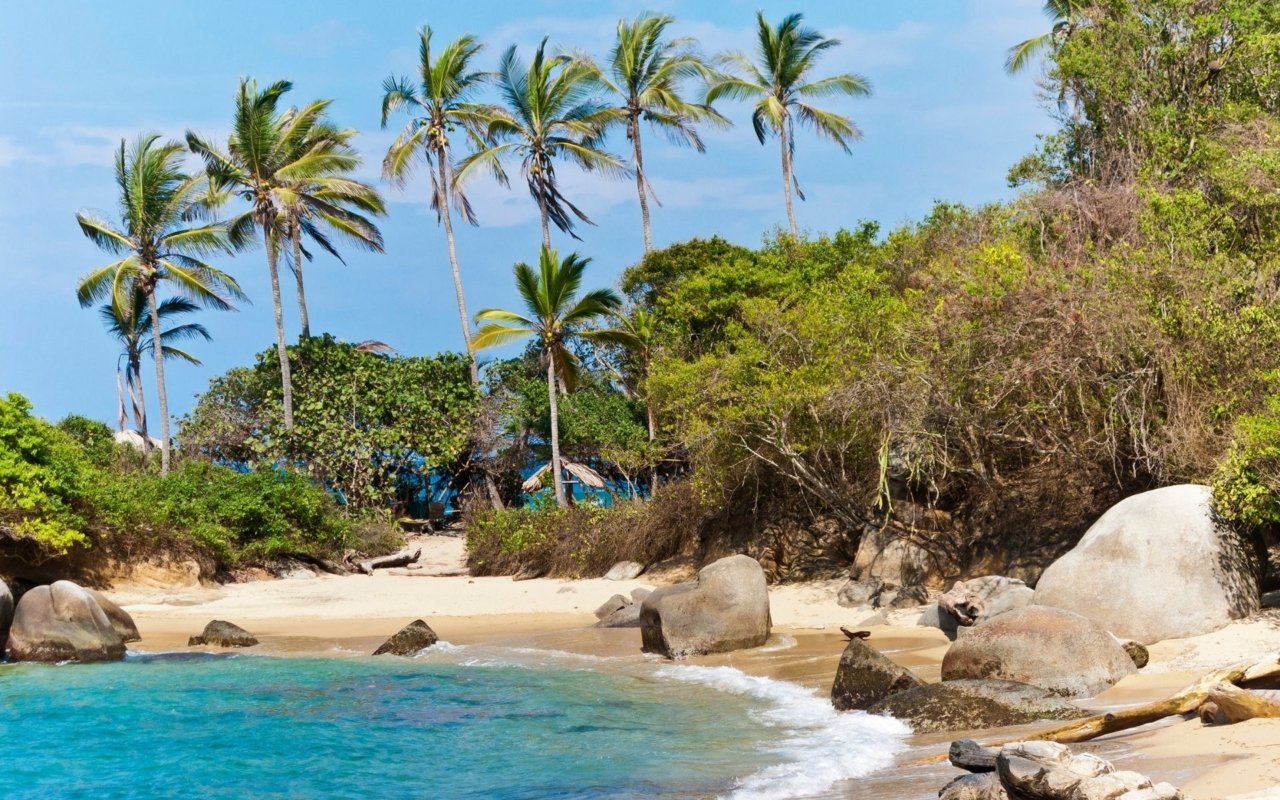
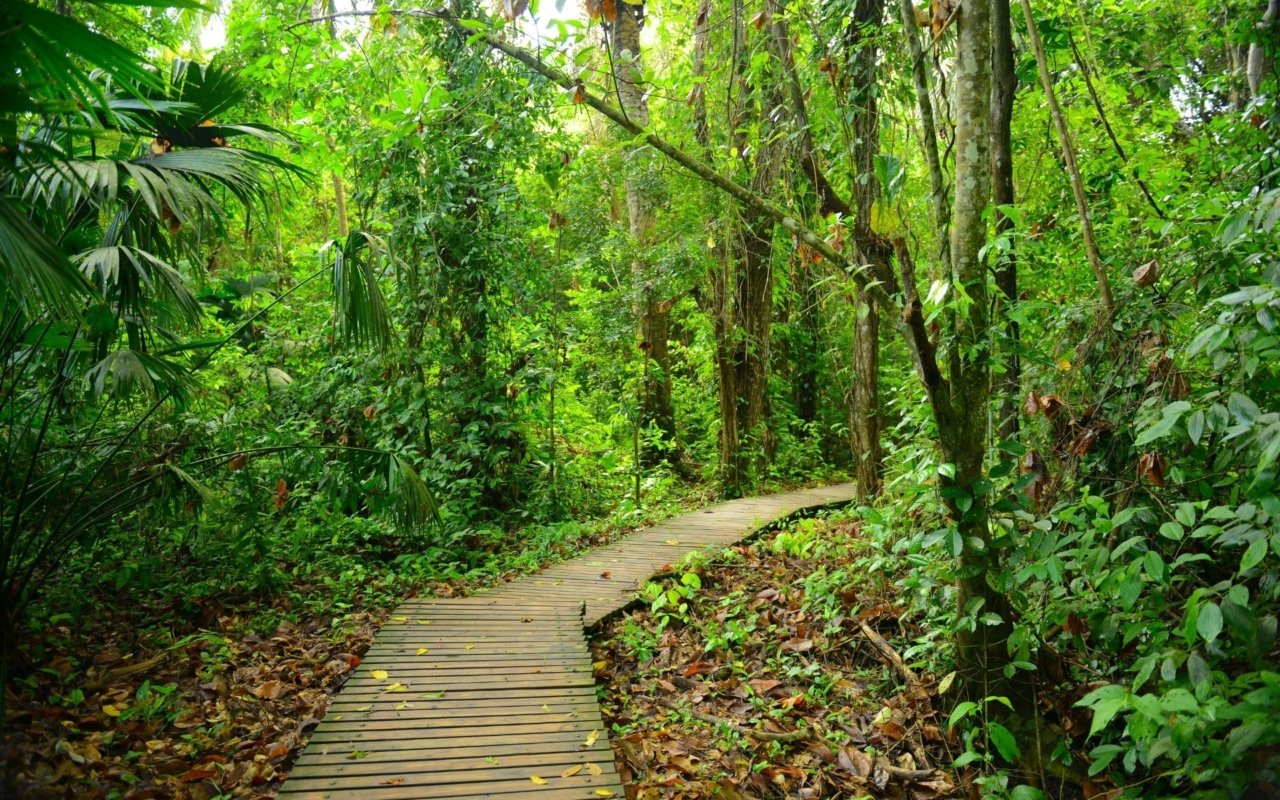
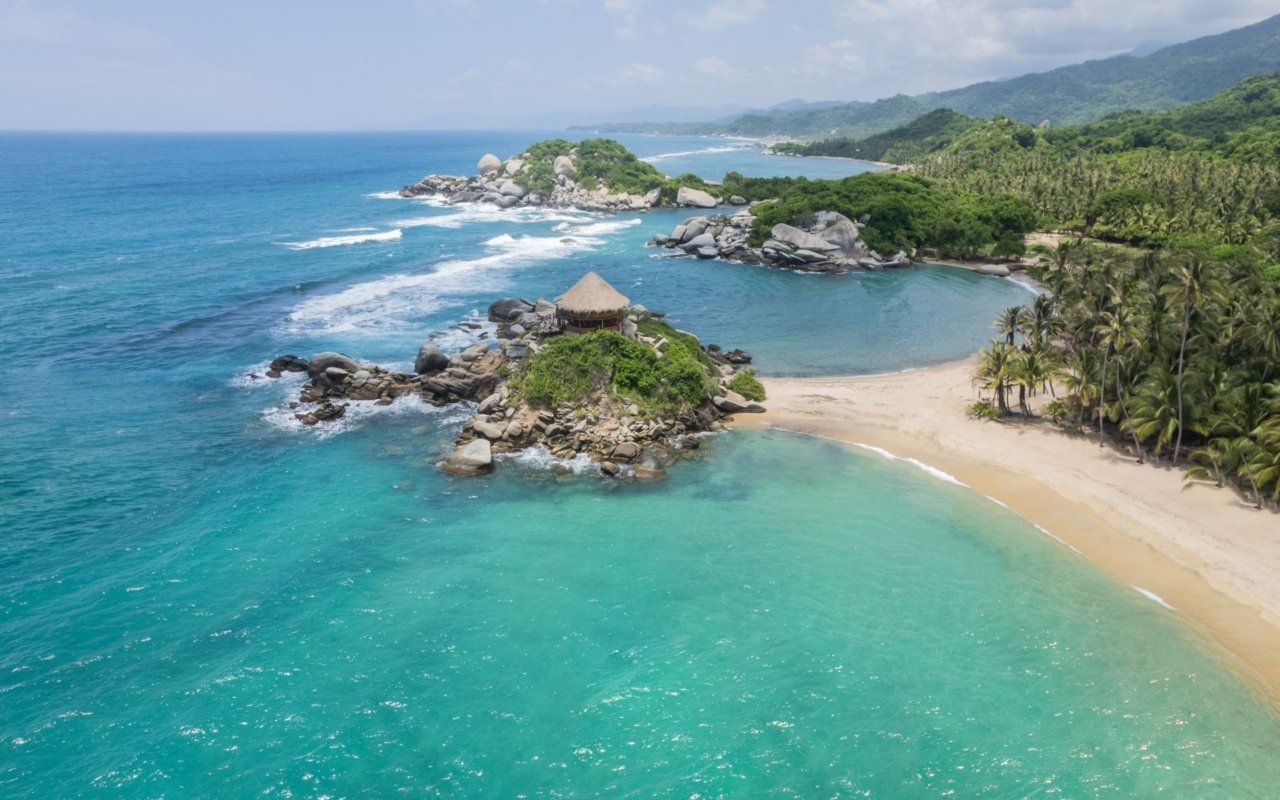
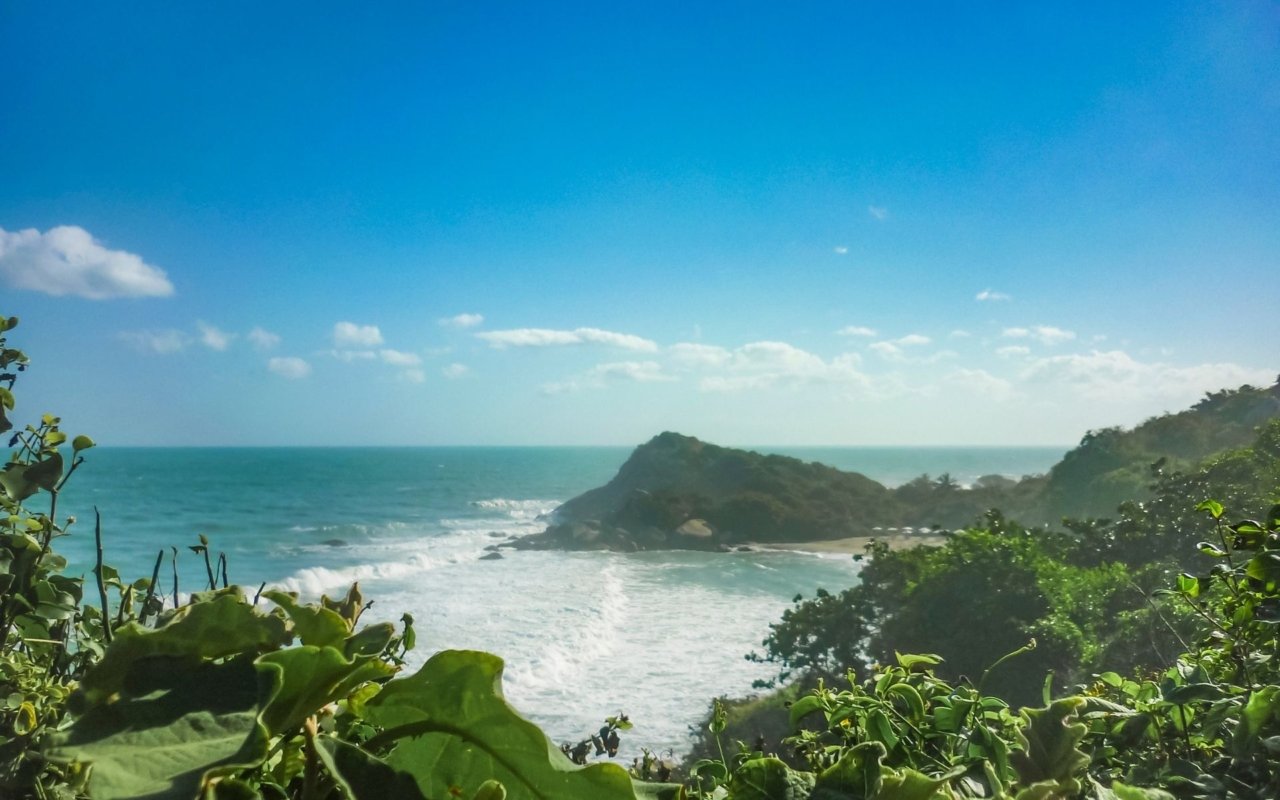
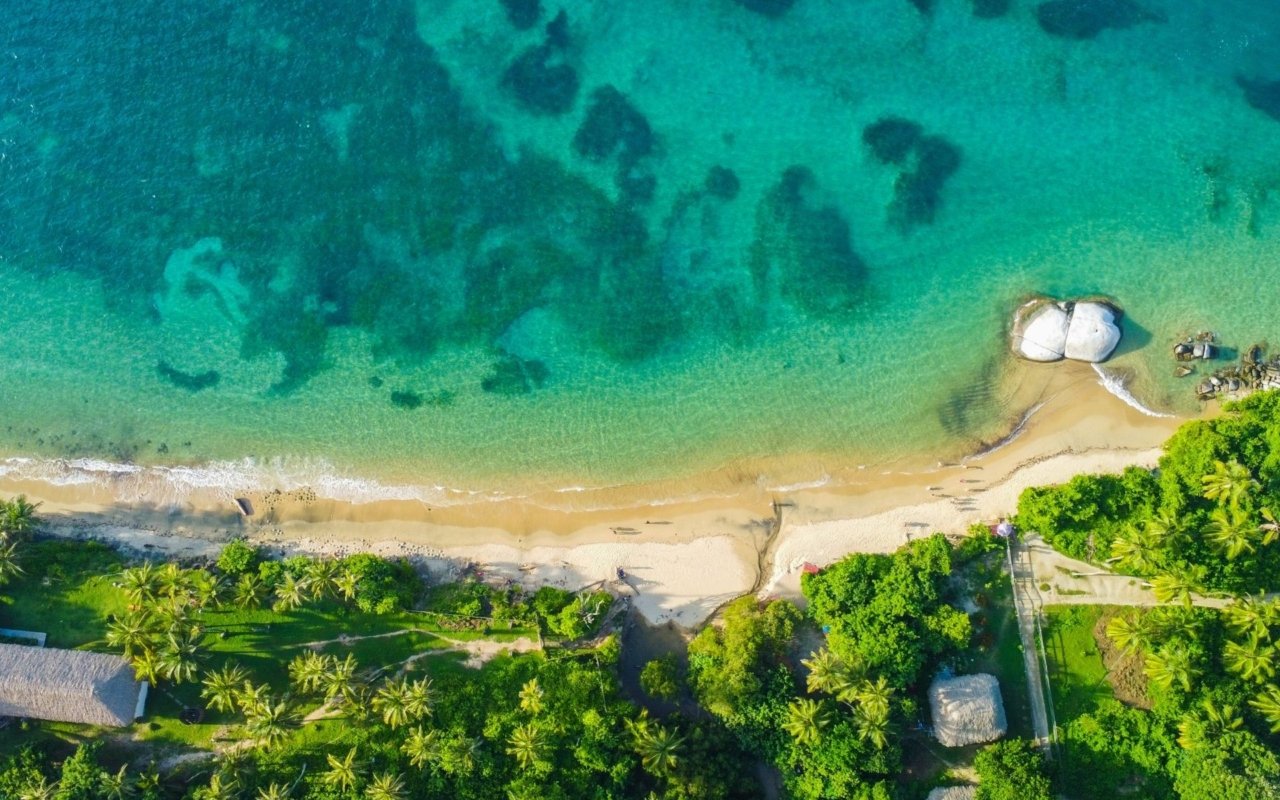
Tayrona National Nature Park, 1 hour from Santa Marta, has everything you could wish for: white sandy beaches lined with coconut palms, turquoise waters, dense tropical forest, granite rocks sculpted by the waves. The park lies at the foot of the Sierra Nevada, the highest coastal range in the world (peaks at 5,775 m, just 42 km from the sea).
The main trail (1h30-2h walk from the El Zaino entrance) crosses several beaches: Arrecifes (swimming prohibited, dangerous currents), La Piscina (protected cove, safe swimming), Cabo San Juan (iconic beach, two coves separated by a rocky promontory). Sleeping in the park transforms the experience: after the excursionists have left, tranquillity returns, the howler monkeys wake up and the waves give rhythm to the night.
Playa Cristal, accessible only by boat, offers exceptionally clear waters and coral reefs for exceptional snorkeling.
→ Discover Tayrona: Tayrona Park and Santa Marta
Santa Marta and surroundings
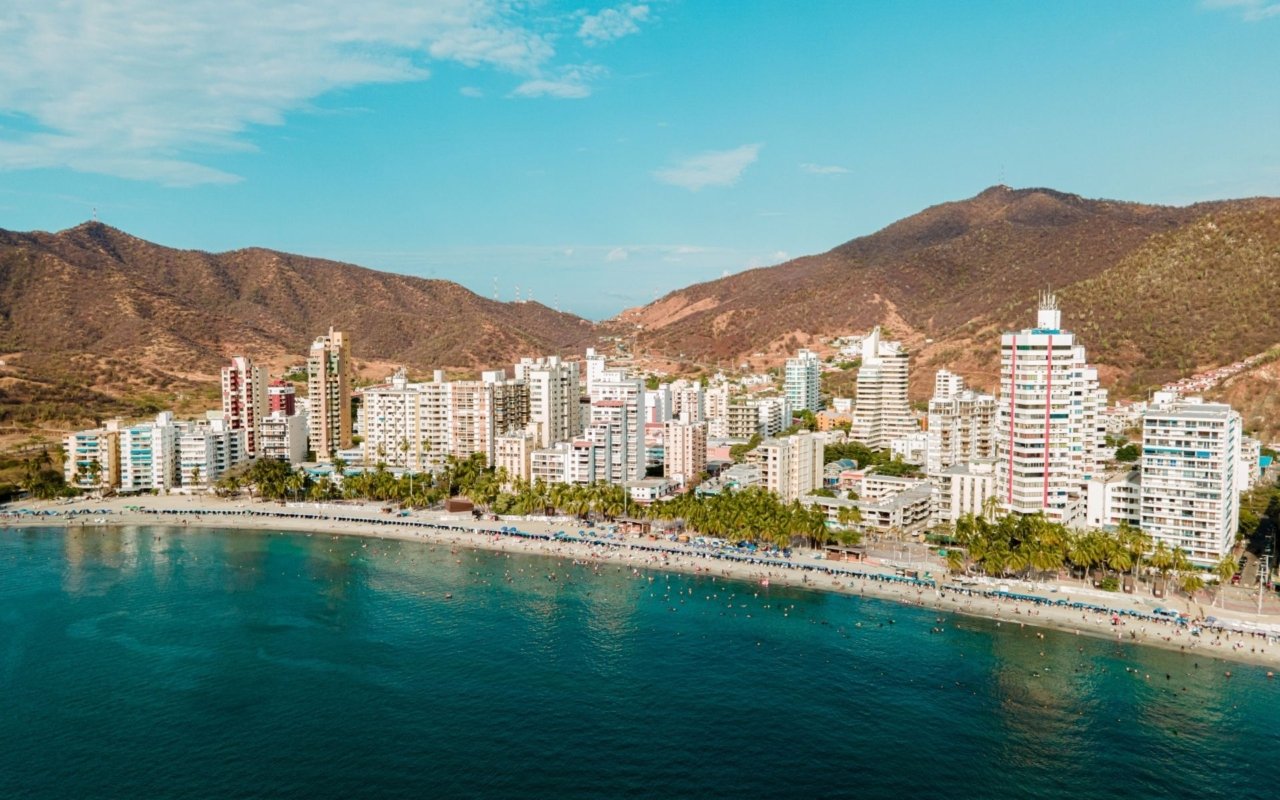
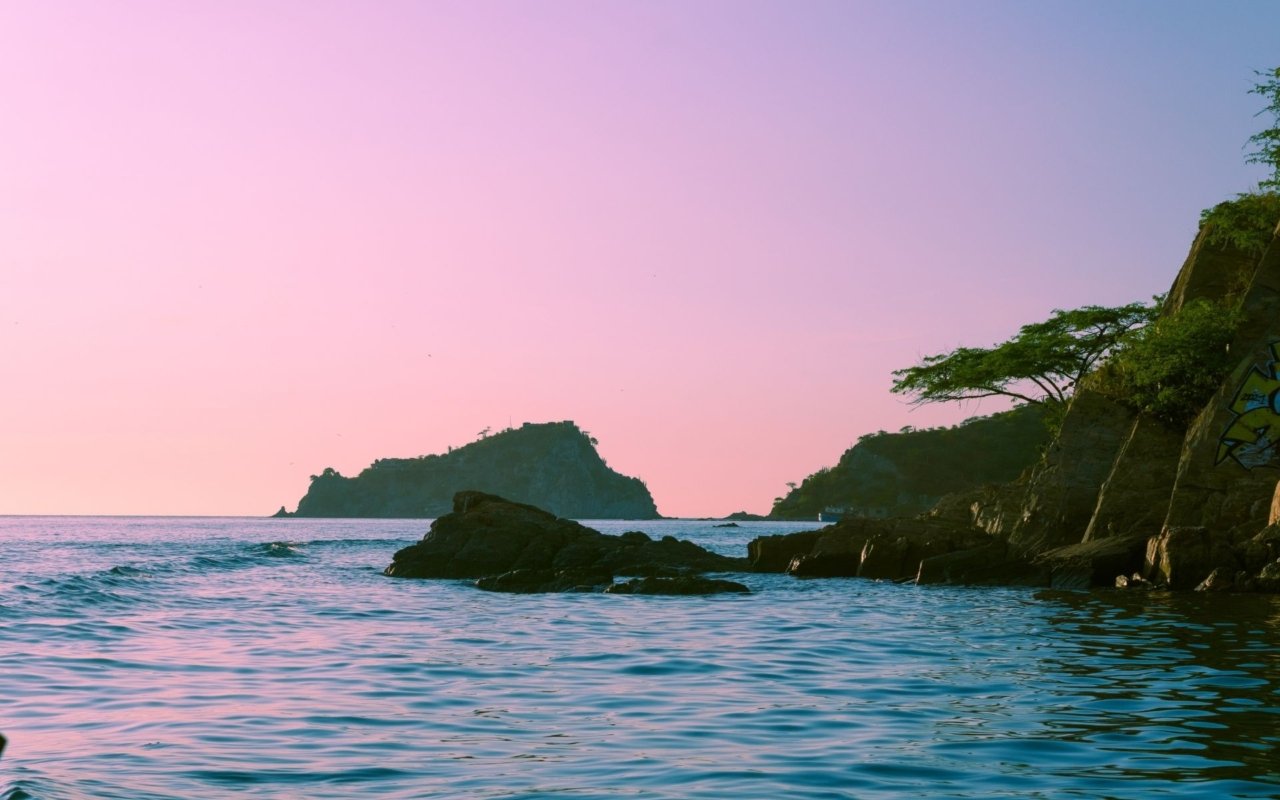
Santa Marta, Colombia’s oldest colonial city (founded in 1525), serves as a base for exploring the region. The historic center retains colonial traces, while the Tayrona Gold Museum exhibits pre-Columbian goldsmiths’ and silversmiths’ work.
Taganga, a fishing village 15 min away, attracts divers with its economical PADI centers. Minca, 45 min away in the mountains (600 m altitude), offers welcome coolness, coffee plantations, waterfalls and a laid-back hippie vibe. Palomino, 1 hr to the east, is a magnet for surfers and offers tubing: float down the river through the rainforest to the sea (1 hr of pure pleasure).
→ The Caribbean region: Complete guide to the Caribbean
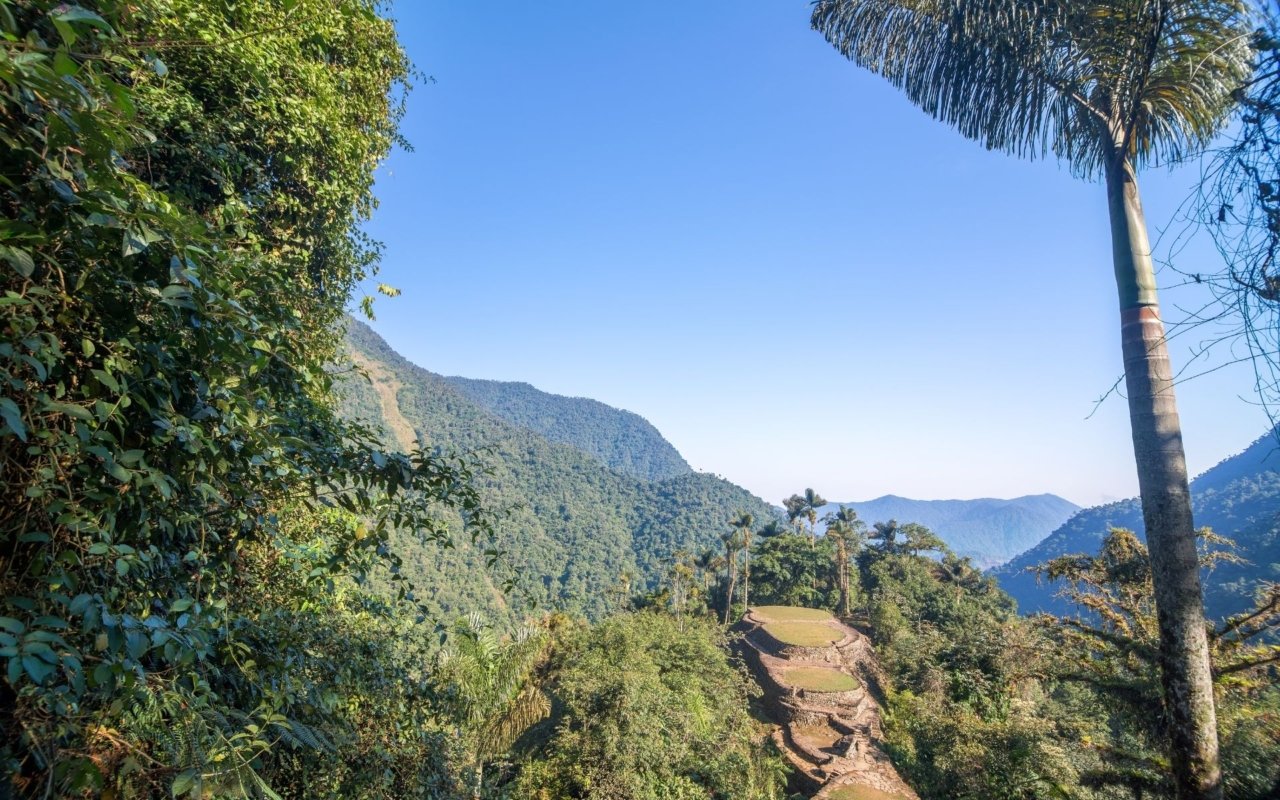
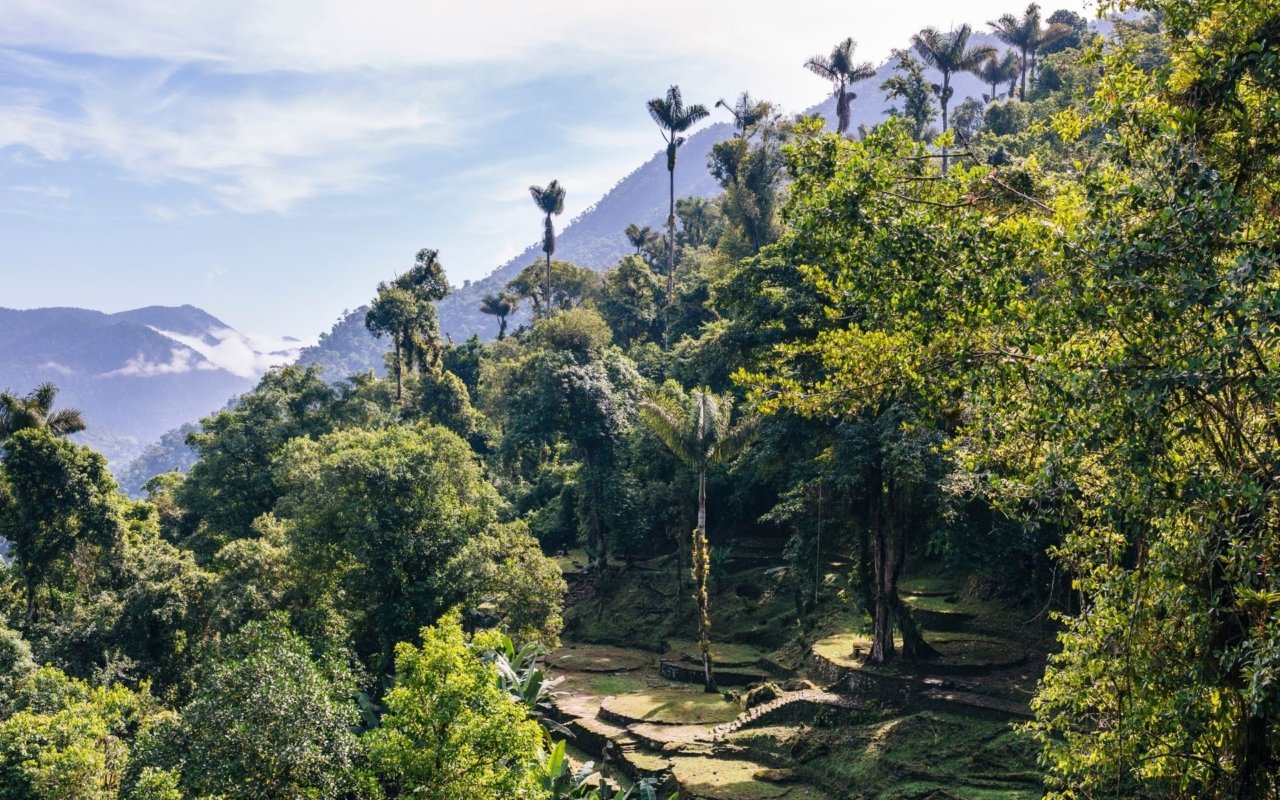
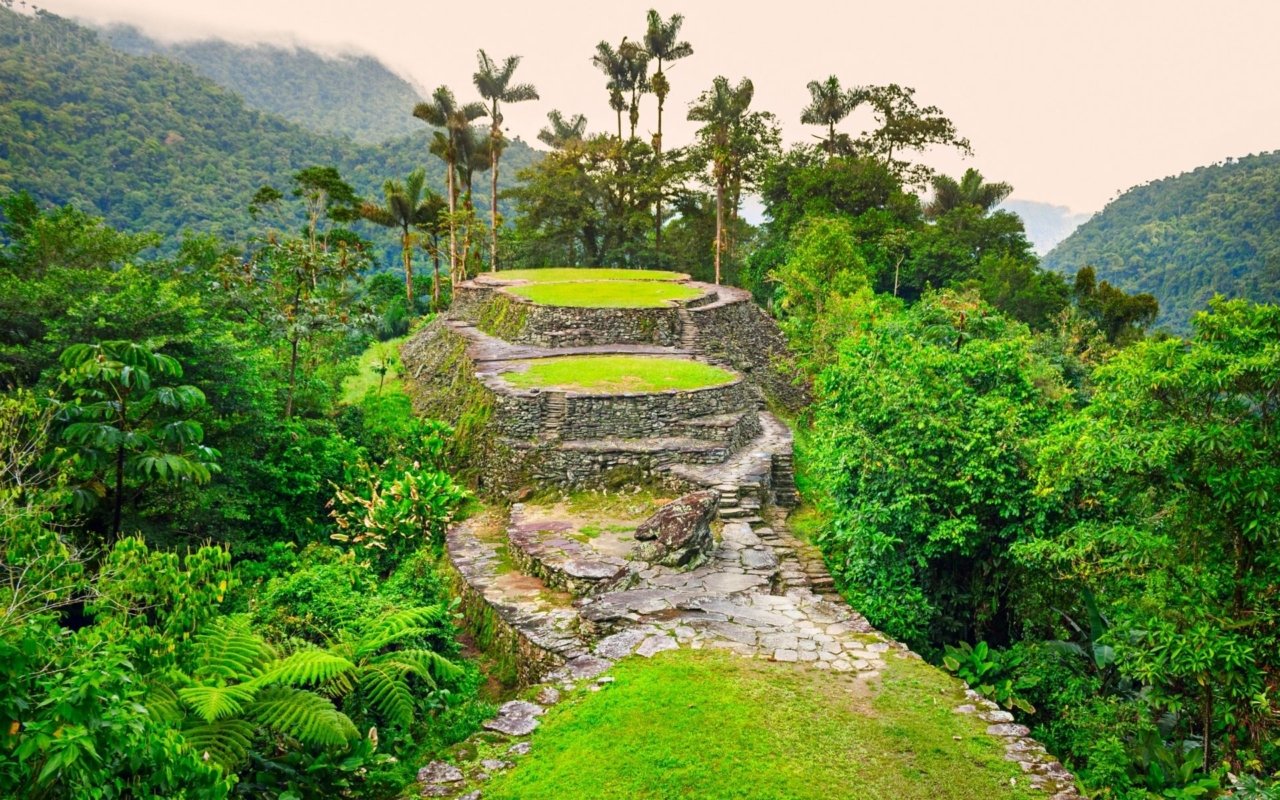
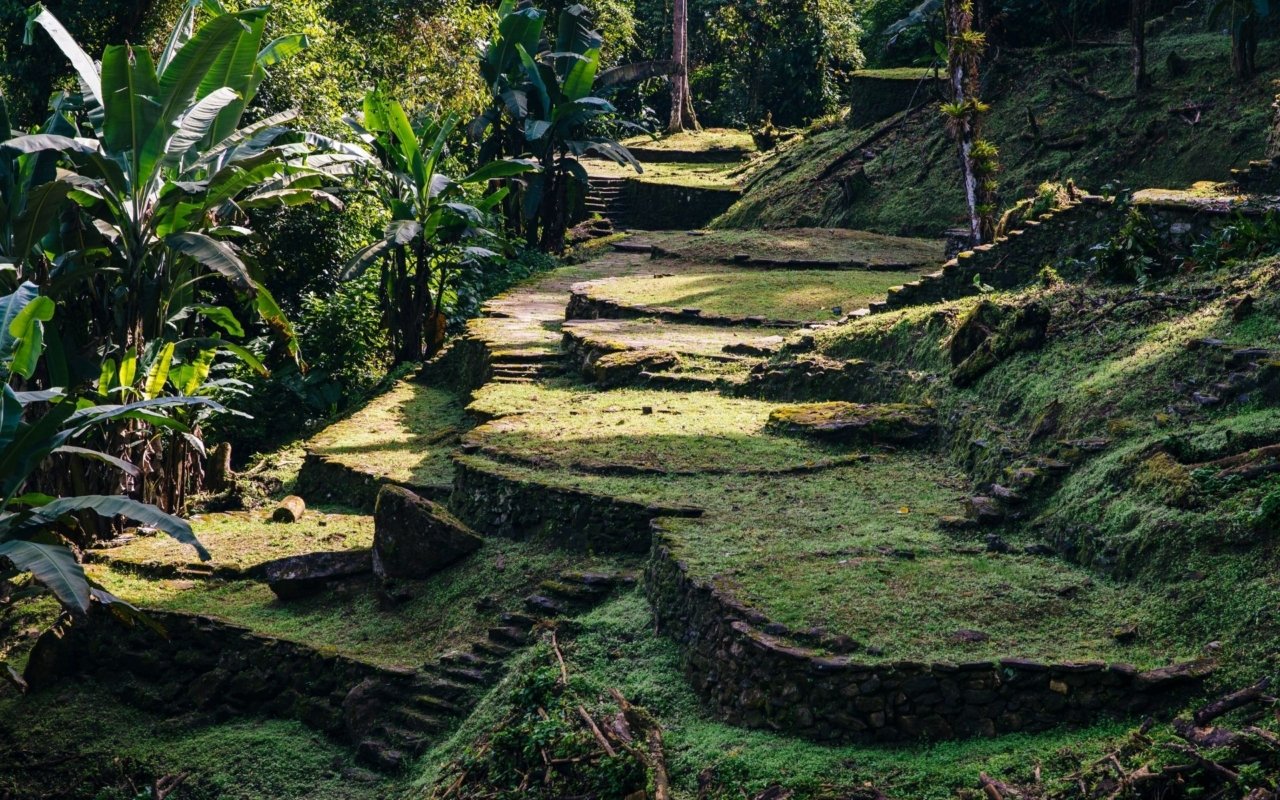
Ciudad Perdida: the Lost City, Colombia’s iconic trek
The trek to the Lost City (4-5 days) crosses the Sierra Nevada jungle to a pre-Columbian city built around the year 800, several centuries before Machu Picchu. The site, rediscovered in 1972, extends over terraces linked by stone staircases amid lush vegetation.
The trek is demanding: humid heat, rivers to cross (sometimes a dozen times a day), steep climbs, 1,200 final steps. But the rewards are immense: primary jungle landscapes, bathing in crystal-clear rivers, nights in hammocks in rustic camps, encounters with the Kogui communities who inhabit the Sierra, and the thrill of discovering terraces lost in the morning mist.
Access is via an authorized agency from Santa Marta. The trek requires good physical condition and early booking in high season.
→ All about the trek: Ciudad Perdida guide→ Trekking and adventure tours: Trekking in Colombia


San Andrés and Providencia: Caribbean islands
800 km offshore in the Caribbean Sea, the archipelago cultivates a unique identity. The raizal culture, an Afro-Caribbean blend of English, African and Spanish influences, manifests itself in spoken Creole, colorful wooden architecture, reggae-calypso music, coconut milk cuisine and Baptist churches.
San Andrés: the sea of seven colors
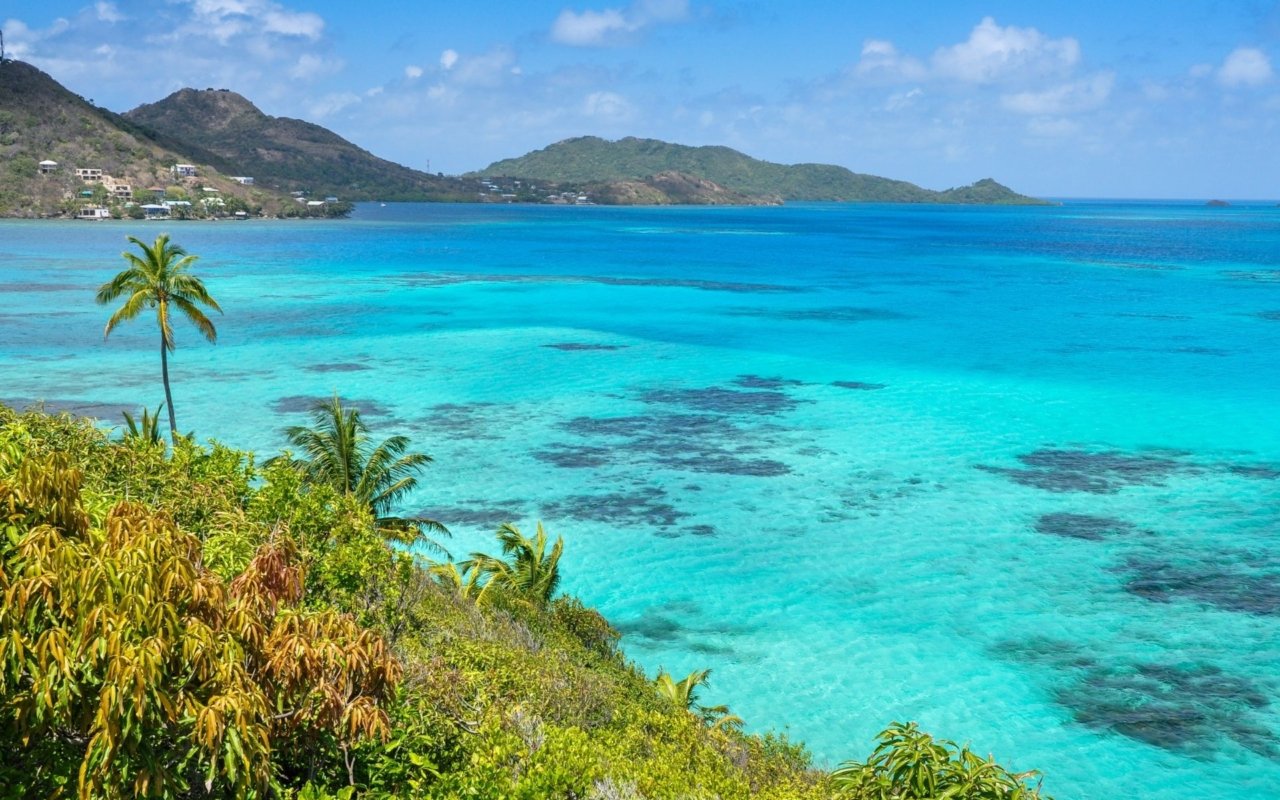
The phenomenon that made San Andrés famous: a spectacular gradation from pale turquoise to deep blue, passing through emerald green, violet and indigo. These variations are the result of varying depths, white sandy bottoms and exceptional water clarity. The West View, a platform on stilts, offers the best observation point and exceptional snorkeling.
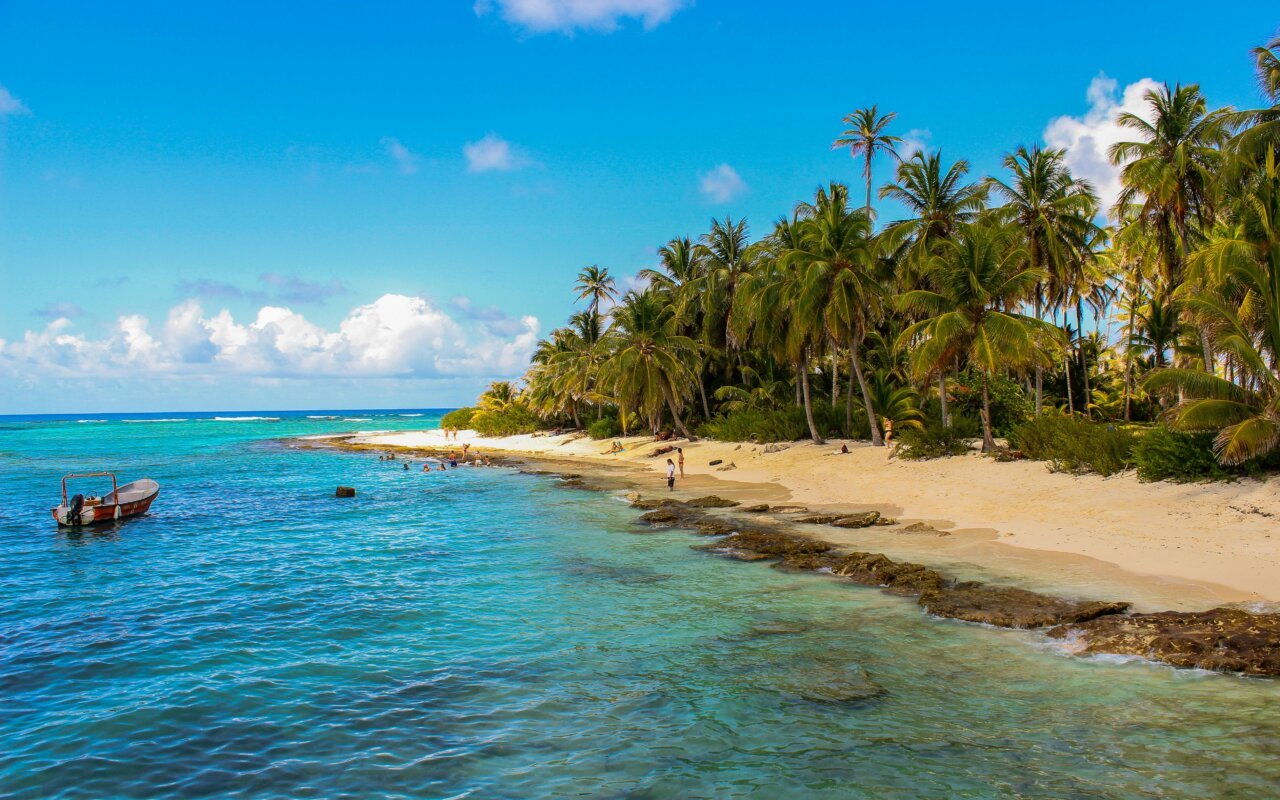
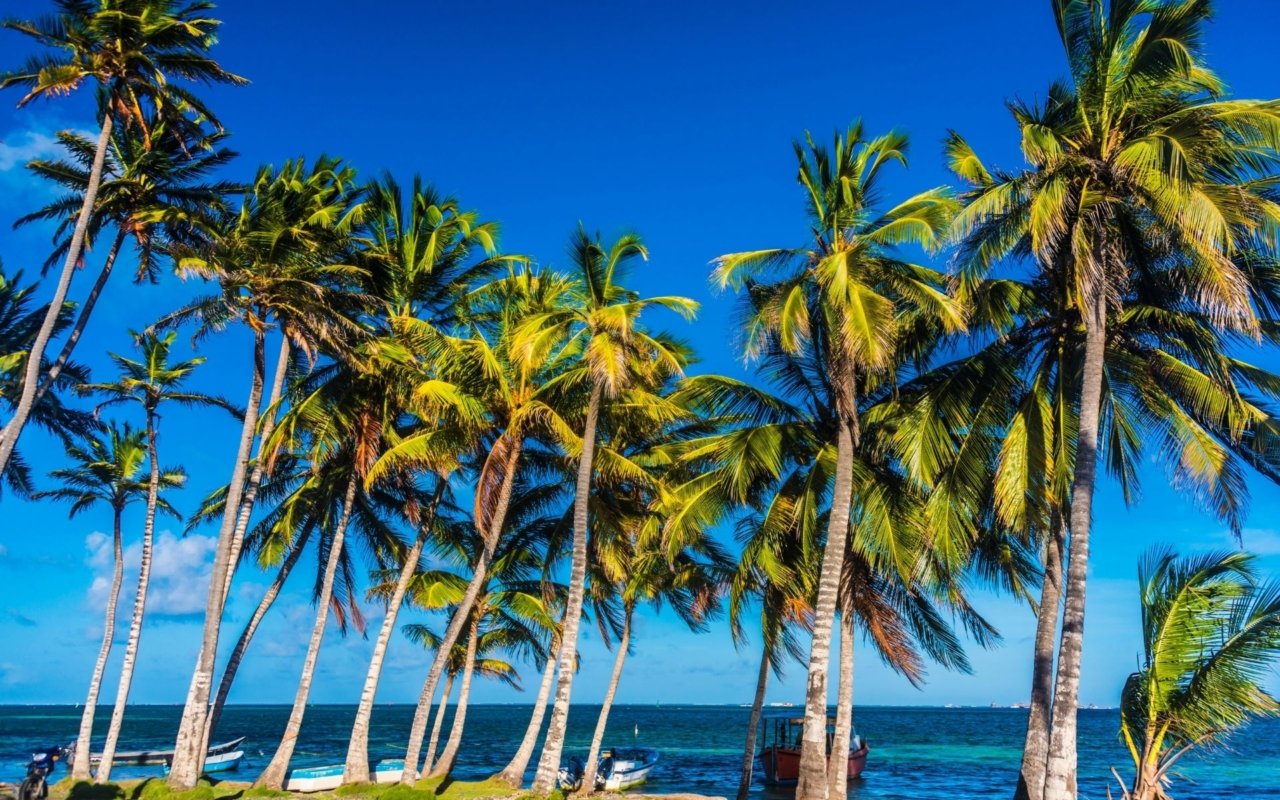
Johnny Cay, a small island paradise accessible by boat, is the epitome of a Caribbean postcard: white sand, leaning coconut palms, turquoise waters and a reggae atmosphere on weekends. A tour of the island by golf cart or scooter reveals secret coves, deserted beaches (Cocoplum, Sonora) and authentic raizal villages.
Providencia: unspoilt island and exceptional diving
Providencia, 90 km to the north (accessible by catamaran in 3 hours or by plane in 20 minutes), remains miraculously unspoilt. This small, mountainous island of 17 km² boasts some of the finest coral reefs in Colombia, and the third largest barrier reef in the world. Diving and snorkeling reveal an extraordinary biodiversity: giant corals, manta rays, sea turtles, nurse sharks. Visibility often exceeds 30 meters.
Bahía Aguadulce (Manzanillo) stretches for hundreds of meters along a white sandy beach fringed by coconut palms. Restaurants with their feet in the sand serve lobster and freshly caught fish. Cayo Cangrejo, an islet accessible at low tide, offers exceptional snorkeling. Santa Catalina, linked by the Lovers’ Bridge, is home to the Cabeza de Morgan, a legendary rock formation with a spectacular view.
The limited infrastructure (few hotels, quiet roads) has protected the island’s authenticity. The pace is slow, locals greet each other, time passes differently.
→ Discover the archipelago: San Andrés and Providencia guide

Visiting off-the-beaten-track nature destinations in Colombia

Caño Cristales: the river of five colors
Nicknamed “the most beautiful river in the world”, Caño Cristales puts on a breathtaking show in Serranía de la Macarena National Park. Scarlet red, lemon yellow, emerald green, sapphire blue and black mingle beneath the crystal-clear waters, thanks to the Macarenia clavigera, an endemic aquatic plant that blooms in optimal conditions.
The phenomenon only occurs from June to November, with peak intensity from July to October. For the rest of the year, the river loses its color. The park, long inaccessible because controlled by FARC, symbolizes the rebirth of post-conflict Colombia since the 2016 peace agreement.
Access is via an agency from La Macarena (flight from Bogotá, Villavicencio or Medellín). Typical stay: 4-5 days with daily excursions to different areas (Los Pianos, Piscina del Turista, El Tapete Rojo). Strict rules: no sunscreen (which kills the plant), no plastic, swimming only in authorized areas. It’s an expensive but unforgettable destination.
→ Prepare your trip: Caño Cristales Guide
Leticia and the Amazon: immersion in the jungle
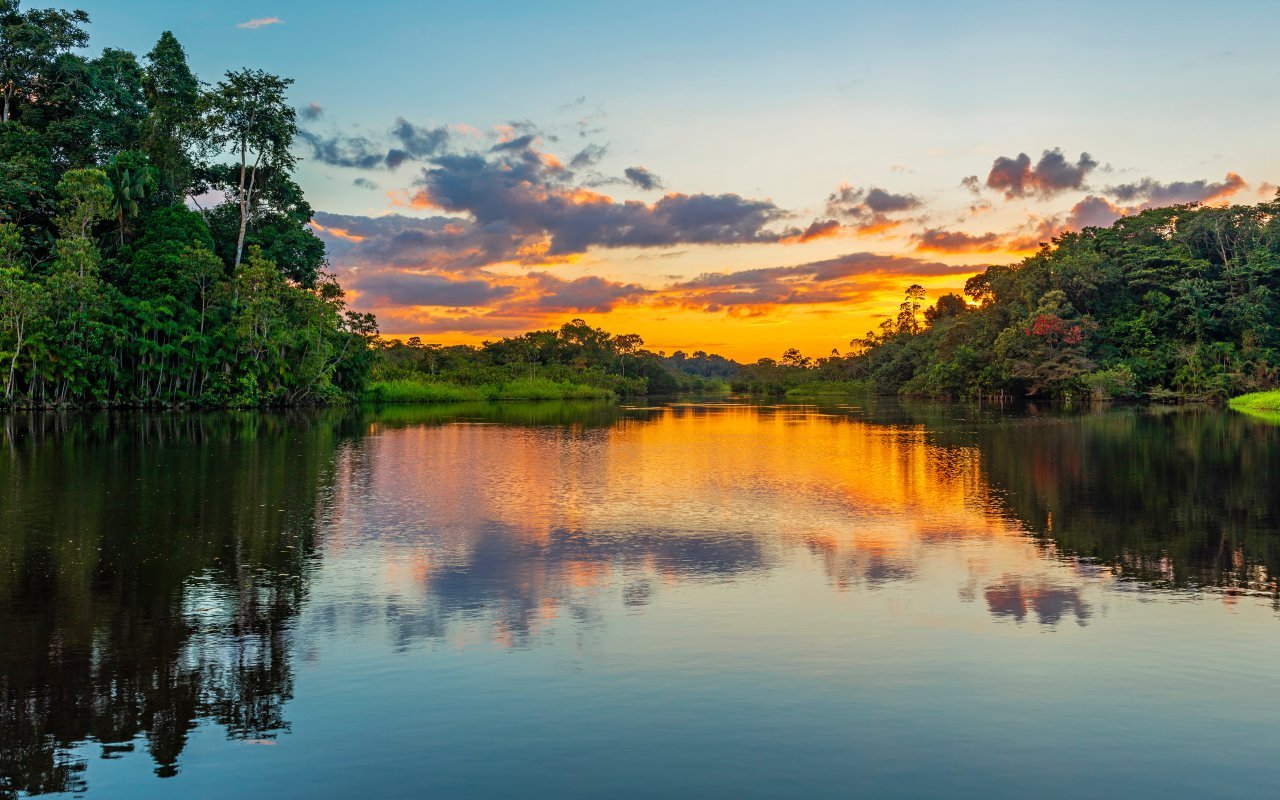
At the southernmost tip of Colombia, where the borders with Brazil and Peru meet in the middle of the Amazon River, Leticia plunges into the Amazonian universe. This tropical town of 50,000 inhabitants, accessible only by air (1h30 from Bogotá), opens its doors to the immensity of the equatorial forest.
The Amazon River impresses by its sheer size: several kilometers wide, powerful, the color of café-au-lait, laden with sediment. River excursions reveal impenetrable jungle landscapes, villages on stilts and river islands. Pink dolphins (boto), emblematic mammals, play in the eddies. Monkeys (howlers, capuchins, tamarins), birds (toucans, macaws, herons), caimans (observable at night) and sloths populate this exuberant biodiversity.
Puerto Nariño, an ecological village 2 hours away by pirogue, illustrates sustainable development in the Amazon: no cars, traditional wooden architecture, exemplary waste management. The lakes of Tarapoto are home to giant Victoria regia water lilies (leaves 2 m in diameter) and pink dolphins.
Indigenous communities (Tikuna, Yagua, Uitoto) share their knowledge of medicinal plants, fishing techniques, crafts and cosmovision. Jungle lodge stays offer total immersion: nights punctuated by insect and frog concerts, guided day and night walks, wildlife observation, piranha fishing.
→ Explore the Amazon: Guide to the Colombian Amazon
What to do in Colombia's archaeological south: pre-Hispanic civilizations and deserts
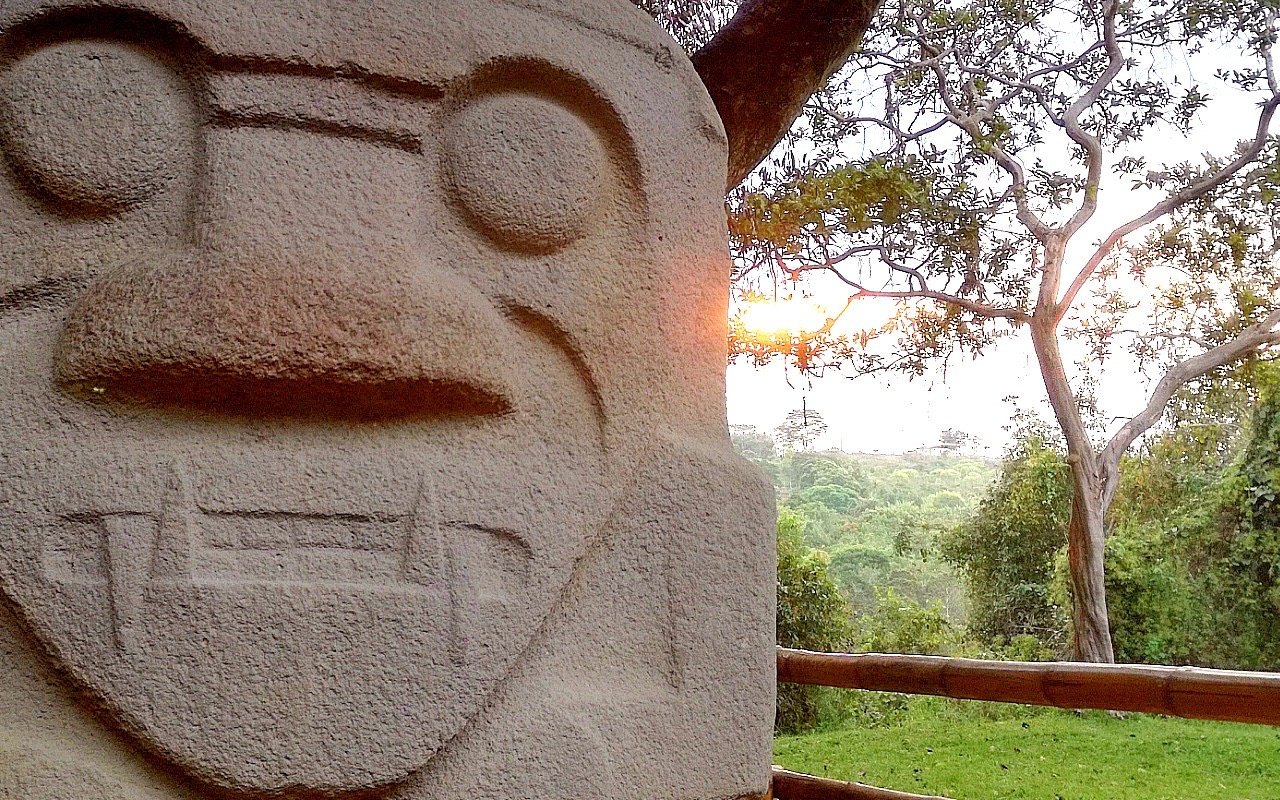

San Agustín and Tierradentro: UNESCO sites
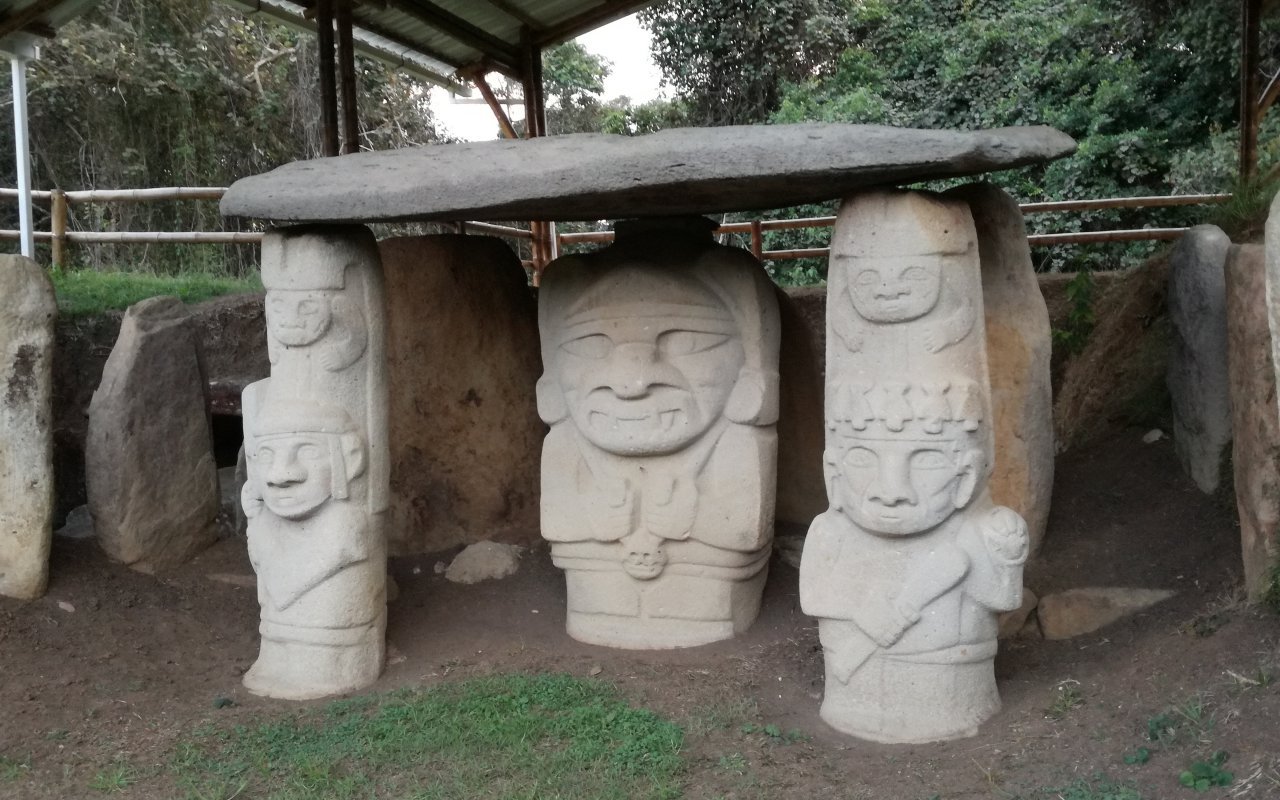
San Agustín, a UNESCO site, is home to the largest pre-Columbian necropolis in South America. More than 500 monumental volcanic stone statues, carved between the 1st and 8th centuries, represent divinities, warriors and mythological animals. The archaeological park extends over several sectors accessible on foot or horseback through lush green landscapes of hills and rivers. Tierradentro, another UNESCO site 4 hours away, reveals pre-Columbian hypogeums: underground tombs dug into the rock with polychrome geometric decorations. Access to the hypogeums is via ladders, creating a unique exploration experience.

Tatacoa Desert: Martian landscapes
The Tatacoa Desert, Colombia’s second largest desert, offers ochre, grey and white landscapes reminiscent of Mars or American westerns. Erosion has sculpted fairy chimneys, narrow canyons and a natural labyrinth. The red desert (El Cuzco) displays intense warm colors. The grey desert (Los Hoyos) features ghostly formations with refreshing natural pools.
The night sky is among the purest in Colombia. The Milky Way crosses the sky like a milky ribbon. Private observatories offer guided sessions with powerful telescopes revealing lunar craters, Saturn’s rings and nebulae. A cosmic experience guaranteed.
The colonial village of Villavieja is home to a fascinating paleontological museum with 600+ fossils: giant sloth skeletons, prehistoric armadillos, crocodiles, witnesses to the region’s spectacular climatic transformations.
→ Discover the south: Guide to the archaeological south
What to do in Colombia: must-see activities


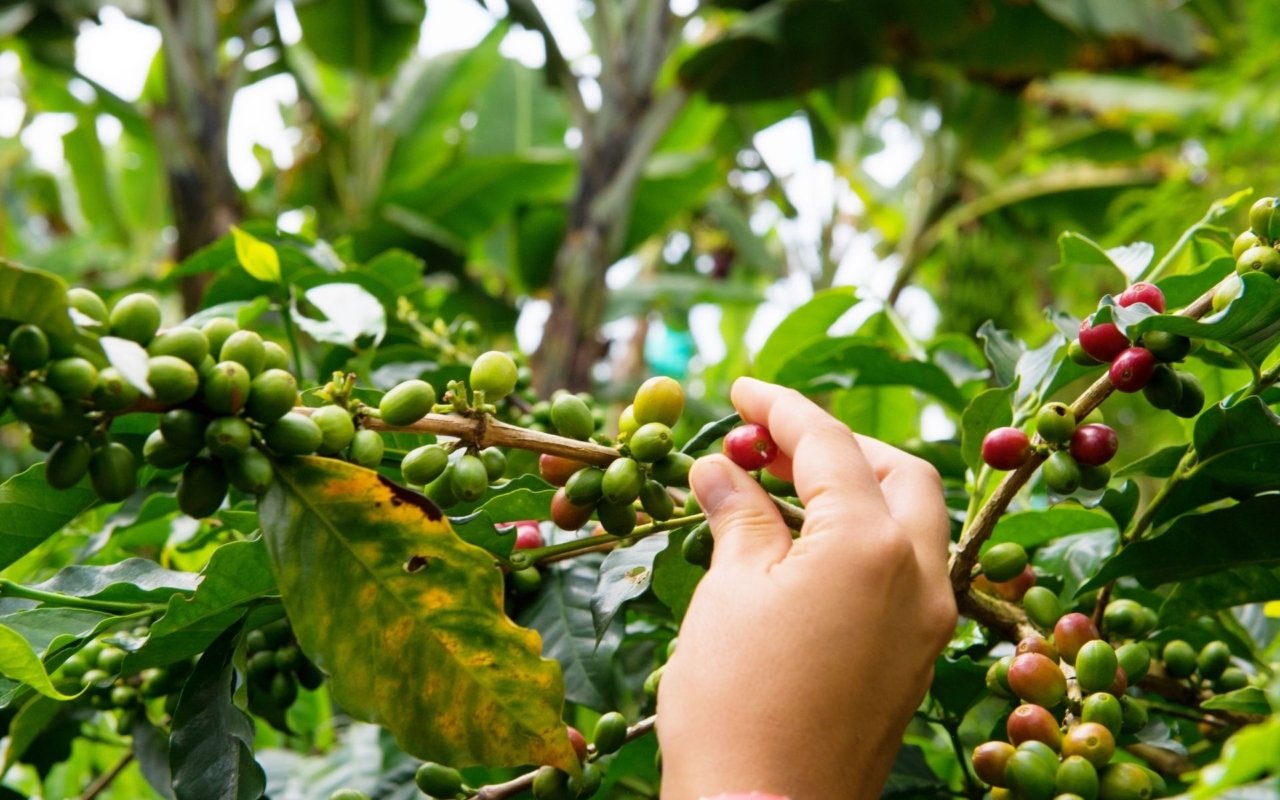
Coffee: from plantation to cup
Visiting a coffee finca in the coffee region is a must. Understand the entire process, take part in the picking, taste a freshly roasted specialty coffee and talk to passionate producers. Some fincas offer accommodation for a complete immersion in rural life.
→ All about coffee: Coffee growing in Colombia
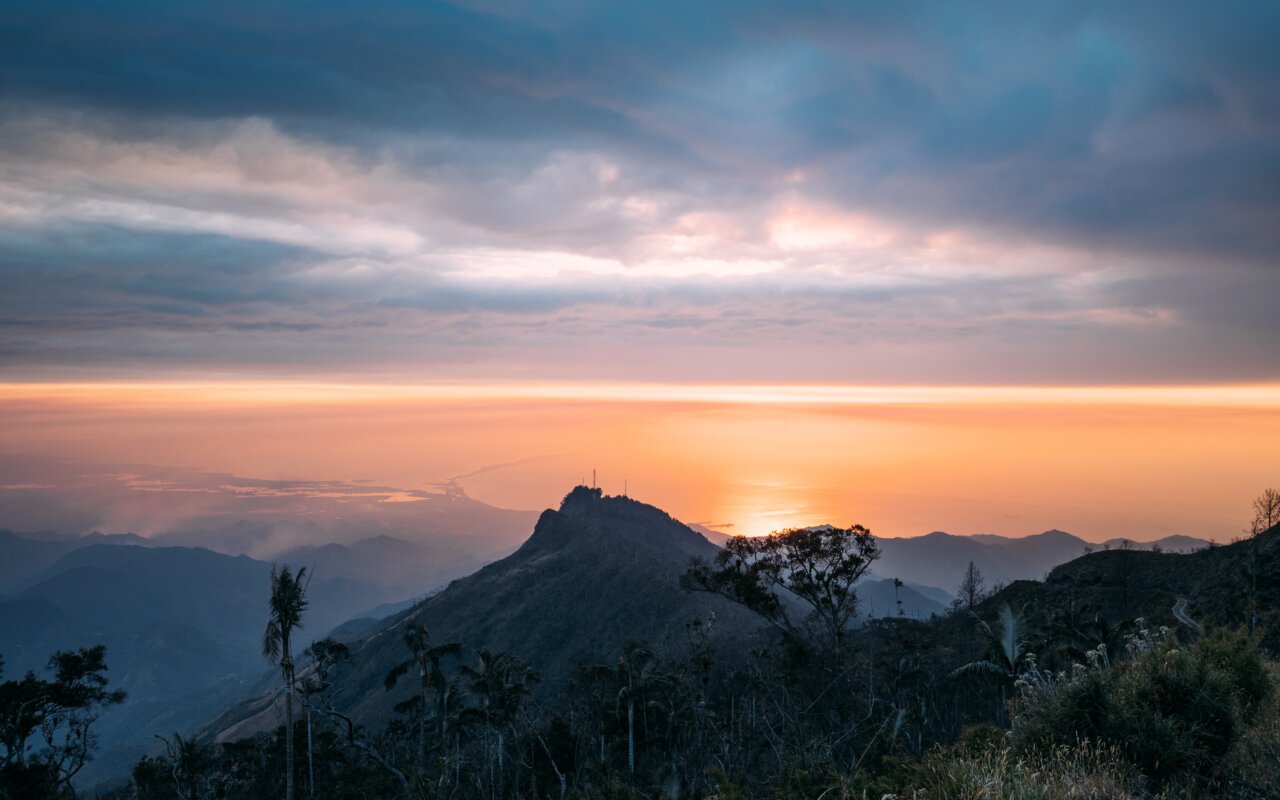
Trekking and hiking
Beyond Ciudad Perdida, Colombia offers a variety of treks: Los Nevados Park (snow-capped volcanoes at 5,000 m, páramo, high-altitude lakes), Iguaque páramo (sacred Muisca lake at 3,800 m), Cocora Valley (cloud forest and giant palm trees). The Andean scenery rewards the effort.
→ The best treks: Trekking in Colombia

Beaches, diving and snorkeling
San Andrés, Providencia, Playa Cristal, the Rosario islands offer exceptional coral reefs, remarkable visibility and rich marine biodiversity. Turtles, rays, nurse sharks and tropical fish populate these turquoise waters.
→ More spots: Beaches of Colombia
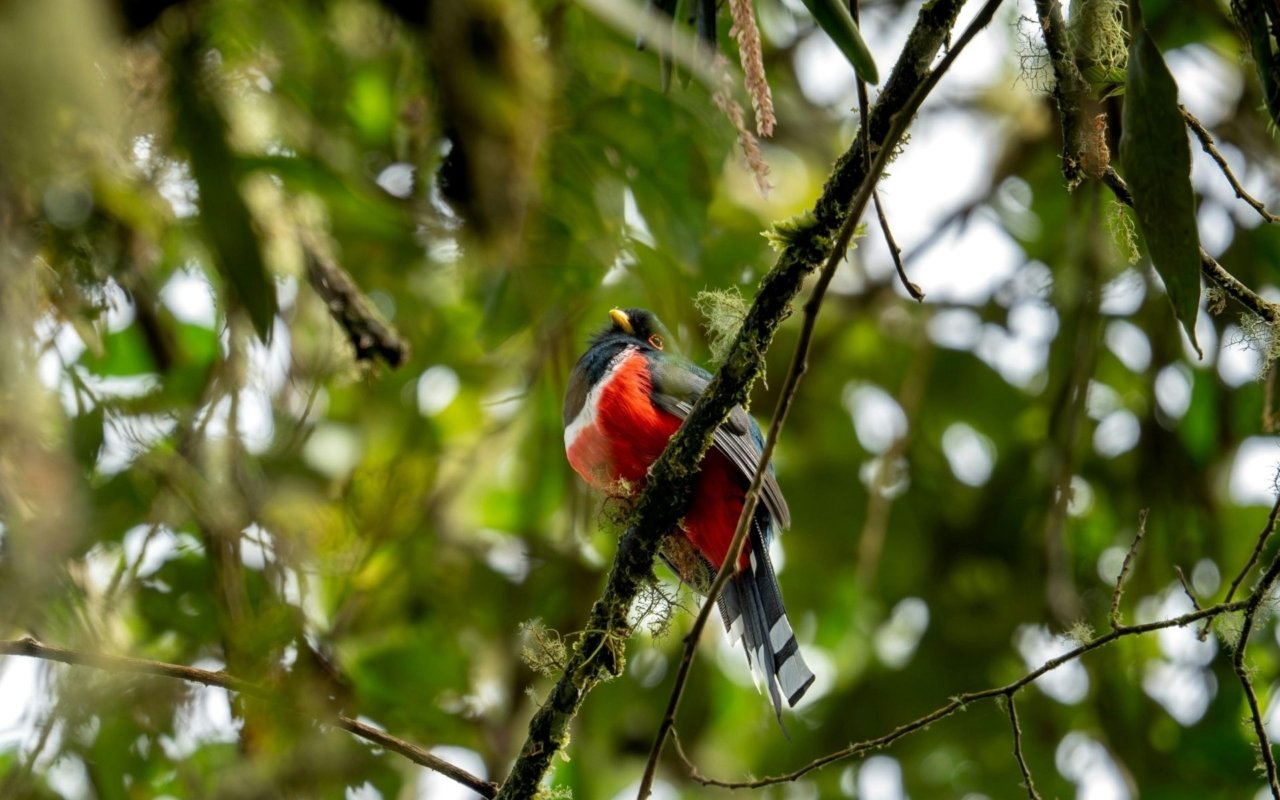
Wildlife watching
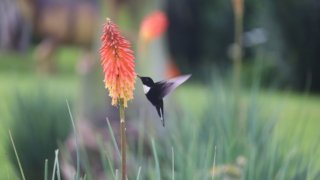
Colombia is one of the most biodiverse countries in the world: second for birds (1,900+ species), first for orchids. Watch pink dolphins in the Amazon, humpback whales on the Pacific coast (July-November), endemic birds in the páramos, monkeys in the national parks.
→ Colombian biodiversity: flora and fauna
Practical tips: itinerary of must-sees
How long to plan?
10 days minimum: Bogotá (2 d), coffee region (3 d), Cartagena + Tayrona (4-5 d)2 weeks ideal: Bogotá (2 d), Medellín (2-3 d), coffee region (3 d), Tayrona (2-3 d), Cartagena (2 d), plus a destination of your choice (Ciudad Perdida trek 4 d, San Andrés 3 d, Caño Cristales 4 d)3-4 weeks: Add the archaeological south (San Agustín, Tatacoa), the Amazon, the Pacific coast or off-the-beaten-track destinations
Classic itinerary 2 weeks
Day 1-2: Bogotá (Candelaria, Gold Museum, Monserrate)Day 3-4: Villa de Leyva (colonial, páramo d’Iguaque)Day 5-6: Medellín (Comuna 13, Botero, métrocables)Day 7: Guatapé (Peñón, colorful village)Day 8-10: Coffee region (Salento, Cocora, fincas, Filandia)Day 11-12: Santa Marta + Tayrona (beaches, jungle, sleep in the park)Day 13-14: Cartagena (historic center, Rosario Islands)→ Detailed tour: Colombia’s must-sees in 2 weeks
When to go?
Dry season: December-March and July-August (high season, early booking recommended)Rainy season: April-June and September-November (generally short afternoon rains, lower fares, fewer tourists) Colombia can be visited all year round thanks to its climatic diversity. Each region has its own particularities: the Caribbean is warm all year round, the coffee region temperate, Bogotá cool. Pack accordingly.→ Detailed climate map: When to go to Colombia
Plan your trip with Terra Colombia
Terra Colombia is a local agency based in Medellín, specializing in Colombia for over 15 years. Our French-speaking team designs tailor-made trips to suit your desires, pace and budget. Private naturalist guides, selected charming accommodations, authentic off-the-beaten-track experiences, 24/7 on-site assistance: we take care of everything so you get the most out of your discovery of Colombia.→ Our expertise: About Terra Colombia→ Our commitments: Responsible tourism→ Explore all our tours: Tours and itineraries