If you’re dreaming of escaping the Canadian winter to discover Colombia, this South American country is an ideal destination for Quebec and Canadian travelers: direct flights from Montreal, no visa required, pleasant year-round climate and low cost of living.From the mountains of the coffee region to the Caribbean beaches of Cartagena, and the cultural vibrancy of Bogotá and Medellín, Colombia is easy to discover in one to four weeks. Whether you’re looking for a winter getaway in January, a summer vacation in July, or an off-season adventure, this guide will answer all your practical questions.Good to know : From Montreal, allow around 5h30 for a direct flight to Bogotá or Cartagena, with tickets starting at $600-700 CAD in low season
Inspiration: Colombia’s must-see trips
How to get to Colombia from Quebec
Direct flights from Montreal to Bogotá are possible with Air Canada and Avianca, which offer regular connections, while AirTransat offers direct flights between Montreal and Cartagena three times a week. AirTransat offers direct flights between Montreal and Cartagena three times a week. The main airport for international flights is Bogotá (El Dorado airport), which serves as a central hub for exploring the country. Throughout the country, a multitude of airports allow you to maximize your time in Colombia and discover different regions of the country thanks to domestic flights.
Thanks to these options, you can plan a variety of itineraries, such as arriving in Bogotá to explore the capital and its surroundings, then continuing on to Medellín, Cartagena or the Coffee region, or deciding to go off the beaten track and visit the Guaviare, Llanos, San Agustin or Amazon regions. Find out more about flights to Colombia in our dedicated section: air tickets
Flights to Colombia from Quebec
Direct flights and with stopovers from French-speaking Canada to Colombia
| Airline | Route | Frequency | Duration | Approximate price* |
|---|---|---|---|---|
| Air Canada | Montreal (YUL) → Bogotá (BOG) | Daily | 5h30 (direct) | 700 – $1,200 CAD |
| Avianca | Montreal (YUL) → Bogotá (BOG) | Daily | 5:30am (direct) | 650 – $1,100 CAD |
| Air Transat | Montreal (YUL) → Cartagena (CTG) | 3x/week (seasonal)** | 5h15 (direct) | 600 – $1,000 CAD |
| Air Canada | Montreal (YUL) → Medellín (MDE) | Variable | 8am – 12pm (1 stopover) | 750 – $1,300 CAD |
| Air Canada | Montreal (YUL) → Cali (CLO) | Variable | 9am – 2pm (1-2 stopovers) | 800 – $1,400 CAD |
| Multiple airlines | Quebec (YQB) → Bogotá (BOG) | Variable | 10am – 4pm (1-2 stopovers) | 900 – $1,500 CAD |
*Approximate round-trip economy fares, variable according to season and advance booking
- Low season (April-June, September-November): lower fares
- High season (December-March, July-August): higher fares
- Tip: book 2-3 months in advance for the best prices
**Air Transat seasonal flights: generally available from November to April (high tourist season). Check their website for exact dates
Tips for finding the best fares:
- Use comparators like Google Flights, Skyscanner or Momondo
- Be flexible on your dates (± 3 days can save $200-300)
- Choose mid-week departures (Tuesday, Wednesday)
- Earn Aeroplan points with Air Canada for free flights
- Sign up for price alerts to be notified of promotions
Visas and entry formalities for Canadians
Good news for Canadian travelers: no visa is required for a tourist stay in Colombia. Entry formalities are quick and easy, allowing you to enjoy your trip to the full without complex administrative procedures.
Documents required on arrival
When you arrive in Colombia, immigration officials will ask you to present your valid Canadian passport and your return or onward ticket. An entry stamp will be placed in your passport, automatically granting you 90 days of tourist stay.
Canadian passport
Your passport must be valid for the duration of your stay. Colombia is flexible on passport validity and accepts travelers whose document expires in less than 6 months, with a minimum of one day’s validity after your planned exit date. However, we recommend that you have at least 6 months’ validity to avoid any problems with your airline or when making connections in other countries.
Return or onward ticket
You must prove that you will be leaving Colombia within 90 days of your arrival. This may be a return ticket to Canada, a ticket to another country, or even a bus reservation to Ecuador, Peru or Panama. Immigration officers can check this document, so keep it accessible.
Travel insurance
Although not required to enter Colombia, travel insurance is strongly recommended. Check that your insurance covers Colombia and includes medical repatriation, health coverage and trip cancellation. The Colombian health system is of good quality in the major cities, but medical care can be expensive for tourists.
Vaccines
No vaccinations are required to enter Colombia from Canada. However, the yellow fever vaccine is strongly recommended if you plan to visit the Amazon, the Llanos, Tayrona Park or other rural areas. Consult a travel health clinic at least 4 to 6 weeks before departure for personalized advice.
| Document | Requirement | Important details |
|---|---|---|
| Canadian passport | Mandatory | Valid for duration of stay. Colombia accepts passports expiring in less than 6 months (minimum 1 day of validity after the planned exit date). |
| Return or onward ticket | Mandatory | Proof that you will be leaving Colombia within 90 days. Can be a plane or bus ticket to a neighboring country, or a changeable reservation. |
| Tourist visa | Not required | Stay authorized up to 90 days without visa. An entry stamp will be placed in your passport on arrival. |
| Travel insurance | Recommended | Not compulsory, but strongly recommended. Check that your insurance covers Colombia and includes medical repatriation and health coverage. |
| Vaccines | Varies by region | No vaccinations required to enter Colombia. Yellow fever is recommended if you are visiting the Amazon, the Llanos or certain rural areas. |
Length of stay and extension
Canadians benefit from an initial maximum stay of 90 days, granted automatically on arrival. This is more than enough time to discover the country’s main regions.
If you wish to extend your stay, you can request an extension of a further 90 days, bringing your total stay to 180 days per calendar year. This extension costs around 106 USD (prices may vary, so please check the current rate).
To apply, visit one of Migración Colombia ‘s offices in the major cities: Bogotá, Medellín, Cartagena, Cali, Barranquilla or Santa Marta. Make an appointment online on their website to avoid long queues. Please note: you must apply before your first 90 days expire. Once the deadline has passed, you will be in an irregular situation and risk a fine.
Customs and restrictions
When you arrive at the airport, you’ll have to go through Colombian customs. Here’s what you need to know:
What you can bring freely :
- Your personal belongings (clothes, camera, computer, telephone)
- Up to 200 cigarettes or 50 cigars
- Up to 2 liters of alcoholic beverages
- Your personal medication with prescription (in reasonable quantities for the duration of your stay)
Important restrictions:
- Fresh food products (meat, cheese, fruit) are generally prohibited for health reasons
- If you are transporting a drone, you must obtain prior authorization from Aerocivil (the Colombian civil aviation authority). The rules are strict, and checks are frequent.
- If you are traveling with more than 10,000 USD in cash (or the equivalent in other currencies), you must declare it to customs
Official sources and useful contacts
| Organization | Contacts and links |
|---|---|
| Government of Canada | Travel Report for Colombia |
| Embassy of Canada in Colombia | Official websiteAddress: Carrera 7 No. 114-33, Piso 14, Bogotá Emergency telephone: +57 (601) 657-9800 |
| Migración Colombia | Information on visas and extensions |
| Tourism Colombia | Official tourism website |
| Registration for Canadians abroad | Free registration service |
Practical advice before departure
- Photocopy your passport and keep a copy separate from the original. Also send yourself a digital copy by e-mail.
- Take a photo of your entry stamp as soon as you arrive, so that you can easily access the expiration date on your phone.
- Keep your return ticket accessible at immigration, in paper or digital form.
- Register with the Canadian Embassy via the free Registration of Canadians Abroad service. In the event of a national emergency (natural disaster, political unrest), the embassy can contact you quickly.
- Check that your requirements are up to date 2 to 3 weeks before you leave, as entry rules may change, particularly regarding vaccinations or insurance.
Preparing your trip to Colombia
Language and communication
Spanish is the official language of Colombia. Unlike other Latin American destinations, English is not widely spoken, even in tourist areas. In Bogotá, Medellín and Cartagena, you’ll find English-speaking people in upscale hotels and restaurants, but communication can be difficult elsewhere.
A few practical tips:
- Learn a few basic phrases in Spanish before you leave (hello, thank you, how much it costs, where is…)
- Download a translation application like Google Translate that works offline
- Colombians appreciate efforts to speak their language, and will be patient and helpful
French-speaking guides: Terra Colombia works with certified French-speaking guides at every stage of our tours. They will help you discover their culture and share their knowledge of Colombia with you.
Currency and means of payment
The official currency is the Colombian peso (COP). The exchange rate is approximately 3,100 COP to $1 CAD (variable rate, check before you leave).
Where to change your money :
- Exchange bureaus at airports offer fair rates, but charge a commission
- Banks in town generally offer better rates
- Avoid exchanging money on the street, even if the rate seems advantageous (risk of scam or counterfeit bills)
Credit cards: In the major cities (Bogotá, Medellín, Cartagena, Cali), payment by credit card is widely accepted in restaurants, hotels, supermarkets and shops. Visa and Mastercard are the most common.
In rural areas and small towns (Salento, Mompox, villages in the coffee region, Amazonia), cash is absolutely essential. ATMs are rare, and many shops, family restaurants and inns accept cash only.
Automatic Teller Machines (ATMs):
- Found in all medium-sized and large towns
- Withdrawal limit generally between 600,000 and 1,000,000 COP per transaction (approx. $200-320 CAD)
Before you leave :
- Notify your bank of your trip to Colombia to avoid having your card blocked
- Check charges for international withdrawals and payments (generally 3-5% per transaction)
- Some Canadian banks, such as Tangerine or Simplii, offer free withdrawals abroad
- Carry at least two different bank cards in case of loss or problems
Indicative daily budget:
- Backpacker: $30-50 CAD (street food, hostels, local transportation)
- Comfort: $80-120 CAD (good restaurants, 3-star hotels, excursions)
- Upscale: $200+ CAD (gourmet restaurants, boutique hotels, private guides)
Climate and best times to go
Read our full article on suje: when is the best time to travel to Colombia?
Colombia’s climate varies according to region and altitude. Contrary to popular belief, there aren’t really any marked seasons like in Canada, but rather more or less rainy periods. The country is pleasant to visit all year round.
High tourist season (December to March, July-August):
- Drier, sunnier weather
- Ideal temperatures on the Caribbean coast and in the coffee region
- Higher prices for accommodation and flights
- Busier tourist sites
- Ideal time to escape the Canadian winter
Low season (April to June, September to November):
- More rain, especially in April-May and October-November
- Rainfall is generally short (1-2 hours in the late afternoon) and not continuous
- Lower prices (up to 30-40% cheaper)
- Less crowded sites, more authentic experience
- Lusher, greener nature
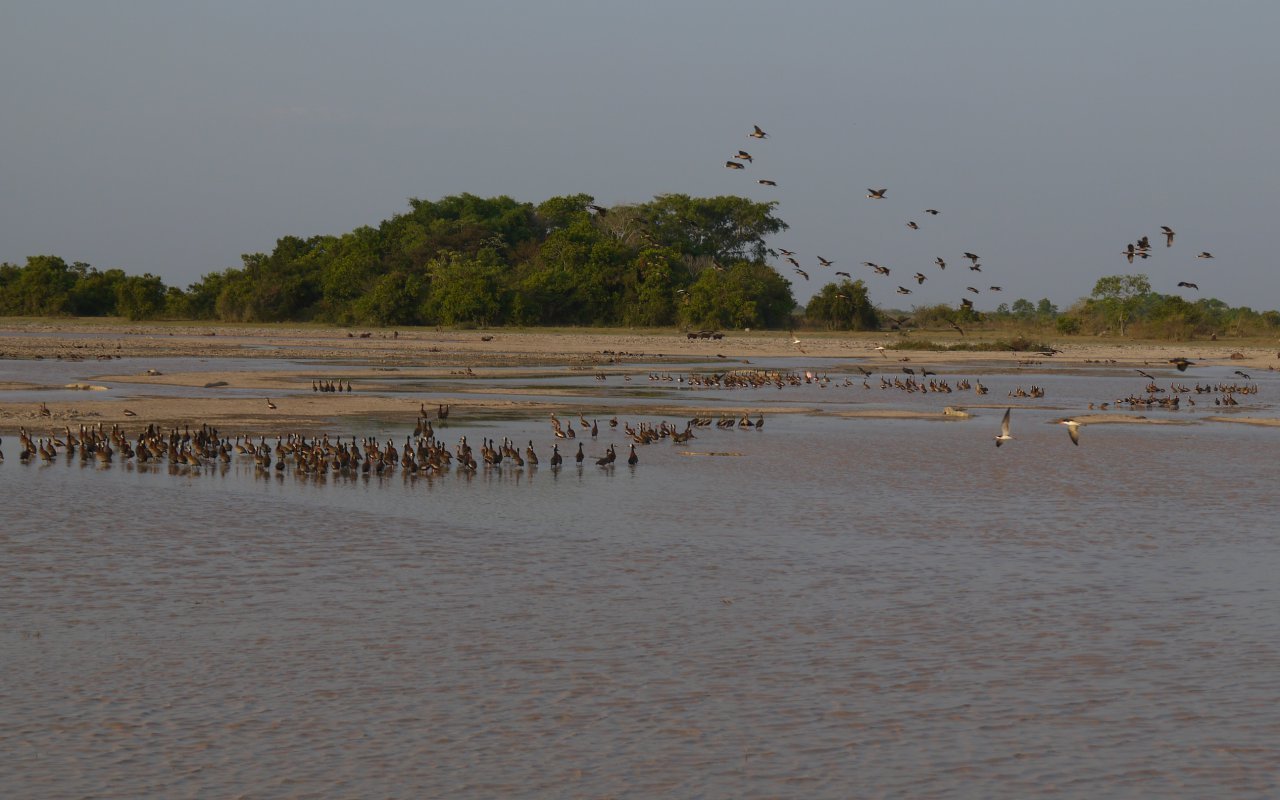
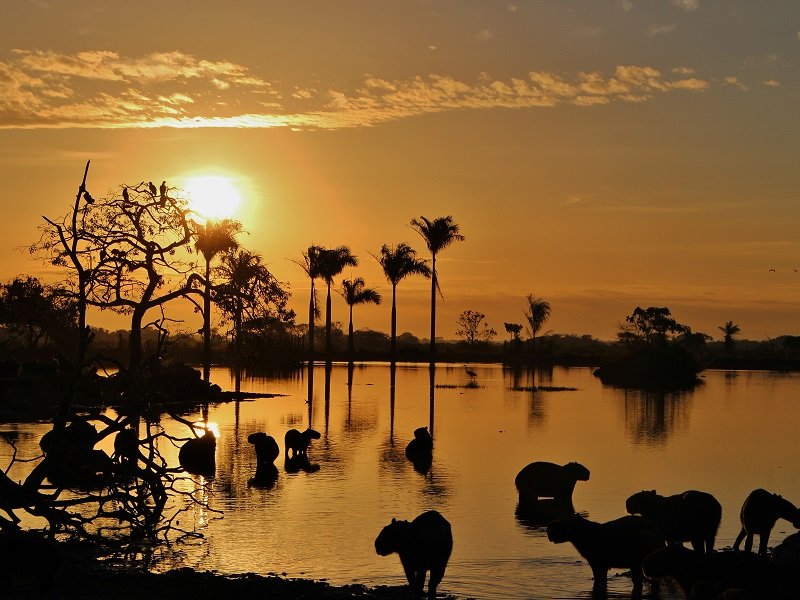
Little-known advantages of the low season: In the Llanos (eastern plains), this is the ideal time to observe the migration of exotic birds and the abundant wildlife that congregates near waterholes.
Emblematic sites such as Ciudad Perdida, Salento and Parque Tayrona are much less frequented.
Recommendation: If you’re flexible about your dates and don’t mind a few tropical showers, the low season offers excellent value for money and a more immersive experience of Colombia.
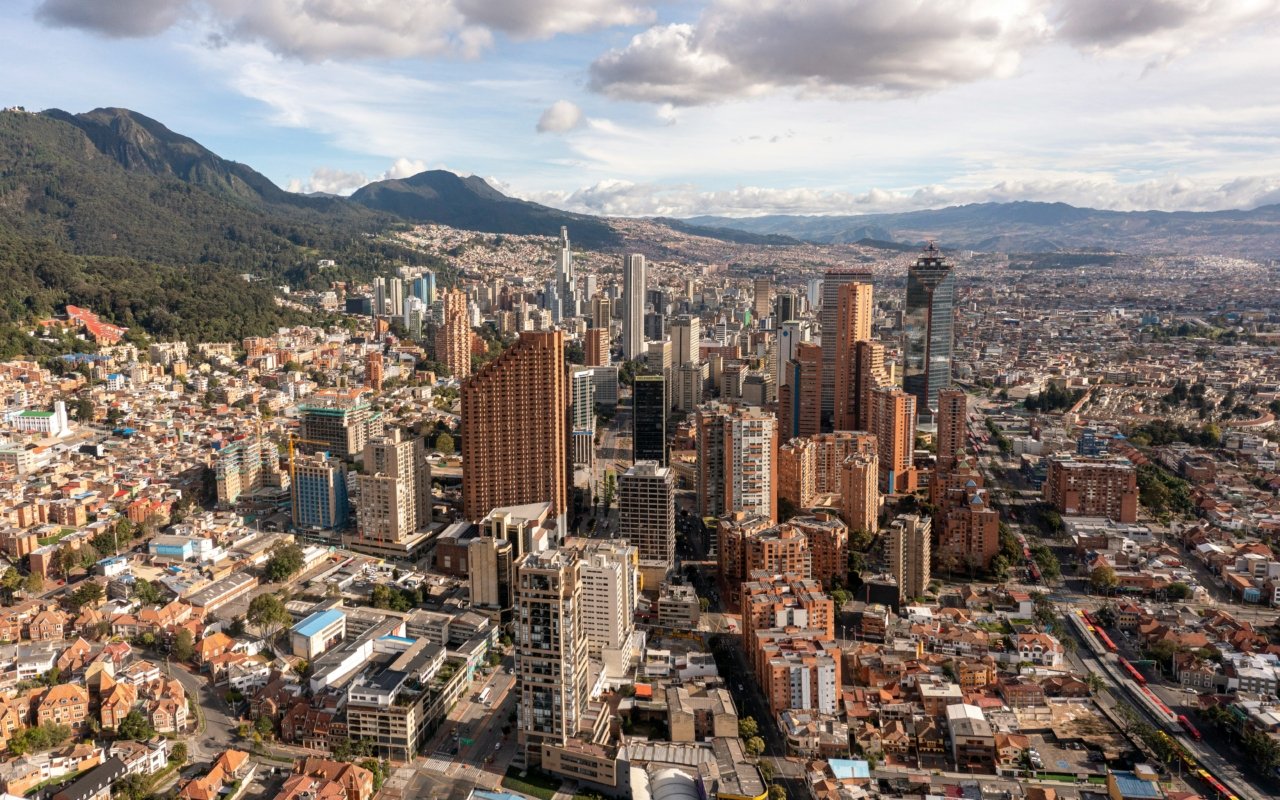


Is Colombia safe for Canadian travellers?
The question of safety in Colombia always comes up, and rightly so. The country’s reputation is still marked by its tumultuous past of the 1980s-1990s. But today’s reality is radically different.
The current situation
Colombia has undergone a remarkable transformation over the last 20 years. The main tourist areas are now as safe as any major city in North America or Europe. Millions of tourists, including many Canadians, visit the country every year without encountering the slightest problem.
The classic tourist areas are safe: Bogotá, Medellín, Cartagena, the coffee region (Salento, Filandia), Santa Marta, Tayrona Park, Villa de Leyva, San Agustín and Cali welcome travellers in complete safety. Tourist infrastructures are well-developed and the authorities take particular care to protect visitors.
Common-sense precautions
As in any major city in the world, a few simple precautions will help you travel with peace of mind:
In cities :
- Avoid displaying valuables (expensive jewelry, high-end cameras around the neck, latest-generation telephones)
- Use official cabs or apps such as Uber, DiDi or InDriver rather than hailing a cab on the street
- Be vigilant in tourist areas and on public transport, where pickpockets are rife
- Don’t walk alone in isolated or poorly lit areas at night
- Keep a photocopy of your passport and leave the original in your hotel safe when out and about
With your money:
- Don’t withdraw money at night or in isolated places
- Distribute your money in several places (pockets, bag, hotel)
- Never accept help from strangers at ATMs
- Be discreet when handling money
Common scams to be aware of :
- The “fake policeman” who wants to check your banknotes or passport in the street (a real policeman would never ask you to do this)
- All-inclusive excursions” sold on the street at knock-down prices (prefer established agencies)
In case of problems
- Emergency number in Colombia: 123 (police, fire, ambulance)
- Canadian Embassy in Bogotá: +57 (601) 657-9800 (24h/24 in case of emergency)
- Tourist hotline: 018000 910 112 (free, multilingual, 24 hours a day)
Millions of travelers visit Colombia every year and return delighted, with unforgettable memories and no problems whatsoever. By taking the same precautions you would in Montreal, Toronto or any other major city, you’ll discover a welcoming country that’s perfectly suited to tourism.
Colombia deserves to be discovered beyond the clichés. Use your common sense, stay alert without being paranoid, and let yourself be surprised by the human warmth and richness of this extraordinary country.
Itinerary ideas for your trip to Colombia
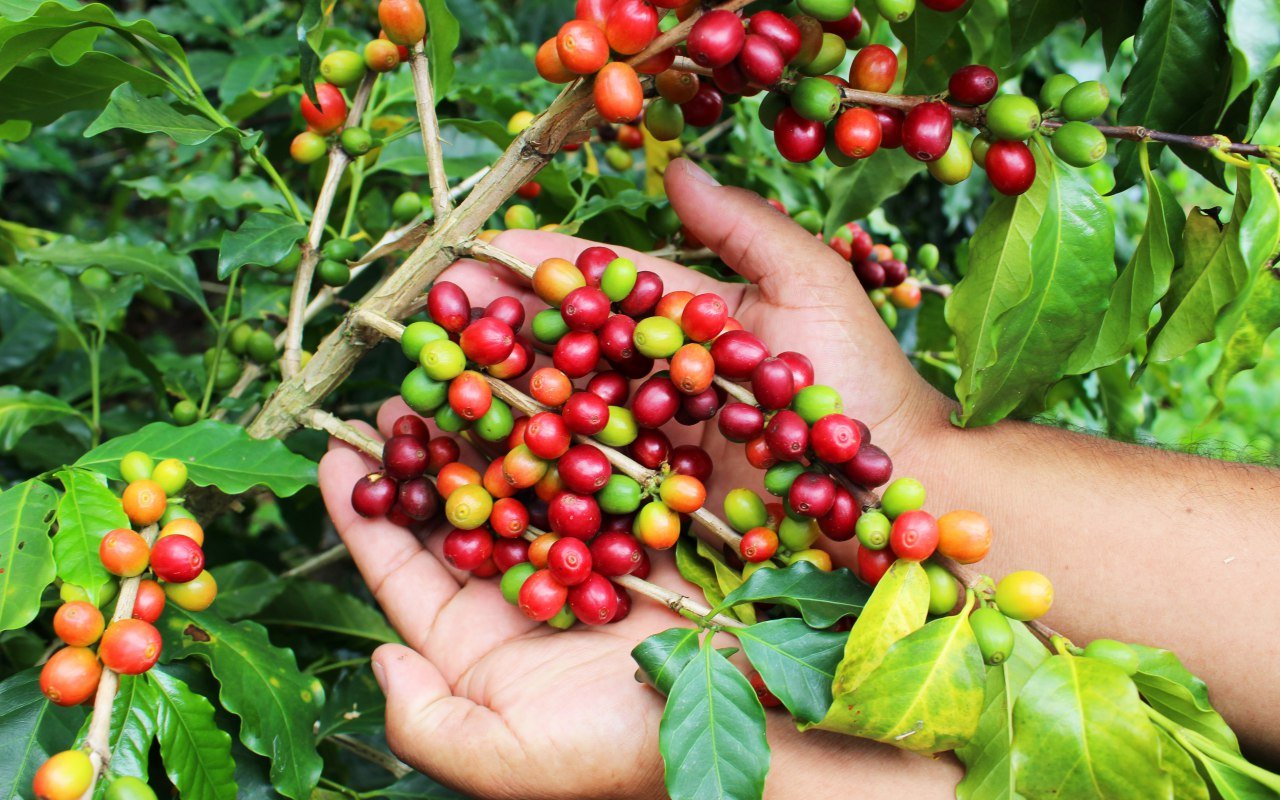
Family tour in Colombia: Coffee & Caribbean
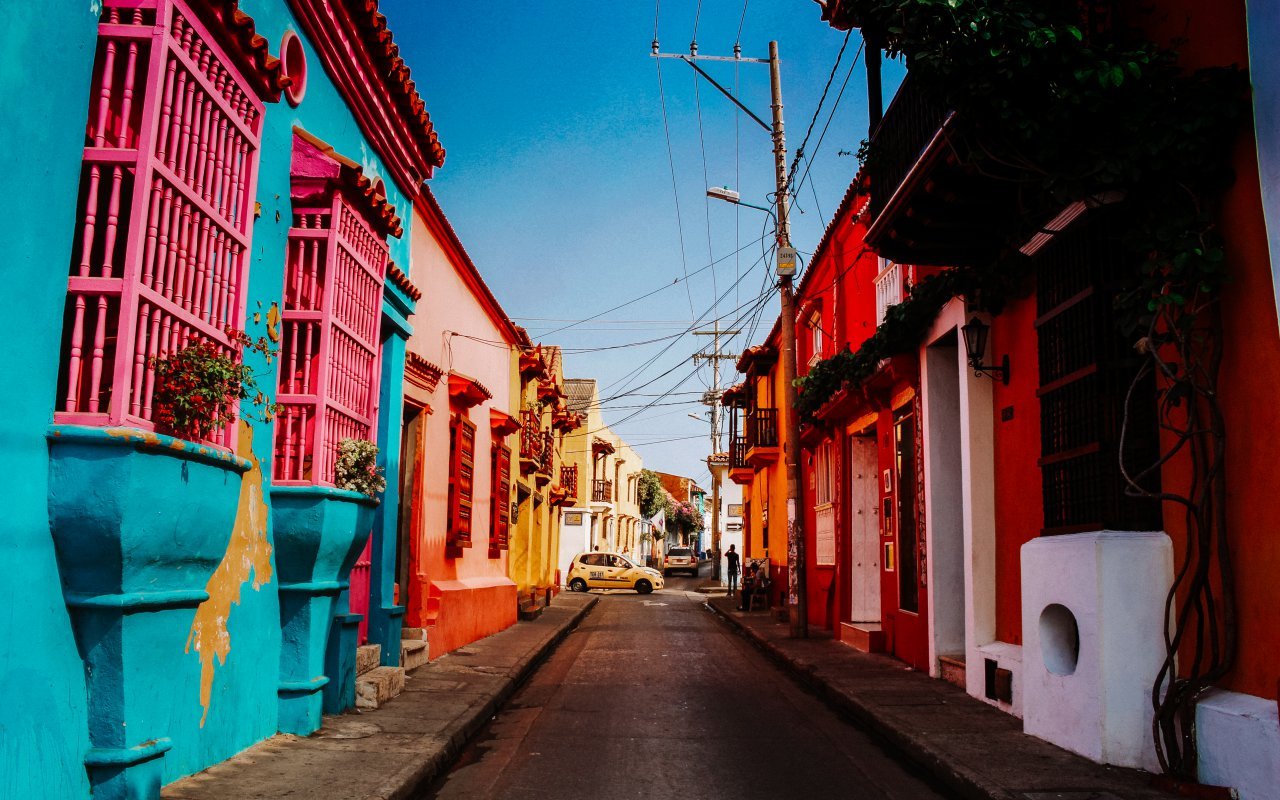
Caribbean tour of Colombia: Cartagena and its archipelagos
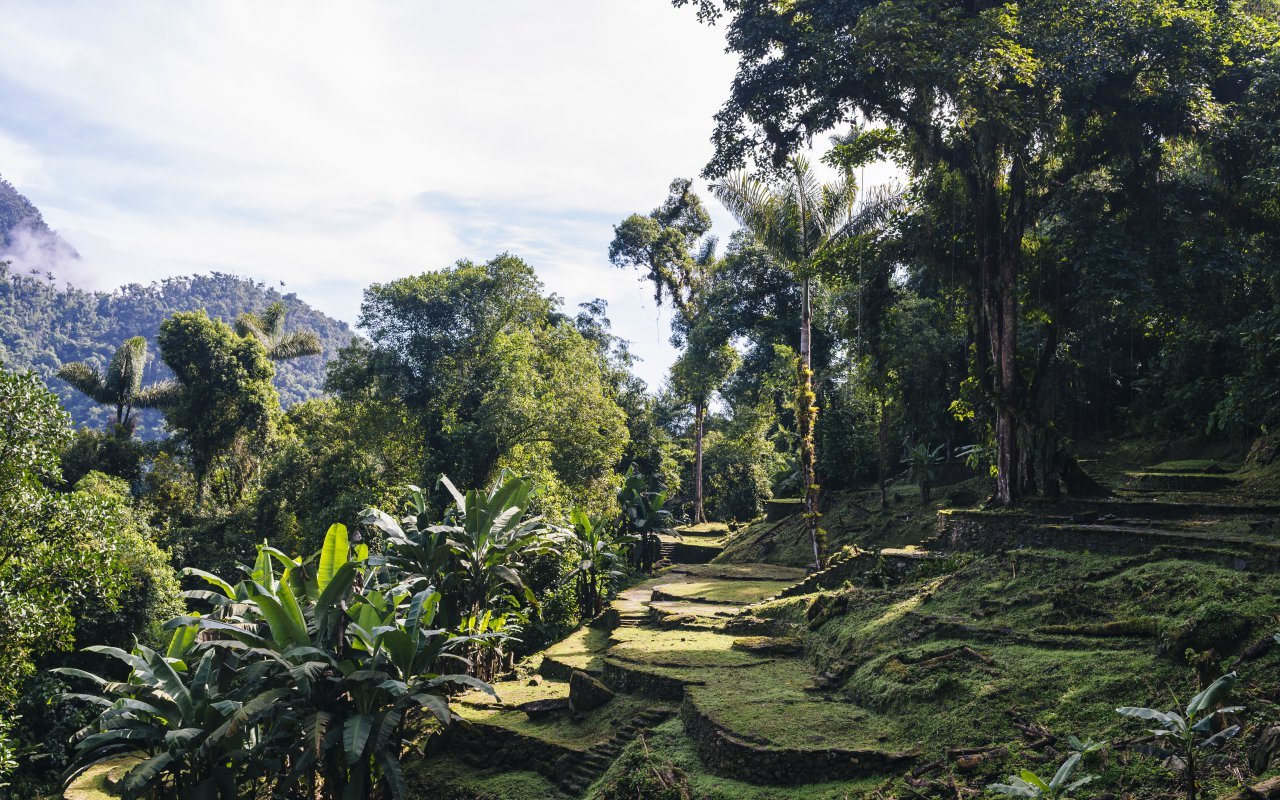
A different kind of Colombia : Responsible travel
Colombia must-see tour in 15 days
FAQ : Your practical questions about Colombia
Flights and transport
Which airlines fly to Colombia from Canada?
Three airlines offer flights from Canada: Air Canada and Avianca offer direct daily flights between Montreal and Bogotá (5h30 flight time). Air Transat operates seasonal direct flights between Montreal and Cartagena, generally from November to April, three times a week. From other Canadian cities (Toronto, Vancouver, Calgary), you’ll need to make a stopover in either Montreal or the U.S. (Fort Lauderdale, Miami, Houston).
How much does it cost to fly from Montreal to Colombia?
Prices vary considerably depending on the season. In low season (April-June, September-November), expect to pay between $600 and $900 CAD round-trip. In high season (December-March, July-August), prices rise to between $900 and $1,400 CAD. To get the best rates, book 2 to 3 months in advance, and give preference to mid-week departures (Tuesday, Wednesday). The most expensive periods are Christmas-New Year and March school break.
When to book for the best prices?
The ideal window is between 8 and 12 weeks before departure. Avoid booking too early (6 months in advance) or at the last minute, except during flash sales. Sign up for price alerts on Google Flights, Skyscanner or Kayak to be notified of fare reductions. Air Canada and Avianca promotions generally appear in January-February for summer flights, and in August-September for the winter high season.
Are there direct flights from Toronto or Vancouver?
No, there are currently no direct flights from Toronto or Vancouver to Colombia. Travelers from these cities must make a stopover in Montreal (via Air Canada or Avianca) or pass through the United States (Miami, Fort Lauderdale, Houston, Panama). Total travel time varies between 8 and 14 hours, depending on the connection.
Formalities and visa
Do Canadians need a visa for Colombia?
No, no visa is required for a tourist stay. On arrival, you’ll automatically receive an entry stamp granting you 90 days’ stay. All you need is a valid passport and a return or onward ticket proving that you will be leaving the country within 90 days.
Does my passport need to be valid for 6 months?
Colombia is flexible on this point: your passport must be valid only for the duration of your stay, with a minimum of one day’s validity after your planned exit date. However, we recommend 6 months’ validity to avoid any problems with your airline or when connecting to other countries that may have stricter requirements.
Can I extend my stay in Colombia?
Yes, you can obtain an extension of 90 days, bringing your total stay to a maximum of 180 days per calendar year. The cost is approximately 106 USD (please check). Visit a Migración Colombia office (Bogotá, Medellín, Cartagena, Cali) before your first 90 days expire. Make an appointment online on their website to avoid long waits. Warning: once the deadline has passed, you will be in an irregular situation and risk a fine.
Do I need travel insurance?
Travel insurance is not compulsory to enter Colombia, but it is strongly recommended. Check that your policy covers Colombia and includes medical assistance, repatriation, trip cancellation and baggage loss. Medical care in Colombia can be expensive for tourists (an emergency consultation can cost $200-500 CAD, hospitalization several thousand dollars). Your travel credit card may offer basic insurance, but check the conditions and coverage limits.
Is my Canadian driver’s license valid in Colombia?
Your Canadian driver’s license is accepted for tourist stays of less than 90 days, but an international driver’s license is recommended to facilitate dealings with the police and rental agencies. You can obtain one from CAA-Québec or CAA before you leave (approx. $25 CAD, valid for 1 year). Important: your credit card insurance does not usually cover car rental in Colombia, so be sure to take out the comprehensive insurance offered by the rental agency.
Budget and money
What’s your budget for 2 weeks in Colombia?
The budget depends very much on your travel style. For a backpacker trip (hostels, local meals, bus), count $800-1,200 CAD for 2 weeks (excluding flights), or $30-50 CAD per day. For a comfortable trip (3-star hotels, good restaurants, a few excursions), budget $2,000-3,000 CAD (excluding flights), or $80-120 CAD per day. For top-of-the-range travel (boutique hotels, gourmet restaurants, private guides), expect to pay $4,000 CAD or more (excluding flights), or $200+ CAD per day. These amounts do not include international airfare.
Is Colombia cheaper than Canada?
Yes, considerably. A street food meal costs $2-4 CAD, a meal at a local restaurant $8-15 CAD, a good restaurant $20-35 CAD. A night in a hostel costs $12-25 CAD, a comfortable hotel $50-100 CAD, a charming hotel $120-250 CAD. A coffee: $1-2 CAD, a local beer: $1.50-3 CAD, a cab in town: $3-8 CAD. Excursions and activities are also more affordable: admission to the Bogotá Gold Museum ($5 CAD), 4-day Ciudad Perdida trek ($300-400 CAD all-inclusive).
Should I bring Canadian or American dollars?
Ideally, neither. The best advice is to withdraw Colombian pesos directly from ATMs once you’re there. Exchange rates are generally better than with Canadian dollars, and ATMs are ubiquitous in the cities. If you’d like to have some cash on hand when you arrive, change $100-200 CAD into Colombian pesos before you leave (exchange office at Montreal airport, or in some branches of major banks by appointment). U.S. dollars are more easily exchanged than Canadian dollars in Colombia.
Can I use my Canadian bank card everywhere?
In the major cities (Bogotá, Medellín, Cartagena, Cali, Santa Marta), Visa and Mastercard are widely accepted in hotels, restaurants, supermarkets and shops. However, in small towns, villages and rural areas (Salento, Mompox, Guatapé, Amazonia, national parks), cash is absolutely essential. ATMs are rare, and many establishments only accept cash. Always bring 100,000-200,000 pesos in cash ($30-65 CAD) for unforeseen circumstances.
What banking fees should I expect?
Most Canadian banks charge fees for international transactions: around 3-5% per payment or withdrawal, plus a fixed fee of CAD$2-5 per ATM withdrawal. Over a 2-week trip, these fees can total $100-150 CAD. Some banks, such as Tangerine or Simplii Financial, offer free withdrawals abroad. Always notify your bank before you leave to avoid having your card blocked for suspicious activity.
Do I have to give tips in Colombia?
Service (“propina”) is generally not included in the bill, except in certain high-end restaurants. The norm is to leave 10% in restaurants if you are satisfied with the service. For cab drivers, simply round up the amount (no tip required). For tour guides, expect 20,000-50,000 pesos per day ($6-16 CAD), depending on the quality of service. For hotel porters: 2,000-5,000 pesos per piece of luggage ($0.60-1.60 CAD).
Health and safety
What vaccinations are required or recommended?
No vaccinations are required to enter Colombia from Canada. However, the yellow fever vaccine is strongly recommended if you are visiting the Amazon, the Llanos, parts of the Pacific coast or rural areas below 2,300 meters altitude. Tayrona Park and Cartagena do not require this vaccine. Other recommended vaccines: hepatitis A and B, typhoid, tetanus. Consult a travel health clinic (travel clinic, CLSC, specialized pharmacies) at least 4 to 6 weeks before departure for personalized advice based on your itinerary.
Can I drink tap water in Colombia?
No, tap water is not potable for foreign visitors. In the major cities, it is technically treated, but can cause digestive problems for those not used to it. Buy bottled water (very cheap: CAD 0.50-1 per liter) or use a filtered flask. Avoid ice cubes in small street restaurants, but don’t worry about them in established restaurants and hotels that use filtered water. Wash fruit and vegetables with bottled water.
Are there any particular health risks?
The main risk is turista (traveller’s diarrhoea), easily preventable by observing basic hygiene rules. Altitude sickness can affect some people in Bogotá (2,640 meters): headaches, fatigue, nausea. Stay well hydrated, avoid alcohol for the first few days, and climb gradually in altitude. Dengue fever, Zika and chikungunya are present in hot, humid areas (coasts, Amazonia). Use a strong mosquito repellent (DEET 30% minimum), and wear long clothing at the end of the day. Mosquitoes bite especially at dawn and dusk.
Is the Colombian health system reliable?
Yes, Colombia has an excellent medical infrastructure in the major cities. Bogotá, Medellín and Cali have modern, world-class hospitals staffed by doctors trained in the USA and Europe. Medical tourism is also highly developed. In rural areas, health centers are more basic. Pharmacies are ubiquitous and well-stocked (many medicines are available without prescription). Always keep your medical receipts for insurance purposes.
What to do in a medical emergency
Dial 123 (single emergency number) or go directly to the emergency rooms of major hospitals. In Bogotá: Fundación Santa Fe, Clínica del Country, Hospital Universitario San Ignacio. In Medellín: Hospital Pablo Tobón Uribe, Clínica Las Américas. Cartagena: Bocagrande Hospital. Contact your travel insurance company immediately, who will be able to direct you to approved facilities and handle direct billing. Keep the original prescription for your personal medication.
Planning your trip
How long does it take to visit Colombia?
For a first visit (Bogotá, coffee region, Cartagena), allow at least 10-12 days. For a complete tour including the Caribbean, the Andes and one or two additional regions, allow 2-3 weeks. For in-depth exploration with hiking (Ciudad Perdida, Cocora), off-the-beaten-track sites (Guaviare, Tatacoa, San Agustín) and time to relax, 3 to 4 weeks are ideal. One week is too short: you’ll spend more time in transport than discovering the country.
Which itinerary for 2 weeks?
A classic, well-balanced itinerary: Bogotá (2-3 days: historic center, gold museum, Monserrate, La Candelaria district), Villa de Leyva (1 day: charming colonial village), Salento coffee region (3 days: Cocora valley, coffee plantations, colorful villages), Medellín (2-3 days: urban transformation, cable cars, Comuna 13), Cartagena (3 days: old walled city, beaches), Tayrona Park (2 days: heavenly beaches, jungle hike). This itinerary gives you an excellent overview of Colombia’s diversity: culture, nature, history, beaches.
When is the best time to leave from Canada?
The dry season (December-March) coincides perfectly with the Canadian winter, so it’s the most popular time to escape the cold. Temperatures are pleasant everywhere, ideal for the Caribbean coast and the coffee region. July-August is also suitable, with a more variable climate but prices slightly lower than in December-January. The low season (April-June, September-November) offers the best value for money: fewer tourists, lower rates, lush natural surroundings. Rains are generally short (1-2 hours in the late afternoon) and don’t spoil the trip.
Can I travel to Colombia with children?
Absolutely! Colombia is an excellent family destination. Colombians love children and will give you an even warmer welcome. Choose suitable destinations: Cartagena (beaches, entertainment), Salento (nature, coffee farms), parks like Tayrona (under-10s may have difficulty with the access hike). Avoid difficult trekking (Ciudad Perdida: 4-day hike, forbidden to under-12s) and very remote areas. The infrastructure (restaurants, hotels) is well suited to families. Make sure you have good health insurance and a complete first-aid kit.
Is Colombia suitable for solo travellers?
Yes, Colombia is very popular with solo travellers, especially in youth hostels where the atmosphere is friendly and it’s easy to meet other travellers. Group tours to Ciudad Perdida, Caño Cristales or the Amazon are perfect for solos. Women traveling alone should take the usual precautions (avoid walking alone at night, refuse invitations from complete strangers, remain vigilant in bars), but most report very positive experiences. Big cities like Bogotá and Medellín have a lively social scene, with many organized events and meetings.
Do I need to book everything in advance?
For the high season (December-January, Holy Week in March-April), book your hotels and domestic flights at least 1 to 2 months in advance, especially for Cartagena, Salento and Tayrona Park, which quickly sell out. For popular trekking tours such as Ciudad Perdida, book several weeks in advance. In low season, you can be more flexible and book a few days in advance, or even improvise on the spot, but book your first nights anyway to avoid stress on arrival.
Practical questions
Is Spanish essential?
Spanish makes travel easier and enriches the experience, but you can get by without it. In tourist areas, you’ll always find someone who speaks basic English. Useful applications: Google Translate (download Spanish offline), Duolingo (learn the basics before you go), Maps.me or Google Maps (work offline). Colombians are patient and appreciate your efforts to speak their language, however awkwardly. A smile and gestures often compensate for linguistic shortcomings.
What is the time difference with Canada?
Colombia is at GMT-5, i.e. 1 hour ahead of Montreal in winter (when Montreal is at GMT-5 with standard time) and the same time as Montreal in summer (when Montreal is at GMT-4 with daylight saving time). Colombia does not observe a time change. For Vancouver, add 3 hours in winter and 2 hours in summer. The minimal time difference makes it easier to adapt: no significant jet lag.
Can I use my Canadian phone in Colombia?
You have three options. International roaming from your Canadian operator works, but is very expensive ($10-15 CAD per day, limited data). A local SIM card is the cheapest option: buy a Claro, Movistar or Tigo prepaid card at the airport or in any store (15,000-30,000 pesos / $5-10 CAD for 2-3 GB of data and a few call minutes, valid for 15-30 days). Your phone must be unlocked. WiFi is available free of charge in almost all hotels, restaurants and cafés in tourist areas.
Which electrical outlets are used in Colombia?
Colombia uses type A and B plugs (the same as in Canada and the USA, with two parallel flat plugs). No adapters are required. Voltage is 110V, 60Hz, identical to Canada. You can plug in all your Canadian appliances without any problem. Power cuts are rare in tourist areas.
Is the Internet accessible everywhere?
WiFi is ubiquitous and generally fast in cities and tourist areas: hotels, restaurants, cafés and inns all offer free access. In rural and remote areas (Amazonia, Llanos, isolated villages), the connection may be non-existent or very slow. Download your offline maps (Google Maps, Maps.me), Spotify playlists and Netflix episodes before you leave for these areas. 4G covers major cities and main roads well.
What should I pack?
Colombia has a wide variety of climates. Pack light clothing (cotton, linen) for hot zones (coasts, Amazon: 25-35°C), mid-season clothes for Bogotá and high-altitude towns (15-20°C), and a light waterproof jacket for tropical showers. Essentials: high-protection sun cream (the equatorial sun burns quickly), hat or cap, strong mosquito repellent (DEET 30%), sunglasses, comfortable walking shoes, sandals, bathing suit, small first-aid kit (antidiarrheal, painkiller, disinfectant, bandages). For Bogotá, bring a sweater or light jacket for cool evenings.
Can I drink alcohol in Colombia?
The legal drinking age is 18. Local beer (Aguila, Poker, Club Colombia) is excellent and very affordable ($1.50-3 CAD). Also tryaguardiente, the traditional aniseed-flavored spirit (be careful, it’s strong!). Colombian rum is renowned, notably the Ron Viejo de Caldas and Dictador brands. Chicha (a fermented corn-based drink) is rarer, but can be found in some of Bogotá’s traditional neighborhoods. Classic cocktails include aguardiente sour and canelazo (a hot aguardiente drink, ideal in Bogotá).